
Air Source Heat Pump Installers in Yorkshire: Local MCS Certified Companies You Can Trust
Looking for trusted air source heat pump installers in Yorkshire? Find MCS certified local companies, real costs, and how to claim your £7,500 BUS grant.

Written by Heat Pump Buddy
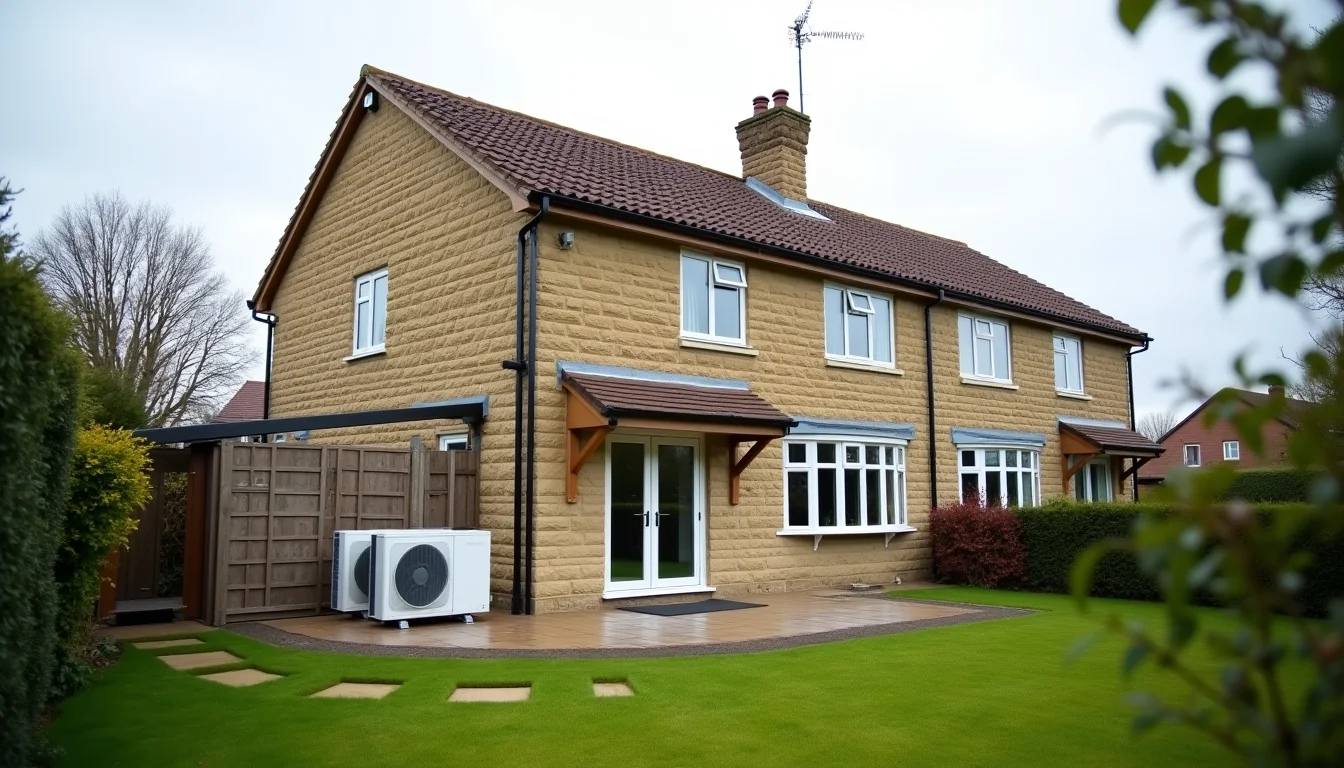
Yorkshire has a growing number of MCS certified air source heat pump installers spread across all four counties, and finding a trustworthy local company isn't as difficult as you might think. The key is choosing an installer who holds current MCS certification, knows your local property types, and can handle your £7,500 Boiler Upgrade Scheme application from start to finish. This guide covers exactly how to find the right company for your home, what you should expect to pay, and what pitfalls to avoid.
Why Does MCS Certification Matter for Yorkshire Homeowners?
MCS certification isn't just a badge. It's the only accreditation that qualifies an installer to apply for the £7,500 Boiler Upgrade Scheme grant on your behalf. If your installer isn't MCS certified, you can't claim the grant. Full stop.
The Microgeneration Certification Scheme sets standards for both the installer and the equipment they fit. An MCS certified company has been independently audited, carries appropriate insurance, and follows strict installation standards. They're also required to provide a proper heat loss survey before recommending a system, which means you're far less likely to end up with a heat pump that's too big or too small for your house.
As of early 2026, the MCS database lists over 3,500 certified heat pump installers across the UK, and Yorkshire is well served. Across North, South, East and West Yorkshire, there are dozens of certified companies, though the concentration is heavier around the larger towns and cities like Leeds, Sheffield, York, and Harrogate.
Finding Air Source Heat Pump Installers Across Yorkshire's Four Counties
Yorkshire is a big region with very different housing stock depending on where you live. A Victorian terrace in Sheffield presents completely different challenges to a detached stone farmhouse in the Dales. That's why picking a local installer who understands your area matters more than you'd expect.
North Yorkshire
North Yorkshire has a mix of older stone-built properties, particularly in the Dales and around Harrogate, alongside newer builds in areas like Thirsk and Northallerton. Many homes here are off the gas grid, which makes them ideal candidates for heat pumps. Local installers in this area tend to have solid experience with rural properties and the specific planning considerations that come with conservation areas and national parks.
West Yorkshire
Leeds, Bradford, Huddersfield and Wakefield make up the bulk of West Yorkshire's housing. You'll find a good number of MCS certified installers based here, and the density of housing means competition keeps prices reasonable. Typical properties range from back-to-back terraces in Bradford to 1930s semis in the Leeds suburbs.
South Yorkshire
Sheffield, Rotherham, Doncaster and Barnsley all fall in South Yorkshire. Sheffield in particular has seen strong uptake of heat pump installations, partly driven by the city council's push towards net zero. There are several well-established MCS certified companies operating across the region.
East Yorkshire
Hull and the East Riding have fewer installers than the western counties, but the situation is improving. If you're in a more rural part of East Yorkshire, you might find that installers based in York or Leeds cover your area. Always check their willingness to travel before requesting a survey.
What Should a Good Yorkshire Heat Pump Installer Actually Do?
A proper installer won't just turn up and fit a box on your wall. Here's what you should expect from any company worth hiring.
First, they should carry out a full room-by-room heat loss calculation. This isn't optional. It determines what size heat pump you need and whether your existing radiators can handle the lower flow temperatures. Any installer who skips this step or does it over the phone isn't someone you want working on your house.
Second, they should talk to you honestly about your home's insulation. If your loft insulation is thin, your cavity walls are unfilled, or your windows are single-glazed, a good installer will tell you to sort those issues first. A heat pump will still work, but your running costs will be higher than they need to be.
Third, they should provide a detailed written quote that breaks down equipment costs, labour, any additional work like radiator upgrades or hot water cylinder installation, and the grant deduction. Don't accept a single lump sum figure with no breakdown.
Finally, they should handle the BUS grant application as part of the process. You shouldn't need to chase paperwork yourself.
How Much Does an Air Source Heat Pump Cost in Yorkshire in 2026?
Let's talk real numbers. For a typical three-bedroom semi-detached house in Yorkshire, you're looking at a total installation cost of roughly £10,000 to £14,000 before the grant. After the £7,500 BUS grant is deducted, your out-of-pocket cost drops to somewhere between £2,500 and £6,500.
Why the range? Several factors affect the final price:
- Size of the heat pump needed (usually 5kW to 12kW for most homes)
- Whether you need a new hot water cylinder (most homes switching from a combi boiler will)
- Radiator upgrades if your existing radiators are too small for lower flow temperatures
- Pipework modifications and any electrical upgrades
- Access and site conditions around your property
Here's a real-world example. A homeowner in Harrogate with a 1970s four-bedroom detached house recently paid £12,800 for a 10kW air source heat pump, a 210-litre hot water cylinder, and three upgraded radiators. After the £7,500 grant, they paid £5,300 out of pocket. Their annual heating bill dropped from around £1,900 on oil to roughly £1,100 on the heat pump, giving them savings of about £800 a year.
Prices in South and West Yorkshire tend to sit at the lower end of the range because there are more installers competing for work. In rural North Yorkshire, you might pay slightly more due to travel time and the complexity of older properties.
How to Claim the £7,500 Boiler Upgrade Scheme Grant in Yorkshire
The Boiler Upgrade Scheme is the main financial incentive for switching to a heat pump in 2026. It provides a £7,500 grant towards the cost of an air source heat pump installation, and it's available to homeowners in England and Wales.
Here's what you need to know:
- Your property must have a valid Energy Performance Certificate (EPC) with no outstanding recommendations for loft or cavity wall insulation. If your EPC is old, you may need a new one.
- The grant is applied for by your MCS certified installer, not by you directly. They submit the application through Ofgem's system, and the grant is paid to them. You simply pay the reduced price.
- You must be replacing an existing fossil fuel heating system (gas, oil, LPG, or electric storage heaters all qualify).
- The scheme currently runs until March 2028, but funding is allocated on a first-come, first-served basis each financial year. Don't assume there's no rush.
One common question: can you combine the BUS grant with other funding? You can't combine it with ECO4 funding for the same measure, but you can use it alongside local authority grants where available. Some Yorkshire councils offer additional support for energy efficiency improvements, so it's worth checking with your local authority.
Your installer should explain all of this during the quoting process. If they don't mention the BUS grant at all, that's a red flag.
"Will a Heat Pump Actually Work in a Cold Yorkshire Winter?"
This is the question that comes up more than any other, and it's a fair one. Yorkshire gets properly cold. January temperatures regularly sit around 1 to 4°C, and parts of the Pennines and North York Moors see temperatures drop well below freezing.
The honest answer is yes, modern air source heat pumps work perfectly well in Yorkshire winters. Today's units are rated to operate efficiently down to minus 15°C or even minus 25°C, depending on the model. Scandinavian countries with far harsher winters than ours have been using heat pumps as their primary heating for decades.
The efficiency does drop slightly in very cold weather. A heat pump that delivers a coefficient of performance (COP) of 4.0 at 7°C might drop to a COP of 2.5 at minus 5°C. But even at that lower efficiency, it's still producing 2.5 units of heat for every unit of electricity used, which is far better than any gas or oil boiler can manage.
The real key is proper sizing. An installer who does a thorough heat loss calculation and sizes the system correctly for your coldest expected conditions won't leave you shivering in February. Problems only arise when systems are undersized or badly installed.
Frankly, if heat pumps couldn't handle the cold, Norway wouldn't have them in 60% of its homes.
Frequently Asked Questions
How much does an air source heat pump cost in Yorkshire?
A typical installation in Yorkshire costs between £10,000 and £14,000 before the government grant. After the £7,500 BUS grant, most homeowners pay between £2,500 and £6,500 out of pocket. The exact cost depends on the size of your home, the heat pump capacity needed, and whether you need radiator or cylinder upgrades.
How do I find MCS certified heat pump installers near me in Yorkshire?
You can search for MCS certified installers on the official MCS database or use a directory like heatpumpinstallerdirectory.co.uk to find local companies with verified certifications. Always check that the certification is current and ask to see their MCS certificate number before agreeing to any work.
Can I get a heat pump if I live in a terraced house in Leeds or Sheffield?
Yes, air source heat pumps can be fitted to terraced houses, though space and noise regulations need careful consideration. The outdoor unit needs to be positioned at least one metre from a neighbour's boundary under permitted development rules. A good local installer will assess your specific property and advise on the best placement.
Do I need planning permission for a heat pump in Yorkshire?
Most air source heat pump installations fall under permitted development and don't need a planning application. There are exceptions if you live in a listed building, a conservation area, or within a national park like the Yorkshire Dales or North York Moors. Your installer should check this before starting work.
How long does a heat pump installation take in a typical Yorkshire home?
Most installations take between two and four days from start to finish. A straightforward swap where the existing radiators and pipework are suitable might be done in two days. More complex jobs involving new radiators, a hot water cylinder, and significant pipework changes can take up to four or five days.
If you're ready to find a trusted, MCS certified air source heat pump installer in your part of Yorkshire, head over to heatpumpinstallerdirectory.co.uk and search by your postcode. You'll get connected with local companies who can survey your home, provide a proper quote, and handle your £7,500 grant application. It's the simplest way to start cutting your heating bills and your carbon footprint at the same time.
Ready to talk to an installer?
Compare the listed firms, then check current MCS status, service coverage and any grant registration directly. Contact routes are shown when a firm has published one.
Related guides
- Heat Pump Installers in Exeter — Local Companies & Grants
Find MCS certified heat pump installers in Exeter. Learn about the £7,500 BUS grant, ECO4 funding, and what Exeter's mix of Georgian, Victorian and modern homes means for your install.
- Heat Pump Installers in York — Heritage Property Experts
York's conservation areas and listed buildings make heat pump installation tricky. Find MCS certified installers who know York's planning rules and heritage restrictions.
- Heat Pump Installers in Brighton — Eco-Friendly Heating
Find MCS certified heat pump installers in Brighton. Learn how the £7,500 BUS grant works, what Brighton's housing stock means for your install, and get real costs.