
Air to Water vs Air to Air Heat Pumps: How to Choose the Right System for Your Home
Air to water or air to air heat pump? We compare costs, running bills, grant eligibility and suitability so you can pick the right system for your UK home.

Written by Heat Pump Buddy
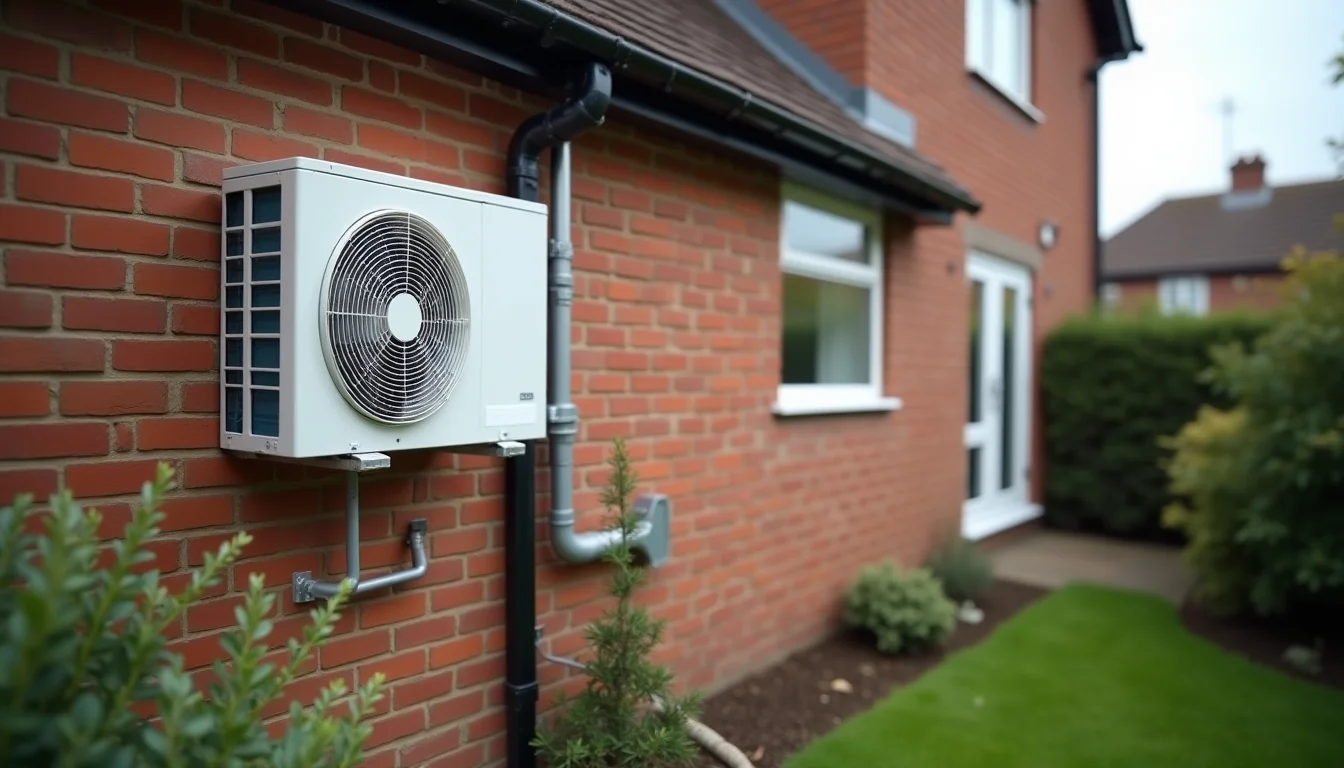
If you're choosing between an air to water and an air to air heat pump, the answer depends on what you need the system to do. Air to water heat pumps connect to your existing radiators and hot water cylinder, making them the direct replacement for a gas boiler and the only type eligible for the £7,500 Boiler Upgrade Scheme grant. Air to air heat pumps are cheaper to install and brilliant for heating individual rooms, but they won't give you hot water and they don't qualify for the BUS grant.
How Does Each Type of Heat Pump Actually Work?
Both systems pull heat from the outside air using a refrigerant cycle. That much they have in common. The difference is what happens to that heat once it's captured.
An air to water heat pump transfers the heat into a water circuit. That hot water flows through your radiators or underfloor heating, and a separate hot water cylinder stores water for your taps and showers. It works exactly like a boiler from your perspective, just powered by electricity and outdoor air instead of gas.
An air to air heat pump transfers the heat directly into the air inside your home, blown through wall-mounted units that look like air conditioning splits. In summer, most models reverse the process and cool your rooms too. But there's no water circuit, so you'll still need an immersion heater, electric shower, or separate system for hot water.
Air to Water vs Air to Air Heat Pumps: What Are the Real Costs?
Let's talk numbers, because this is where most people start.
A typical air to water heat pump installation for a three-bedroom semi costs between £10,000 and £16,000 before the grant. After the £7,500 BUS grant, you're looking at roughly £2,500 to £8,500 out of pocket. That includes the outdoor unit, hot water cylinder, controls, and all the pipework modifications.
Air to air systems are significantly cheaper upfront. A multi-split system heating three or four rooms might cost £5,000 to £9,000 installed. Single room units can be as low as £1,200 to £2,500. But remember, there's no government grant to bring that price down, and you still need a separate way to heat your water.
Running costs depend heavily on your home's insulation and your electricity tariff. At an average electricity price of around 24.5p per kWh in 2026, a well-installed air to water heat pump heating a typical home costs roughly £900 to £1,200 a year, including hot water. An air to air system heating the same rooms might cost £500 to £800 for space heating alone, but add another £300 to £500 for electric hot water and the gap narrows considerably.
Which System Suits Which Type of Home?
This is where the decision gets personal.
Air to water heat pumps work best in homes that already have a wet central heating system with radiators or underfloor heating. If you're replacing a gas or oil boiler, this is the natural swap. They're particularly well suited to detached and semi-detached houses where there's space outside for the unit and room inside for a hot water cylinder.
Here's a real scenario. A couple in a 1990s-built three-bed detached in Leicestershire replaced their ageing gas boiler with an 8.5kW air to water heat pump in early 2026. Their existing radiators were large enough to work at the lower flow temperatures a heat pump prefers. Total cost was £12,400, reduced to £4,900 after the BUS grant. Their gas bill disappeared entirely, and their electricity bill went up by about £65 a month.
Air to air heat pumps suit a different situation. They're a strong option for homes without any existing central heating, such as park homes, older properties relying on electric storage heaters, or flats where running new pipework isn't practical. They're also popular as a supplement in homes that have one consistently cold room. And if you want cooling in summer, that's a genuine bonus you won't get from an air to water system.
Flats and apartments deserve a special mention. Many leaseholders can't get permission to install a large outdoor unit or run pipework for a water-based system. A single air to air split unit needs less space and causes less disruption, though you'll need freeholder consent for anything mounted on the exterior.
Can You Get the £7,500 BUS Grant for an Air to Air Heat Pump?
No. This is one of the most important distinctions between the two systems.
The Boiler Upgrade Scheme, which provides a £7,500 grant towards heat pump installation in England and Wales, only covers air to water heat pumps (and ground source heat pumps). Air to air systems are excluded. The scheme is currently funded through to March 2028, but the grant is applied for by your installer and must be claimed before the work begins.
To qualify for the BUS grant, you need an MCS certified installer to carry out the work, your property must have a valid EPC (with no outstanding loft or cavity wall insulation recommendations in most cases), and you must be replacing a fossil fuel heating system or a direct electric system. The property must also be an existing building, not a new build.
Frankly, the grant changes the maths completely. A £14,000 air to water installation drops to £6,500 after the grant. That puts it in the same ballpark as a multi-room air to air setup, but with the huge advantage of providing all your heating and hot water from one system.
"Will a Heat Pump Keep My House Warm Enough in Winter?"
This is the objection that comes up more than any other, and it's worth addressing head on.
Modern air to water heat pumps work efficiently down to outdoor temperatures of minus 15°C to minus 25°C, depending on the model. The UK rarely drops below minus 10°C even in the coldest snap. Your heat pump won't suddenly stop working in January.
The catch is that heat pumps produce heat at lower temperatures than boilers. A gas boiler might push water through your radiators at 70°C. A heat pump runs most efficiently at 35°C to 45°C. That means your radiators need to be large enough to release sufficient heat at those lower temperatures. In many homes built after the 1980s, the existing radiators are already oversized because builders played it safe. In older homes, you might need to upgrade a few radiators, which your installer should flag during the survey.
Air to air systems don't have this issue at all. They blow warm air directly into the room and can reach your desired temperature quickly. But they only heat the room where the unit is mounted, so you'll need multiple units for whole-house coverage.
One practical tip: if your current boiler keeps your home warm with the thermostat set to 21°C and the boiler flow temperature turned down to 50°C, your radiators are very likely fine for a heat pump. Try it for a week before committing.
Air to Water vs Air to Air: Quick Comparison
| Feature | Air to Water | Air to Air |
|---|---|---|
| Provides hot water | Yes | No |
| Works with radiators | Yes | No |
| Works with underfloor heating | Yes | No |
| Provides cooling | No (usually) | Yes |
| Eligible for £7,500 BUS grant | Yes | No |
| Typical installed cost | £10,000 to £16,000 | £5,000 to £9,000 (multi-room) |
| Needs hot water cylinder space | Yes | N/A |
| MCS certification required for grant | Yes | N/A |
| Best suited to | Whole-house heating replacing a boiler | Supplementary heating, no existing wet system |
Frequently Asked Questions
Is air to water or air to air cheaper to run?
For space heating alone, air to air is slightly cheaper because it delivers heat directly without heating water first. But once you add the cost of heating water separately with an immersion heater or electric shower, the total running cost is often similar. An air to water system heating a typical three-bed home including hot water costs around £900 to £1,200 per year in 2026.
Can I get a grant for an air to air heat pump in the UK?
No. The £7,500 Boiler Upgrade Scheme grant in England and Wales only covers air to water and ground source heat pumps. Air to air heat pumps are not eligible. Scotland's Home Energy Scotland scheme also focuses on water-based systems, though eligibility criteria differ.
Do air to air heat pumps work for central heating?
Air to air heat pumps heat individual rooms rather than providing whole-house central heating through radiators. You can install multiple indoor units connected to one outdoor unit for broader coverage, but it's not the same as a wet central heating system. They're better suited to supplementary heating or homes without existing radiators.
How long does an air to water heat pump last?
Most air to water heat pumps have an expected lifespan of 15 to 20 years, which is comparable to a good gas boiler. Many manufacturers offer warranties of 5 to 10 years on major components. Annual servicing, which typically costs £100 to £200, helps keep the system running well throughout its life.
Do I need to upgrade my radiators for an air to water heat pump?
Not always. If your existing radiators are generously sized and your home is reasonably well insulated, they may work fine at the lower flow temperatures a heat pump uses. Your MCS certified installer will carry out a full heat loss calculation during the survey and tell you exactly which radiators, if any, need upgrading. Budget around £200 to £400 per radiator if replacements are needed.
If you're ready to get quotes from qualified installers near you, use the search tool on heatpumpinstallerdirectory.co.uk to find MCS certified heat pump installers in your area. Every installer listed is accredited to carry out installations that qualify for the £7,500 BUS grant, so you can get proper advice tailored to your home and start comparing prices with confidence.
Ready to talk to an installer?
Compare the listed firms, then check current MCS status, service coverage and any grant registration directly. Contact routes are shown when a firm has published one.
Related guides
- How Does a Heat Pump Work in Winter? A Practical Guide
Step-by-step explanation of how heat pumps extract warmth in freezing UK winters, including defrost cycles, backup heating, and tips to keep efficiency high.
- Do Heat Pumps Work With Existing Radiators?
Can you keep your existing radiators with a heat pump? Learn which radiators work, which need upgrading, and how flow temperature affects your heating system.
- Do Heat Pumps Work in Cold Weather in the UK?
Worried your heat pump won't cope with a UK winter? Here's how modern systems perform at sub-zero temperatures, plus practical tips to keep efficiency high.