
Are Heat Pumps Suitable for a 1930s Semi-Detached House? A Complete Guide
Can a 1930s semi really run on a heat pump? We break down insulation, radiators, costs, and the £7,500 grant so you can decide with confidence.

Written by Heat Pump Buddy
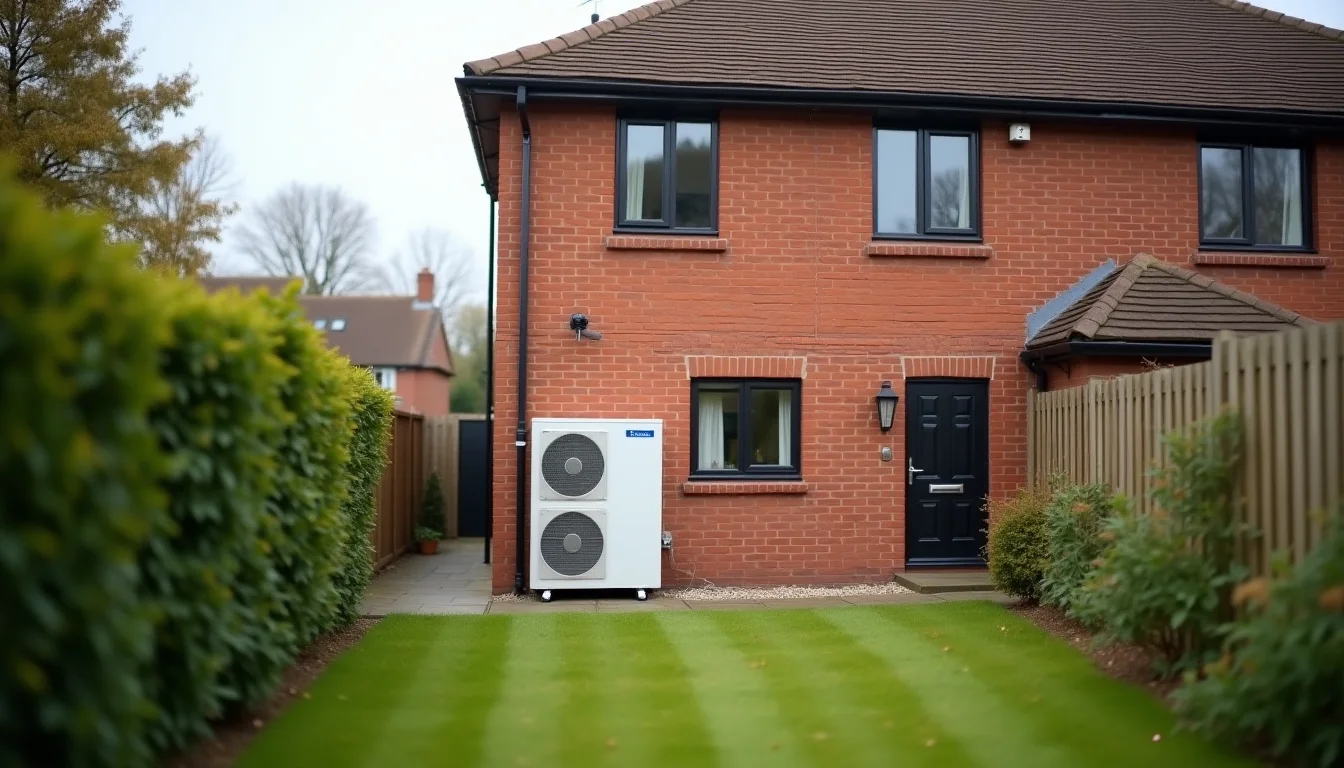
Yes, heat pumps are suitable for a 1930s semi-detached house, and thousands across the UK are already running them successfully. The key is preparation: most 1930s semis need some insulation upgrades and possibly a few radiator swaps before installation. Get those bits right and a heat pump will heat your home comfortably, cut your carbon footprint, and qualify you for the £7,500 Boiler Upgrade Scheme grant.
Why Do People Think 1930s Semis Can't Have Heat Pumps?
This is one of the most persistent myths in UK home heating. The worry is straightforward: 1930s houses have solid walls, single-glazed windows, and draughty floors, so surely they leak too much heat for a heat pump to cope?
There's a grain of truth in there. Heat pumps work most efficiently in well-insulated homes because they produce heat at lower flow temperatures than a gas boiler. A house that loses heat quickly demands more energy, which pushes up running costs.
But "most efficiently" doesn't mean "only works in". A 1930s semi isn't a barn. Most have had some improvements over the decades, whether that's double glazing, loft insulation, or draught-proofing. And for the gaps that remain, there are practical upgrades that bring the house up to scratch without gutting it.
How to Assess Your 1930s Semi for a Heat Pump
Before you get quotes, it's worth doing a quick self-assessment. Walk through this checklist and you'll have a decent picture of where your house stands.
Walls: Most 1930s semis have solid 9-inch brick walls. Check whether yours are solid or cavity by looking at the brick pattern. If you see alternating long and short bricks (a Flemish bond), they're almost certainly solid. Some 1930s properties do have early cavity walls, so don't assume the worst.
Loft insulation: Pull down the loft hatch and measure what's up there. Current Building Regulations recommend 270mm of mineral wool. If you've got less than 200mm, topping it up is cheap and makes a noticeable difference.
Windows: If you've already got double glazing, you're in decent shape. If some or all windows are still single-glazed, factor in replacement costs. Secondary glazing is a cheaper alternative that still helps.
Floors: Suspended timber floors are common in 1930s semis. They can be insulated from below if you have access, or from above when replacing floor coverings. Ground floors at the rear extension (if you have one) are often solid concrete, which loses less heat.
An MCS certified installer will carry out a proper heat loss calculation before sizing your system. But knowing your starting point means you can have a much more informed conversation.
What Insulation Upgrades Make the Biggest Difference?
Not all upgrades cost the same, and not all deliver equal returns. Here's a rough priority order for a typical 1930s semi.
Loft insulation is the obvious starting point. If you're below 270mm, topping up costs around £300 to £500 and can reduce heat loss through the roof by up to 25%. There's really no reason not to do this.
Draught-proofing around doors, windows, letterboxes, and floorboards is another quick win. Budget around £200 to £400 for a professional job. It won't transform your EPC rating, but it stops cold air streaming in and makes the house feel warmer at lower temperatures.
Solid wall insulation is the big one. Internal wall insulation (IWI) costs roughly £5,000 to £9,000 for a semi, depending on the rooms you treat. External wall insulation (EWI) tends to run £8,000 to £15,000. Frankly, not everyone needs to do the whole house. Insulating just the main living areas and bedrooms can be enough to bring heat loss down to manageable levels.
Here's something many people don't realise: you don't necessarily need to insulate every wall before installing a heat pump. A good installer will size the system to match your home's actual heat loss. If you plan insulation work for later, they can factor that in too.
Do You Need to Replace All Your Radiators?
Probably not all of them. But some, yes.
Heat pumps typically run at flow temperatures of 35 to 45°C, compared to 60 to 75°C for a gas boiler. At those lower temperatures, your existing radiators emit less heat. The question is whether they emit enough.
In many rooms, especially smaller bedrooms and kitchens, the existing radiators are oversized for the space because that's just how things were done in the past. Those rooms might be fine as they are.
The rooms that usually need attention are the lounge and any large open-plan areas. A typical approach is to swap single-panel radiators for double-panel convector radiators, which have roughly twice the output at lower temperatures. Budget around £150 to £300 per radiator including fitting.
Some homeowners add underfloor heating to ground-floor extensions or kitchens during renovation work, which pairs brilliantly with a heat pump. But it's an addition, not a requirement.
A Real-World Example: The Wilsons' 1930s Semi in Leeds
Consider a couple in a three-bedroom 1930s semi in Leeds. Their house had the original solid walls, double-glazed windows fitted in 2005, and 150mm of loft insulation. Their EPC rating sat at D.
Before installation, they topped up the loft insulation to 270mm (£400), added internal wall insulation to the lounge and two bedrooms (£6,200), and draught-proofed the front door and bay windows (£250). They swapped four radiators for larger double-panel models (£900).
Their MCS installer fitted a 9kW air source heat pump at a total cost of £13,500, minus the £7,500 BUS grant, leaving them with £6,000 to pay. Including the insulation and radiator work, their total outlay was around £13,750.
Their annual heating bill on the old gas boiler was roughly £1,400. With the heat pump running on a time-of-use electricity tariff at around 20p/kWh off-peak, their heating costs dropped to about £900 a year. That's a saving of £500 annually, with a much warmer and more comfortable house.
How to Claim the £7,500 Boiler Upgrade Scheme Grant for Your 1930s Semi
The Boiler Upgrade Scheme (BUS) is still available in 2026 and offers £7,500 off the cost of an air source or ground source heat pump. Your installer applies on your behalf, so the grant is deducted from your quote before you pay.
To qualify, your property needs to be an existing home (not new build) in England or Wales with a valid EPC. You don't need a specific EPC rating to be eligible, but the EPC must have been issued and must not have expired. If yours is more than ten years old, you'll need a new one, which costs around £60 to £80.
The installer must be MCS certified. This is non-negotiable for the grant, and it's also your best assurance of quality work. MCS certification means the installer follows industry standards for system design, installation, and commissioning.
One thing to watch: the BUS budget gets allocated on a first-come, first-served basis each financial year. Demand has been growing steadily, so don't sit on a decision for months if you're keen. Get quotes lined up, pick your installer, and let them submit the application.
"My House Is Too Old for a Heat Pump" and Other Common Worries
Let's tackle this head-on. Your 1930s semi isn't too old. There are heat pumps running happily in Victorian terraces, Georgian townhouses, and stone-built farmhouses across the UK. Age alone doesn't disqualify a property.
The real question is heat loss, and that's something you can measure and address. Every house, no matter when it was built, has a specific heat demand in kilowatts. A properly sized heat pump meets that demand. Full stop.
"But won't it struggle in cold weather?" Modern air source heat pumps work down to minus 20°C or lower. The UK rarely sees anything below minus 10°C, even in Scotland. Your heat pump won't break a sweat on a typical British winter day.
"What about the noise?" Current models are genuinely quiet. Most sit around 40 to 45 dB at one metre, which is comparable to a fridge. Your neighbours won't notice it.
"Will it heat my hot water properly?" Yes. Most air source heat pumps heat water to 50 to 55°C as standard. Some models go higher. You'll likely need a hot water cylinder if you don't already have one, but your installer will include that in the quote.
Frequently Asked Questions
Can you put a heat pump in a 1930s house?
Absolutely. A 1930s semi-detached house is a good candidate for a heat pump, especially with some insulation upgrades and appropriately sized radiators. Thousands of interwar homes in the UK are already heated by air source heat pumps. Your MCS installer will carry out a heat loss survey to confirm the right system size.
How much does a heat pump cost for a 1930s semi-detached?
A typical air source heat pump installation for a three-bedroom 1930s semi costs between £10,000 and £15,000 before the grant. After the £7,500 BUS grant, you're looking at roughly £3,000 to £7,500 out of pocket, depending on system size and any additional work like radiator upgrades or a new hot water cylinder.
Do I need to insulate my house before getting a heat pump?
You don't need to insulate everything, but basic improvements make a real difference. Topping up loft insulation and draught-proofing are cheap and effective first steps. Solid wall insulation helps too, though many homes manage well with partial insulation. Your installer will advise based on a heat loss calculation.
What size heat pump do I need for a 3 bed 1930s semi?
Most three-bedroom 1930s semis need a heat pump between 7kW and 12kW, depending on insulation levels and total floor area. A well-insulated property might only need 7 to 8kW, while one with uninsulated solid walls could need 10 to 12kW. Only a proper heat loss calculation gives you the right answer.
Are heat pumps worth it for older houses UK?
For most older houses, yes, especially with the £7,500 grant reducing the upfront cost. Running costs are typically lower than gas once insulation is improved and a time-of-use tariff is in place. You'll also future-proof your home against rising gas prices and potential regulations on fossil fuel heating.
Find a Local MCS Certified Installer
If you're serious about getting a heat pump for your 1930s semi, the next step is getting quotes from qualified installers who know these properties. Use our directory at heatpumpinstallerdirectory.co.uk to find MCS certified heat pump installers in your area. Every installer listed is certified, experienced, and ready to assess your home properly.
Ready to talk to an installer?
Compare the listed firms, then check current MCS status, service coverage and any grant registration directly. Contact routes are shown when a firm has published one.
Related guides
- How Does a Heat Pump Work in Winter? A Practical Guide
Step-by-step explanation of how heat pumps extract warmth in freezing UK winters, including defrost cycles, backup heating, and tips to keep efficiency high.
- Do Heat Pumps Work With Existing Radiators?
Can you keep your existing radiators with a heat pump? Learn which radiators work, which need upgrading, and how flow temperature affects your heating system.
- Do Heat Pumps Work in Cold Weather in the UK?
Worried your heat pump won't cope with a UK winter? Here's how modern systems perform at sub-zero temperatures, plus practical tips to keep efficiency high.