
Are Heat Pumps Worth It Financially? A Full UK Cost Breakdown for 2026
We crunch the real numbers on heat pumps vs gas boilers in 2026. Upfront costs, running bills, the £7,500 grant and honest payback timelines revealed.

Written by Heat Pump Buddy
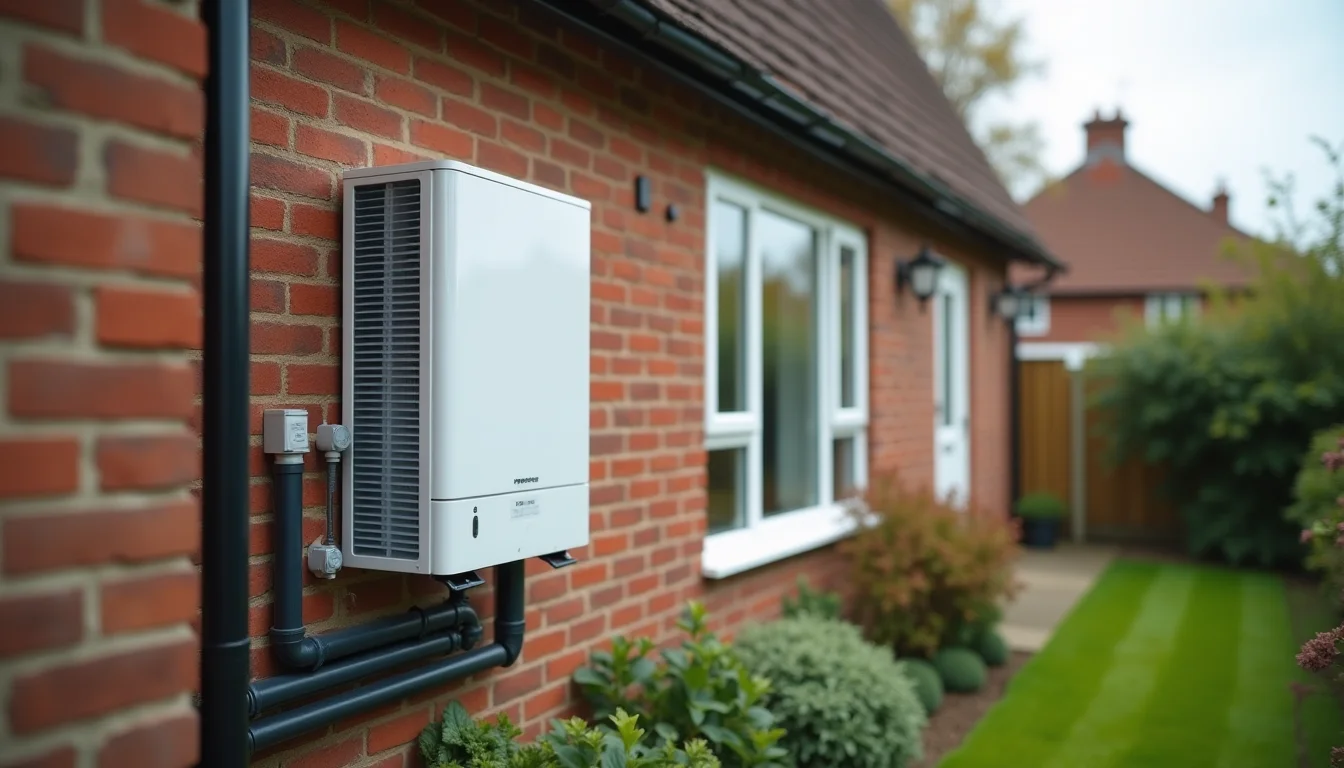
For most UK homeowners in 2026, a heat pump is worth it financially once you factor in the £7,500 BUS grant, but the maths depends heavily on what you're replacing, how well insulated your home is, and whether you're on mains gas. A typical three-bed semi switching from an ageing gas boiler can expect to break even within 8 to 12 years, with total lifetime savings over 20 years running into the thousands. If you're replacing oil, LPG, or electric heating, the numbers look even better.
What Does a Heat Pump Actually Cost to Install in 2026?
Let's start with the figure everyone wants to know. A typical air source heat pump installation in the UK costs between £10,000 and £15,000 before the grant. That range covers the unit itself, a hot water cylinder, any radiator upgrades, pipework modifications, and labour.
Ground source systems cost more, usually £18,000 to £30,000, because of the groundwork involved. Most homeowners go for air source, so that's what we'll focus on here.
After the £7,500 Boiler Upgrade Scheme grant, you're looking at a net cost of roughly £2,500 to £7,500 for an air source system. That's a big range, and the final number depends on the size of your property, the complexity of the install, and whether your existing radiators and pipework need changing.
How Do Running Costs Compare: Heat Pump vs Gas Boiler?
This is where the debate gets interesting. A modern gas boiler runs at about 90% efficiency. A decent air source heat pump delivers a Coefficient of Performance (COP) of around 3.0 to 3.5 in real-world UK conditions, meaning for every 1 kWh of electricity it uses, it produces 3 to 3.5 kWh of heat.
As of mid-2026, the Ofgem energy price cap sets electricity at roughly 24.5p per kWh and gas at around 6.8p per kWh. Those are the numbers that matter.
For a house using 12,000 kWh of heat per year (a reasonable figure for a three-bed semi), here's how the annual heating costs roughly stack up:
- Gas boiler (90% efficiency): 13,333 kWh of gas needed. At 6.8p/kWh = about £907 per year.
- Heat pump (COP of 3.2): 3,750 kWh of electricity needed. At 24.5p/kWh = about £919 per year.
Frankly, on current tariff rates and mains gas, the running costs are almost identical. That surprises a lot of people. But there are two things that shift the balance.
First, gas prices are expected to rise faster than electricity prices over the coming decade as the UK phases out fossil fuels. The Climate Change Committee's projections consistently point in that direction. Second, if you pair your heat pump with a time-of-use tariff like Octopus Agile or Intelligent Octopus Go, you can slash that electricity cost significantly by heating your home during off-peak hours. Some homeowners report effective rates of 7 to 10p per kWh overnight.
On an overnight tariff at 8p/kWh, that same heat pump costs roughly £300 per year to run. That's a saving of over £600 compared to the gas boiler.
Are Heat Pumps Worth It If You're Replacing Oil or LPG?
Absolutely. This is where the financial case is strongest. Heating oil prices fluctuate wildly, but the average in 2026 sits around 55 to 65p per litre, which works out at roughly 6 to 7p per kWh. An oil boiler running at 85% efficiency means you need more fuel per unit of heat.
For that same 12,000 kWh house on oil, annual heating costs run to about £1,000 to £1,200. LPG is even pricier, often £1,300 or more per year.
Switch to a heat pump on a standard electricity tariff and you're looking at roughly £919. On an off-peak tariff, you're down to £300 or so. And you're rid of the hassle of fuel deliveries, the smell, and the worry about tank maintenance.
For off-gas-grid homes, the payback period after the BUS grant can be as short as 4 to 7 years. That's genuinely good value.
How the £7,500 Boiler Upgrade Scheme Grant Changes the Maths
The Boiler Upgrade Scheme (BUS) offers a £7,500 grant towards the cost of an air source or ground source heat pump. It's available in England and Wales, and as of 2026, it's still running with confirmed funding.
To qualify, you need a few things. Your property must have an EPC (Energy Performance Certificate) with no outstanding recommendations for loft or cavity wall insulation, or you'll need to address those first. The installer must be MCS certified, which is non-negotiable. And the grant is applied at the point of installation, so you never have to pay the full amount upfront.
Here's a real example. Sarah, a homeowner in Warwickshire, had a 12kW air source heat pump installed in her 1990s detached house in early 2026. The total quoted cost was £11,800. After the BUS grant, she paid £4,300. Her old gas boiler was costing her about £1,050 per year in gas. She switched to Octopus Intelligent Go and her annual heating cost dropped to around £340. That's a saving of roughly £710 per year, giving her a payback period of just over 6 years.
Not every installation will look like Sarah's. But it shows what's possible with the right setup.
What About Home Insulation? Does It Make or Break the Case?
This is the single biggest factor that determines whether a heat pump will be worth it for your home. Heat pumps work best at low flow temperatures, typically 35 to 45°C compared to a gas boiler's 60 to 70°C. If your home leaks heat like a sieve, the system has to work harder and your electricity bills go up.
A well-insulated home with double glazing, 270mm loft insulation, and filled cavity walls will get the best results. A draughty Victorian terrace with solid walls and single glazing? The heat pump will still work, but running costs will be higher, and you might need larger radiators throughout.
Does that mean you shouldn't bother? No. But it does mean you should think of insulation as part of the investment. Spending £1,500 on loft and draught-proofing before the heat pump goes in can cut your heating demand by 20% or more, which directly reduces what you spend on electricity.
Any decent MCS installer will do a heat loss calculation before quoting. If they don't, walk away.
"I'm Worried a Heat Pump Won't Keep My House Warm Enough"
This is the most common concern we hear, and it's completely understandable. You're being asked to spend thousands of pounds on a technology that runs at lower temperatures than the boiler you're used to.
Here's the truth: a properly designed and installed heat pump will keep your house warm. The key word is "properly." That means correct sizing based on a room-by-room heat loss survey, the right radiators or underfloor heating, and sensible controls.
Problems tend to happen when systems are undersized, when installers skip the heat loss calculation, or when radiators are too small for the lower flow temperatures. This is why choosing an MCS certified installer with genuine heat pump experience matters so much. A gas boiler is fairly forgiving of a sloppy install. A heat pump is not.
The Electrification of Heat Demonstration Project, which monitored over 750 UK heat pump installations, found that well-installed systems achieved average indoor temperatures of 19 to 21°C even during cold spells. That's perfectly comfortable.
Frequently Asked Questions
How much does a heat pump cost after the grant in 2026?
After the £7,500 BUS grant, most air source heat pump installations cost between £2,500 and £7,500. The exact figure depends on the size of your home, the system chosen, and whether any radiator upgrades are needed.
Are heat pumps cheaper to run than gas boilers?
On standard electricity tariffs, heat pump running costs are roughly similar to a gas boiler for a well-insulated home. On off-peak or time-of-use tariffs, heat pumps can be significantly cheaper, with some homeowners paying under £350 per year for heating.
How long does it take for a heat pump to pay for itself UK?
For homes on mains gas, the typical payback period is 8 to 12 years after the BUS grant, depending on insulation levels and electricity tariff. For homes on oil or LPG, payback can be as short as 4 to 7 years.
Do heat pumps work in older UK houses?
Yes, but older homes often need insulation upgrades and possibly larger radiators to get the best results. A proper heat loss survey before installation is essential. Many Victorian and Edwardian homes across the UK are running heat pumps successfully.
Is the boiler upgrade scheme grant still available in 2026?
Yes, the Boiler Upgrade Scheme is still available in 2026 with confirmed government funding. It provides a £7,500 grant towards air source and ground source heat pump installations in England and Wales. Your installer must be MCS certified to apply.
If you're weighing up the numbers and thinking a heat pump could make sense for your home, the next step is getting quotes from qualified installers who actually know what they're doing. Use our free directory at heatpumpinstallerdirectory.co.uk to find MCS certified heat pump installers in your area. They can carry out a proper survey, give you an accurate quote including the BUS grant, and help you understand exactly what the costs and savings will look like for your specific property.
Ready to talk to an installer?
Compare the listed firms, then check current MCS status, service coverage and any grant registration directly. Contact routes are shown when a firm has published one.
Related guides
- What Size Heat Pump Do I Need? Sizing & Cost Guide
Find out what size heat pump your home needs in kW, how sizing is calculated from heat loss, and what each size costs installed in 2026 with the £7,500 grant.
- How Long Until a Heat Pump Pays for Itself in the UK?
How many years before a heat pump pays for itself? We break down real payback periods for gas, oil, and LPG homes with 2026 costs, grants, and energy prices.
- Air Source Heat Pump Installation Cost UK 2026 — Full Breakdown
What does an air source heat pump really cost in 2026? We break down unit prices, labour, extras, running costs and grants so you can budget properly.