
Average Heat Pump Installation Cost by House Type in the UK (2026)
What does a heat pump really cost for YOUR house type? We break down 2026 prices for flats, terraced, semi-detached, detached homes and bungalows.

Written by Heat Pump Buddy
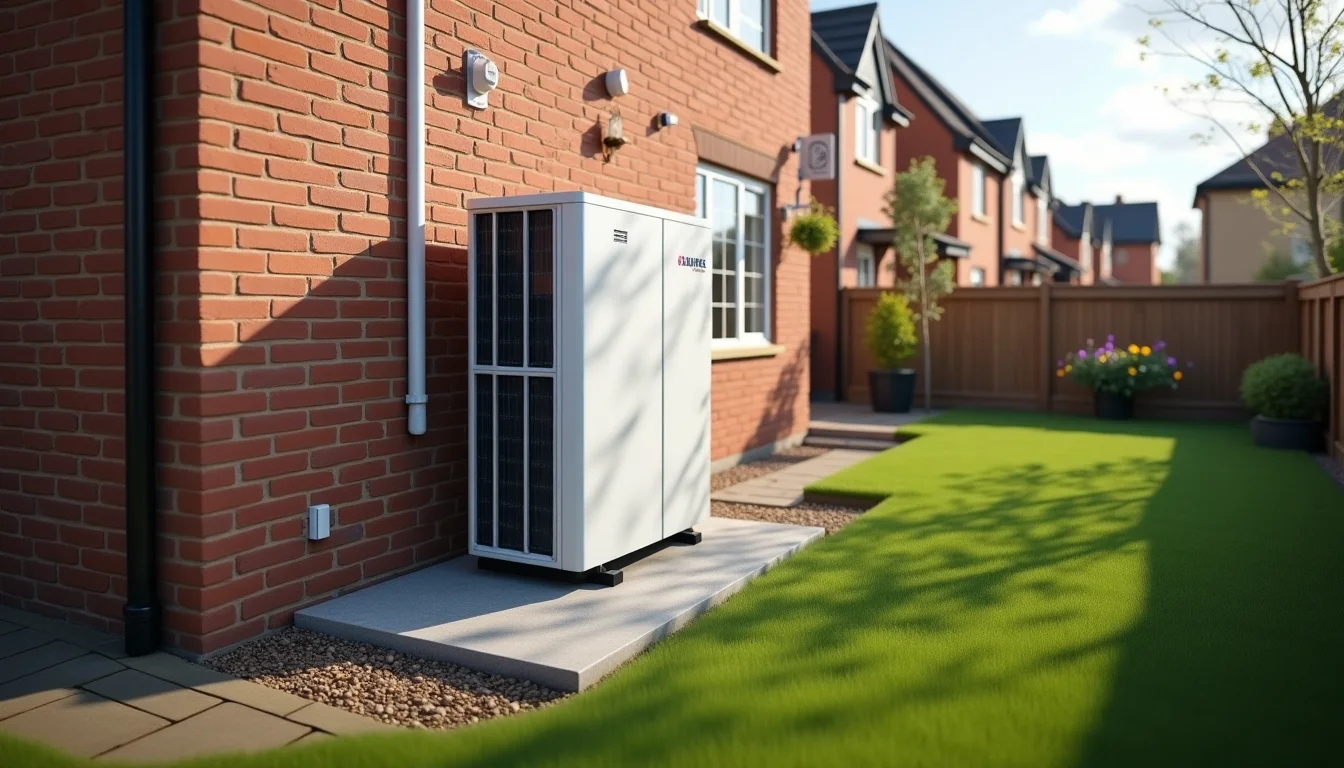
The average heat pump installation cost in the UK in 2026 ranges from around £7,000 for a small flat to £18,000 or more for a large detached house, before the £7,500 BUS grant is applied. Your specific house type is the single biggest factor affecting your final price. Below, we break down real-world costs for every common UK property type so you know what to expect before picking up the phone.
Why Does Heat Pump Installation Cost Vary So Much by House Type?
It comes down to heat demand. A two-bed mid-terrace with party walls on both sides loses far less heat than a four-bed detached sitting exposed on all sides. That means a terrace needs a smaller heat pump, less pipework, and often fewer radiator upgrades.
The size of the heat pump itself is a major cost driver. A 5kW unit for a well-insulated flat might cost £3,000 to £4,000 for the equipment alone, while a 12kW or 16kW system for a draughty detached house could be £6,000 to £9,000 before any labour or ancillary work.
Then there's the practical stuff. Can the installer get the outdoor unit round the back without a crane? Is there space for a hot water cylinder? Does your electrical supply need upgrading from single-phase? These things add up, and they vary hugely by house type.
Average Heat Pump Installation Cost for Flats and Apartments
Flats are the cheapest property type to fit with an air source heat pump, but they come with their own headaches. Expect to pay between £7,000 and £10,000 before the grant for a one or two-bedroom flat.
The main issue is where to put the outdoor unit. If you're in a ground-floor flat with a small patio or garden, it's straightforward. Upper-floor flats often need freeholder permission, and sometimes a wall-mounted bracket, which adds cost and planning complications.
If you're a leaseholder, check your lease terms before you get too far down this road. Some management companies won't allow external units at all. Honestly, this is the biggest barrier for flat owners, not the price.
What Does a Heat Pump Cost for a Terraced House?
Mid-terrace homes are the sweet spot for heat pumps. Shared walls mean lower heat loss, which means a smaller, cheaper system. Budget between £8,000 and £12,000 before the grant for a typical two or three-bed terrace.
End-terraces cost a bit more because they have one exposed side wall. You might need a slightly larger unit, and potentially an extra radiator or two. Add roughly £500 to £1,500 for an end-terrace compared to a mid-terrace.
One thing to watch in terraced streets is noise. The outdoor unit needs to be placed carefully so it doesn't sit right against your neighbour's bedroom window. A good installer will plan this with you during the survey.
Semi-Detached House Heat Pump Installation Cost
Semi-detached homes are the most common house type in the UK, so this is the price bracket that applies to millions of households. For a typical three-bed semi, you're looking at £10,000 to £14,000 before the grant.
Most semis built between the 1930s and 1970s have cavity walls, which is good news because they're usually already insulated or cheap to insulate. If your cavity walls aren't insulated yet, get that done first. It'll shrink the size of heat pump you need and save you money on the install.
Let's put a real example on this. Take a 1960s three-bed semi in Leeds with cavity wall insulation, double glazing, and 200mm of loft insulation. A typical quote might look like this: 8kW air source heat pump at £5,500, hot water cylinder at £1,200, radiator upgrades at £1,800, labour and ancillaries at £3,500, totalling around £12,000. Subtract the £7,500 BUS grant and you're paying £4,500 out of pocket. That's less than a new gas boiler with installation in many cases.
How Much Does It Cost to Install a Heat Pump in a Detached House?
Detached houses are the most expensive to kit out because they lose heat from all four walls, plus the roof and floor. Prices typically range from £12,000 to £18,000 before the grant, and can go higher for larger properties or those with poor insulation.
A four or five-bed detached home will usually need a 12kW to 16kW system. At the top end, you might need a larger hot water cylinder (250 litres or more), significant radiator upgrades, and possibly underfloor heating on the ground floor if you're doing a renovation anyway.
The good news? Detached homes almost always have plenty of outdoor space for the unit, and planning permission is rarely a problem because permitted development rules are generous for heat pumps on detached properties.
If your detached home has solid walls, the picture changes again. Solid wall insulation (internal or external) can cost £5,000 to £15,000 on its own, but without it, you'll need an oversized heat pump that costs more to buy and more to run. Do the insulation first if you possibly can.
Bungalow Heat Pump Installation Cost
Bungalows are interesting because they have a large roof area relative to their floor space, which means proportionally higher heat loss. A two-bed bungalow will typically cost £9,000 to £13,000 for a heat pump installation before the grant.
The flip side is that bungalows are perfect candidates for underfloor heating if you're already replacing floors, since there are no upper storeys to worry about. And the outdoor unit placement is usually dead simple with garden access on at least two sides.
One common issue with bungalows is finding space for the hot water cylinder inside. If your existing boiler is a combi and you've no airing cupboard, the installer will need to find a spot for a cylinder. A utility room, garage, or even a purpose-built cupboard can work.
How the £7,500 BUS Grant Reduces Your Heat Pump Cost
The Boiler Upgrade Scheme (BUS) provides a £7,500 grant towards the cost of an air source heat pump, or £7,500 for a ground source system. It's available in England and Wales, and as of April 2026, the scheme is still open and accepting applications.
You don't apply for the grant yourself. Your MCS certified installer applies on your behalf once you've accepted their quote. The grant is deducted from the invoice, so you never have to find the full amount upfront.
To qualify, your property needs a valid EPC (Energy Performance Certificate), and the loft and cavity walls should already be insulated to a reasonable standard. Your installer will confirm eligibility during the survey. The grant makes a massive difference to the economics. On that Leeds semi example above, it turns a £12,000 job into a £4,500 one.
One important detail: only MCS certified installers can apply for the BUS grant. If someone offers to fit a heat pump but isn't MCS registered, you won't get the £7,500. Always check.
"Is a Heat Pump Actually Worth It for My House?"
This is the question behind the question, isn't it? You can look at costs all day, but what you really want to know is whether you'll save money in the long run.
Here's the honest answer: it depends on what you're replacing. If you're coming off an old G-rated gas boiler, a heat pump will likely cut your energy bills. If you're replacing a relatively modern A-rated gas boiler, the savings are smaller and the payback period is longer. Where heat pumps really shine financially is when they replace oil, LPG, electric storage heaters, or other off-gas-grid heating. The savings can be £500 to £1,000 a year in those cases.
Running costs in 2026 depend on your electricity tariff. With a standard variable tariff around 24.5p per kWh and gas at roughly 6.4p per kWh, a heat pump needs to be at least three times more efficient than a gas boiler to break even on fuel cost. Most modern heat pumps achieve a seasonal COP (coefficient of performance) of 3.0 to 4.0, so they're right on the line or better.
And there's value beyond monthly bills. Heat pumps add to your property's EPC rating, which can increase your home's value. They also protect you from future gas price spikes and potential gas boiler phase-outs that the government is pushing towards.
Frequently Asked Questions
How much does a heat pump cost for a 3 bed semi UK?
A three-bed semi-detached house in the UK typically costs between £10,000 and £14,000 for an air source heat pump installation. After the £7,500 BUS grant, you'd pay around £2,500 to £6,500 out of pocket. The exact price depends on your insulation levels, existing radiators, and chosen system.
Can you get a heat pump in a flat?
Yes, you can install a heat pump in a flat, though there are practical hurdles. Ground-floor flats with garden access are the easiest. Upper-floor flats need freeholder permission for the outdoor unit, and some leases restrict external alterations.
What size heat pump do I need for a 4 bed detached house?
A four-bed detached house usually needs a heat pump between 10kW and 16kW, depending on insulation levels and total heat loss. Your installer will carry out a full room-by-room heat loss calculation during the survey to size the system correctly. Oversizing or undersizing both cause problems, so this survey step is essential.
Do I need to upgrade my radiators for a heat pump?
Not always, but often some radiators need upgrading. Heat pumps run at lower flow temperatures than gas boilers, so radiators need to be larger to deliver the same warmth. Your installer will check each room during the survey and only replace the ones that are too small.
Is a ground source heat pump cheaper to run than air source?
Ground source heat pumps are typically 10 to 20 percent more efficient than air source, so yes, running costs are slightly lower. But the installation cost is significantly higher, often £20,000 to £35,000 before the grant, because of the ground works involved. For most homes, air source offers the better return on investment.
Ready to find out exactly what a heat pump would cost for your home? Use our directory at heatpumpinstallerdirectory.co.uk to find MCS certified installers in your area. Get two or three quotes, compare them properly, and make sure whoever you choose can apply for the £7,500 BUS grant on your behalf.
Ready to talk to an installer?
Every firm in the directory is MCS-certified, with reviews and grant registration shown on its listing.
Related guides
- Air Source Heat Pump Installation Cost UK 2026 — Full Breakdown
What does an air source heat pump really cost in 2026? We break down unit prices, labour, extras, running costs and grants so you can budget properly.
- Heat Pump vs Boiler Replacement Cost: Which Is Cheaper in 2026?
Heat pump or new boiler in 2026? We compare upfront costs, the £7,500 BUS grant, running costs, and 10-15 year totals so you can make the right call.
- Heat Pump Electricity Tariffs UK 2026: Which Is the Cheapest for Running Your Heat Pump?
We compare every major heat pump electricity tariff in the UK for 2026, with real annual running costs. The difference between best and worst? Over £400 a year.