
Boiler Upgrade Scheme 2026 Update: New Grant Amounts, Eligibility Changes and How to Apply
The Boiler Upgrade Scheme has changed for 2026. Here's exactly what's new with grants, eligibility and air-to-air heat pumps, plus how to apply before budgets run out.

Written by Heat Pump Buddy
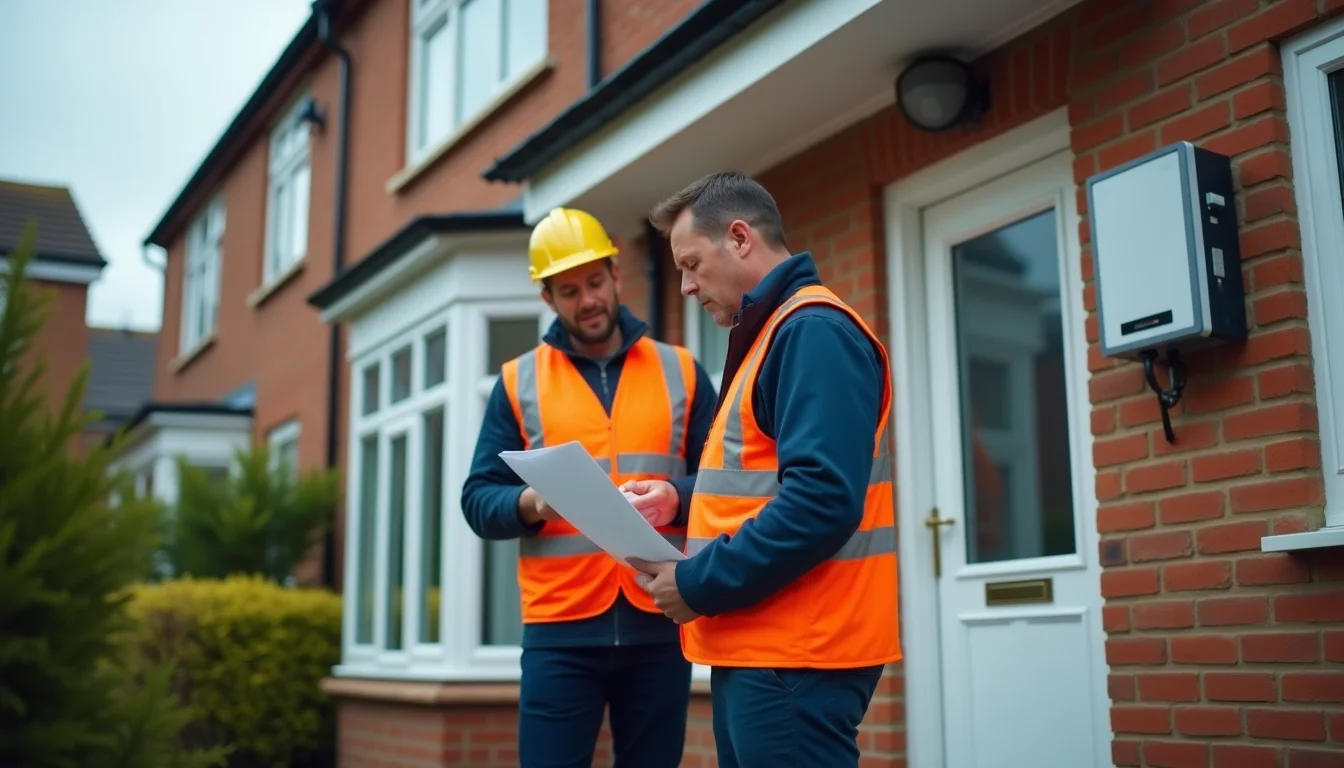
The Boiler Upgrade Scheme (BUS) grant has risen to £7,500 for air source and ground source heat pumps in 2026, and for the first time, air-to-air heat pumps are being brought into the fold with their own incentive. Eligibility rules have been widened too, opening the door for more homeowners, including some in flats and park homes. If you've been sitting on the fence about ditching your gas boiler, here's everything you need to know right now.
What's Actually Changed with the Boiler Upgrade Scheme in 2026?
The biggest headline is money. The BUS grant for air source heat pumps was bumped up from £5,000 to £7,500 back in late 2023, and that £7,500 figure is still in place for 2026. Ground source heat pumps also attract £7,500. The scheme is confirmed to run until at least March 2028, which gives homeowners a decent window to plan.
But the real news this year is the expansion. The government has confirmed that air-to-air heat pumps, which were previously excluded, will become eligible for a grant. The exact amount for air-to-air systems is expected to be lower than the full £7,500, with figures around £2,000 to £3,000 being widely discussed. This is a proper shift in policy and one that could make heat pumps accessible to a much larger group of people, especially those in smaller properties.
Eligibility has been loosened as well. Properties that previously fell outside the scheme, such as certain flats and park homes, are now being included. The requirement for an EPC has also been simplified, removing one of the frustrating hurdles that tripped up earlier applicants.
How Much Is the BUS Grant Worth in 2026 and What Does It Cover?
Let's put real numbers on this. The £7,500 BUS grant is deducted directly from your installation quote. You don't receive a cheque or a bank transfer. Your MCS certified installer applies for the voucher on your behalf, and the grant amount comes off the total cost.
A typical air source heat pump installation for a three-bedroom semi-detached house in 2026 costs between £10,000 and £14,000, depending on the system size, the brand, and how much pipework or radiator upgrading is needed. With the £7,500 grant applied, you're looking at an out-of-pocket cost of roughly £2,500 to £6,500. That's a genuine step change from a few years ago when the grant was only £5,000 and install costs were higher relative to demand.
For ground source heat pumps, total installation costs tend to sit between £15,000 and £25,000 because of the groundworks involved. The same £7,500 grant applies, so you'd be paying somewhere from £7,500 to £17,500 depending on your property and ground conditions.
One thing worth flagging: the grant doesn't cover associated costs like upgraded insulation or new radiators. But many installers will include radiator upgrades as part of the overall heat pump quote, meaning the grant effectively subsidises those too.
Who Is Eligible for the Boiler Upgrade Scheme in 2026?
You need to own the property. That includes owner-occupiers, landlords, and those with properties held in certain trusts. Tenants can't apply directly, but a landlord can apply for a property they rent out.
The property must be in England or Wales. Scotland and Northern Ireland have their own separate schemes. Your existing heating system needs to be a fossil fuel boiler or direct electric heating. If you already have a heat pump, you're not eligible for a second grant on the same property.
Here's where 2026 differs from earlier rounds. The strict EPC requirement has been relaxed. Previously, you needed a valid Energy Performance Certificate with no outstanding loft or cavity wall insulation recommendations. That condition caused headaches for thousands of applicants. Now, while an EPC is still part of the process, the rigid recommendation rules have been softened.
New-build homes remain excluded. The grant is designed to help retrofit existing properties, not subsidise developers.
And the expansion to flats is significant. If you live in a flat with its own individual heating system and the building consents to an external unit, you can now apply. This wasn't practically possible before.
Air-to-Air Heat Pumps: Why This Changes Things for Smaller Homes
Frankly, the inclusion of air-to-air systems is overdue. These units cost far less to install, typically between £3,000 and £7,000 for a whole-house system, and they work brilliantly in well-insulated smaller homes and flats.
The catch has always been that air-to-air heat pumps don't provide hot water. You'd still need an immersion heater, a separate hot water cylinder, or another solution for your taps and showers. That's why the grant amount is expected to be lower. But for a one-bedroom flat or a small terraced house where hot water demand is modest, an air-to-air system with a £2,000 to £3,000 grant could bring the net cost down to almost nothing.
Let's say you're in a two-bedroom flat in Bristol with electric panel heaters. Your annual heating bill is around £1,400. An air-to-air heat pump could cut that by 40% to 50%, saving you £560 to £700 a year. With a grant covering a big chunk of the install cost, payback could be as short as two to three years. That's a genuinely strong case.
The £7,500 BUS Grant: Step-by-Step Guide to Applying
The process is simpler than most people expect.
Step 1: Find an MCS certified heat pump installer. This is non-negotiable. Only MCS certified installers can apply for BUS vouchers. You can search by postcode on our directory at heatpumpinstallerdirectory.co.uk.
Step 2: Get a survey and a quote. A good installer will visit your property, assess your heating needs, check your insulation levels, and recommend the right system size. They should explain the quote line by line.
Step 3: Your installer applies for the BUS voucher through Ofgem's portal. This happens after you've accepted the quote but before installation begins. Ofgem aims to process applications within a few working days.
Step 4: Once the voucher is confirmed, installation goes ahead. The installer claims the £7,500 directly from Ofgem, and you only pay the remaining balance.
Step 5: After installation, your system is registered with MCS and you receive your warranty documentation.
The whole process from first enquiry to a working heat pump typically takes four to eight weeks, though popular installers can have longer lead times. Don't leave it until the last minute if you want to use the grant this financial year.
"I'm Worried Heat Pumps Won't Heat My Home Properly"
This is the single most common concern we hear. And it's understandable, because there's been a lot of misleading information floating around.
Here's the truth: a properly sized and correctly installed heat pump will keep your house warm. Full stop. The key word is "properly." Problems arise when systems are undersized, when installers skip the heat loss calculation, or when a home has no insulation at all and nobody addresses that first.
Modern air source heat pumps from manufacturers like Vaillant, Daikin, and Samsung work efficiently down to minus 15°C and below. In the vast majority of UK homes, with reasonable insulation and correctly sized radiators, a heat pump delivers the same comfort as a gas boiler. Many owners report their homes feel more evenly heated because the system runs for longer at a lower, steadier temperature rather than blasting on and off.
If your installer doesn't do a room-by-room heat loss survey before quoting, find a different installer. That survey is the foundation of a good installation. It determines the size of the heat pump, whether any radiators need upgrading, and what flow temperatures to set. Skipping it is the single biggest reason for underperforming systems.
Frequently Asked Questions
How do I apply for the boiler upgrade scheme grant in 2026?
You don't apply directly. Your MCS certified installer submits the BUS voucher application to Ofgem on your behalf after you've accepted a quote. The £7,500 is deducted from your installation cost, so you never handle the grant money yourself.
Can I get a heat pump grant if I live in a flat?
Yes, from 2026 flats are eligible for the BUS grant provided the property has its own individual heating system and the building allows an external heat pump unit to be fitted. You'll need freeholder or management company consent for any external works.
Is the boiler upgrade scheme still available or has the money run out?
The BUS is open and funded through to March 2028. Uptake has been increasing steadily, and while annual budgets exist, vouchers are still available in 2026. It's sensible to apply sooner rather than later because demand is growing and installer availability can tighten.
Do air-to-air heat pumps qualify for the BUS grant now?
Air-to-air heat pumps are being brought into the BUS in 2026. The grant amount is expected to be lower than the £7,500 available for air-to-water and ground source systems, with figures around £2,000 to £3,000 being discussed. Final details are being confirmed by the government.
How much does a heat pump cost after the £7,500 grant?
For a typical three-bedroom house, an air source heat pump costs £10,000 to £14,000 installed. After the £7,500 BUS grant, your out-of-pocket cost is roughly £2,500 to £6,500. Ground source systems cost more, usually £15,000 to £25,000 before the grant.
Ready to see what a heat pump would cost for your home after the £7,500 grant? Search your postcode on heatpumpinstallerdirectory.co.uk to find MCS certified installers in your area, get quotes, and start your BUS application today.