
Boiler Upgrade Scheme April 2026 Changes Explained: £9,000 Grants for Oil and LPG Homes, Air-to-Air Heat Pumps Now Eligible
The Boiler Upgrade Scheme changed on 28 April 2026. Oil and LPG homes now get £9,000 grants, air-to-air heat pumps qualify, and EPCs are scrapped. Here's what it means for you.

Written by Heat Pump Buddy
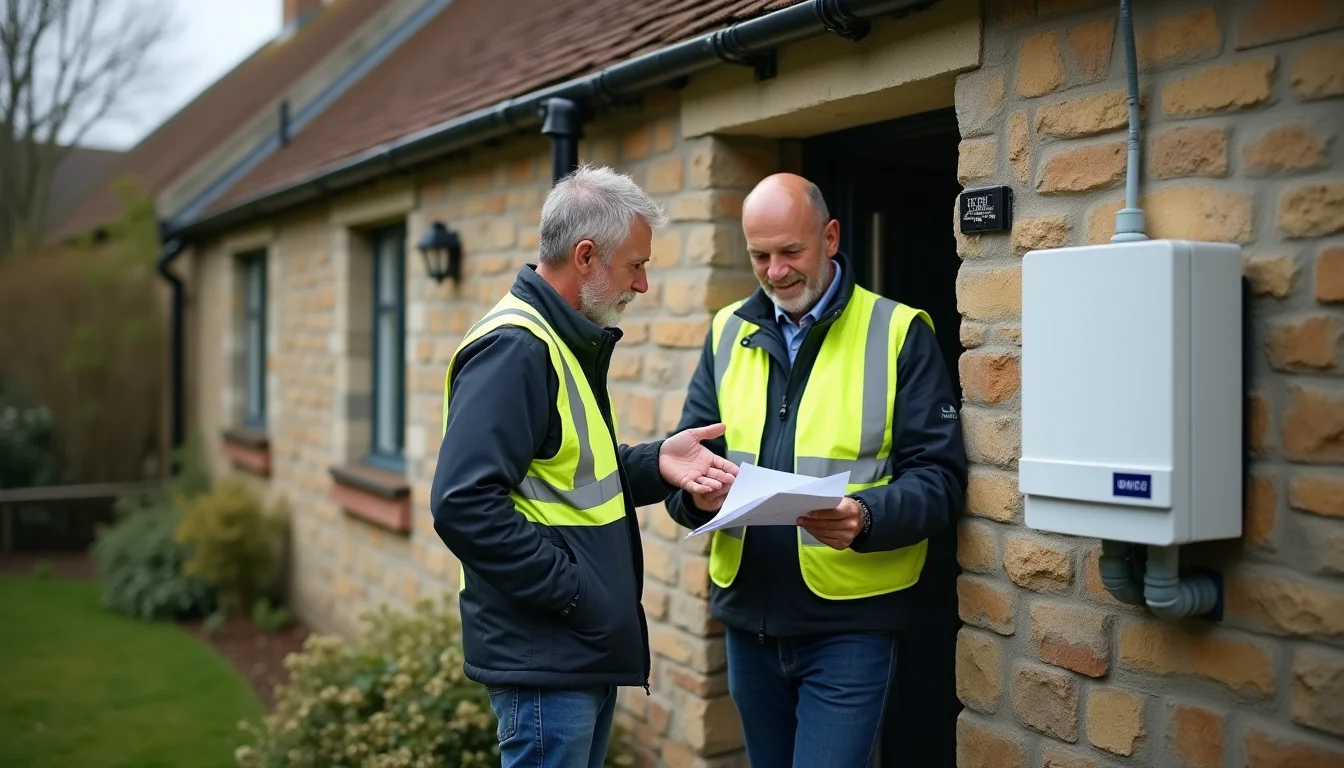
On 28 April 2026, the government overhauled the Boiler Upgrade Scheme with the biggest set of changes since it launched. If your home currently runs on oil or LPG, you can now claim a £9,000 grant towards a heat pump instead of the standard £7,500. Air-to-air heat pumps are eligible for the first time, and you no longer need an EPC before applying.
What exactly changed on 28 April 2026?
The changes are substantial, so let's break them down clearly.
Higher grant for off-gas homes. Households currently heated by oil or LPG boilers can now receive £9,000 towards a heat pump installation. That's £1,500 more than the standard grant. The government's reasoning is straightforward: homes off the gas grid face higher fuel costs and tend to be harder to decarbonise, so they need a bigger financial push.
Air-to-air heat pumps now qualify. Before 28 April, only air-to-water and ground source heat pumps were eligible. Air-to-air systems, which heat rooms directly without radiators or underfloor heating, are now covered. This opens the door for homes where a wet central heating retrofit would be impractical or too expensive.
No more EPC requirement. Previously, you needed a valid Energy Performance Certificate before your installer could apply for the grant. That requirement has been dropped entirely. You still benefit from having good insulation, but the bureaucratic hurdle of arranging and paying for an EPC assessment is gone.
Shared ground loops are eligible. For the first time, multiple properties can share a ground source heat pump loop and each claim individual grants. This is aimed at housing developments, terraces, and social housing projects.
Who gets the £9,000 grant and who gets £7,500?
The split is simple. If your home is currently heated by oil, LPG, or another off-gas-grid fuel, you qualify for the £9,000 grant. If you're on mains gas, you get the standard £7,500 grant towards an air source, ground source, or air-to-air heat pump.
Both amounts are paid directly to your MCS certified installer, who deducts it from your total bill. You never have to handle the money yourself or wait for a rebate.
Here's a real example. Say you live in a three-bedroom detached cottage in rural Devon, currently running a 20-year-old oil boiler. A typical air source heat pump installation might cost around £12,000 to £14,000. With the new £9,000 grant, you'd pay between £3,000 and £5,000 out of pocket. Compare that to the £4,500 to £6,500 you'd have paid under the old £7,500 rate. For a household already spending over £2,000 a year on heating oil, the payback period just got a lot shorter.
Why are air-to-air heat pumps now eligible?
Frankly, this was overdue. Air-to-air heat pumps have been widely used across Scandinavia and Japan for decades. They're typically cheaper to install than air-to-water systems because they don't need radiator upgrades, a hot water cylinder, or underfloor pipework. A single-room unit can cost as little as £2,000 to £3,000 installed, and a multi-split system covering a whole house might run to £8,000 to £10,000.
The catch? Air-to-air systems don't heat your hot water. You'll still need a separate solution for that, whether it's an immersion heater, a dedicated hot water heat pump, or a solar thermal setup.
But for homes that are hard to retrofit with wet heating, like older properties with solid walls and no space for pipework, air-to-air heat pumps offer a practical route to ditching fossil fuels. The grant makes them genuinely affordable.
One important detail: the air-to-air system must still be installed by an MCS certified installer to qualify for funding. Not every installer currently holds MCS certification for air-to-air, so you may need to check availability in your area.
The EPC requirement has been scrapped. Does insulation still matter?
Yes, absolutely. Removing the EPC requirement doesn't mean insulation is irrelevant. It means you won't be blocked from getting a grant just because you haven't arranged a certificate.
A well-insulated home will always get better performance from a heat pump. If your loft insulation is thin, your cavity walls are empty, or your windows are single-glazed, your heat pump will work harder and cost more to run. Any decent installer will flag these issues during a home survey and recommend improvements before fitting a system.
The difference is that a missing or outdated EPC won't stop you from applying anymore. Previously, some homeowners were stuck in a Catch-22 where they couldn't get an EPC appointment quickly enough, or the cost of the assessment on top of everything else felt like one expense too many.
So think of it this way: insulation is still important for your comfort and running costs, but it's no longer a gatekeeper for the grant.
How does the Boiler Upgrade Scheme £7,500 grant work in 2026?
The core mechanics of the BUS haven't changed. Your MCS certified installer surveys your property, recommends a suitable heat pump, and applies for the voucher on your behalf through Ofgem's system. If approved, the voucher is valid for three months, during which the installation needs to be completed.
The grant covers:
- £7,500 for homes on mains gas switching to any eligible heat pump
- £9,000 for homes on oil, LPG, or other off-gas-grid fuels
- £7,500 for biomass boilers in off-gas-grid rural homes (this hasn't changed)
The property must be an existing building. New builds don't qualify. And the system must be installed by an MCS certified installer. No exceptions.
The scheme is funded until March 2028, but uptake has been rising sharply. In the 2025/26 financial year, over 40,000 vouchers were issued according to Ofgem data. With the April 2026 changes making more homes eligible, demand is expected to increase further. If you're thinking about it, there's a practical argument for not leaving it too long.
"I'm worried the grant won't cover enough and I'll still pay thousands"
This is the single biggest concern we hear from homeowners, and it's a fair one. Even with a £7,500 or £9,000 grant, most installations will leave you with something to pay.
Here's the honest picture. A straightforward air source heat pump installation on a three-bed semi typically costs between £10,000 and £14,000 before the grant. After the grant, you're looking at roughly £2,500 to £6,500 out of pocket, depending on the complexity of the job, whether you need new radiators, and the size of the system.
Ground source installations cost more, often £18,000 to £28,000, so even after the grant you'll pay significantly more upfront. But ground source systems tend to have lower running costs and longer lifespans.
Air-to-air systems are the cheapest option. A multi-room setup after the grant could leave you paying as little as £500 to £3,000.
Several options can help with the remaining cost. Some local authorities offer additional top-up grants. Interest-free loans are available through certain green finance schemes. And if you're on a low income, you may qualify for separate funding through the Great British Insulation Scheme or ECO4.
The running cost savings matter too. The average UK household on mains gas currently pays around 6.8p per kWh. A well-installed heat pump with a coefficient of performance of 3.0 or above gives you effective heating costs of roughly 8p to 9p per kWh on the current electricity tariff. That's comparable to gas. For oil and LPG users paying significantly more per kWh, a heat pump will almost certainly cut your bills from day one.
Frequently asked questions
Can I get £9,000 from the Boiler Upgrade Scheme if I have an oil boiler?
Yes. Since 28 April 2026, homes currently heated by oil boilers qualify for the higher £9,000 grant. Your MCS certified installer will confirm your current heating fuel type as part of the application to Ofgem.
Are air-to-air heat pumps eligible for the BUS grant in 2026?
They are, as of 28 April 2026. Air-to-air heat pumps are now eligible for the full grant amount. The system must be installed by an MCS certified installer, and not all installers currently hold certification for air-to-air systems, so check locally.
Do I still need an EPC to apply for the Boiler Upgrade Scheme?
No. The EPC requirement was removed on 28 April 2026. You can apply for the grant without having a valid Energy Performance Certificate. Your installer will still assess your home's suitability during their survey.
How much do I have to pay after the heat pump grant?
It depends on the system and your home. For a typical air source heat pump installation costing £10,000 to £14,000, you'd pay roughly £2,500 to £6,500 after the £7,500 grant, or £1,000 to £5,000 after the £9,000 grant for oil and LPG homes. Air-to-air systems often leave you paying less.
How long does the Boiler Upgrade Scheme last?
The scheme is currently funded until March 2028. Once you receive a voucher, your installer has three months to complete the work. Given rising demand following the April 2026 changes, it's worth getting quotes sooner rather than later to secure an installation slot.
If you're ready to see what the new BUS grant means for your home, use our directory at heatpumpinstallerdirectory.co.uk to find MCS certified heat pump installers in your area. You can compare local companies, check their accreditations, and get the ball rolling with a free quote.