
Boiler Upgrade Scheme Changes April 2026: £9,000 Grants for Oil and LPG Homes Explained
The BUS grant just jumped to £9,000 for oil and LPG homes. Find out if you qualify under the new April 2026 rules and what else has changed.

Written by Heat Pump Buddy
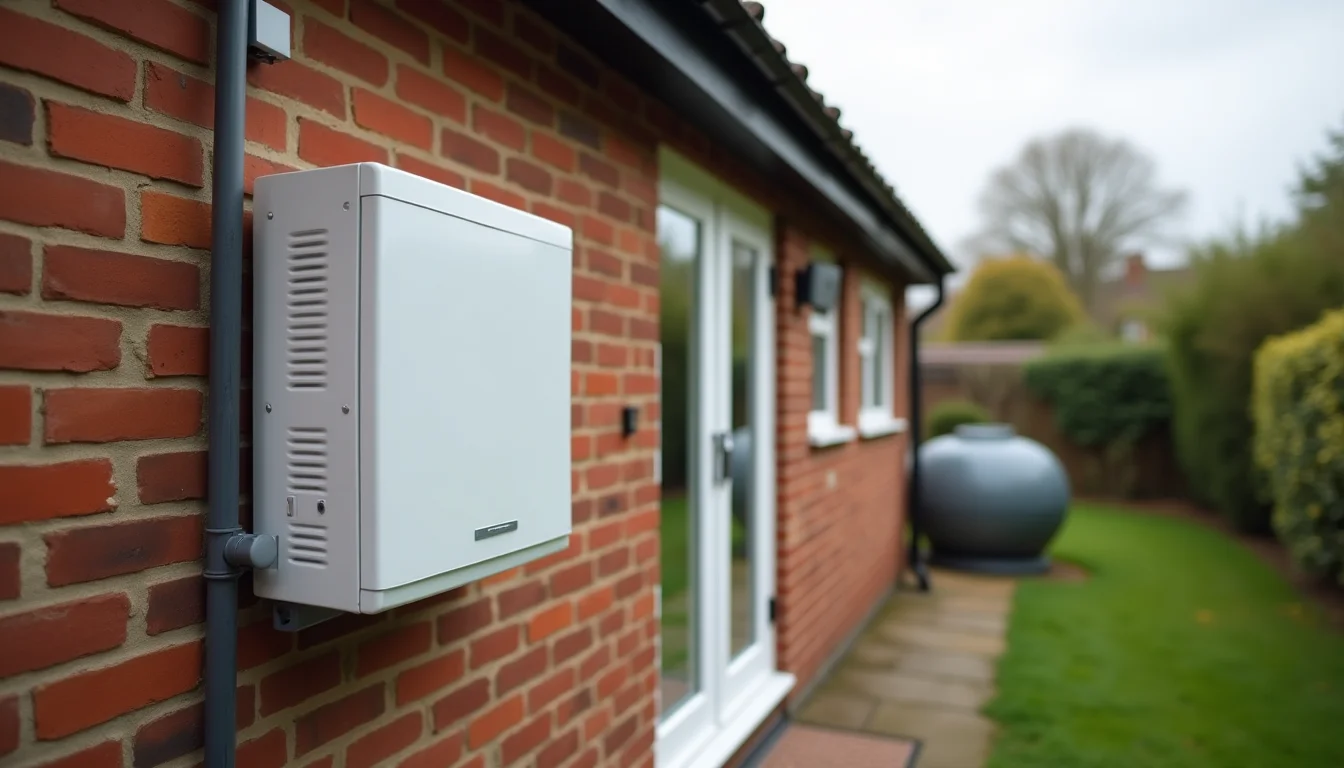
On 28 April 2026, the Boiler Upgrade Scheme changed significantly. If your home runs on oil or LPG and isn't connected to the gas grid, you can now claim up to £9,000 towards a heat pump installation. The EPC requirement has been scrapped entirely, air-to-air heat pumps are now eligible, and the rules around who qualifies have been loosened in several important ways.
What exactly changed with the Boiler Upgrade Scheme in April 2026?
The government rolled out a package of changes to the BUS on 28 April 2026, and they're worth understanding properly. Here's what's new:
The £9,000 grant for off-gas-grid homes. If you're currently heating with oil or LPG and you're not connected to the mains gas network, the grant has increased from £7,500 to £9,000. This is a big deal for rural homeowners who've been paying through the nose for heating oil, especially given that oil prices have stayed stubbornly high.
Air-to-air heat pumps are now included. Previously, only air-to-water and ground source heat pumps qualified. The scheme now covers air-to-air systems, which are typically cheaper to install and work well in certain property types.
The EPC requirement is gone. You no longer need a valid Energy Performance Certificate before applying. This was a real sticking point for many homeowners who either had an outdated EPC or didn't want to pay for a new one just to start the process.
New builds can now qualify. Self-build properties and new builds are eligible for the first time, provided they meet the other criteria.
Who qualifies for the £9,000 BUS grant?
The higher £9,000 figure is specifically for homes that are off the gas grid and currently use oil or LPG as their main heating fuel. You don't get to choose which grant level you receive. If you're on mains gas, the grant stays at £7,500.
To get the £9,000, your property needs to meet these conditions:
- It must not be connected to the gas grid
- Your existing heating system must be oil-fired or LPG
- The installation must be carried out by an MCS certified installer
- The property must be in England or Wales
Frankly, this change was overdue. Homes on oil and LPG tend to have higher heating costs than gas homes, and the economics of switching to a heat pump are often even more favourable. A typical oil-heated detached house in somewhere like rural Devon or mid-Wales might spend £2,500 to £3,000 a year on heating oil. A well-sized heat pump could cut that significantly.
How does the standard £7,500 BUS grant work now?
For homes on mains gas, the grant remains at £7,500 towards an air source or ground source heat pump. This hasn't changed. But the removal of the EPC requirement makes it easier to apply.
Here's how it works in practice. Your MCS certified installer surveys your property, designs the system, and applies for the voucher on your behalf through Ofgem. The grant is paid directly to the installer, so it comes off your bill. You never handle the money yourself.
The grant covers air-to-water heat pumps, air-to-air heat pumps (new for 2026), and ground source heat pumps. It does not cover hybrid systems that keep your gas boiler as a backup, and it doesn't cover hot water-only systems.
One thing to be aware of: the voucher is valid for 120 days from issue. Your installer needs to complete the work within that window. Most decent installers will manage this comfortably, but if you're booking during the busy autumn period, discuss timelines upfront.
What does air-to-air heat pump eligibility actually mean for homeowners?
This is one of the more interesting changes. Air-to-air heat pumps have been common in continental Europe for years, but they've been shut out of the BUS until now.
These systems heat your home by blowing warm air through wall-mounted units, similar to air conditioning in reverse. They don't provide hot water, so you'd still need a separate solution for that, like an immersion heater or a dedicated hot water heat pump.
They're cheaper to install than air-to-water systems. A typical air-to-air setup might cost between £5,000 and £10,000 depending on the number of rooms, compared to £10,000 to £15,000 for an air-to-water system before the grant. With the £7,500 grant, some homeowners could get an air-to-air system for very little out of pocket.
But they're not right for every home. If you've got a wet radiator system that works well, an air-to-water heat pump is usually the better fit. Air-to-air suits homes where you'd be replacing electric heating or where running new pipework would be impractical.
Will my home actually be suitable for a heat pump?
This is the question that stops most people in their tracks. And it's a fair one.
The honest answer is that most homes can have a heat pump installed, but some need preparation work first. Older properties with poor insulation will need the heat pump to work harder, which increases running costs. That doesn't mean it won't work. It means the savings might be smaller unless you also improve insulation.
Here's a real scenario. Take a 1970s three-bed semi in the Midlands with cavity wall insulation already done and a reasonably modern loft insulation job. That house is a strong candidate for an air-to-water heat pump. The installer would likely recommend larger radiators in a couple of rooms, which adds maybe £500 to £1,000 to the project. With the £7,500 grant, the total out-of-pocket cost might land around £4,000 to £6,000.
Now take a stone-walled cottage in North Yorkshire with no wall insulation and single-glazed windows. A heat pump will still work, but the running costs won't be as impressive until the building fabric is improved. A good installer will be upfront about this.
The key is getting a proper survey from an MCS certified installer who'll tell you straight whether the numbers add up for your specific property. Not every home is identical, and anyone who quotes you a price without visiting isn't someone you should trust.
Do I still need an EPC to apply for the Boiler Upgrade Scheme?
No. As of 28 April 2026, the EPC requirement has been removed entirely.
Previously, you needed a valid EPC with no outstanding recommendations for loft or cavity wall insulation. This tripped up a lot of people. Some had EPCs that were more than ten years old. Others had properties where cavity wall insulation wasn't actually appropriate but was still listed as a recommendation.
The removal of this rule is genuinely helpful. It cuts out a step that was costing homeowners £60 to £120 and sometimes weeks of delay. You can now go straight to getting quotes from installers without worrying about your EPC status.
That said, getting your home properly assessed is still a good idea. Not for the paperwork, but because understanding your home's thermal performance helps you and your installer design the right system.
Frequently Asked Questions
How much is the boiler upgrade scheme grant in 2026?
The grant is £7,500 for homes on mains gas switching to a heat pump. If your home is off the gas grid and currently heated by oil or LPG, the grant is £9,000 as of 28 April 2026. Both amounts are applied directly to your installation cost.
Can I get the £9,000 grant if I have a gas boiler?
No. The £9,000 grant is only for homes that are off the gas grid and currently use oil or LPG for heating. If you have a gas boiler, you're eligible for the £7,500 grant instead.
Do I need an EPC for the boiler upgrade scheme 2026?
No. The EPC requirement was removed on 28 April 2026. You no longer need a valid Energy Performance Certificate to apply for the BUS grant. Your MCS certified installer handles the application process without one.
Are air-to-air heat pumps covered by the boiler upgrade scheme?
Yes, as of April 2026. Air-to-air heat pumps are now eligible for the BUS grant. They qualify for the same grant amounts as air-to-water systems. Bear in mind they don't provide hot water, so you'll need a separate solution for that.
How long does it take to get a heat pump installed through the BUS?
From your first enquiry to a working heat pump, expect roughly 6 to 12 weeks. The installer needs to survey your home, design the system, apply for the voucher through Ofgem, and then schedule the installation. Busy periods in autumn and winter can push timelines out, so starting the process in spring or summer is sensible.
If you're thinking about making the switch, the best first step is getting quotes from MCS certified installers in your area. Use our free directory at heatpumpinstallerdirectory.co.uk to find vetted local installers who can survey your home, explain what the new grant rules mean for you specifically, and give you a clear price with the BUS discount already applied.