
Boiler Upgrade Scheme Changes April 2026: Air-to-Air Heat Pumps, £9,000 Grants and What Homeowners Need to Know
The BUS grant jumped to £9,000 and air-to-air heat pumps now qualify. Here's exactly what changed on 28 April 2026 and how UK homeowners can claim.

Written by Heat Pump Buddy
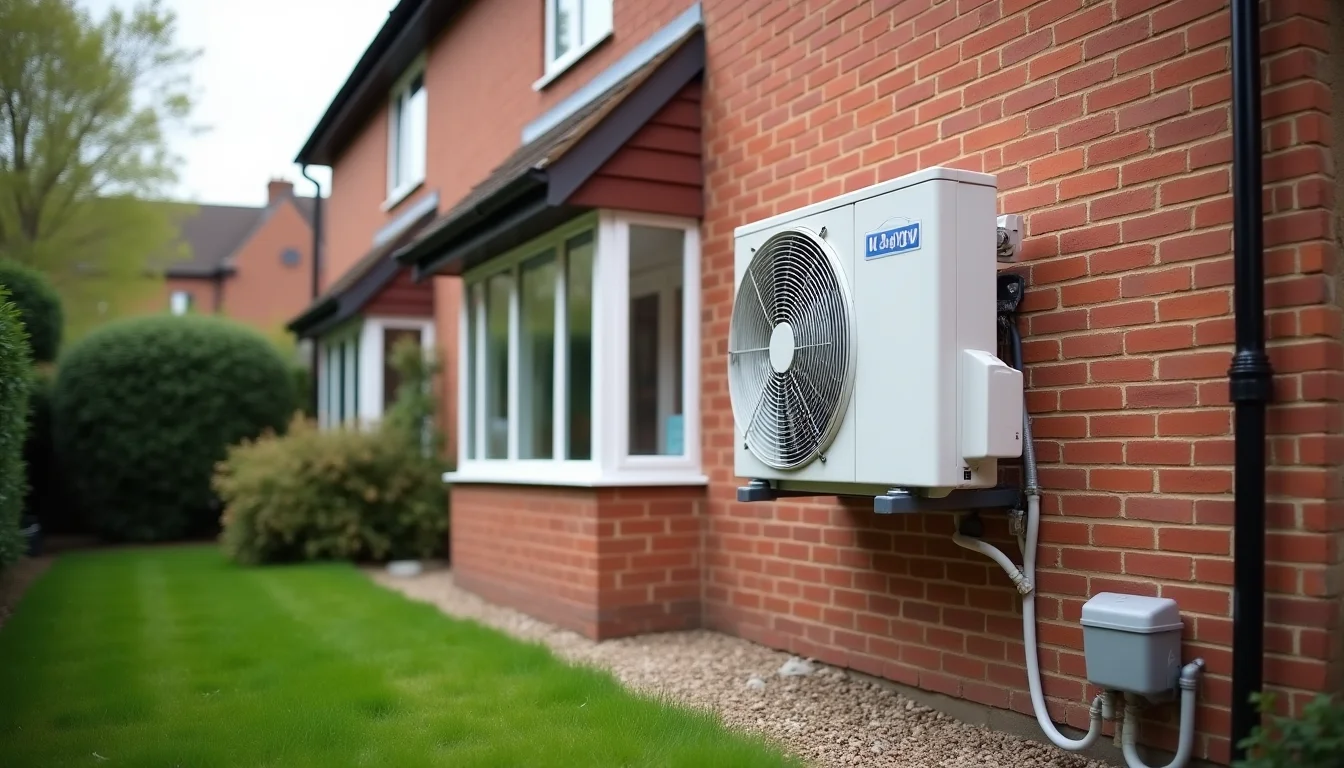
On 28 April 2026, the Boiler Upgrade Scheme got its biggest overhaul since it launched in 2022. The headline changes: the grant for air source heat pumps has risen from £7,500 to £9,000, air-to-air heat pumps are now eligible for the first time, and the old requirement to have a valid EPC has been scrapped entirely. If you've been sitting on the fence about replacing your gas boiler, these changes are worth understanding properly.
What exactly changed with the Boiler Upgrade Scheme on 28 April 2026?
The government announced a package of reforms designed to speed up heat pump adoption across England and Wales. Here's what's different as of 28 April 2026:
Grant amounts have increased. Air source heat pumps now attract a £9,000 grant, up from £7,500. Ground source heat pumps remain at £6,000. That £9,000 figure brings the upfront cost of a typical air source installation down to somewhere between £3,000 and £6,000 for most homes, depending on the system size and any additional work needed.
Air-to-air heat pumps are now eligible. This is the change that caught most people off guard. Previously, only air-to-water and ground source systems qualified. Air-to-air units, which heat your home by blowing warm air rather than using radiators or underfloor heating, were excluded. They're now included under the scheme, though they must still be installed by an MCS certified installer and meet specific efficiency criteria.
The EPC requirement has been removed. Before 28 April, you needed a valid Energy Performance Certificate to apply. That rule caused real headaches for homeowners, particularly those in older properties who had to pay £60 to £100 for a fresh EPC before they could even start the grant process. That barrier is gone.
The property value cap has been lifted. There used to be restrictions based on property value in certain circumstances. That's no longer a factor.
Why did the government increase the BUS grant to £9,000?
Frankly, because the old scheme wasn't moving fast enough. Government figures showed that uptake improved after the grant rose to £7,500 in late 2024, but installations were still well below the pace needed to meet the UK's 2035 clean heat targets. The bump to £9,000 is a direct response to homeowner feedback that heat pumps remained too expensive even with the previous grant.
There's also a political dimension. With the phase-out of new gas boiler installations approaching (no new gas boilers in new-build homes from 2025, and a wider consultation on existing homes ongoing), the government needed the BUS to look more attractive. A £9,000 grant is a much easier sell than £5,000 was back in 2022.
The inclusion of air-to-air systems is similarly practical. These units are cheaper to buy and install than air-to-water heat pumps, often costing between £5,000 and £10,000 before the grant. For some homes, particularly flats and smaller properties where wet central heating modifications would be disruptive, air-to-air is the more sensible option.
Air-to-air heat pumps and the BUS grant: what homeowners should know
Air-to-air heat pumps have been popular in continental Europe and Asia for years. They work like a reverse air conditioning unit, extracting heat from outside air and blowing it into your rooms. They don't heat water for your taps or radiators, which is why they were previously excluded from the scheme.
So what changed the government's thinking? Partly it's recognition that not every home suits a traditional wet heating system. A two-bedroom flat on the third floor of a 1970s block, for example, may struggle with the pipework modifications needed for an air-to-water system. An air-to-air unit can be installed with far less disruption.
There are some conditions. The system must provide heating as its primary function, not just cooling. It must be installed by an MCS certified installer, and the installer must register the installation through the MCS database as usual. You'll also still need a separate solution for hot water, whether that's an immersion heater, a dedicated hot water heat pump, or another approved method.
Honestly, if you're in a smaller property and your main concern is keeping heating bills down, air-to-air is worth a serious look. Running costs can be very low. A well-sized system in a two-bed flat might cost £400 to £600 a year to run at current electricity prices (roughly 24p per kWh as of June 2026).
How does the new £9,000 BUS grant work in practice?
The process hasn't changed dramatically. Your MCS certified installer still applies for the grant on your behalf. The money comes off the installation cost directly, so you never have to find the full amount upfront and wait for a refund.
Here's a realistic example. Say you live in a three-bedroom semi in Leeds with an ageing gas combi boiler. An installer quotes you £12,500 for a 10kW air source heat pump (air-to-water), including a new hot water cylinder, modifications to your radiator circuit, and all labour. With the £9,000 grant, you'd pay £3,500 out of pocket. That's a significant difference from two years ago, when the same job with a £5,000 grant would have cost you £7,500.
A few things to remember:
- You must own the property (or be a landlord applying for a rental property you own).
- The property must be in England or Wales. Scotland has its own scheme.
- Your existing heating system must be fossil fuel based (gas, oil, LPG) or electric (direct electric heating, storage heaters). You can't replace one heat pump with another using the grant.
- Only one grant per property, ever. If you claimed a BUS grant before, you can't claim again.
The budget for the scheme has been increased for 2026/27, and the government has stated there's no cap on the number of grants available this financial year. That said, popular demand could change things, so there's no advantage in waiting.
"I'm worried the installation will be disruptive and the heat pump won't heat my house properly"
This is the concern that comes up in almost every conversation. And it's fair. You're being asked to rip out a system you understand and replace it with something unfamiliar.
Let's deal with the heating performance question first. Modern air source heat pumps work efficiently in UK winter temperatures. They function down to minus 15°C or lower, and the UK rarely dips below minus 5°C for sustained periods. The key is correct sizing. An undersized heat pump in a draughty house will struggle, just as an undersized gas boiler would. A good MCS installer will carry out a proper heat loss calculation for your home before recommending a system size.
On disruption: a straightforward air-to-water swap in a home with existing radiators typically takes two to three days. If you need radiator upgrades (larger ones to work at lower flow temperatures), add another day. Ground source installations are more involved, requiring trenches or boreholes in your garden, and can take a week or more.
Air-to-air installations are generally quicker. Often a day or two for a single-split system. Multi-split systems serving several rooms take longer.
The honest truth is that the first week feels different. Heat pumps deliver warmth more gently than a gas boiler. Radiators won't feel scorching hot to the touch. But your rooms will be warm, and your bills should be lower. Most homeowners adjust within a fortnight.
What about homes with no gas connection or off-grid properties?
If you're heating with oil, LPG, or direct electric, you're still eligible for the BUS grant. In fact, you stand to save the most. Oil and LPG prices have been volatile over the past two years, and a heat pump offers price stability since electricity prices are subject to the price cap.
For off-grid homes, particularly rural properties with oil boilers, the combination of the £9,000 grant and lower running costs makes the financial case very strong. An oil boiler replacement with an air source heat pump could pay for itself in seven to ten years through fuel savings alone, and that's before factoring in the grant.
Properties currently on direct electric heating (storage heaters, panel heaters) are also eligible. Swapping to a heat pump could cut your electricity use for heating by around 60 to 70%, because heat pumps deliver roughly three units of heat for every one unit of electricity consumed.
Frequently Asked Questions
How much is the Boiler Upgrade Scheme grant in 2026?
Since 28 April 2026, the BUS grant for air source heat pumps (both air-to-water and air-to-air) is £9,000. Ground source heat pumps still receive £6,000. The grant is applied directly to your installation invoice by your MCS certified installer, so you only pay the remaining balance.
Can I get a grant for an air-to-air heat pump now?
Yes. As of 28 April 2026, air-to-air heat pumps are eligible for the £9,000 BUS grant. The system must be installed by an MCS certified installer and must be intended primarily for heating rather than cooling. You'll need a separate hot water solution as air-to-air systems don't heat water.
Do I still need an EPC to apply for the Boiler Upgrade Scheme?
No. The EPC requirement was removed as part of the April 2026 changes. You no longer need to have a valid Energy Performance Certificate before applying for the BUS grant. This saves homeowners both time and money.
Can I get the BUS grant if I already have a heat pump?
No. The grant is specifically for replacing fossil fuel heating systems (gas, oil, LPG) or direct electric heating with a heat pump. If your home already has a heat pump installed, you cannot use the scheme to replace or upgrade it. Only one BUS grant is available per property.
How long does it take to get a heat pump installed through the BUS grant?
From initial enquiry to completed installation, most homeowners should expect four to eight weeks. This includes the survey, quote, grant application, and installation itself. The actual installation typically takes two to three days for air-to-water systems and one to two days for air-to-air. Demand for MCS certified installers is high in 2026, so booking early is sensible.
If you're ready to take advantage of the new £9,000 grant, the next step is straightforward. Use our directory at heatpumpinstallerdirectory.co.uk to find MCS certified heat pump installers in your area. You can compare local companies, check their credentials, and request quotes without any obligation. The grant budget is available now, and there's no reason to wait.