
Boiler Upgrade Scheme Changes April 2026: Air-to-Air Heat Pumps, £9,000 Grants and No EPC Required
The BUS overhaul from 28 April 2026 adds air-to-air heat pumps, a £9,000 grant for off-gas homes, and drops the EPC rule. Here's exactly what changed.

Written by Heat Pump Buddy
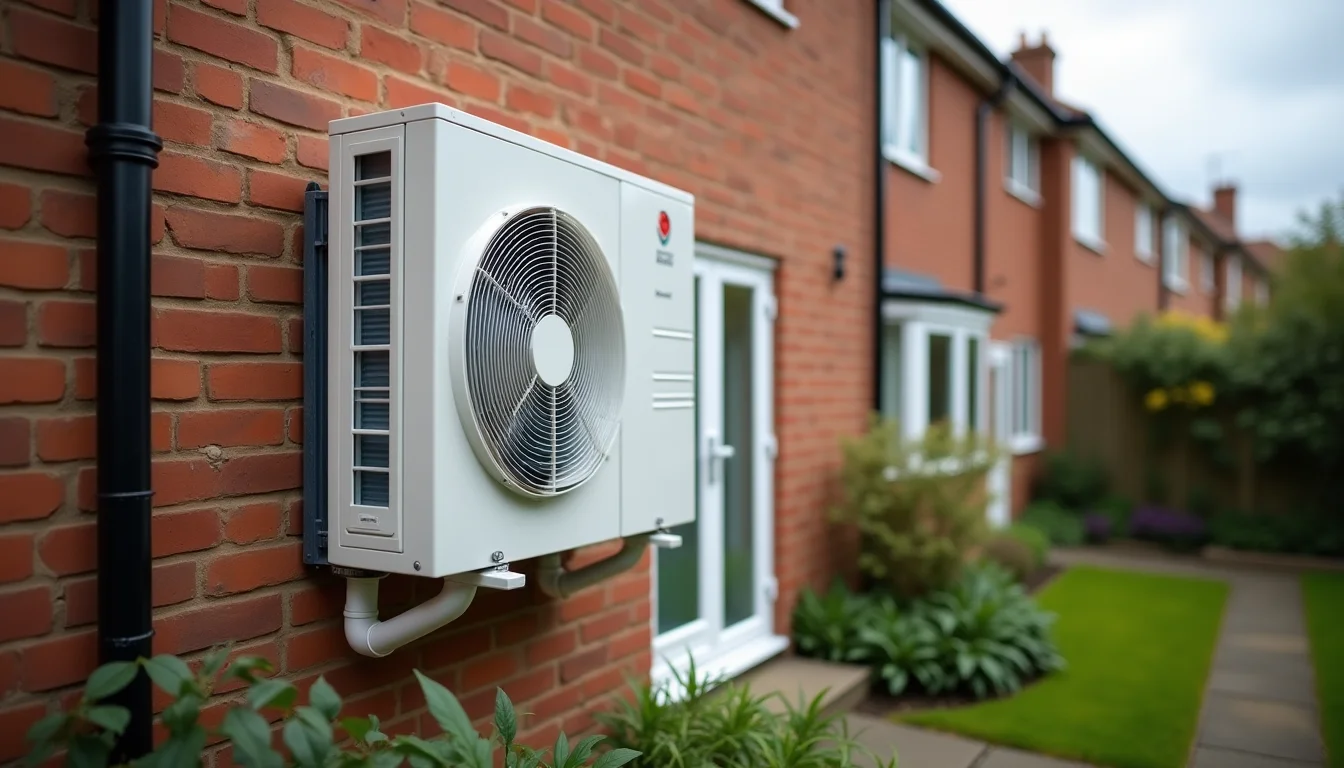
From 28 April 2026, the Boiler Upgrade Scheme has been overhauled with three major changes: air-to-air heat pumps are now eligible for funding, off-gas-grid properties can claim up to £9,000 instead of £7,500, and you no longer need a valid EPC before applying. These are the biggest changes since the scheme launched in 2022, and they open the door to hundreds of thousands of homes that previously couldn't qualify.
What Actually Changed on 28 April 2026?
The government announced these BUS changes as part of the spring policy update, and they took effect immediately on 28 April 2026. There was no phased rollout or consultation period for homeowners to worry about. If your installer submits a voucher application from that date onwards, the new rules apply.
Here's the short version of what's different:
- Air-to-air heat pumps are now grant-eligible for the first time. Previously, only air-to-water and ground source systems qualified.
- £9,000 grants are available for properties that aren't connected to the gas grid. This is up from the standard £7,500.
- No EPC requirement. You used to need a valid Energy Performance Certificate before your installer could apply. That rule has been scrapped entirely.
- Biomass boilers remain eligible but only for off-gas-grid rural properties, with the grant staying at £7,500 for those.
The budget for the scheme has also been increased for 2026/27, though the government hasn't published an exact figure. What we do know is that voucher redemptions hit record levels in early 2026, so demand is clearly not the problem it once was.
Why Air-to-Air Heat Pumps Being Eligible Is a Big Deal
Air-to-air systems have been popular in continental Europe for years. They're cheaper to install than air-to-water models, typically costing between £5,000 and £10,000 for a whole-house setup compared to £10,000 to £15,000 for a wet system. But they've always been excluded from UK grant schemes.
The catch? Air-to-air heat pumps don't heat water. They blow warm air directly into rooms, much like a reverse air conditioning unit. That means you'd still need a separate way to heat your hot water, whether that's an immersion heater, a dedicated hot water heat pump, or a solar thermal setup.
For many homes, especially older properties with no central heating or those currently relying on electric storage heaters, air-to-air is a brilliant option. Installation is quicker, less disruptive, and you don't need to rip out existing radiators or pipework.
Here's a real scenario. A two-bedroom stone cottage in rural Northumberland, off the gas grid, currently heated with old storage heaters running on Economy 7. The homeowner gets quoted £7,500 for a multi-split air-to-air system covering three rooms. With the new £9,000 off-gas grant, that installation could effectively be free, with money left over to put towards a hot water solution. A year ago, that homeowner had zero grant options for air-to-air.
The £7,500 BUS Grant: Still the Standard for Most Homes
Don't assume the changes have replaced the existing scheme. The £7,500 Boiler Upgrade Scheme grant is still the default for most homeowners in England and Wales who are on the gas grid. If you're swapping a gas boiler for an air-to-water or ground source heat pump, the amount hasn't changed.
Here's what still applies for the standard £7,500 grant:
- Your property must be an existing building, not a new build.
- The installation must be carried out by an MCS certified installer.
- The system being replaced must be a fossil fuel heating system (gas, oil, LPG, or electric if it's the primary source).
- Only one grant per property.
The grant is paid directly to your installer, who deducts it from your quote. You don't need to claim it back or fill in separate paperwork. Your installer handles the voucher application through Ofgem's system.
One thing worth knowing: the grant doesn't cover the full cost for most air-to-water systems. After the £7,500 discount, you're typically looking at £3,000 to £7,000 out of pocket depending on the size of your home and the complexity of the install. Ground source systems cost more, but the same £7,500 applies.
How the New £9,000 Grant Works for Off-Gas-Grid Homes
If your home isn't connected to the mains gas network, you now qualify for the higher £9,000 tier. This applies whether you're currently using oil, LPG, coal, electric heating, or anything else that isn't piped natural gas.
The £9,000 grant covers air-to-water, ground source, and now air-to-air heat pumps. It's a flat amount regardless of which type you choose. That's a significant change, because it makes air-to-air installations in off-grid homes potentially cost-neutral.
Around four million homes in England and Wales are off the gas grid. Many of them are older, rural, and harder to insulate. They also tend to have the highest energy bills, often spending £2,500 to £3,500 a year on oil or LPG. The higher grant tier is specifically designed to make heat pumps the obvious financial choice for these households.
To prove you're off-gas, your installer simply confirms it as part of the voucher application. You don't need a letter from your gas network operator or any extra documentation.
No EPC Required: What This Means in Practice
This is the change that might have the biggest practical impact. Until April 2026, you needed a valid EPC with no outstanding loft or cavity wall insulation recommendations before applying for the BUS grant. If your EPC flagged missing insulation, you had to get that work done first or get an exemption.
That rule caused real problems. Getting an EPC assessment booked could take weeks. Some homes, particularly listed buildings or solid-wall properties, would fail on insulation recommendations that were either impractical or incredibly expensive to address. Plenty of homeowners gave up at that stage.
Now? The EPC requirement is gone. You can go straight from getting a quote to having your installer apply for the voucher. Honestly, this removes what was probably the single biggest source of frustration with the old scheme.
That said, insulation still matters. A heat pump works harder and costs more to run in a poorly insulated home. No one is saying you should skip insulation. But the government has recognised that making it a barrier to getting the grant was counterproductive. Better to get the heat pump in and improve the fabric over time than to let homeowners stay on gas boilers indefinitely.
"Will Installers Be Booked Up? Can I Still Get a Slot?"
This is the concern that keeps coming up, and it's valid. Every time the BUS scheme gets more generous, demand spikes. After the grant increased from £5,000 to £7,500 in late 2023, some installers had waiting lists stretching to three or four months.
The April 2026 changes are even bigger. Air-to-air eligibility alone opens the scheme to a whole new pool of homeowners. And the scrapping of the EPC requirement removes a hurdle that was slowing down thousands of applications.
So yes, expect installers to get busier. The MCS register currently lists over 3,500 certified heat pump installation businesses across England and Wales, which is up from around 2,500 a year ago. But they're not spread evenly. In some rural areas, you might only have two or three MCS certified companies within a reasonable distance.
What can you do about it? Get quotes now, not in three months. Talk to at least two or three MCS certified installers so you can compare availability. And don't wait for energy prices to go up further before acting. The Ofgem energy price cap for Q2 2026 is £1,568 for a typical dual-fuel household, but electricity unit rates remain the key factor for heat pump running costs, and those are trending downward thanks to more renewable generation on the grid.
Frequently Asked Questions
Can I get a £9,000 heat pump grant if I'm off the gas grid?
Yes. From 28 April 2026, any property in England or Wales that isn't connected to the mains gas network can claim up to £9,000 through the Boiler Upgrade Scheme. This covers air-to-water, ground source, and air-to-air heat pumps. Your MCS certified installer confirms your off-gas status as part of the application.
Are air-to-air heat pumps eligible for the Boiler Upgrade Scheme in 2026?
Yes, air-to-air heat pumps became eligible from 28 April 2026. This is new. Previously only air-to-water and ground source systems qualified. The installation must still be done by an MCS certified installer, and the same voucher application process applies.
Do I still need an EPC to get the BUS grant?
No. The EPC requirement was removed as part of the April 2026 changes. You no longer need a valid Energy Performance Certificate or need to act on insulation recommendations before your installer can apply for a BUS voucher.
How much do I pay out of pocket for a heat pump after the grant?
It depends on the system type and your home. For an air-to-water heat pump on the gas grid, expect to pay roughly £3,000 to £7,000 after the £7,500 grant. Air-to-air systems are cheaper, so an off-gas-grid home claiming the £9,000 grant could potentially pay nothing out of pocket for a basic installation.
How long does it take to get a heat pump installed through the BUS scheme?
Once your installer submits the voucher application, Ofgem typically processes it within three to four weeks. The installation itself usually takes one to three days for air-source systems. The main delay right now is getting an installer booked, which can take six to twelve weeks depending on your area and how busy they are.
If you're thinking about making the most of the new Boiler Upgrade Scheme rules, the smartest move is to get quotes while installers still have availability. Use our directory at heatpumpinstallerdirectory.co.uk to find MCS certified heat pump installers near you, compare options, and get the process started before the rush really hits.