
Boiler Upgrade Scheme Changes April 2026: New £9,000 Grants, Air-to-Air Heat Pumps and What It Means for Homeowners
The BUS grant just jumped to £9,000 and air-to-air heat pumps now qualify. Here's exactly what changed in April 2026 and whether you should apply now.

Written by Heat Pump Buddy
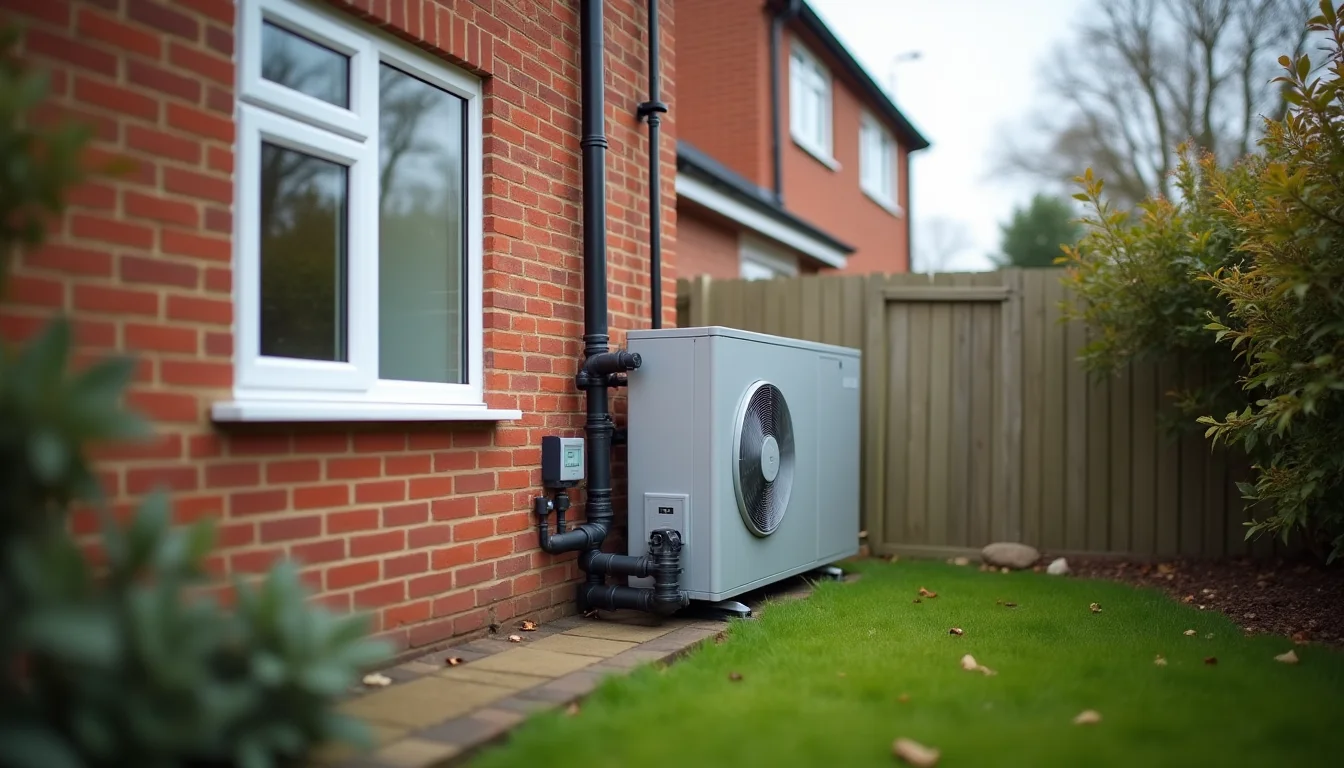
The Boiler Upgrade Scheme changed significantly in April 2026, and the headline figure is hard to miss: the grant for air source heat pumps has risen from £7,500 to £9,000. Air-to-air heat pumps are now eligible for the first time, and the government has scrapped the requirement for a valid EPC before you apply. If you've been on the fence about switching from your gas boiler, this is the most generous the scheme has ever been.
What exactly changed with the Boiler Upgrade Scheme in April 2026?
The April 2026 overhaul is the single biggest set of changes since the BUS launched back in 2022. Here's what's different.
The grant for air source heat pumps (both air-to-water and now air-to-air) has increased to £9,000. Ground source heat pumps still attract the higher grant of £9,000 too, which was already in place. Biomass boilers in rural properties remain eligible at £5,000.
Air-to-air heat pumps are now covered by the scheme. Previously, only air-to-water and ground source systems qualified. This opens the door for homeowners who want a simpler, often cheaper installation, particularly in well-insulated flats and smaller homes.
The EPC requirement has been removed entirely. Before April 2026, you needed a valid Energy Performance Certificate with no outstanding recommendations for loft or cavity wall insulation. That's gone. You can now apply regardless of your EPC status.
And the scheme has been extended to run until at least March 2028, giving installers and homeowners more certainty about timelines.
How does the new £9,000 BUS grant work in practice?
The mechanics haven't changed much from the previous £7,500 version. Your MCS certified installer applies to Ofgem on your behalf. If approved, the grant is paid directly to the installer and deducted from your quote. You never handle the money yourself.
Let's put some real numbers on this. A typical 8kW air source heat pump installation for a three-bedroom semi in, say, Nottingham might cost around £12,000 to £14,000 including the hot water cylinder, pipework modifications, and commissioning. With the £9,000 grant, you're looking at an out-of-pocket cost of roughly £3,000 to £5,000. Two years ago, that same homeowner would have paid £4,500 to £6,500 after the old grant. That's a meaningful difference.
For ground source heat pumps, which typically cost £20,000 to £35,000 depending on whether you're drilling boreholes or laying horizontal loops, the £9,000 covers a smaller proportion. But it still makes a solid dent.
One thing worth knowing: the grant is per property, not per system. You get one application, one grant. And the property must be an existing building, not a new build.
Air-to-air heat pumps are now eligible: should you consider one?
This is probably the most talked-about change. Air-to-air heat pumps work differently from the air-to-water systems most people picture. They don't heat water for radiators or a cylinder. Instead, they blow warm air directly into rooms through wall-mounted units, much like air conditioning in reverse.
They're cheaper to buy and install. A multi-split air-to-air system covering a whole house might cost £6,000 to £10,000 before the grant. With £9,000 available, some homeowners could get a system installed for almost nothing out of pocket. That's a genuine shift.
But there are trade-offs. Air-to-air systems don't provide hot water, so you'll still need an immersion heater, a separate hot water heat pump, or another solution for showers and taps. They also work best in well-insulated homes. If your house is draughty and poorly insulated, an air-to-water system with radiators or underfloor heating will likely serve you better.
Frankly, for a modern flat or a well-insulated bungalow, air-to-air could be the sweet spot. For a 1930s detached with single-skin walls? Probably not.
No more EPC requirement: what does that actually mean for you?
The old rules were a genuine barrier. Before April 2026, if your EPC flagged that you hadn't insulated your loft or filled your cavity walls, your BUS application would be rejected until you'd done that work. Plenty of homeowners either couldn't afford the insulation or had solid walls where cavity fill wasn't possible, and they fell through the cracks.
Now that requirement is gone. You can apply for the grant without an EPC at all.
Does that mean you should skip insulation? No. A heat pump will always run more efficiently and cost you less to operate in a well-insulated house. But the government has decided, rightly in my view, that forcing people to insulate before they can access heat pump funding was stopping too many applications. Better to get the heat pump installed and encourage insulation separately.
If you do want to insulate first, the Great British Insulation Scheme is still running and can cover some or all of the cost depending on your council tax band and household income.
"Will a heat pump actually save me money on bills?"
This is the question that stops most people in their tracks. And it's fair to ask, because electricity is still more expensive per unit than gas in the UK.
As of spring 2026, the typical domestic electricity rate sits around 24p per kWh, while gas is around 7p per kWh. On paper, electricity costs more than three times as much. But heat pumps don't use energy on a one-to-one basis. A decent air source heat pump delivers around 3 to 3.5 units of heat for every unit of electricity it consumes. That's its coefficient of performance, or COP.
So the real comparison is: 24p divided by 3.2 (a reasonable seasonal average COP) gives you about 7.5p per unit of useful heat. That's roughly on par with gas, before you even account for the fact that a gas boiler is only 85 to 92 percent efficient.
In a well-insulated home with good controls and a properly sized system, many homeowners are seeing bills that are similar to or slightly lower than their old gas costs. In poorly insulated homes with undersized radiators, bills can be higher. The installation quality matters enormously, which is why choosing an experienced, MCS certified installer is so important.
And here's something people overlook: gas prices are subject to wholesale market swings, while heat pump owners can pair their system with solar panels and a time-of-use tariff to push electricity costs well below 24p. Some homeowners on Octopus Go or similar tariffs are heating their homes at 7p per kWh overnight.
Should you apply now or wait?
If you've been holding off, there's no financial reason to wait any longer. The £9,000 grant is live now and the scheme has funding allocated through to March 2028. But "funding allocated" doesn't mean "guaranteed forever." The original BUS was due to end in 2025 before it was extended. Governments can and do change their minds.
The practical reason to act sooner rather than later is installer availability. Every time the grant increases, demand spikes. After the jump from £5,000 to £7,500 in late 2024, some homeowners waited three to four months for installation slots. With the move to £9,000 and the addition of air-to-air systems, expect another wave of interest.
Get quotes from two or three MCS certified installers now. Compare not just price but the detail of what they're proposing: system size, radiator upgrades, cylinder size, and estimated running costs. A good installer will do a proper heat loss calculation for your house, not just guess.
Frequently Asked Questions
How much is the Boiler Upgrade Scheme grant in 2026?
Since April 2026, the BUS grant is £9,000 for air source heat pumps (including air-to-air systems) and ground source heat pumps. Biomass boilers in qualifying rural properties receive £5,000. The grant is applied directly to your installation cost by your MCS certified installer.
Can I get a grant for an air-to-air heat pump now?
Yes. From April 2026, air-to-air heat pumps are eligible for the £9,000 BUS grant for the first time. The system must be installed by an MCS certified installer and the property must be an existing building, not a new build.
Do I still need an EPC to apply for the Boiler Upgrade Scheme?
No. The EPC requirement was removed in April 2026. You no longer need a valid Energy Performance Certificate or need to have acted on insulation recommendations before applying for the grant.
Can I get the BUS grant if I already have a heat pump?
No. The Boiler Upgrade Scheme is designed to replace existing fossil fuel heating systems like gas, oil, or LPG boilers. If you already have a heat pump and want to upgrade or replace it, the grant doesn't apply.
How long does it take to get a heat pump installed through the BUS?
From first enquiry to a working system, most installations take between four and ten weeks. The Ofgem application itself is usually processed within a few days. The main variable is installer availability, which can stretch timelines if demand is high in your area.
Ready to see what the new £9,000 grant could mean for your home? Use our directory at heatpumpinstallerdirectory.co.uk to find MCS certified heat pump installers near you, get quotes, and take advantage of the most generous BUS funding we've seen yet.