
Boiler Upgrade Scheme Grant Increasing to £9,000 for Oil Boiler Replacements: What Homeowners Need to Know
The BUS grant is rising to £9,000 for oil boiler replacements. Find out who qualifies, when it starts, and how rural homeowners can claim the bigger amount.

Written by Heat Pump Buddy
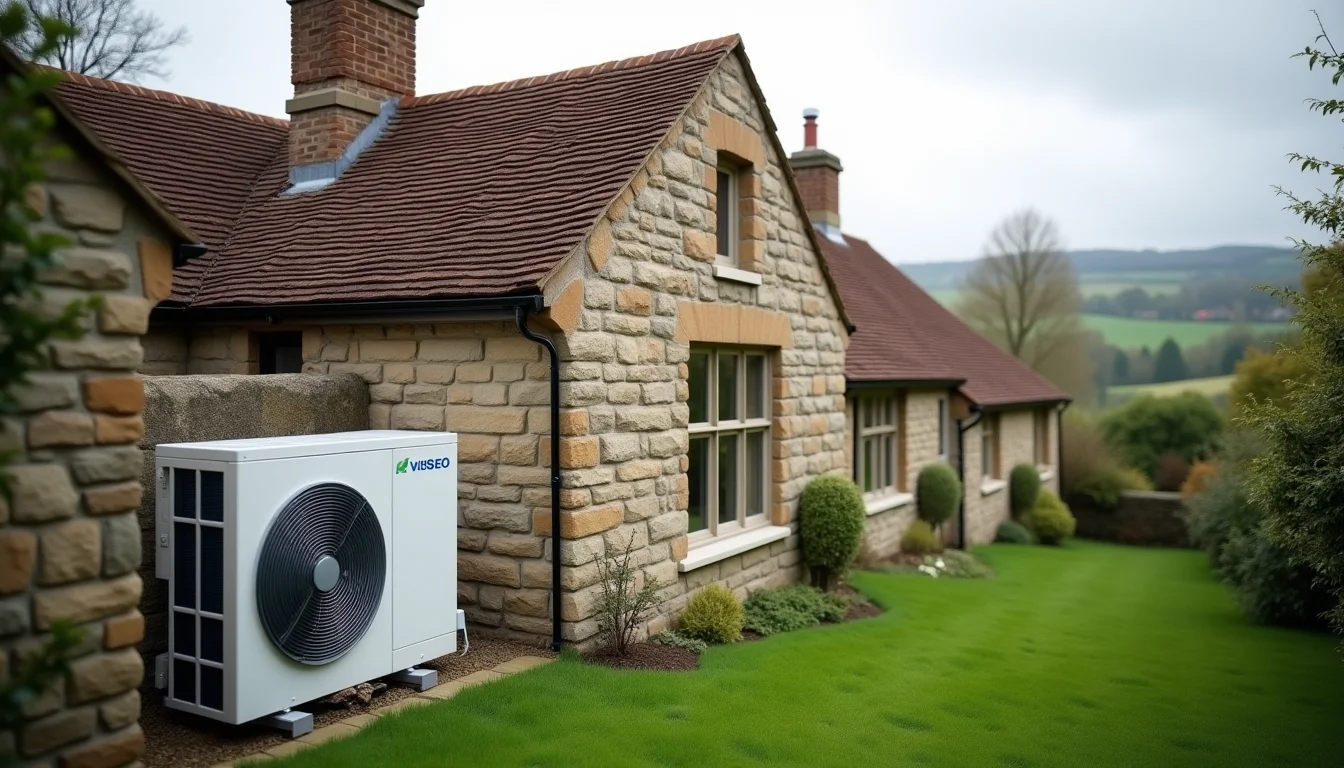
The UK government has confirmed a £9,000 grant for homeowners replacing oil boilers with heat pumps, up from the standard £7,500 Boiler Upgrade Scheme (BUS) amount. This increase is specifically aimed at off-gas-grid properties that currently rely on oil central heating. If you're one of the roughly 1.5 million UK households still burning heating oil, this is the single biggest financial incentive you've been offered to make the switch.
Why Has the Grant Increased to £9,000 for Oil Boiler Replacements?
The government recognised that oil-heated homes face a unique set of problems. Heating oil prices have been wildly unpredictable in recent years, and rural homeowners have had fewer support options compared to those on the gas grid. The higher grant is designed to close that gap and make heat pumps a genuinely affordable option for properties that tend to be larger, older, and harder to heat.
Frankly, it makes sense. An oil boiler replacement often costs more than swapping out a gas boiler because the existing pipework, tank removal, and system design can add complexity. The extra £1,500 on top of the standard grant goes some way toward covering those additional costs.
The announcement came as part of the government's broader push to phase out fossil fuel heating in off-gas-grid homes, with a target of ending new oil boiler installations in these properties during the late 2020s.
Who Qualifies for the £9,000 Oil Boiler Replacement Grant?
To get the £9,000 amount, you need to meet a few specific conditions. Your property must currently be heated by an oil boiler, and you must be replacing it with an air source heat pump, ground source heat pump, or a biomass boiler. The property also needs a valid Energy Performance Certificate (EPC) with no outstanding recommendations for loft or cavity wall insulation, or you need to have addressed those recommendations before applying.
The grant applies to homes in England and Wales. You must own the property, whether you live in it or rent it out. Social housing doesn't qualify under BUS, but there are separate schemes for that sector.
One thing to be clear about: the £9,000 figure applies to oil boiler replacements specifically. If you're on LPG, electric storage heaters, or another non-gas heating system, check the current BUS rates as they may differ from this amount.
How Does the Standard £7,500 BUS Grant Still Apply?
The £7,500 Boiler Upgrade Scheme grant hasn't gone anywhere. It remains the baseline amount for most eligible homeowners replacing gas boilers or other qualifying heating systems with a heat pump. If you're on mains gas and want to install an air source heat pump, £7,500 is still your figure.
The BUS grant is paid directly to your MCS certified installer, who deducts it from your quote. You don't need to apply separately for the money or wait for a rebate. Your installer handles the voucher application through the Ofgem portal, and once approved, the grant is secured against your installation.
Budget for BUS has been extended and expanded since its original launch. As of 2026, there's healthy funding available, but it operates on a first-come, first-served basis. If you're serious about claiming either the £7,500 or £9,000 amount, don't sit on it for months.
What Will a Heat Pump Actually Cost After the £9,000 Grant?
Let's run through a real example. Say you live in a three-bedroom detached cottage in Devon, currently heated by a 20-year-old oil boiler. A typical air source heat pump installation for that kind of property might cost between £10,000 and £14,000, depending on the system size, brand, and any upgrades needed to your radiators or hot water cylinder.
With the £9,000 grant applied, you're looking at an out-of-pocket cost of roughly £1,000 to £5,000. Compare that to the cost of a new oil boiler installation, which runs between £3,000 and £5,000 including the tank, and the heat pump option starts to look very competitive on upfront cost alone.
Then factor in running costs. Heating oil currently sits at around 65p to 75p per litre in 2026, and a typical oil-heated home burns through 1,500 to 2,000 litres a year. That's £1,000 to £1,500 annually just on fuel. A well-installed heat pump in a reasonably insulated home can cut that heating bill by 30% to 50%, depending on your electricity tariff and whether you're on a heat pump-specific rate.
And you'll never have to worry about oil delivery lorries struggling up a muddy lane in January again.
Will a Heat Pump Actually Work in My Older Rural Property?
This is the big one. It's the concern that stops more oil boiler households from picking up the phone than any other. And it's a fair question.
Older rural properties tend to have solid walls, higher ceilings, and draughty windows. These are real challenges, but they're not dealbreakers. Modern air source heat pumps work efficiently even in poorly insulated homes, provided the system is correctly sized and designed. The key is getting a proper heat loss survey done by a qualified installer who knows what they're doing.
You might need larger radiators in some rooms, or a few additional ones. In some cases, underfloor heating on the ground floor makes a big difference. But the idea that heat pumps only work in new-build eco homes is simply wrong. Thousands of stone cottages, Victorian farmhouses, and 1950s rural bungalows across the UK are running on heat pumps right now, in 2026.
If your property has solid walls with no possibility of insulation, a ground source heat pump can be a better fit because it delivers higher flow temperatures. Yes, they cost more upfront, but the £9,000 grant applies to ground source systems too, and the running costs are lower over the long term.
Honestly, the best thing you can do is get two or three quotes from MCS certified installers who have experience with older properties. A good installer will tell you straight if your home needs prep work before a heat pump goes in.
How Do I Claim the £9,000 Grant for Replacing My Oil Boiler?
The process is simpler than most people expect. Here's what happens:
- Find an MCS certified heat pump installer. This is non-negotiable. Only MCS certified installers can apply for BUS vouchers on your behalf.
- Get a survey and quote. The installer visits your property, carries out a heat loss calculation, and designs a system.
- The installer applies for the BUS voucher through Ofgem. This is done online and typically takes a few working days to process.
- Once the voucher is issued, you have three months to complete the installation.
- After installation, the installer claims the grant money from Ofgem. You only pay the balance.
You don't fill in lengthy application forms. You don't chase payments. The installer does the admin. Your main job is choosing the right installer and making sure your EPC is up to date.
If you don't have a current EPC, you'll need to arrange one before the voucher can be applied for. An EPC assessment costs between £60 and £120 and can usually be booked within a week or two.
FAQ
How much is the Boiler Upgrade Scheme grant for oil boilers in 2026?
The BUS grant for replacing an oil boiler with a heat pump has increased to £9,000 in 2026. This is £1,500 more than the standard £7,500 grant available for gas boiler replacements. The grant is applied directly to your installation cost by your MCS certified installer.
Can I get the £9,000 grant if I have an old oil boiler but I'm on the gas grid?
No. The £9,000 rate is specifically for off-gas-grid properties replacing oil heating systems. If your home is connected to mains gas, the standard £7,500 BUS grant applies instead, even if you happen to have an oil boiler installed.
Do I need to insulate my house before I can get a heat pump grant?
Your EPC must not have outstanding recommendations for loft or cavity wall insulation. If it does, you'll need to carry out that insulation work before your BUS voucher application can proceed. This doesn't mean your home needs to be perfectly insulated, just that the basic, cost-effective measures have been done.
How long does it take to get a heat pump installed after applying for the grant?
Once your installer submits the BUS voucher application, approval usually comes through within a few working days. You then have three months to complete the installation. The actual install typically takes two to four days on site, though more complex systems in older properties can take slightly longer.
Is the £9,000 oil boiler replacement grant available in Scotland?
No. The Boiler Upgrade Scheme covers England and Wales only. Scottish homeowners have access to separate funding through Home Energy Scotland, which offers interest-free loans and cashback grants for heat pump installations. The amounts and eligibility criteria are different, so check directly with Home Energy Scotland for the latest figures.
If you're ready to find out what a heat pump would cost for your property after the grant, start by searching for a local MCS certified installer on heatpumpinstallerdirectory.co.uk. You can compare quotes, check reviews, and get matched with installers who have real experience fitting heat pumps in oil-heated homes like yours.