
Boiler Upgrade Scheme Grant Increasing to £9,000: What Homeowners Need to Know About the 2025-2026 Changes
The BUS grant has jumped to £9,000 for some homes and major rule changes landed in April 2026. Find out exactly what you qualify for right now.

Written by Heat Pump Buddy
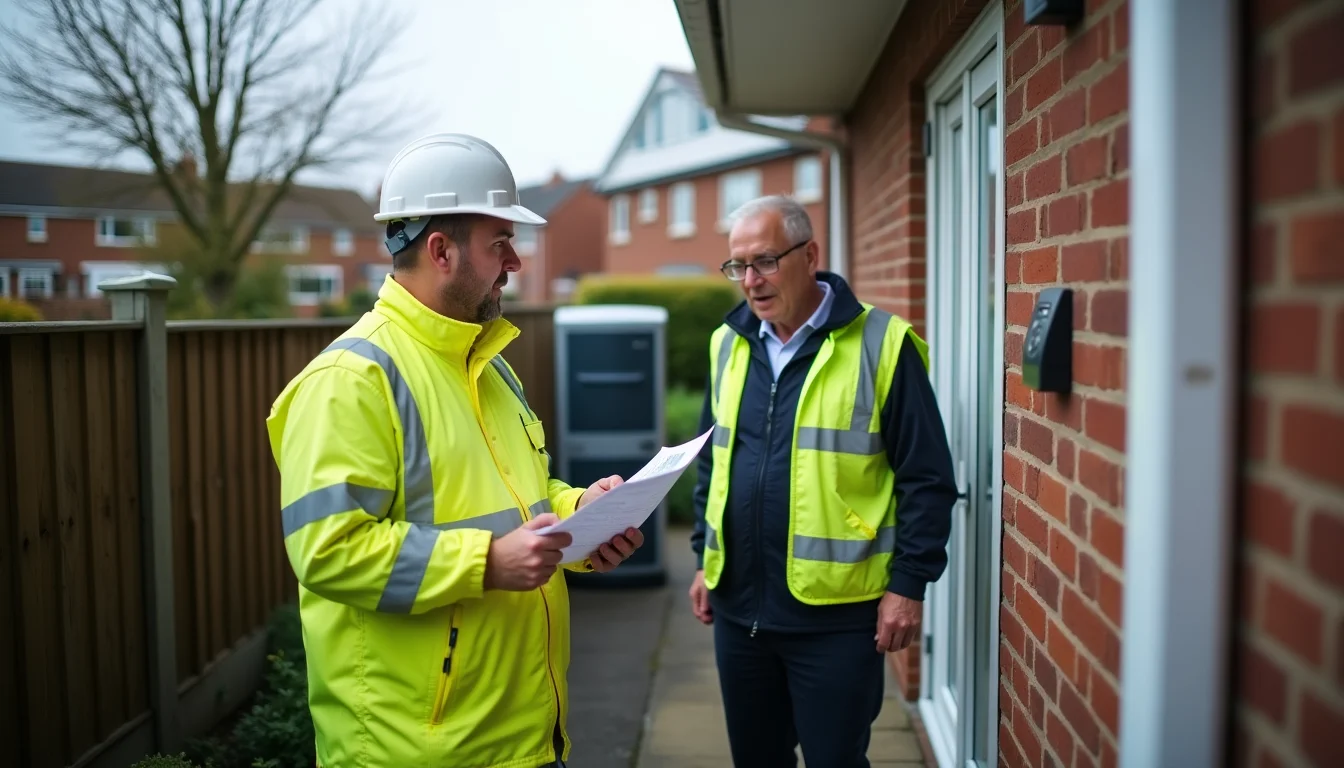
The Boiler Upgrade Scheme grant has changed significantly in 2026, and the amount you can claim depends on your situation. If you're replacing oil or LPG heating in an off-gas-grid home, you could get up to £9,000 towards a heat pump. Homes on the gas grid still qualify for £7,500, and from April 2026 the scheme was expanded to include air-to-air heat pumps and scrapped the EPC requirement entirely.
What Are the New Boiler Upgrade Scheme Grant Amounts in 2026?
Let's cut straight to the numbers because that's what most people want.
Since July 2025, homeowners replacing oil or LPG boilers in off-gas-grid properties have been eligible for a £9,000 grant. That's a £1,500 increase over the previous amount and it makes a real difference to the upfront cost of switching to a heat pump.
If your home is connected to the gas grid, the grant remains at £7,500 for air source and ground source heat pumps. That figure hasn't changed, but the April 2026 reforms brought other benefits that apply to everyone.
Here's a quick breakdown of what you can get right now:
- Air source heat pump (gas grid home): £7,500
- Ground source heat pump (gas grid home): £7,500
- Air source heat pump (off-gas-grid, replacing oil/LPG): £9,000
- Ground source heat pump (off-gas-grid, replacing oil/LPG): £9,000
- Air-to-air heat pump (any eligible home): £7,500
- Biomass boiler (rural off-gas-grid only): £5,000
What Changed in April 2026 and Why Does It Matter?
The April 2026 reforms were the biggest shake-up to the BUS since it launched. Three changes stand out.
First, air-to-air heat pumps are now eligible. These are essentially reversible air conditioning units that heat your home in winter. They're cheaper to install than traditional air-to-water systems, often costing between £5,000 and £10,000 for a whole-house setup. With a £7,500 grant, some homeowners are paying very little out of pocket.
Second, the EPC requirement has been removed. Previously, you needed a valid Energy Performance Certificate before applying. That's gone. If you own the property and it's in England or Wales, you can apply without one. This removes a genuine barrier that was holding people back, especially owners of older homes who worried their EPC rating might disqualify them.
Third, social housing properties are now eligible. That doesn't affect private homeowners directly, but it has increased demand for MCS certified installers, so booking early is worth considering.
How the £7,500 BUS Grant Works for Most Homeowners
The £7,500 grant is still the main route for the majority of applicants, particularly those on mains gas.
Your MCS certified installer applies for the voucher on your behalf through Ofgem's system. Once approved, the grant is deducted from your installation quote. You never handle the money directly. A heat pump that costs £12,000 installed would cost you £4,500 after the grant, for example.
There are a few conditions. You must own the property (or be a private landlord with certain conditions met). The property must be in England or Wales. And the installer must hold MCS certification, which is the industry quality standard.
One thing people often miss: the grant covers a single property per application. If you own two houses, you can apply separately for each. But you can't stack grants on one installation.
The scheme is currently funded until March 2028. The government allocated £295 million for this phase, and uptake has been accelerating through 2026. Honestly, the removal of the EPC requirement seems to have been the tipping point for a lot of people who were on the fence.
Should You Apply Now or Wait for Further Changes?
This is the question we hear most. And the honest answer is: don't wait.
Here's why. The £7,500 and £9,000 grants are live right now. Installer availability is good but tightening as demand grows. Energy prices remain high, with the average UK household paying around £1,700 per year on gas and electricity under the current price cap. Every month you delay is another month paying full whack for fossil fuel heating.
There's also no indication the grant will increase further for gas-grid homes. The £9,000 figure was specifically targeted at rural oil and LPG users because their fuel costs are higher and they have fewer alternatives.
Let's look at a real example. Sarah in North Yorkshire had a 20-year-old oil boiler costing her roughly £2,200 a year in heating oil. She applied for the £9,000 grant in August 2026, got a 9kW air source heat pump installed for £13,500, and paid £4,500 out of pocket. Her estimated annual heating cost with the heat pump is around £1,100. That means her investment pays for itself in roughly four years, even before you factor in oil price volatility.
Waiting for a better deal that might never come doesn't make financial sense when the numbers already work.
Do I Need to Replace My Radiators to Get a Heat Pump?
This is probably the single biggest worry homeowners have, and it stops a lot of people from even getting a quote.
The short answer: not always. Many homes with modern double-panel radiators can run a heat pump without changing every radiator. Your installer will do a room-by-room heat loss calculation. Some radiators might need upsizing, particularly in older or poorly insulated rooms. But a full house re-rad is far from guaranteed.
In well-insulated homes built after 2000, existing radiators often cope fine. Older properties might need a handful of larger radiators in key rooms. The cost of swapping a few radiators is typically between £200 and £400 per unit, supplied and fitted.
A good MCS certified installer will tell you exactly what's needed during the survey. If anyone tells you every radiator has to go before they've even visited your house, get a second opinion.
Are Air-to-Air Heat Pumps Worth It Now They're Grant Eligible?
The inclusion of air-to-air systems from April 2026 opened up a new option, especially for homeowners who can't or don't want to change their existing heating pipework.
Air-to-air heat pumps don't use water-filled radiators. They blow warm air directly into rooms through wall-mounted units, similar to air conditioning. They're popular across Scandinavia and Japan, where they've proven reliable in cold weather.
The pros: lower installation cost (often £5,000 to £10,000 for a full house), no changes to plumbing, and they double as cooling in summer. With a £7,500 grant, some installations are effectively free or close to it.
The cons: they don't heat your hot water, so you'd still need an immersion heater or separate hot water system. And some people don't like the look of wall-mounted units in every room.
For flats, bungalows, and smaller homes, air-to-air could be a genuinely cost-effective choice. But for a family home where hot water demand is high, an air-to-water system with a cylinder is still the better all-round option.
Frequently Asked Questions
How much is the boiler upgrade scheme grant in 2026?
The BUS grant is £7,500 for most homeowners replacing a fossil fuel heating system with an air source, ground source, or air-to-air heat pump. Off-gas-grid homes replacing oil or LPG boilers can get £9,000. Biomass boilers in eligible rural properties attract a £5,000 grant.
Do I need an EPC to apply for the boiler upgrade scheme?
No. As of April 2026, the EPC requirement has been removed from the Boiler Upgrade Scheme. You can apply without having an Energy Performance Certificate, which removes a barrier that previously slowed down or put off many applicants.
Can I get the £9,000 heat pump grant if I have a gas boiler?
No, the £9,000 grant is only available to off-gas-grid homes currently using oil or LPG heating. If your home is on the gas grid, you're eligible for the £7,500 grant towards an air source, ground source, or air-to-air heat pump.
Are air-to-air heat pumps eligible for the BUS grant?
Yes, since April 2026 air-to-air heat pumps qualify for the £7,500 BUS grant. They must be installed by an MCS certified installer and meet the scheme's technical requirements. They don't provide hot water, so you'll need a separate solution for that.
How long does the boiler upgrade scheme last?
The current phase of the Boiler Upgrade Scheme is funded until March 2028. The government has committed £295 million to this phase. There's no guarantee the scheme will be extended beyond that date, so applying sooner rather than later is a sensible approach.
If you're ready to find out what grant you qualify for and get a proper quote, use our directory at heatpumpinstallerdirectory.co.uk to find MCS certified heat pump installers in your area. Every installer listed holds the certification required for BUS grant applications, so you can get moving with confidence.