
Boiler Upgrade Scheme Overhaul April 2026: Air-to-Air Heat Pumps, £9,000 Grants and Everything Homeowners Need to Know
The BUS grant just changed massively. Air-to-air heat pumps now qualify, off-grid homes get £9,000, and the EPC rule is gone. Here's exactly what it means for you.

Written by Heat Pump Buddy
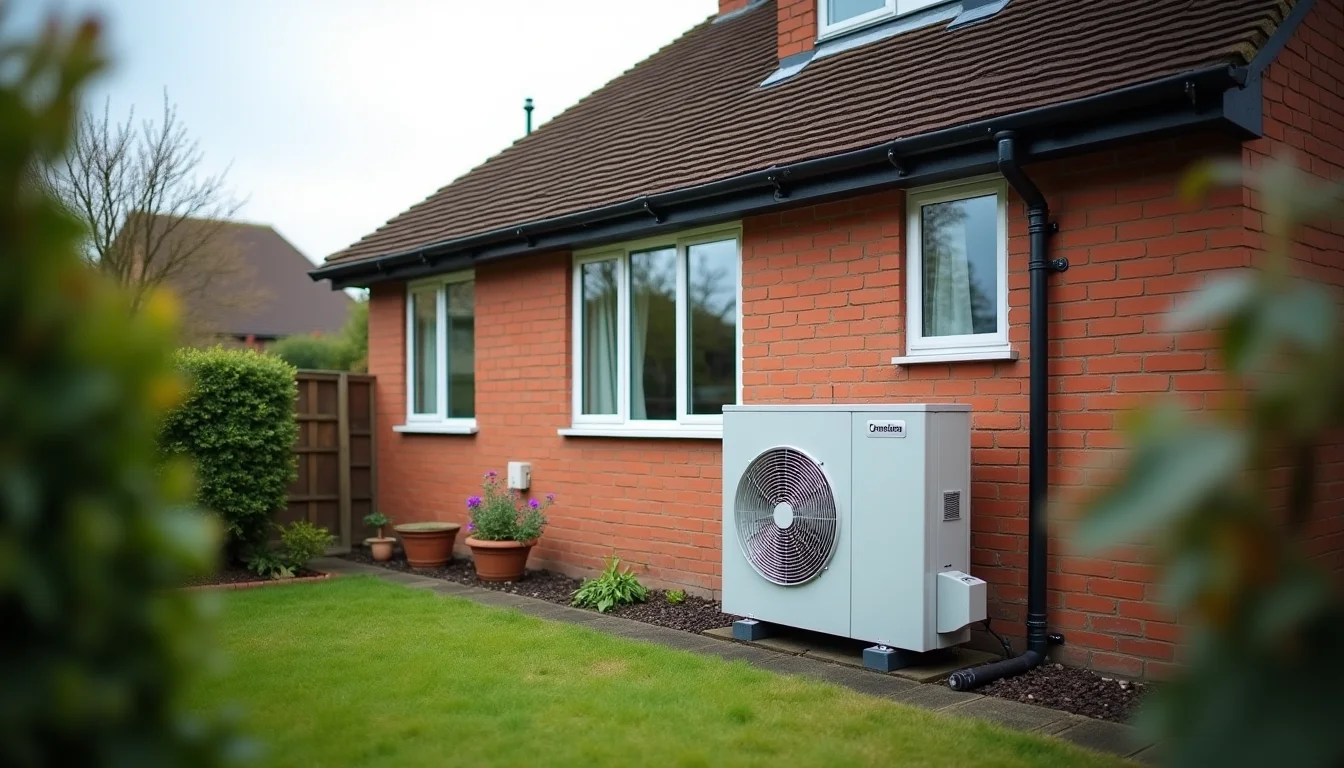
The Boiler Upgrade Scheme has had its biggest shake-up since it launched. From April 2026, air-to-air heat pumps are now eligible for grants, homes running on oil or LPG can claim up to £9,000 instead of £7,500, and the requirement to have a valid EPC has been scrapped entirely. If you've been sitting on the fence about ditching your old heating system, the maths just got a lot more favourable.
What's Actually Changed With the BUS Grant in April 2026?
The government announced a package of changes to the Boiler Upgrade Scheme that took effect in April 2026. These aren't minor tweaks. They fundamentally alter who qualifies, how much you can get, and which technologies are covered.
Here's the short version:
- Air-to-air heat pumps are now eligible for a BUS grant for the first time.
- Homes on oil or LPG can apply for a higher grant of £9,000 (up from £7,500).
- Homes on mains gas still receive the standard £7,500 grant for air source or ground source heat pumps.
- The EPC requirement has been removed. You no longer need a valid Energy Performance Certificate before applying.
- Ground source heat pumps retain the £7,500 grant amount regardless of your current fuel type.
The rationale behind these changes is fairly obvious. Uptake was slower than the government wanted, and two of the biggest barriers were the upfront cost for rural off-grid homes and the hassle of getting an EPC sorted before you could even apply. Both of those barriers have now been addressed.
Air-to-Air Heat Pumps Are Now Eligible. What Does That Mean for You?
This is the change that's got the most people talking. Until April 2026, only air-to-water and ground source heat pumps qualified for BUS funding. Air-to-air systems were left out, which always felt like an odd gap.
Air-to-air heat pumps work differently from air-to-water models. Instead of heating water that flows through radiators or underfloor pipes, they blow warm air directly into rooms. Think of them as the reverse of an air conditioning unit. In fact, most air-to-air systems can cool your home in summer too.
They tend to be cheaper to install. A typical air-to-air system for a three-bedroom semi might cost between £5,000 and £10,000 depending on how many indoor units you need. With a £7,500 grant, many homeowners could get a system fitted for very little out of pocket.
But there's a catch you should know about. Air-to-air heat pumps don't heat your hot water. You'll still need a separate solution for that, whether it's an immersion heater, a dedicated hot water heat pump, or keeping a small electric boiler. For some households, that's a dealbreaker. For others, especially those in well-insulated flats or smaller homes, it's perfectly workable.
The system must be installed by an MCS certified installer to qualify for the grant. That hasn't changed.
Who Gets the £9,000 Grant and Who Gets £7,500?
Let's clear up the grant amounts because there's been some confusion online.
The £9,000 grant is specifically for homeowners currently heating with oil or LPG who switch to an air source heat pump (either air-to-water or the newly eligible air-to-air). This higher amount recognises that off-grid homes often face bigger installation costs due to their location and the work needed to replace oil or LPG infrastructure.
If your home is on mains gas and you switch to an air source heat pump, you'll receive the standard £7,500 grant.
Ground source heat pumps attract a £7,500 grant regardless of what fuel you're currently on.
Here's a real-world example. Take a four-bedroom detached farmhouse in rural Devon currently running a 20-year-old oil boiler. The homeowner gets a quote for an air-to-water heat pump installation at £14,500. With the new £9,000 grant, they're paying £5,500 out of pocket. A year ago, that same homeowner would have paid £7,000 after the old £7,500 grant. That £1,500 difference could be the thing that tips the decision.
For context, oil prices have been volatile throughout 2025 and into 2026, with heating oil averaging around 65p to 75p per litre. Many rural homeowners are spending £2,000 or more per year on heating. Switching to a heat pump running on electricity (especially with a decent tariff or solar panels) can cut those bills meaningfully.
Why Has the EPC Requirement Been Scrapped?
Frankly, the EPC requirement was always a bit of a headache. Under the old rules, you needed a valid Energy Performance Certificate before your installer could apply for the BUS grant on your behalf. That meant booking an energy assessor, waiting for the visit, then waiting again for the certificate to be lodged.
For some homeowners, this added weeks to the process. In rural areas where assessors are thin on the ground, it could add even longer. And there were cases where the EPC threw up recommendations that made homeowners worry they'd need to spend thousands on insulation before they could get a heat pump, even though that wasn't strictly required.
The government has now removed this step entirely. You can go straight to getting quotes from MCS certified installers and applying for the grant without an EPC in place.
Does this mean you should ignore insulation? Absolutely not. A well-insulated home will always get better performance from a heat pump, and your installer should assess your property's heat loss as part of the design process. But the formal EPC is no longer a gateway you have to pass through.
"I'm Worried a Heat Pump Won't Heat My Home Properly"
This is the single biggest concern we hear from homeowners, and it deserves a straight answer.
A properly designed and installed heat pump will heat your home. Full stop. The key words there are "properly designed and installed." A good MCS certified installer will carry out room-by-room heat loss calculations, check your radiators are large enough (and recommend upgrades where needed), and size the heat pump correctly for your property.
Problems tend to arise when systems are undersized, when installers skip the design stage, or when homes have no loft insulation and single-glazed windows that leak heat faster than any system can replace it. But those same homes would struggle with a gas boiler too.
The technology itself is proven. Heat pumps have been standard in Scandinavia for decades, and those countries are considerably colder than the UK. In Norway, roughly 60% of homes use heat pumps. If they work in -20°C Norwegian winters, they'll work in Manchester.
If you're in an older property with solid walls, a good installer might suggest some targeted improvements before or alongside the heat pump installation. That's not a red flag. That's someone doing their job properly.
How Do You Apply for the BUS Grant in 2026?
The application process hasn't changed much despite the other overhaul. Here's how it works:
- Find an MCS certified heat pump installer. This is non-negotiable. Only MCS certified installers can apply for the grant on your behalf.
- Get a quote. The installer will survey your home, design the system, and provide a detailed quote.
- The installer applies for the grant. They submit the application through Ofgem's system. You don't apply directly yourself.
- Ofgem approves the application. This usually takes a few working days.
- The installation goes ahead. Once approved, the installer fits the system.
- The grant is paid to the installer. The £7,500 or £9,000 is deducted from your bill. You only pay the remainder.
One thing to watch: the BUS is funded on a first-come, first-served basis within each financial year's budget. The scheme is currently funded through to March 2028, but monthly allocation caps still apply. Don't assume you can wait indefinitely. If demand surges following these changes (and early signs suggest it will), slots could fill up faster than in previous years.
Frequently Asked Questions
Can I get a BUS grant for an air-to-air heat pump in 2026?
Yes. From April 2026, air-to-air heat pumps are eligible for the Boiler Upgrade Scheme grant for the first time. The grant amount is £7,500 for homes on mains gas, or £9,000 for homes currently using oil or LPG. The system must be installed by an MCS certified installer.
How much is the Boiler Upgrade Scheme grant in 2026?
The standard BUS grant is £7,500 for most heat pump installations. If your home currently runs on oil or LPG and you're switching to an air source heat pump (air-to-water or air-to-air), you can claim a higher grant of £9,000. Ground source heat pumps receive £7,500 regardless of your current fuel.
Do I still need an EPC to get a heat pump grant?
No. The EPC requirement was removed as part of the April 2026 changes to the Boiler Upgrade Scheme. You no longer need a valid Energy Performance Certificate before applying for the grant. Your installer should still assess your home's suitability as part of the survey and design process.
Can I get the £9,000 BUS grant if I have a gas boiler?
No. The £9,000 grant is only available to homeowners who are currently heating with oil or LPG and are switching to an air source heat pump. If you're on mains gas, the grant remains at £7,500. This higher amount is designed to help off-grid households where installation costs are typically greater.
Is the Boiler Upgrade Scheme still running in 2026?
Yes, the BUS is running throughout 2026 and is currently funded through to March 2028. The April 2026 overhaul expanded eligibility and increased grants for off-grid homes. Applications are processed on a first-come, first-served basis, so it's worth getting quotes sooner rather than later to secure your allocation.
Find a Local MCS Certified Installer
Whether you're looking at an air-to-water system, exploring the newly eligible air-to-air option, or considering ground source, the first step is always the same: find a qualified installer who knows what they're doing. Use our directory at heatpumpinstallerdirectory.co.uk to search for MCS certified heat pump installers in your area. You can compare local companies, check their accreditations, and request quotes directly. The grant won't apply itself, and good installers are booking up fast following these changes.