
Boiler Upgrade Scheme Overhaul April 2026: Air-to-Air Heat Pumps, £9,000 Grants and EPC Changes Explained
The Boiler Upgrade Scheme changes from 28 April 2026 bring bigger grants, air-to-air eligibility and no EPC needed. Here's what it means for your plans.

Written by Heat Pump Buddy
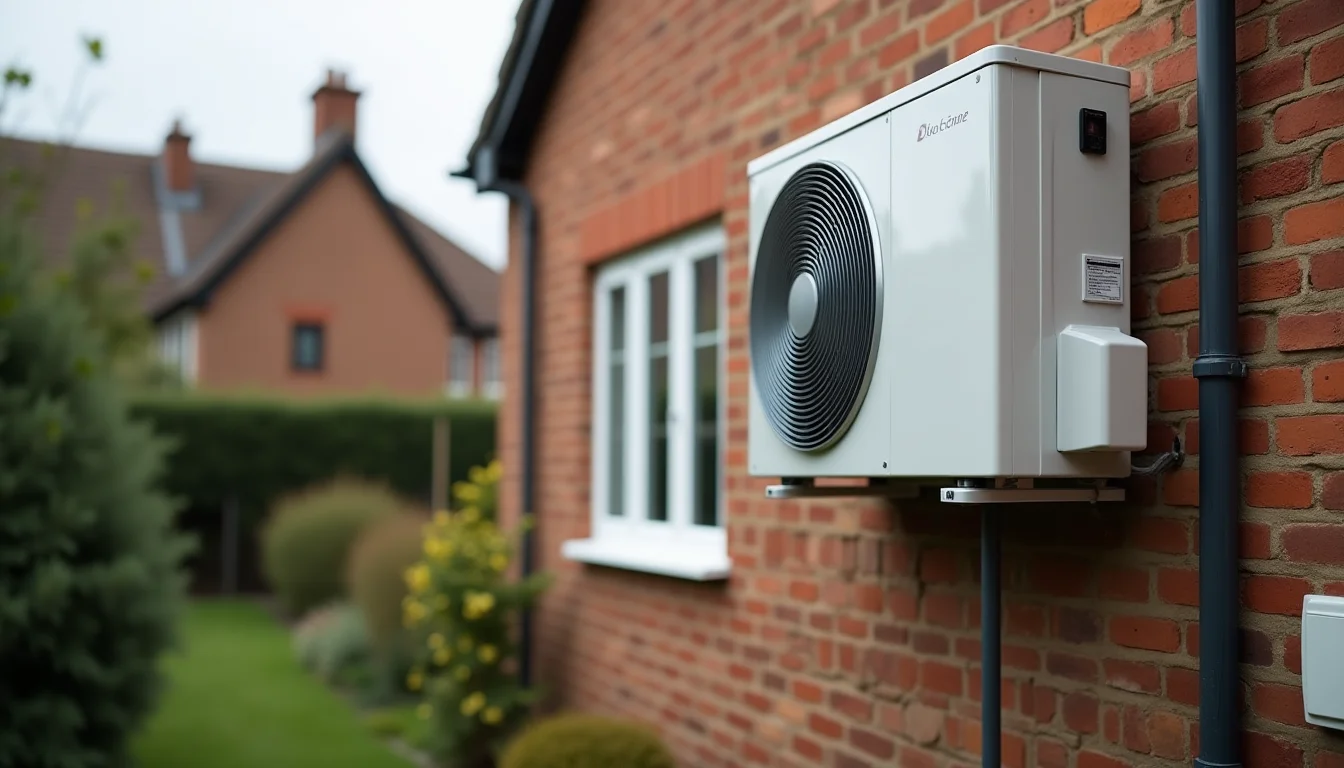
From 28 April 2026, the Boiler Upgrade Scheme (BUS) is changing in three significant ways: air-to-air heat pumps become eligible for grant funding, homeowners replacing oil or LPG boilers can claim up to £9,000 instead of £7,500, and the requirement for a valid EPC is being scrapped entirely. These are the biggest changes since the scheme launched in 2022, and they affect anyone considering a heat pump installation right now.
What's Actually Changing With the Boiler Upgrade Scheme in April 2026?
Let's break this down into the three separate changes, because they each matter for different reasons.
Air-to-air heat pumps are now eligible. Until 28 April 2026, the BUS only covered air source (air-to-water), ground source, and water source heat pumps. Air-to-air systems, which heat your home by blowing warm air rather than heating water for radiators, were left out. That's now changing. If you've got a property where wet central heating is impractical or too expensive to retrofit, this opens up a much cheaper installation route.
Oil and LPG replacements get £9,000. If your home currently runs on oil or LPG (liquefied petroleum gas), you'll be able to claim £9,000 towards your heat pump installation instead of the standard £7,500. The government's logic here is straightforward: off-grid homes burning oil or LPG have higher carbon emissions per household than those on mains gas, and they tend to face higher installation costs too.
No more EPC requirement. Previously, you needed a valid Energy Performance Certificate before applying. From 28 April 2026, that requirement disappears. You won't need to pay £60 to £120 for an EPC assessment or wait weeks for an assessor to visit.
How Does the New £9,000 Grant Work for Oil and LPG Homes?
The increased £9,000 grant applies specifically to properties that are replacing an existing oil or LPG heating system. If you're on mains gas, the grant stays at £7,500. And if you're replacing electric storage heaters or have no existing boiler at all, you'll also get the standard £7,500.
Here's a real example of what this means in practice. Say you live in a three-bedroom detached house in rural Shropshire, currently heated by an oil boiler. A typical air source heat pump installation for a home like that might cost around £12,000 to £14,000 after factoring in a new hot water cylinder and any radiator upgrades. With the £9,000 grant, your out-of-pocket cost drops to roughly £3,000 to £5,000. Compare that to replacing your oil boiler, which would cost £3,000 to £4,500 and lock you into volatile oil prices for another 15 years.
To qualify for the higher amount, your installer will need to confirm that the system being replaced is oil or LPG. The property must be in England or Wales, and the installation must be carried out by an MCS certified installer. Those core rules haven't changed.
Why Are Air-to-Air Heat Pumps Now Part of the Scheme?
Frankly, this change is overdue. Air-to-air heat pumps are widely used across Scandinavia, Japan, and much of southern Europe. They're typically cheaper to install than air-to-water systems because they don't need a hot water cylinder, underfloor heating, or new radiators. A single-split air-to-air unit can cost as little as £1,500 to £3,000 installed, while a multi-split system covering a whole house might run to £5,000 to £8,000.
The catch? Air-to-air heat pumps don't heat your water. You'll still need a separate solution for hot water, whether that's an immersion heater, a dedicated hot water heat pump, or a solar thermal system. For homes that already have an electric shower and don't use much hot water from a tank, this might not be a big deal.
There's one important detail to watch. At the time of writing, the government hasn't confirmed exactly which air-to-air systems will qualify or whether the full £7,500 grant will apply to them. It's possible the grant amount for air-to-air could be lower, reflecting the lower installation costs. We'll update this article once the final regulations are published.
The EPC Requirement Is Gone. Does That Actually Matter?
More than you might think. The EPC requirement was one of the most common reasons BUS applications stalled or fell through. Homeowners would get quotes, choose an installer, and then discover their EPC had expired or they'd never had one done. Booking an energy assessor could add two to four weeks to the timeline, and in some rural areas, the wait was even longer.
Removing the EPC also eliminates an awkward situation where a home might "fail" to meet an energy efficiency threshold. While the BUS didn't technically require a minimum EPC rating, some homeowners were confused about whether their rating affected eligibility. That confusion is now gone.
But here's something worth considering. Even though you won't need an EPC for the grant, getting one is still useful. A decent energy assessor will spot issues like poor loft insulation or single-glazed windows that could affect your heat pump's performance. Don't skip the assessment just because the government no longer requires it.
Should You Wait Until After 28 April 2026 or Apply Now?
This depends entirely on your situation. If you're on mains gas and you've already got quotes lined up, there's no financial advantage to waiting. The grant stays at £7,500 whether you apply before or after 28 April.
If you're on oil or LPG, the maths changes. Waiting until after 28 April gets you an extra £1,500. That's a meaningful amount of money, and unless your boiler is about to give up completely, it's probably worth holding off a few weeks if you're close to that date.
And if you've been put off by the cost of air-to-water systems and you're interested in air-to-air, waiting makes sense too. But don't just wait passively. Use the time to get quotes, talk to MCS certified installers, and work out which system suits your home. The best installers are booking weeks or months ahead, so starting the conversation now means you'll be ready to move quickly once the new rules kick in.
What About the £7,500 BUS Grant? Is It Still Available?
Yes. The standard Boiler Upgrade Scheme grant of £7,500 remains in place for most installations. If you're replacing a gas boiler with an air source heat pump, that's your grant amount. Same if you're installing a ground source heat pump.
The scheme currently runs until March 2028, so there's no immediate deadline pressure. But grant funding is allocated on a first-come, first-served basis each financial year. In the 2025/26 financial year, uptake increased sharply, and some months saw record application numbers. If demand keeps rising through 2026 and 2027, there's always a risk the annual budget gets used up before the year ends.
Your installer handles the grant application as part of the process. You don't apply separately. The £7,500 (or £9,000) comes off your invoice, so you only pay the balance. It's one of the more straightforward government schemes, honestly.
"I'm Worried the Changes Will Cause Delays and Confusion"
This is the most common concern we're hearing from homeowners right now. And it's a fair one. Anytime a government scheme changes, there's a transition period where installers are catching up with new rules, Ofgem is updating its systems, and nobody's quite sure how the new process works in practice.
Here's what we'd suggest. If you're planning an installation around the 28 April changeover date, ask your installer directly whether they're registered for the new scheme rules and whether they expect any processing delays. MCS certified installers receive guidance from both MCS and Ofgem ahead of changes like this, so a good installer will be able to give you a straight answer.
For air-to-air heat pumps specifically, expect a short period where fewer installers are set up to offer grant-funded installations. The MCS certification process for air-to-air may take some installers time to complete. If you're set on an air-to-air system, check that your chosen installer is MCS certified for that specific technology.
Frequently Asked Questions
Can I get a £9,000 grant for a heat pump if I have a gas boiler?
No. The £9,000 grant is only for homes replacing oil or LPG boilers. If you're on mains gas, the grant remains at £7,500. This applies to air source, ground source, and water source heat pump installations under the Boiler Upgrade Scheme.
Are air-to-air heat pumps eligible for the Boiler Upgrade Scheme?
From 28 April 2026, yes. Air-to-air heat pumps will become eligible for BUS grant funding for the first time. The installation must be carried out by an MCS certified installer, and the final grant amount for air-to-air systems will be confirmed when the regulations are published.
Do I still need an EPC to get the heat pump grant?
No. From 28 April 2026, you no longer need a valid Energy Performance Certificate to apply for the Boiler Upgrade Scheme grant. The EPC requirement is being removed entirely, though getting an energy assessment is still a good idea before installing a heat pump.
How long will the Boiler Upgrade Scheme run until?
The Boiler Upgrade Scheme is currently confirmed to run until March 2028. Funding is allocated annually, so while there's no immediate rush, the budget for each financial year could run out if demand is high enough. Apply when you're ready rather than leaving it to the last minute.
Can I get a heat pump grant if my house has no gas connection?
Yes. Off-grid homes are fully eligible for the Boiler Upgrade Scheme. If you're currently using oil or LPG, you could receive up to £9,000 from 28 April 2026. If you're using electric heating with no boiler, you can still apply for the standard £7,500 grant.
If you're ready to explore your options, find a local MCS certified heat pump installer on heatpumpinstallerdirectory.co.uk. Get quotes, compare costs, and make sure you're working with someone who knows the latest BUS rules inside out. The changes coming in April 2026 are genuinely good news for homeowners, so take advantage of them.