
Can a Heat Pump Replace a Combi Boiler Completely? A Step-by-Step Guide
Can a heat pump really replace your combi boiler? We walk through every step, from hot water cylinders to the £7,500 grant, so you know exactly what's involved.

Written by Heat Pump Buddy
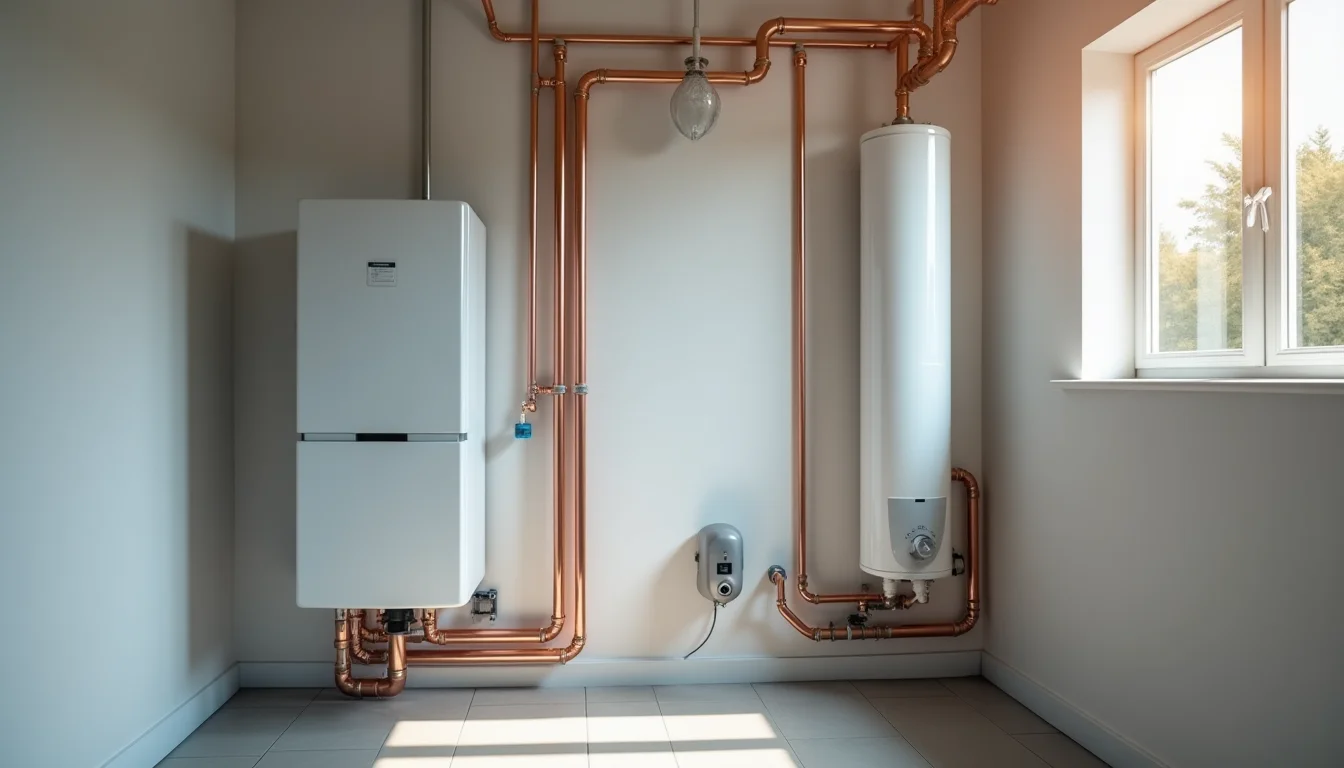
Yes, a heat pump can replace a combi boiler completely, handling both your heating and hot water. The main difference is that you'll need a hot water cylinder because heat pumps don't produce instant hot water the way a combi does. Thousands of UK homes have already made this switch, and with the £7,500 Boiler Upgrade Scheme grant still available in 2026, the upfront cost is lower than most people expect.
Why Are So Many Combi Boiler Owners Thinking About Heat Pumps?
Combi boilers account for roughly 70% of all boiler installations in the UK. They're popular because they're compact, they heat water on demand, and they don't need a separate tank. So it's completely reasonable to wonder whether swapping one out for a heat pump is practical or even worth the hassle.
The honest answer is that it does involve some changes to your setup. But those changes are manageable, and the running cost savings over a 15 to 20 year lifespan can be significant. Gas prices remain volatile, and the government's direction of travel is clear: new gas boiler installations in new-build homes are already being phased out.
If your combi boiler is approaching the end of its life, or you're already facing a repair bill, now is a sensible time to weigh up whether a heat pump makes more financial sense than fitting another gas boiler.
Step 1: Getting a Proper Heat Loss Survey Done
Before anything else, you need a heat loss survey. This isn't optional, and any installer worth their salt will insist on one. It calculates exactly how much heat your home loses through walls, windows, floors, and the roof, room by room.
This survey determines the size of heat pump you need. Get it wrong and you'll either have a system that can't keep up on cold days or one that's oversized and wastes energy cycling on and off. A good MCS certified installer will spend a couple of hours on this, measuring every room and noting insulation levels.
Frankly, if an installer quotes you a price without doing a heat loss survey first, walk away.
Step 2: Sorting Out Your Hot Water (The Cylinder Question)
This is the biggest practical change for combi boiler owners. A combi heats water instantly as it flows through the unit. A heat pump works differently. It heats water more gradually and stores it in a cylinder, typically between 170 and 250 litres depending on your household size.
That means you need to find space for a hot water cylinder. In many homes, this goes in an airing cupboard, a utility room, or even a bedroom cupboard if space is tight. If your home had a hot water tank before the combi was fitted, there may already be a suitable spot.
For a typical three-bedroom semi, a 200-litre cylinder is usually enough for a family of four. The cylinder keeps water at around 45 to 50°C, which is perfectly adequate for showers and baths. Modern cylinders are well insulated and lose very little heat throughout the day.
Step 3: Do You Need to Upgrade Your Radiators?
Heat pumps run most efficiently at lower flow temperatures than gas boilers. A combi typically pushes water out at 60 to 75°C. A heat pump works best at 35 to 45°C. That means your radiators need to be large enough to give off the same amount of heat at those lower temperatures.
In practice, many homes only need a few radiators swapped or upsized, not all of them. Your installer will check each room during the heat loss survey and tell you which, if any, need changing. Bathrooms and older extensions are the most common culprits.
Some homeowners choose to add underfloor heating in key areas like kitchens or living rooms during the switch. Underfloor heating works brilliantly with heat pumps because it's designed for low flow temperatures. But it's not essential.
Step 4: Choosing Between an Air Source and Ground Source Heat Pump
Most homeowners replacing a combi boiler will go for an air source heat pump. They're simpler to install, cheaper, and don't require extensive groundwork. The outdoor unit sits on a flat base, usually against an external wall, and is roughly the size of a large suitcase stood on its end.
Ground source heat pumps are more efficient, especially in very cold weather, but they require either boreholes or trenches dug in your garden. For the average terraced or semi-detached home, ground source is rarely practical or cost-effective.
An air source heat pump for a three-bed semi typically costs between £10,000 and £14,000 before the grant. After the £7,500 BUS grant, you're looking at roughly £2,500 to £6,500 depending on how much additional work is needed.
How the £7,500 Boiler Upgrade Scheme Grant Works in 2026
The Boiler Upgrade Scheme (BUS) provides a £7,500 grant towards air source heat pumps and £7,500 towards ground source heat pumps. As of 2026, the scheme is still running and available to homeowners in England and Wales.
To qualify, your home must have an existing heating system (replacing a combi boiler ticks that box), a valid EPC, and the installation must be carried out by an MCS certified installer. The installer applies for the grant on your behalf. You don't need to pay the grant amount upfront; it's deducted from your quote.
There's no means testing. It doesn't matter what you earn or what the property is worth. The only real requirements are that the property is your home (not a new build) and that the installer is MCS accredited.
One thing to be aware of: demand for the grant has increased in 2026, and some months see vouchers allocated quickly. Don't leave it until the last minute if you're planning a switch this year.
"Will a Heat Pump Actually Keep My House Warm Enough?"
This is the number one worry we hear from homeowners. And it's a fair question, especially if you're used to the instant blast of heat from a gas boiler turning on.
Heat pumps work differently. Instead of firing up for short bursts throughout the day, they tend to run at a low, steady output for longer periods. The result is a more consistent temperature throughout your home, fewer cold spots, and no sudden swings between too hot and too cold.
A properly sized heat pump will keep your home at your chosen temperature even when it's minus 5°C outside. Modern air source units are tested to work down to minus 20°C. The UK rarely gets that cold.
Here's a real example: Sarah and James in Nottingham replaced their 12-year-old combi boiler with a 9kW air source heat pump in early 2026. Their 1970s three-bed semi had cavity wall insulation and double glazing already. They upgraded two radiators in the hallway and lounge, added a 210-litre cylinder in the old airing cupboard, and the total cost after the BUS grant came to around £4,200. Their gas bill had been roughly £1,300 a year. Their electricity costs for the heat pump are running at about £750 a year so far, and the house is noticeably more evenly heated.
What About Hybrid Systems? Do You Have to Go All-In?
If you're not ready to ditch gas entirely, a hybrid system is worth considering. This pairs a smaller heat pump with your existing or a new gas boiler. The heat pump handles most of the heating, and the boiler kicks in only during the coldest spells or to top up hot water demand.
Hybrids can work well in older, less insulated homes where a full heat pump replacement might need extensive radiator upgrades. But there's a trade-off: you're still connected to gas, you still pay a gas standing charge, and you won't reduce your carbon emissions as much.
The BUS grant doesn't cover hybrid systems, so you'd be paying the full cost. For most homeowners in reasonably well-insulated homes, going fully to a heat pump makes better financial and practical sense.
Frequently Asked Questions
Can a heat pump replace a combi boiler in a small house?
Yes, heat pumps work in small houses. The main consideration is finding space for a hot water cylinder indoors and a flat area outside for the heat pump unit. Many two-bed terraced homes have had successful installations. Your MCS certified installer will survey your property and recommend the right size system.
How long does it take to replace a combi boiler with a heat pump?
A typical installation takes between two and four days. If you need radiator upgrades, underfloor heating, or significant pipework changes, it could stretch to five days. The MCS installer will give you a clear timeline before work starts.
Do I need planning permission to replace my combi boiler with a heat pump?
Most air source heat pump installations fall under permitted development and don't need planning permission. There are rules about noise levels and placement, and listed buildings or conservation areas may have restrictions. Your installer will check this during their initial survey.
Is it cheaper to run a heat pump than a combi boiler in 2026?
For most homes, yes. Based on 2026 energy prices, a well-installed heat pump typically costs between £500 and £900 a year to run, compared to £1,100 to £1,500 for a gas combi boiler. Actual savings depend on your home's insulation and how efficiently the system is set up.
What happens to my hot water pressure if I switch from a combi to a heat pump?
Your hot water pressure depends on the type of cylinder installed. An unvented cylinder, which is the most common choice, runs off mains pressure and delivers strong, consistent flow to showers and taps. Most homeowners notice no difference compared to their old combi.
Ready to find out what replacing your combi boiler with a heat pump would actually cost for your home? Use our directory at heatpumpinstallerdirectory.co.uk to find MCS certified heat pump installers in your area. You'll get quotes from vetted professionals who can survey your property, confirm your grant eligibility, and give you a clear, honest price.
Ready to talk to an installer?
Compare the listed firms, then check current MCS status, service coverage and any grant registration directly. Contact routes are shown when a firm has published one.
Related guides
- How Does a Heat Pump Work in Winter? A Practical Guide
Step-by-step explanation of how heat pumps extract warmth in freezing UK winters, including defrost cycles, backup heating, and tips to keep efficiency high.
- Do Heat Pumps Work With Existing Radiators?
Can you keep your existing radiators with a heat pump? Learn which radiators work, which need upgrading, and how flow temperature affects your heating system.
- Do Heat Pumps Work in Cold Weather in the UK?
Worried your heat pump won't cope with a UK winter? Here's how modern systems perform at sub-zero temperatures, plus practical tips to keep efficiency high.