
Can Landlords Claim the £7,500 Heat Pump Grant? BUS Grant Eligibility Explained
Can landlords actually get the £7,500 BUS grant for heat pumps? The rules have changed. Here's exactly who qualifies in 2026 and how to apply.

Written by Heat Pump Buddy
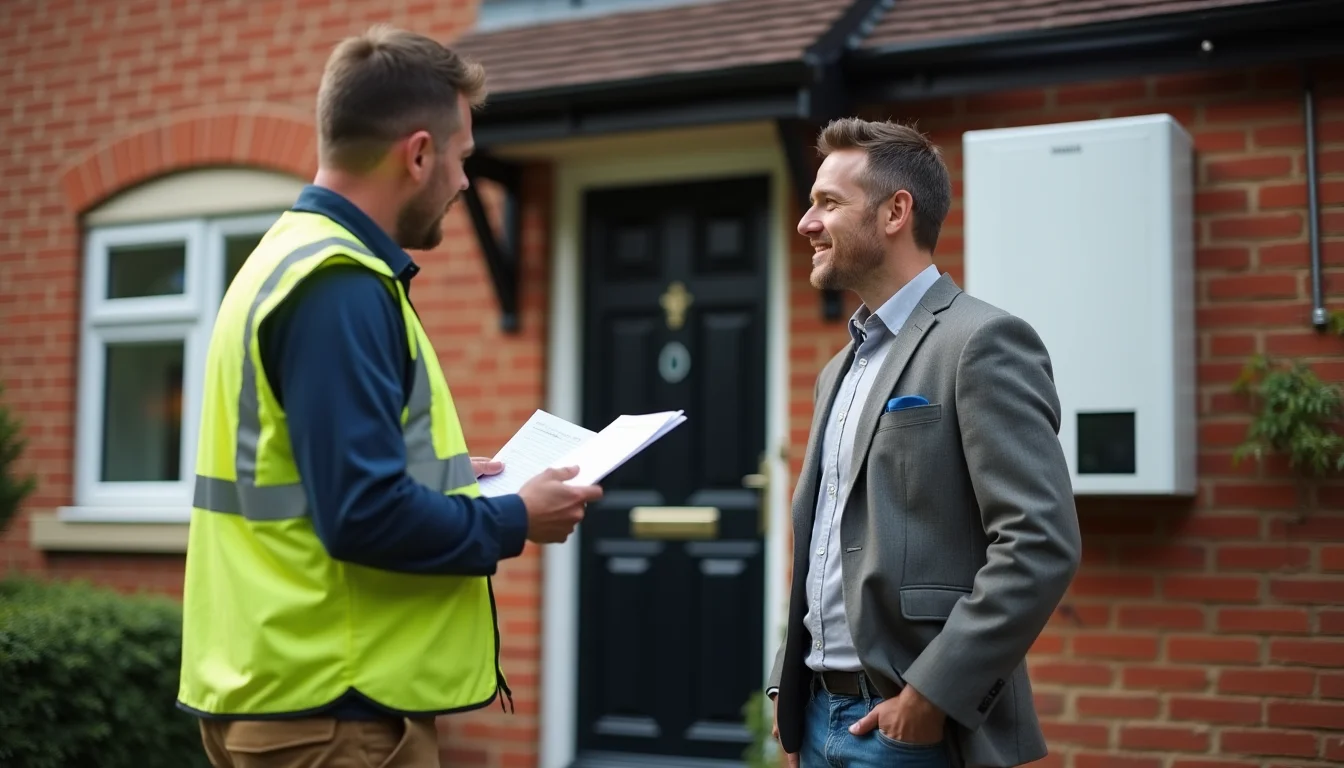
Yes, private landlords in England and Wales can claim the £7,500 Boiler Upgrade Scheme (BUS) grant for heat pump installations in 2026. The property must be an existing domestic building, you need to be replacing a fossil fuel heating system, and the installation must be carried out by an MCS certified installer. Social housing landlords are excluded from the BUS grant, but other funding routes exist for them.
Who Actually Qualifies for the BUS Grant as a Landlord?
The BUS grant is available to property owners, and that includes private landlords who own buy-to-let homes. You don't need to live in the property yourself. As long as the home is an existing domestic property in England or Wales, you're eligible to apply.
There are a few conditions you'll need to meet. The property must currently have a fossil fuel heating system like a gas or oil boiler. You can't use the grant on new-build homes, and you can't claim it if you've already had the same grant on that property before.
One thing that catches landlords out: the grant is per property, not per person. So if you own five buy-to-let houses, you could potentially claim £7,500 for each one. That's up to £37,500 in total grant funding across a portfolio.
Why Are Social Housing Landlords Excluded From the BUS Grant?
This is a question that comes up constantly, and it's a fair one. Social housing providers, including housing associations and local authorities, cannot claim through the Boiler Upgrade Scheme. The government's reasoning is that social housing has access to separate decarbonisation funding, specifically the Social Housing Decarbonisation Fund (SHDF).
The SHDF is designed to improve energy efficiency across social housing stock and includes funding for heat pumps alongside insulation and other upgrades. If you're a social landlord, that's the route you need to explore instead.
For private landlords, the BUS grant remains the most straightforward funding mechanism available. Honestly, it's one of the simplest government grants to access because your MCS certified installer handles most of the application process on your behalf.
What Are the EPC Requirements for Rental Properties Getting a Heat Pump?
Here's where things get interesting for landlords specifically. As of 2026, rental properties in England need a minimum EPC rating of E to be legally let. But the government has been signalling tighter standards, with proposals to require EPC C in the coming years.
A heat pump installation alone won't necessarily bring a draughty Victorian terrace up to an EPC C. You might need to address insulation, draught-proofing, or glazing first. The BUS grant doesn't cover those improvement works, so you'll need to budget separately.
That said, fitting a heat pump typically does improve your EPC rating because the assessment rewards low-carbon heating. For many properties already sitting at a D or E, a heat pump could be the thing that pushes you into C territory. It's worth getting a fresh EPC assessment before you commit, so you know exactly where you stand.
How the £7,500 BUS Grant Works for Landlord Applications in 2026
The Boiler Upgrade Scheme grant covers £7,500 towards the cost of an air source heat pump or a ground source heat pump. For ground source systems, the grant is the same £7,500 amount. The grant is deducted from your installation quote, so you never receive the cash directly.
Here's the step-by-step process for landlords:
- Find an MCS certified heat pump installer and get a quote for the property.
- The installer applies for the BUS grant voucher through Ofgem on your behalf.
- Ofgem issues the voucher, which is valid for three months.
- The installer completes the work and claims the £7,500 directly from Ofgem.
- You pay the remaining balance to the installer.
A typical air source heat pump installation for a three-bedroom semi-detached rental property might cost between £10,000 and £14,000. With the £7,500 grant, you'd be looking at an out-of-pocket cost of roughly £2,500 to £6,500. That's a significant reduction.
One important detail: the property must have a valid EPC on the register, dated no more than ten years old. If your rental property's EPC has expired, you'll need to get a new one before the grant application can proceed.
Can I Claim the Heat Pump Grant on Multiple Buy-to-Let Properties?
Yes, and this is genuinely one of the most overlooked opportunities for portfolio landlords. Each property is treated individually under the BUS scheme, so there's no cap on how many properties a single landlord can claim for.
Let's say you own three buy-to-let properties, all with ageing gas boilers. You could install air source heat pumps in all three and claim £22,500 in total grant funding. The only constraint is that each property needs its own MCS certified installation and its own valid EPC.
Some landlords are doing exactly this. Take a landlord with four terraced houses in Leeds, all built in the 1930s with gas combi boilers. By upgrading all four to air source heat pumps, they'd claim £30,000 in grants, reduce their gas standing charges to zero, and potentially improve each property's EPC rating by one or two bands. The running costs for tenants drop too, which makes the properties more attractive in a competitive rental market.
"My Tenants Don't Want the Disruption" and Other Common Concerns
This is the objection we hear most from landlords. And it's a legitimate worry. Nobody wants to deal with tenant complaints about noise, mess, or a few days without heating.
The reality is that a well-planned heat pump installation typically takes two to three days. Your installer should coordinate with tenants directly, and most work happens outside the property. The outdoor unit sits on a concrete plinth or wall brackets, and the internal changes usually involve swapping the boiler for a hot water cylinder and updating some pipework.
Timing matters, though. Book the installation for late spring or summer when your tenants won't be relying on the heating. A good installer will work around occupied properties without causing major upheaval.
Another concern is noise. Modern air source heat pumps run at about 40 to 45 decibels, which is roughly the volume of a fridge. They're required to meet planning noise limits at the nearest neighbour's window, so this shouldn't be an issue for terraced or semi-detached rentals.
And what about the question of who benefits? You're paying for the installation, but your tenants get cheaper heating bills. That's true, but you also get a more energy-efficient property with a better EPC rating, lower maintenance costs compared to an ageing boiler, and a home that meets incoming energy performance regulations without a last-minute scramble.
Frequently Asked Questions
Can a private landlord get the boiler upgrade scheme grant?
Yes, private landlords can claim the £7,500 BUS grant for each eligible rental property they own. The property must be an existing domestic building in England or Wales with a fossil fuel heating system being replaced. Your MCS certified installer handles the grant application through Ofgem.
Do I need an EPC to get the heat pump grant as a landlord?
You do. Every property applying for the BUS grant must have a valid Energy Performance Certificate lodged on the EPC register. For rental properties, you should already have one since it's a legal requirement for letting, but check it hasn't expired before starting the application.
Can housing associations claim the £7,500 heat pump grant?
No, social housing providers including housing associations and council housing are not eligible for the Boiler Upgrade Scheme. They should look at the Social Housing Decarbonisation Fund instead, which provides separate funding for energy efficiency improvements and heat pump installations.
How many buy-to-let properties can I claim the heat pump grant on?
There's no limit on the number of properties a single landlord can claim for. Each property qualifies individually for the full £7,500 grant, so a landlord with ten eligible rental homes could claim up to £75,000 in total BUS grant funding.
Does a heat pump improve the EPC rating on a rental property?
In most cases, yes. Replacing a gas or oil boiler with a heat pump typically improves the EPC rating because the assessment method rewards low-carbon heating systems. The exact improvement depends on other factors like insulation levels and glazing, but moving up one or two EPC bands is common.
Find an MCS Certified Installer for Your Rental Property
If you're a landlord looking to install heat pumps across your rental properties, the first step is getting quotes from MCS certified installers in your area. Only MCS certified installers can apply for the BUS grant on your behalf. Use our directory at heatpumpinstallerdirectory.co.uk to find trusted, qualified heat pump installers near your rental properties and start the process today.