
What Is the Cheapest Heat Pump to Run in the UK? Running Costs Compared
Which heat pump is cheapest to run in the UK? We compare air source, ground source & hybrid running costs with real 2026 figures to find the best value option.

Written by Heat Pump Buddy
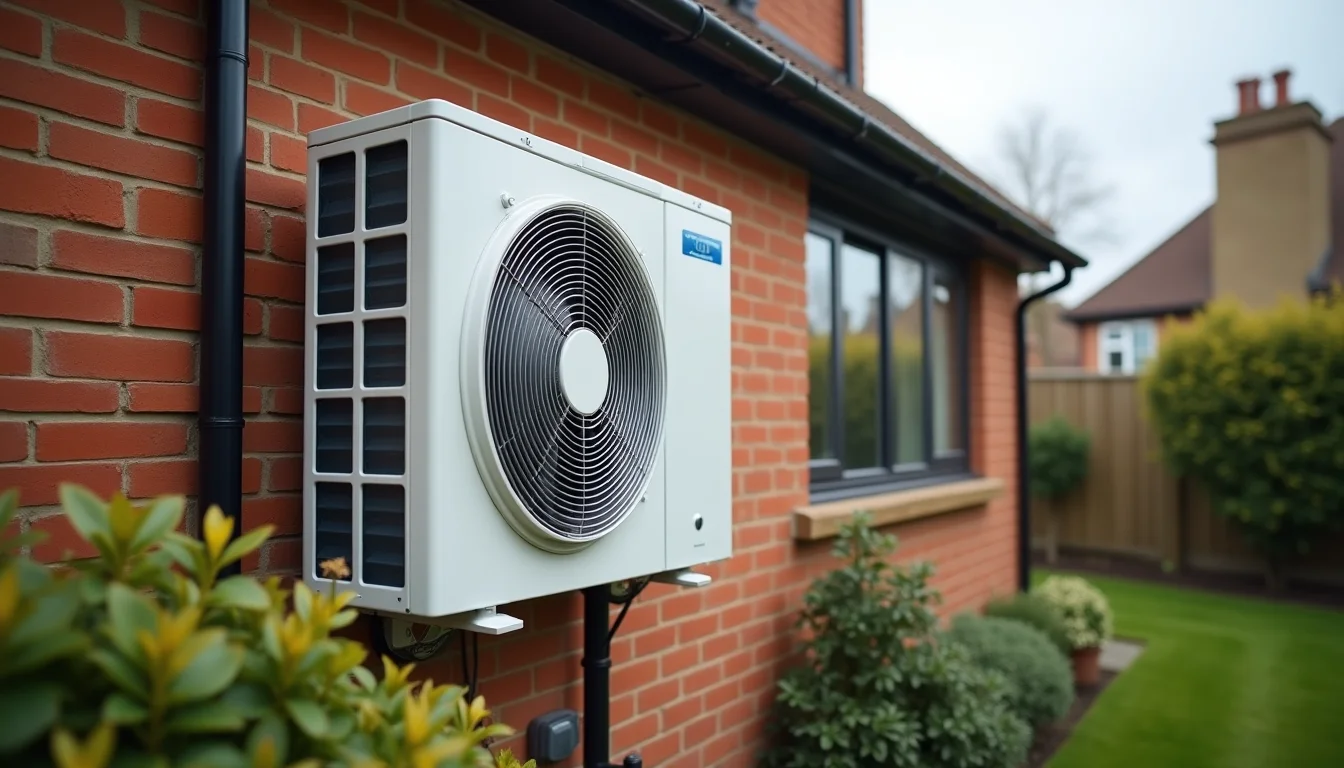
Ground source heat pumps are the cheapest heat pump to run in the UK, thanks to their higher seasonal efficiency (SCOP of 3.5 to 4.5 compared to 2.8 to 3.5 for air source models). But "cheapest to run" doesn't always mean "best value" once you factor in installation costs, your property type, and the £7,500 BUS grant. This guide breaks down real running costs for every type so you can make the right call for your home.
How Much Does a Heat Pump Cost to Run Per Year in the UK?
Let's start with actual numbers. The average UK home uses around 12,000 kWh of heat energy per year. How much electricity a heat pump needs to deliver that heat depends entirely on its efficiency, measured as the Seasonal Coefficient of Performance (SCOP).
At the current electricity rate of roughly 24.5p per kWh (Ofgem price cap, Q2 2026), here's what the annual running costs look like for a typical 3-bed semi:
- Air source heat pump (ASHP) with an SCOP of 3.2: around £920 per year
- Ground source heat pump (GSHP) with an SCOP of 4.0: around £735 per year
- Hybrid heat pump (heat pump plus gas boiler backup) with blended efficiency: around £850 to £1,050 per year, depending on how much gas is used
For comparison, running a gas boiler at 90% efficiency with gas priced at roughly 6.8p per kWh costs about £905 per year. So a ground source heat pump is already cheaper to run than gas. An air source unit sits roughly level with gas, and a hybrid can go either way depending on settings.
What Makes Ground Source Heat Pumps Cheaper to Run?
The answer is simple: the ground stays warmer than the air.
During a cold January night, when the air temperature drops to minus 3°C, the ground a metre or two below the surface holds steady at around 8 to 12°C. That warmer source temperature means the heat pump doesn't have to work as hard to extract usable heat. It's physics, not marketing.
This is why ground source systems regularly achieve SCOPs of 3.5 to 4.5 in real-world UK conditions, while air source units typically land between 2.8 and 3.5. That efficiency gap of 15 to 30 percent translates directly into lower electricity bills.
The catch? Ground source installation costs are significantly higher, which we'll get to.
Air Source vs Ground Source vs Hybrid: Full Cost Comparison
Running cost is only one piece of the puzzle. Here's a fuller picture for a typical UK home in 2026:
| Air Source | Ground Source | Hybrid | |
|---|---|---|---|
| Typical installation cost | £10,000 to £14,000 | £20,000 to £35,000 | £5,000 to £10,000 |
| Cost after £7,500 BUS grant | £2,500 to £6,500 | £12,500 to £27,500 | Not eligible for BUS |
| Annual running cost | £870 to £970 | £690 to £780 | £850 to £1,050 |
| SCOP range | 2.8 to 3.5 | 3.5 to 4.5 | Varies |
| Lifespan | 15 to 20 years | 20 to 25+ years | 15 to 20 years |
A few things jump out here. Ground source costs the least to run each year, but the upfront installation cost is roughly double that of air source, even after the grant. If you're purely thinking about payback periods, an air source heat pump often makes more financial sense for a typical semi-detached or detached home.
Hybrids are interesting. They pair a smaller air source heat pump with your existing gas boiler. The heat pump handles milder weather (when it's most efficient), and the boiler kicks in during the coldest spells. Running costs land somewhere between a full heat pump and a boiler, but you don't fully move away from gas.
A Real Example: The Johnsons' 1930s Semi in Leeds
Let's make this concrete. The Johnsons own a 3-bed 1930s semi with cavity wall insulation and double glazing. Their old gas boiler was costing them about £950 per year to heat the house and provide hot water.
They had an air source heat pump installed in spring 2026 for £11,200 before the grant, bringing the actual cost down to £3,700. Their installer specified a system with an SCOP of 3.1, and they switched to a time-of-use electricity tariff that gives them cheaper rates overnight.
Their projected annual heating cost? Around £780. That's roughly £170 less than their old gas boiler. At that rate, the system pays for itself in about 22 years on running cost savings alone, though rising gas prices and the system's 20-year lifespan could shift that maths considerably.
Had they gone for ground source, the running cost would have dropped to around £650, but the installation cost after the grant would have been around £16,000. The payback on that extra spend just from running cost savings would have been over 50 years. For most homeowners in similar houses, the air source option is the smarter financial choice.
How the £7,500 Boiler Upgrade Scheme Grant Affects Your Decision
The Boiler Upgrade Scheme (BUS) is still running in 2026 and offers £7,500 towards the cost of an air source or ground source heat pump. Hybrid systems aren't eligible, which is a significant factor if you're weighing up options.
To qualify, you need:
- A valid EPC for your property (no loft insulation requirement, but it's recommended)
- An MCS certified installer to carry out the work and apply on your behalf
- The property must be an existing building, not a new build
That £7,500 changes the economics dramatically for air source installations. A system that costs £11,000 drops to £3,500 out of pocket. For ground source, the grant still helps, but you're typically looking at £15,000 to £25,000 even after the discount.
Frankly, if you're in a standard home with a garden too small for ground loops or boreholes, an air source heat pump with the BUS grant is the sweet spot between running costs and upfront investment.
"Will a Heat Pump Actually Save Me Money Compared to Gas?"
This is the question that stops most people in their tracks. And honestly, the answer depends on three things: your electricity tariff, your home's insulation, and the efficiency of the system installed.
If you're on a standard variable electricity tariff at 24.5p per kWh and your heat pump achieves an SCOP of 3.0, your effective cost per kWh of heat is about 8.2p. Gas at 6.8p per kWh through a 90% efficient boiler gives you an effective heat cost of about 7.6p. That's close, but gas still edges it.
But switch to a heat pump tariff like Octopus Cosy (or similar off-peak deals) and your effective electricity rate drops to around 15 to 18p per kWh for heating hours. Suddenly your cost per kWh of heat falls to 5 to 6p. That's meaningfully cheaper than gas.
Insulation matters too. A well-insulated home needs less heat, which means a smaller heat pump running at higher efficiency. If your walls are uninsulated and your windows are single-glazed, a heat pump will still work, but it'll cost more to run and you might not see savings over gas.
The bottom line: with the right tariff and reasonable insulation, most heat pump owners in 2026 are paying less for heating than they would with a gas boiler.
How to Cut Your Heat Pump Running Costs Even Further
A few practical steps can make a real difference to your annual bills:
Switch to a heat pump electricity tariff. Several suppliers now offer tariffs designed for heat pump users, with cheaper overnight and off-peak rates. This alone can reduce running costs by 15 to 25%.
Get your insulation sorted first. Loft insulation, draught-proofing, and (if possible) cavity wall insulation all reduce the amount of heat your system needs to produce. Less demand means lower bills.
Use weather compensation controls. Most modern heat pumps come with weather compensation as standard. This adjusts the flow temperature based on outside conditions, keeping the system running at peak efficiency rather than blasting heat at a constant high temperature.
Don't turn the heat pump on and off constantly. Heat pumps work best running at a low, steady output rather than cycling on and off like a gas boiler. Let it maintain a consistent temperature and your efficiency will improve.
Frequently Asked Questions
What is the cheapest type of heat pump to run in the UK?
Ground source heat pumps are the cheapest to run, typically costing £690 to £780 per year for a standard UK home. Their higher SCOP of 3.5 to 4.5 means they use less electricity than air source models. But their installation cost is significantly higher, so air source often offers better overall value.
How much does it cost to run an air source heat pump per month?
For a typical 3-bed UK home in 2026, an air source heat pump costs roughly £70 to £85 per month on average across the year. This assumes an SCOP of around 3.0 to 3.5 and electricity at 24.5p per kWh. Monthly costs will be higher in winter and much lower in summer.
Are heat pumps cheaper to run than gas boilers in 2026?
It depends on your electricity tariff. On a standard tariff, heat pumps and gas boilers cost roughly the same to run. But if you switch to a heat pump-specific electricity tariff with cheaper off-peak rates, a heat pump can save you £100 to £250 per year compared to gas.
Is a hybrid heat pump worth it financially?
Hybrid systems can reduce gas use by 50 to 70%, but they aren't eligible for the £7,500 BUS grant and they still tie you to gas prices. They make most sense for poorly insulated homes where a full heat pump would struggle, or as a stepping stone before a complete switch.
Do ground source heat pumps save enough to justify the higher cost?
Ground source heat pumps save around £150 to £200 per year in running costs compared to air source. But they cost £10,000 to £20,000 more to install. For most standard UK homes, the payback on that extra investment is very long. They're best suited to larger properties, rural homes with plenty of land, or new builds where trenching is easier.
Ready to find out what a heat pump would cost to run in your home? Use the heatpumpinstallerdirectory.co.uk to find a local MCS certified installer who can survey your property, recommend the right system, and apply for the £7,500 BUS grant on your behalf. Getting quotes from two or three installers is the best way to compare real costs for your specific situation.
Ready to talk to an installer?
Every firm in the directory is MCS-certified, with reviews and grant registration shown on its listing.
Related guides
- Air Source Heat Pump Installation Cost UK 2026 — Full Breakdown
What does an air source heat pump really cost in 2026? We break down unit prices, labour, extras, running costs and grants so you can budget properly.
- Heat Pump vs Boiler Replacement Cost: Which Is Cheaper in 2026?
Heat pump or new boiler in 2026? We compare upfront costs, the £7,500 BUS grant, running costs, and 10-15 year totals so you can make the right call.
- Heat Pump Electricity Tariffs UK 2026: Which Is the Cheapest for Running Your Heat Pump?
We compare every major heat pump electricity tariff in the UK for 2026, with real annual running costs. The difference between best and worst? Over £400 a year.