
Future Homes Standard 2026: What Heat Pumps Becoming Mandatory in New Builds Means for Existing Homeowners
The Future Homes Standard 2026 makes heat pumps mandatory in new builds. Here's why existing homeowners should act now before installer wait times spike.

Written by Heat Pump Buddy
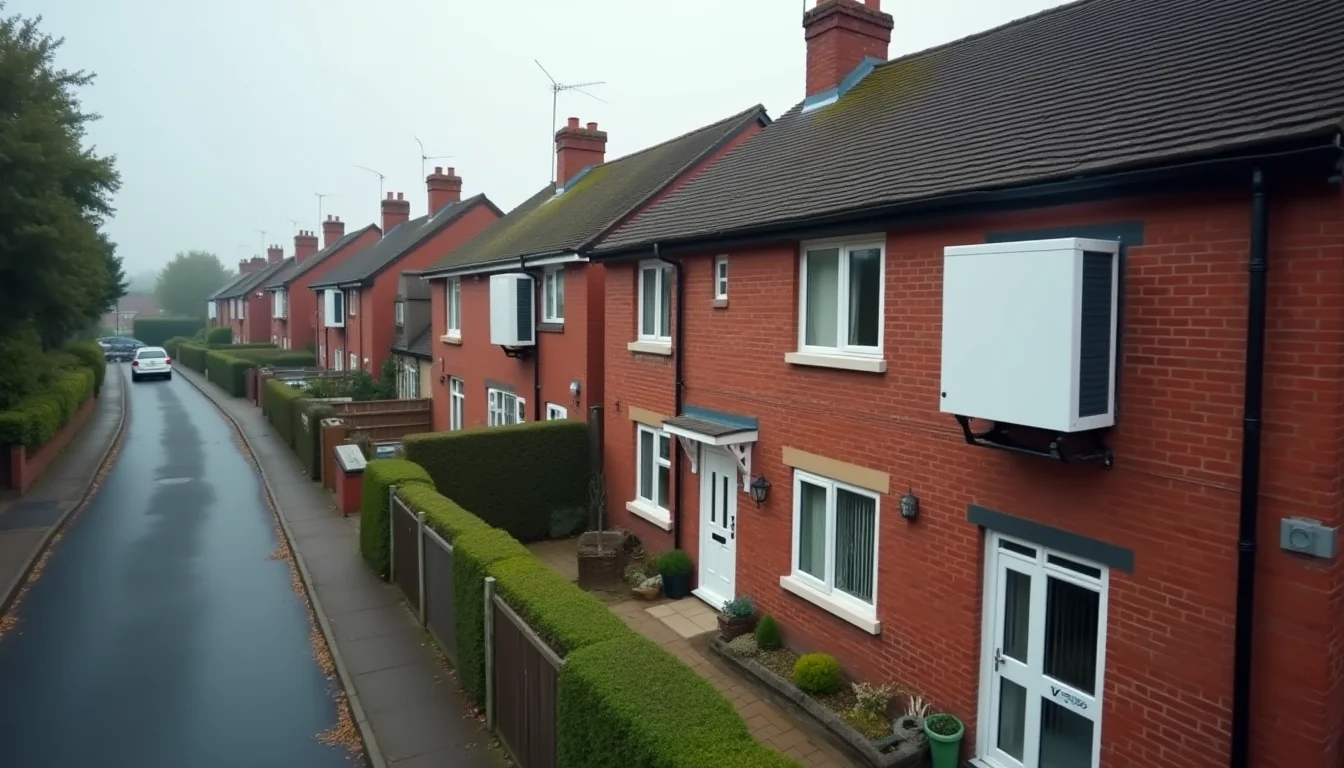
The Future Homes Standard takes effect in 2026, banning gas boilers in all new-build homes across England. While the rules apply to new construction, the knock-on effect for existing homeowners will be significant. Demand for MCS certified heat pump installers is about to surge, and if you've been thinking about switching from gas, the window to get your installation booked without long wait times is shrinking fast.
What Is the Future Homes Standard and Why Should Existing Homeowners Care?
The Future Homes Standard is a set of building regulations that requires all new homes in England to produce 75-80% fewer carbon emissions than those built under previous rules. In practice, this means no new gas boiler connections in any new-build property. Heat pumps, whether air source or ground source, become the default heating system for every new home built from 2026 onwards.
You might think this has nothing to do with you if you already own your home. You'd be wrong.
The standard will pull thousands of MCS certified installers towards the new-build sector. Housebuilders like Barratt, Persimmon, and Taylor Wimpey are already signing long-term contracts with installation firms to guarantee capacity. That means fewer installers available for retrofit jobs on existing homes. The maths is simple: England needs roughly 250,000 new homes a year, and every single one will now need a heat pump fitted.
How Will Mandatory Heat Pumps in New Builds Affect Installer Wait Times?
Right now, the average wait time for a domestic heat pump installation sits at around 4 to 8 weeks in most parts of England, depending on where you live. In rural areas with fewer installers, it can stretch to 12 weeks or more.
Once the Future Homes Standard fully kicks in, those wait times are almost certain to increase. The UK currently has around 3,500 MCS certified heat pump installers. The government's own target was to have 30,000 trained heat pump engineers by the mid-2020s. We're nowhere close. The training pipeline is growing, but not fast enough to absorb both the new-build mandate and rising retrofit demand from homeowners using the Boiler Upgrade Scheme.
Here's a real-world example. In early 2026, a homeowner in Oxfordshire contacted three local MCS certified installers for quotes. Two couldn't book a survey for six weeks because they'd already committed capacity to a local housing development. The third had availability but only because they'd recently expanded their team. This kind of thing will become more common as the year goes on.
Frankly, if you're sitting on the fence about fitting a heat pump, the availability picture is only going to tighten.
The £7,500 Boiler Upgrade Scheme Grant: Use It Before Demand Peaks
The Boiler Upgrade Scheme (BUS) currently offers £7,500 off the cost of an air source heat pump installation for homeowners in England and Wales. The grant is applied directly by your MCS certified installer, so you never have to find that money upfront.
A typical air source heat pump installation for a three-bedroom semi-detached house costs between £10,000 and £14,000 before the grant. After the £7,500 BUS voucher, you're looking at roughly £2,500 to £6,500 out of pocket. That's comparable to a high-end gas boiler replacement.
The BUS has funding allocated through to March 2028. But here's the catch. The scheme operates on a first-come, first-served basis each financial year. If installer capacity gets swallowed up by new-build commitments, getting an MCS certified engineer to apply for your voucher becomes harder. Not because the money has run out, but because the people qualified to claim it on your behalf are fully booked.
The smartest move right now is to get quotes from local MCS certified installers while their diaries still have space for retrofit work.
Will Gas Boilers Be Banned in Existing Homes?
This is the question that comes up more than any other, and the answer in 2026 is no. The Future Homes Standard applies only to new-build properties. There is no current legislation forcing existing homeowners to rip out a working gas boiler.
However, the direction of travel is clear. The government's net zero targets mean gas boilers in existing homes will eventually need replacing with low-carbon alternatives. The most likely approach is a natural phaseout: as boilers reach end of life, replacements will increasingly need to be heat pumps or hybrid systems. Some policy experts expect restrictions on new gas boiler installations in existing homes by the early 2030s.
So while nobody is going to knock on your door and demand you remove your combi boiler, waiting until legislation forces your hand means you'll be competing with millions of other homeowners for the same limited pool of installers. And the grants available today may not exist then.
Are Heat Pumps Actually Worth It for Older UK Homes?
This is a genuine concern, and it deserves a straight answer. Older UK homes with poor insulation, single-glazed windows, and draughty walls will need some preparatory work before a heat pump runs efficiently. That's a fact, not a scare story.
But the idea that heat pumps only work in brand-new, super-insulated homes is outdated. Modern air source heat pumps operate efficiently at temperatures down to minus 20°C. Most UK homes built after 1930 can be made heat-pump-ready with cavity wall insulation, loft insulation, and sometimes improved radiators. You don't always need underfloor heating, despite what you might have read online.
A proper MCS certified installer will conduct a heat loss survey before recommending a system. If your home needs insulation upgrades first, they'll tell you. And those upgrades often qualify for separate funding through schemes like the Great British Insulation Scheme or local authority grants.
The running costs depend heavily on your electricity tariff. With a standard variable tariff, a well-installed heat pump in an average UK home costs roughly £800 to £1,100 per year to run. A time-of-use tariff like Octopus Go can bring that down further. Gas boiler running costs for the same home currently sit around £900 to £1,200, so the gap has narrowed considerably.
Have you actually checked what your home would need? It might be less than you think.
How to Get Ahead of the Future Homes Standard Demand Spike
The best time to book a heat pump installation is before everyone else tries to. Here's what to do right now:
Get a home energy survey or ask an MCS certified installer to conduct a heat loss assessment. This tells you exactly what your property needs.
Collect at least three quotes from different MCS certified installers. Prices and lead times vary more than you'd expect.
Check whether your home qualifies for the £7,500 BUS grant. Most owner-occupied homes in England and Wales do, provided they have a valid EPC and use an MCS certified installer.
Don't wait for your current boiler to break down. Planning an installation on your own timeline gives you better choices and pricing than an emergency replacement in December.
And keep an eye on installer availability in your area. If quotes start taking longer to come back, that's a sign the demand spike is already arriving.
FAQ
Are heat pumps mandatory in existing homes in 2026?
No. The Future Homes Standard 2026 only applies to new-build homes in England. Existing homeowners are not required to replace their gas boilers. However, the shift towards low-carbon heating means policy changes affecting existing homes are expected in the coming years.
How much does a heat pump cost after the government grant?
With the £7,500 Boiler Upgrade Scheme grant, a typical air source heat pump installation costs between £2,500 and £6,500 out of pocket for an average UK home. The exact price depends on your property size, the system chosen, and any additional work like radiator upgrades.
Will heat pump installer wait times increase because of the Future Homes Standard?
Very likely, yes. The new-build sector will absorb a significant share of the UK's limited pool of MCS certified installers. Homeowners looking to retrofit a heat pump should expect longer wait times as 2026 progresses, particularly in areas with large housing developments.
Can I still get a gas boiler installed in my existing home in 2026?
Yes. There is no ban on installing gas boilers in existing homes in 2026. The Future Homes Standard only prevents gas connections in new-build properties. You can still replace or repair your gas boiler, though the long-term trend is moving away from fossil fuel heating.
Do I need underfloor heating for a heat pump to work?
No. While underfloor heating works well with heat pumps, it isn't essential. Many homes use correctly sized radiators with heat pumps and achieve good results. An MCS certified installer will assess your home and recommend the most suitable setup, which often involves upgrading a few radiators rather than installing an entirely new system.
If you're ready to get ahead of the demand spike, use our directory to find a local MCS certified heat pump installer at heatpumpinstallerdirectory.co.uk. Compare quotes, check availability, and secure your £7,500 BUS grant while installer diaries still have room for retrofit work.
Ready to talk to an installer?
Compare the listed firms, then check current MCS status, service coverage and any grant registration directly. Contact routes are shown when a firm has published one.
Related guides
- Do I Need Planning Permission for a Heat Pump in the UK? A Complete Guide
Find out exactly when you do and don't need planning permission for a heat pump in the UK, plus the rules for listed buildings and conservation areas.
- Heat Pump Finance Options UK — Can You Spread the Cost?
Can't pay for a heat pump upfront? Explore UK finance options including 0% loans, green mortgages, installer payment plans and how each affects total cost.
- Heat Pump Subsidies Could Be Cut to Fund Defence Spending
Reports suggest heat pump grants could be cut to fund defence. Here's what UK homeowners should do right now to lock in the £7,500 BUS grant before any changes.