
Heat Pump Grants Boosted to £9,000 for Oil Boiler Homes: What You Need to Know About the Increased Boiler Upgrade Scheme
Oil boiler homes can now claim £9,000 towards a heat pump through the Boiler Upgrade Scheme. Find out who qualifies and how to apply before funds run out.

Written by Heat Pump Buddy
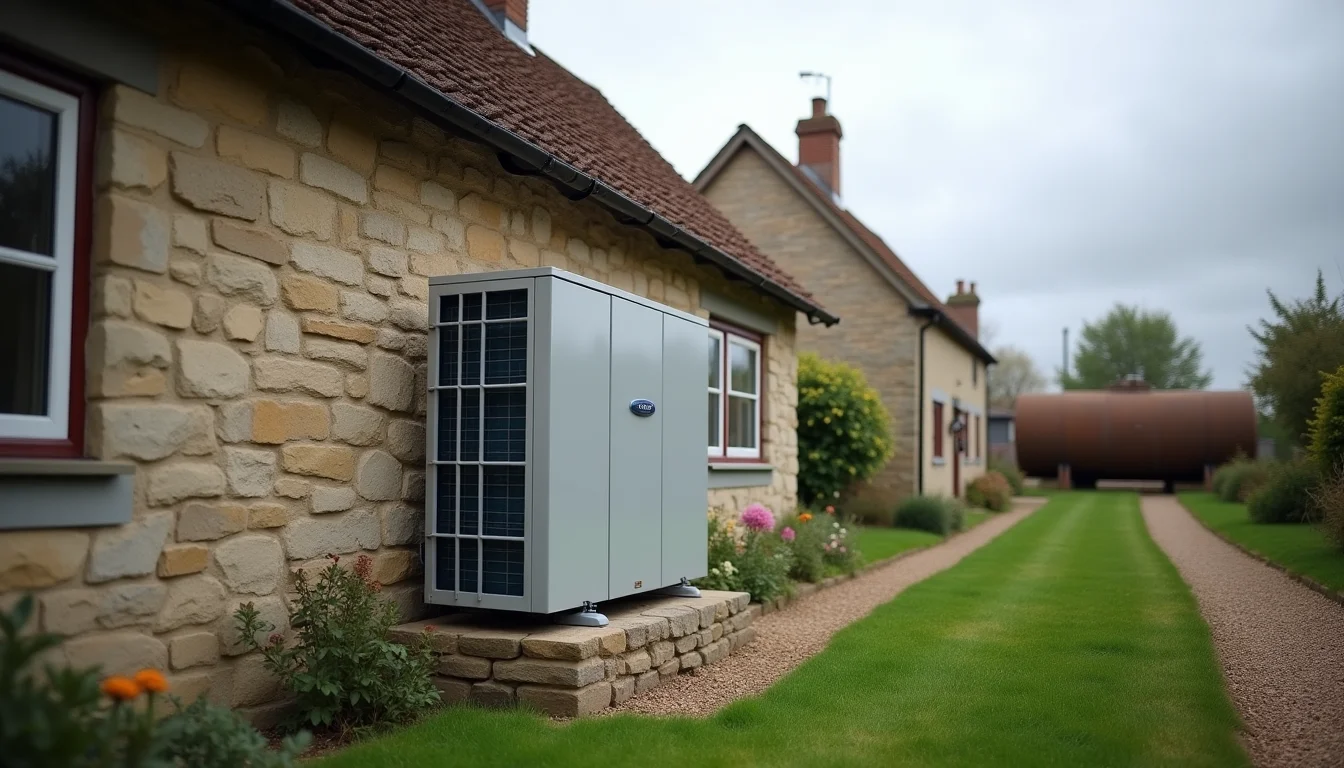
If you're heating your home with oil, you can now get £9,000 off the cost of a heat pump through the Boiler Upgrade Scheme (BUS). That's a £1,500 increase on the previous £7,500 grant, and it's specifically targeted at homes currently running on oil or LPG. The change took effect from early 2026 and applies to new applications going forward.
Why Have Heat Pump Grants Increased to £9,000 for Oil Boiler Replacements?
The government has long known that off-gas-grid homes burning oil and LPG are among the most expensive and carbon-heavy to heat in the UK. Around 1.7 million homes still rely on oil central heating, mostly in rural areas of England, Wales, and Scotland. The extra £1,500 recognises that these homes often face higher installation costs and need more encouragement to make the switch.
Frankly, it makes sense. Oil boiler households typically spend more on fuel than gas users, especially with heating oil prices sitting around 60-70p per litre in early 2026. A heat pump can cut those bills significantly, and the bigger grant closes the gap between what a heat pump costs and what a new oil boiler would set you back.
The increase also reflects the government's target to phase out new fossil fuel heating in off-gas-grid homes. If you've been sitting on the fence about replacing your oil boiler, this is the strongest financial incentive yet.
Who Qualifies for the £9,000 Heat Pump Grant?
The rules are straightforward. You must be replacing an existing oil or LPG heating system with an air source heat pump, ground source heat pump, or water source heat pump. The property needs to have a valid Energy Performance Certificate (EPC) with no outstanding recommendations for loft or cavity wall insulation (unless there's a good reason those can't be done).
Your installer must be MCS certified. That's non-negotiable. The MCS certification ensures the system is designed and installed to proper standards, and it's the only route to claiming the grant.
The property must be an existing building, not a new build. And the grant is available in England and Wales. Scotland has its own schemes with similar support.
How Does the £9,000 Grant Compare to the Standard £7,500 BUS Grant?
The standard Boiler Upgrade Scheme grant remains at £7,500 for homes replacing gas boilers with heat pumps. That figure hasn't changed. What's new is the higher tier specifically for oil and LPG replacements.
Here's how it breaks down:
- Replacing a gas boiler with an air source or ground source heat pump: £7,500
- Replacing an oil or LPG boiler with an air source or ground source heat pump: £9,000
- Biomass boilers (in qualifying rural properties): £5,000
For ground source heat pumps, the grant covers the same amounts. Given that ground source systems typically cost more to install (often £15,000 to £25,000 before the grant), the £9,000 contribution makes a real dent.
If you're on mains gas, you still get the £7,500, which remains one of the most generous renewable heating grants available anywhere in Europe. But the bump to £9,000 for oil homes acknowledges the particular challenges those households face.
What Does a Typical Oil-to-Heat-Pump Switch Actually Cost?
Let's look at a real example. Take a three-bedroom detached house in rural Devon, currently heated by a 20-year-old oil boiler. The homeowner gets quotes from two MCS certified installers for an air source heat pump.
The average quote comes in at £12,500, which is fairly typical for a straightforward air source installation in 2026. With the £9,000 grant applied at the point of installation (you don't pay it upfront and claim back), the homeowner pays £3,500 out of pocket.
Compare that to fitting a new oil boiler, which would cost around £3,000 to £4,500 including the tank. The heat pump is now cost-competitive from day one. And the running costs tell the real story: with a coefficient of performance (COP) of around 3.0 to 3.5, the heat pump should cost roughly 30-40% less to run per year than the old oil system at current fuel prices.
Over ten years, that household could save £5,000 to £8,000 on heating bills depending on usage and energy prices. The oil tank gets removed, the annual service and safety worries go away, and the EPC rating improves.
"My House Is Too Old or Draughty for a Heat Pump" — Is That Actually True?
This is the single biggest concern we hear from oil boiler homeowners, and it deserves a straight answer. Many oil-heated homes are older properties: stone cottages, farmhouses, period homes with solid walls. The assumption is that these buildings can't hold enough heat to work with a heat pump.
The truth is more nuanced. Yes, a poorly insulated home will need a larger heat pump and higher flow temperatures, which reduces efficiency. But that doesn't mean it won't work. Thousands of heat pumps are already running in older UK properties, including listed buildings.
What matters is getting a proper heat loss survey done before installation. A good MCS installer will calculate exactly what your home needs and design a system around it. Sometimes that means adding a few radiators or upgrading to larger ones. Sometimes it means improving loft insulation first. But the idea that only new-builds can have heat pumps is simply wrong.
The EPC requirement for the BUS grant actually helps here. If your EPC flags missing loft or cavity wall insulation, you'll need to address that before applying. Think of it as a useful nudge to do work that will save you money regardless of what heating system you use.
How Do You Apply for the £9,000 Heat Pump Grant?
You don't apply directly. Your MCS certified installer applies on your behalf through Ofgem's BUS portal. Here's how it works in practice:
- Get quotes from MCS certified heat pump installers. We'd recommend at least two or three.
- Choose your installer and agree on the system design.
- Your installer applies for the BUS voucher through Ofgem. This is done before installation begins.
- Ofgem issues the voucher, confirming the grant amount.
- Installation happens. The grant is deducted from your bill, so you only pay the balance.
- Your installer claims the grant directly from Ofgem after commissioning.
The whole process from application to installation typically takes 6 to 12 weeks, though some installers are busier than others. The voucher is valid for 3 months once issued, with the option to extend if needed.
One thing to be aware of: BUS funding is allocated on a financial-year basis. The current scheme runs until at least March 2028, but annual budgets can be hit. In previous years, demand spiked and there were short waits. Getting your application in sooner rather than later is sensible.
FAQs
Can I get £9,000 for a heat pump if I have an oil boiler?
Yes. As of 2026, the Boiler Upgrade Scheme provides £9,000 towards a heat pump if you're replacing an oil or LPG boiler. The grant is applied by your MCS certified installer and deducted from your total installation cost. You pay only the remaining balance.
Do I have to pay back the heat pump grant?
No. The BUS grant is not a loan. It's a one-off government payment that you never have to repay. There are no ongoing obligations attached to receiving it, though the installation must meet MCS standards and your installer handles the paperwork.
How long will the £9,000 heat pump grant last?
The Boiler Upgrade Scheme is currently confirmed to run until March 2028. However, the higher £9,000 amount for oil and LPG replacements could be reviewed at any budget. If you're eligible, applying in 2026 locks in the current rate and avoids any risk of future changes.
Can I get a heat pump grant if my house has no cavity wall insulation?
It depends. Your EPC must not have outstanding recommendations for loft or cavity wall insulation. If your walls are solid (no cavity to fill), this doesn't apply to you. If you do have unfilled cavities, you'll need to get them insulated first, which often costs £1,000 to £2,000 and qualifies for separate government support through schemes like ECO4 or the Great British Insulation Scheme.
What size heat pump do I need for a 3-bed house replacing oil?
Most three-bedroom houses need an air source heat pump rated between 7kW and 12kW, depending on insulation levels and the size of the property. Your MCS installer will carry out a detailed heat loss calculation to size the system correctly. Oversizing or undersizing both cause problems, so this step is essential.
If you're ready to find out what a heat pump would cost for your home, start by searching for MCS certified installers in your area on heatpumpinstallerdirectory.co.uk. You can compare local companies, check their credentials, and get quotes with the £9,000 grant already factored in. There's no cost to search and no obligation.