
Heat Pump Grants for Off-Grid Homes: Replace Your Oil or LPG Boiler with Free Funding
Off-grid homes on oil or LPG can claim a £7,500 heat pump grant and save more than mains gas households. Here's exactly how to get it in 2026.

Written by Heat Pump Buddy
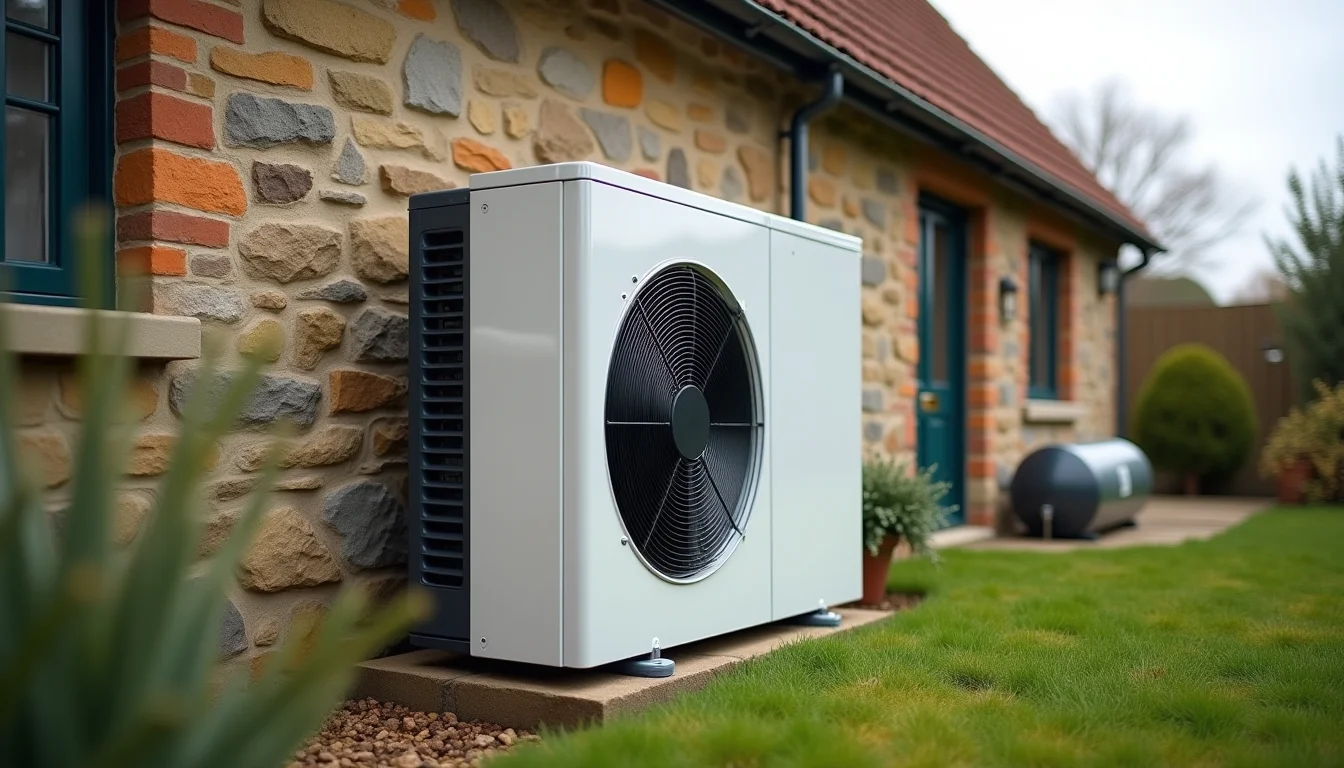
If your home runs on oil or LPG, you're one of the best candidates for a heat pump grant in the UK right now. The Boiler Upgrade Scheme (BUS) gives you £7,500 towards an air source or ground source heat pump, and because oil and LPG are significantly more expensive per kilowatt hour than mains gas, off-grid homeowners typically see the biggest savings after switching. You don't need to be on benefits to qualify, and the grant is available across England and Wales in 2026.
Why Are Off-Grid Homes Prime Candidates for Heat Pump Grants?
Roughly 1.5 million homes in England and Wales still rely on heating oil, and another 1.7 million use LPG. These properties tend to be rural, detached or semi-detached, and often sit on larger plots. That combination makes them ideal for heat pumps.
Here's the simple maths. Heating oil currently costs around 6-7p per kWh, and LPG sits at roughly 7-9p per kWh. A well-installed air source heat pump running at a seasonal coefficient of performance (SCOP) of 3.0 delivers heat at an effective cost of about 8p per kWh using electricity at 24.5p per unit. That means an off-grid home switching from LPG can save hundreds of pounds a year straight away, while a home switching from oil will at least break even on running costs and often come out ahead.
Compare that to a home on mains gas at around 6p per kWh. The savings there are much slimmer. Off-grid properties genuinely get the better deal.
How the £7,500 Boiler Upgrade Scheme Grant Works for Off-Grid Homes
The Boiler Upgrade Scheme launched in 2022 and the UK government extended it with an increased voucher of £7,500 for air source heat pumps (up from the original £5,000). Ground source heat pumps also qualify for £7,500. The scheme is confirmed to run until at least March 2028.
To claim the grant, you need an MCS certified installer to carry out the work. They apply for the voucher on your behalf before installation begins. The £7,500 comes off your total bill, so you never handle the grant money yourself. For a typical air source heat pump installation costing between £10,000 and £14,000, that means your actual out-of-pocket cost could be as low as £2,500 to £6,500.
There's no means testing. You don't need to prove your income or be on any particular benefit. Your property just needs a valid Energy Performance Certificate (EPC) with no outstanding recommendations for loft or cavity wall insulation (or you need to have addressed those first).
What Are the Eligibility Rules for Off-Grid Properties?
The eligibility criteria don't distinguish between off-grid and on-grid homes. The BUS grant is open to any existing home in England or Wales that currently has a functioning heating system. Your oil or LPG boiler counts.
Here are the main requirements:
- Your property must have a valid EPC dated after 2012
- Any loft or cavity wall insulation recommendations on the EPC must be dealt with before you apply
- The heat pump must be installed by an MCS certified installer
- The property must not be a new build
- You can only claim one voucher per property
One thing that catches people out: if your EPC recommends loft insulation and you haven't done it, you'll need to sort that before the installer can submit your application. For most off-grid homes, this is a relatively cheap fix and actually makes your heat pump perform better too.
A Real Example: Switching from Oil in Rural Devon
Take a 3-bedroom detached cottage in rural Devon with an ageing oil boiler. The homeowners spend roughly £1,800 a year on heating oil, filling their tank twice over winter. Their home has solid walls but reasonable insulation overall, and an EPC rating of D.
An MCS installer quotes £12,500 for a 9kW air source heat pump, including a new hot water cylinder, controls, and all pipework modifications. After the £7,500 BUS grant, the homeowners pay £5,000.
With the heat pump running at an SCOP of 2.8 (slightly lower than average because of the solid walls), their annual heating cost on electricity comes to around £1,350. That's a saving of roughly £450 a year compared to oil, before even factoring in the removal of oil tank maintenance costs and the risk of oil price spikes.
Over ten years, those savings add up to £4,500 or more. And if oil prices rise faster than electricity prices (which has been the trend), the savings grow larger.
Will a Heat Pump Actually Work in an Older Off-Grid Property?
This is the big worry, and it's fair enough. Many off-grid homes are older, some have solid walls, and people assume heat pumps only work in modern, well-insulated houses. That's not true, but there are things to consider.
A heat pump works best with larger radiators or underfloor heating because it operates at lower flow temperatures than an oil boiler. In practice, most installers find that many existing radiators are already oversized for the rooms they're in, especially in older houses where the original installer played it safe. You might need to swap a few radiators, but rarely all of them.
Solid-wall properties do lose more heat, which means the heat pump has to work harder. But a good installer will size the system correctly. You may want to consider internal or external wall insulation to bring running costs down further, though it's not a requirement for the grant.
Honestly, the biggest factor isn't the age of the house. It's the quality of the installation. A properly designed system with the right size heat pump, correct flow temperatures, and a decent hot water cylinder will keep you warm. A poorly designed one won't, regardless of how new or old your home is. That's why choosing an experienced MCS certified installer matters so much.
Off-Grid Homes and the Oil Boiler Phase-Out: What's Coming?
The UK government has signalled that oil and LPG boilers in off-grid homes will face restrictions before mains gas boilers do. Under the Clean Heat Market Mechanism, manufacturers already have targets for heat pump sales. The direction of travel is clear: fossil fuel heating in off-grid properties is being phased out.
Acting now while the £7,500 grant is available makes financial sense. There's no guarantee the BUS will continue at this level after March 2028, and waiting until you're forced to switch means you might miss out on the funding entirely.
Oil tank removal is another hidden benefit. Once you switch, you free up garden space, remove the environmental risk of an oil leak, and you don't have to worry about oil delivery lorries getting down your lane in February.
Frequently Asked Questions
Can I get a free heat pump if I have an oil boiler?
The heat pump itself isn't entirely free, but the £7,500 Boiler Upgrade Scheme grant covers a large portion of the cost. A typical air source heat pump installation costs £10,000 to £14,000, so after the grant your share could be as low as £2,500. Some local authorities and energy company schemes offer additional funding that can reduce costs further.
Do I qualify for the Boiler Upgrade Scheme if I'm off-grid?
Yes. Off-grid homes on oil, LPG, or electric heating all qualify for the BUS grant, provided you have a valid EPC and meet the other criteria. There's no requirement to be connected to the gas grid. Your MCS certified installer handles the application process for you.
How much does it cost to replace an oil boiler with a heat pump?
Before the grant, a full air source heat pump installation typically costs between £10,000 and £14,000 including the unit, hot water cylinder, controls, and any radiator upgrades. After the £7,500 BUS grant, most off-grid homeowners pay between £2,500 and £6,500 out of pocket. Ground source systems cost more upfront but can be cheaper to run.
Is a heat pump cheaper to run than oil central heating?
In most cases, yes. Oil heating costs around 6-7p per kWh in 2026, while an air source heat pump with an SCOP of 3.0 delivers heat at roughly 8p per kWh on standard electricity tariffs. If you use a heat pump tariff or smart tariff that offers cheaper overnight rates, your running costs drop further. LPG users see even bigger savings because LPG is more expensive per unit.
Can I get a heat pump grant if my house has no cavity wall insulation?
You can, but it depends on what your EPC says. If your EPC specifically recommends cavity wall insulation, you'll need to have it installed before your BUS application can go through. If your home has solid walls and the EPC doesn't recommend cavity insulation, you're fine to proceed. An MCS installer can advise you on what's needed during their initial survey.
Find a Local MCS Certified Installer for Your Off-Grid Home
If you're sitting on an ageing oil or LPG boiler and wondering whether a heat pump makes sense, the best next step is to get a proper quote from an installer who knows off-grid properties. Use our directory at heatpumpinstallerdirectory.co.uk to find MCS certified heat pump installers in your area. They'll assess your home, confirm your grant eligibility, and give you a clear price with the £7,500 BUS grant already deducted. Don't wait until the grant pot runs dry.