
Heat Pump Grants for Off-Grid Homes: Replace Your Oil or LPG Boiler with BUS Funding
Off-grid homes on oil or LPG can get a £7,500 BUS grant to switch to a heat pump. Find out why you're perfectly placed and how to claim it.

Written by Heat Pump Buddy
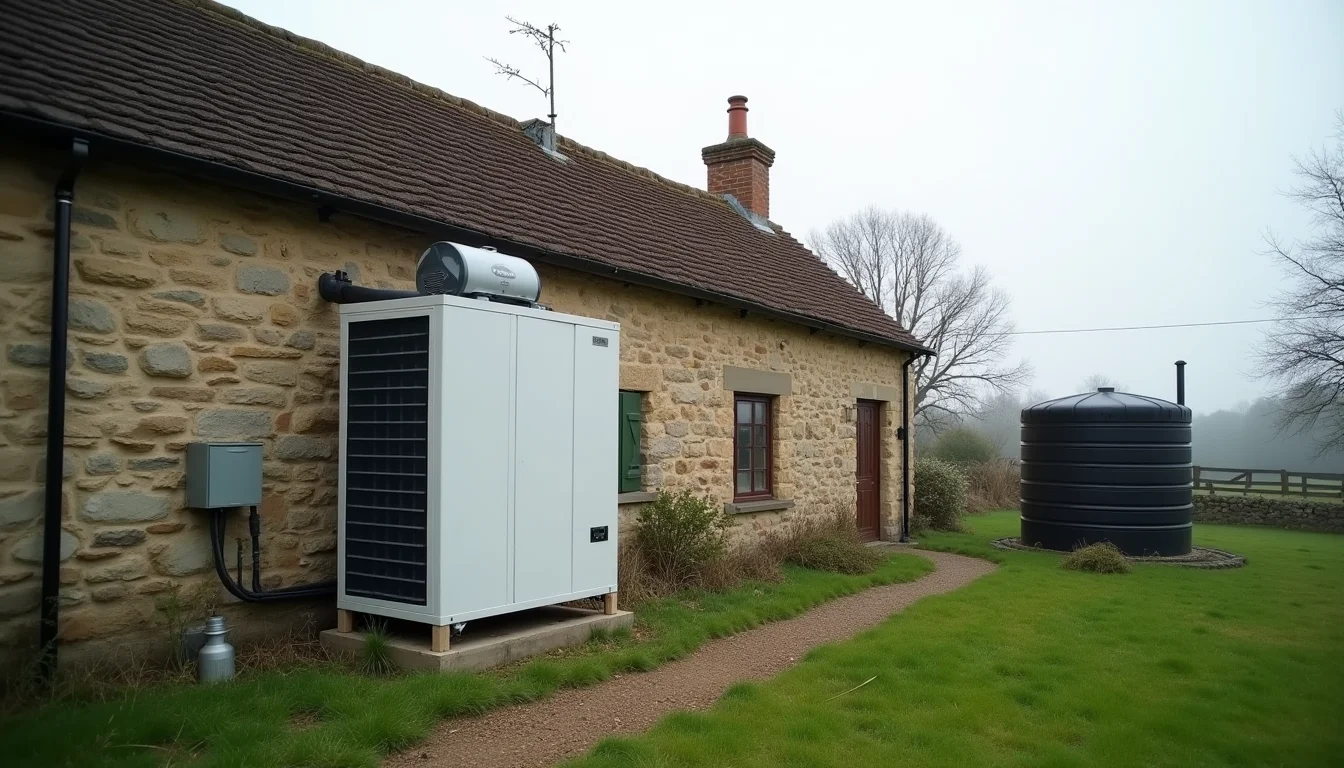
If you live off the gas grid and rely on oil or LPG, you're one of the strongest candidates for the £7,500 Boiler Upgrade Scheme grant in 2026. The BUS grant covers a huge chunk of your heat pump installation cost, and because off-grid fuel prices are consistently higher than mains gas, the running cost savings can be genuinely significant. Heat pump grants for off-grid homes aren't just available to you; they were practically designed with you in mind.
Why Are Off-Grid Homes Ideal Candidates for Heat Pumps?
Let's be honest about why the government keeps pushing heat pumps for off-grid properties. Around 4 million UK homes aren't connected to the mains gas network, and most of them burn oil or LPG. These are the most carbon-intensive heating systems still in widespread residential use, and they also happen to be among the most expensive to run.
Heating oil prices have been volatile for years. As of early 2026, kerosene sits at roughly 65-75p per litre depending on your region and order size. For a typical 3-bedroom detached home burning around 1,500 litres a year, that's over £1,000 annually just on fuel. LPG is even pricier, often running 20-30% more than oil per unit of heat delivered.
A well-installed air source heat pump with a seasonal coefficient of performance (SCOP) of 3.0 or better delivers three units of heat for every unit of electricity used. Even at current electricity prices of around 24p per kWh, that works out at roughly 8p per kWh of heat. Compare that to oil at around 9-10p per kWh or LPG at 11-13p per kWh, and the numbers start making real sense.
How Does the £7,500 BUS Grant Work for Off-Grid Properties?
The Boiler Upgrade Scheme offers £7,500 towards the cost of an air source heat pump, or the same amount for a ground source heat pump. The grant is available for properties in England and Wales that have a valid EPC and an existing heating system being replaced. It's paid directly to your MCS certified installer, so you never need to claim it back or wait for a rebate.
You don't need to be on mains gas to qualify. In fact, the scheme makes no distinction between gas, oil, and LPG properties. All are eligible, provided the home has an EPC with no outstanding recommendations for loft or cavity wall insulation that score below certain thresholds.
For most off-grid homes, the total installed cost of an air source heat pump in 2026 ranges between £10,000 and £16,000 depending on system size and complexity. With the £7,500 grant deducted upfront, you could be looking at an out-of-pocket cost of £2,500 to £8,500. That's a fraction of what a full oil boiler replacement and new tank would cost over the next decade.
What Does the Replacement Process Actually Look Like?
Here's a realistic timeline for a typical off-grid oil-to-heat-pump switch.
First, you'll need an up-to-date EPC. If yours is older than 10 years or you've made improvements since the last one, get a new assessment done. This usually costs £60-£100 and takes a couple of days to come through.
Next, you book a survey with an MCS certified heat pump installer. They'll visit your property, assess your heat loss, check your radiators, look at hot water demand, and measure available outdoor space for the unit. This survey is critical because it determines the size of heat pump you need. Undersizing leads to poor performance. Oversizing wastes money.
Once you've agreed on a quote, your installer applies for the BUS grant through Ofgem's system. Approval typically takes a few working days. After that, installation itself usually takes two to three days for a straightforward air source system, though older properties with undersized radiators may need some upgrades that add time.
Your old oil tank can be decommissioned and removed. Honestly, most people are glad to see the back of it. No more worrying about oil theft, tank leaks, or timing your bulk deliveries to catch a decent price.
Can You Really Save Money Switching from Oil or LPG to a Heat Pump?
Let's walk through a real example.
Take a 1960s 3-bed detached cottage in rural Devon, currently heated by an ageing oil boiler with an efficiency of around 85%. The owners use about 20,000 kWh of heat per year. At oil prices of 70p per litre (roughly 9.5p per kWh of useful heat after accounting for boiler efficiency), their annual heating bill is around £1,900.
They install a 10kW air source heat pump with an SCOP of 3.2. Their electricity cost is 24p per kWh. Annual heating electricity consumption works out at about 6,250 kWh, costing around £1,500. That's a saving of roughly £400 per year on fuel alone.
But here's where it gets more interesting. If they're on a heat pump tariff (several suppliers now offer rates between 16-20p per kWh for heat pump users), that annual cost drops to around £1,000-£1,250. Savings of £650-£900 per year compared to oil.
And that's before considering the avoided costs of oil boiler servicing (£80-£150 a year), potential tank replacement (£1,500-£3,000 every 15-20 years), and the sheer unpredictability of global oil prices.
What If Your Home Is Old, Draughty, or Has Small Radiators?
This is the big worry for off-grid homeowners, and it's a fair one. Many off-grid properties are older, rural buildings with solid walls, single-glazed windows, or less-than-perfect insulation. These are exactly the types of homes where people assume heat pumps won't work.
The truth is more nuanced. Heat pumps work best with lower flow temperatures than traditional boilers, which means you need radiators large enough to emit sufficient heat at 45-50°C instead of the 65-75°C that oil boilers typically run at. In practice, many homes already have oversized radiators in some rooms. A good installer will do a room-by-room heat loss calculation and tell you exactly which radiators (if any) need upgrading.
Some homes will need a few larger radiators or an extra unit in a particularly cold room. This might add £500-£1,500 to the project. But it's rarely the case that every radiator in the house needs swapping.
Insulation matters too. If your loft has less than 270mm of insulation or you have unfilled cavity walls, sorting these out before or alongside your heat pump install will make a measurable difference to both comfort and running costs. Some local authority schemes and ECO4 funding can help cover insulation costs for qualifying households.
A properly surveyed and designed heat pump system will work in an older off-grid home. The key word there is "properly." That's why using an MCS certified installer who takes the time to do a thorough survey matters so much. Avoid anyone who quotes you over the phone without visiting.
Will the BUS Grant Still Be Available Later in 2026?
The Boiler Upgrade Scheme is currently funded through to March 2028. Budget allocation for 2026/27 has been confirmed, and uptake has been increasing steadily. In 2025, Ofgem reported a significant rise in applications compared to previous years, and the government has repeatedly signalled its commitment to the scheme.
That said, funding is allocated on a first-come, first-served basis within each financial year. There's no guarantee the full £7,500 amount will remain unchanged in future budget cycles. If you've been thinking about making the switch, 2026 is a strong year to do it. The grant is generous, installer availability has improved, and heat pump technology has matured considerably.
Frequently Asked Questions
Can I get a heat pump grant if I have an oil boiler?
Yes. The BUS grant covers replacement of oil boilers with heat pumps. You'll receive £7,500 towards the cost, applied directly to your installer's quote. Your home needs a valid EPC and must be in England or Wales.
How much does it cost to replace an oil boiler with a heat pump after the grant?
After the £7,500 BUS grant, most off-grid homeowners pay between £2,500 and £8,500 out of pocket for an air source heat pump installation. The exact figure depends on your home's size, the heat pump capacity needed, and whether radiator upgrades are required.
Are heat pumps cheaper to run than oil central heating?
In most cases, yes. A heat pump running at an SCOP of 3.0 or above will produce heat at roughly 8p per kWh on standard electricity tariffs, compared to 9-10p per kWh for oil. On a dedicated heat pump tariff, costs can drop further, saving £400-£900 per year versus oil.
Do I need to insulate my house before getting a heat pump?
You don't always need to, but it helps. Your EPC must not have outstanding recommendations for loft or cavity wall insulation below certain thresholds to qualify for the BUS grant. Improving insulation also means your heat pump can be smaller and cheaper to run.
How long does it take to install a heat pump in an off-grid home?
From initial survey to completion, expect four to eight weeks including the survey, grant application, and scheduling. The physical installation typically takes two to three days for a standard air source system, though homes needing radiator upgrades or pipework changes may take a day or two longer.
If you're ready to ditch your oil or LPG boiler and take advantage of the £7,500 BUS grant, the first step is finding a qualified installer near you. Use our directory at heatpumpinstallerdirectory.co.uk to find MCS certified heat pump installers in your area, compare quotes, and get your project moving before the best installation slots fill up this year.
Ready to talk to an installer?
Compare the listed firms, then check current MCS status, service coverage and any grant registration directly. Contact routes are shown when a firm has published one.
Related guides
- Heat Pump Subsidies Could Be Cut to Fund Defence Spending
Reports suggest heat pump grants could be cut to fund defence. Here's what UK homeowners should do right now to lock in the £7,500 BUS grant before any changes.
- Heat Pump Grants in Scotland 2026 — Home Energy Scotland
Scottish homeowners can stack Home Energy Scotland loans and cashback with the £7,500 BUS grant. Here's exactly how much you can get and how to apply in 2026.
- Warm Homes: Local Grant 2026 — The Complete Homeowner Guide
Warm Homes: Local Grant 2026 explained for UK homeowners. Eligibility, income thresholds, funded measures including heat pumps, and how to apply through your council.