
Heat Pump Installers in Birmingham — Trusted Local Experts
Looking for heat pump installers in Birmingham? Find out how to choose MCS-certified local experts, claim your £7,500 grant, and which systems suit your home.

Written by Heat Pump Buddy
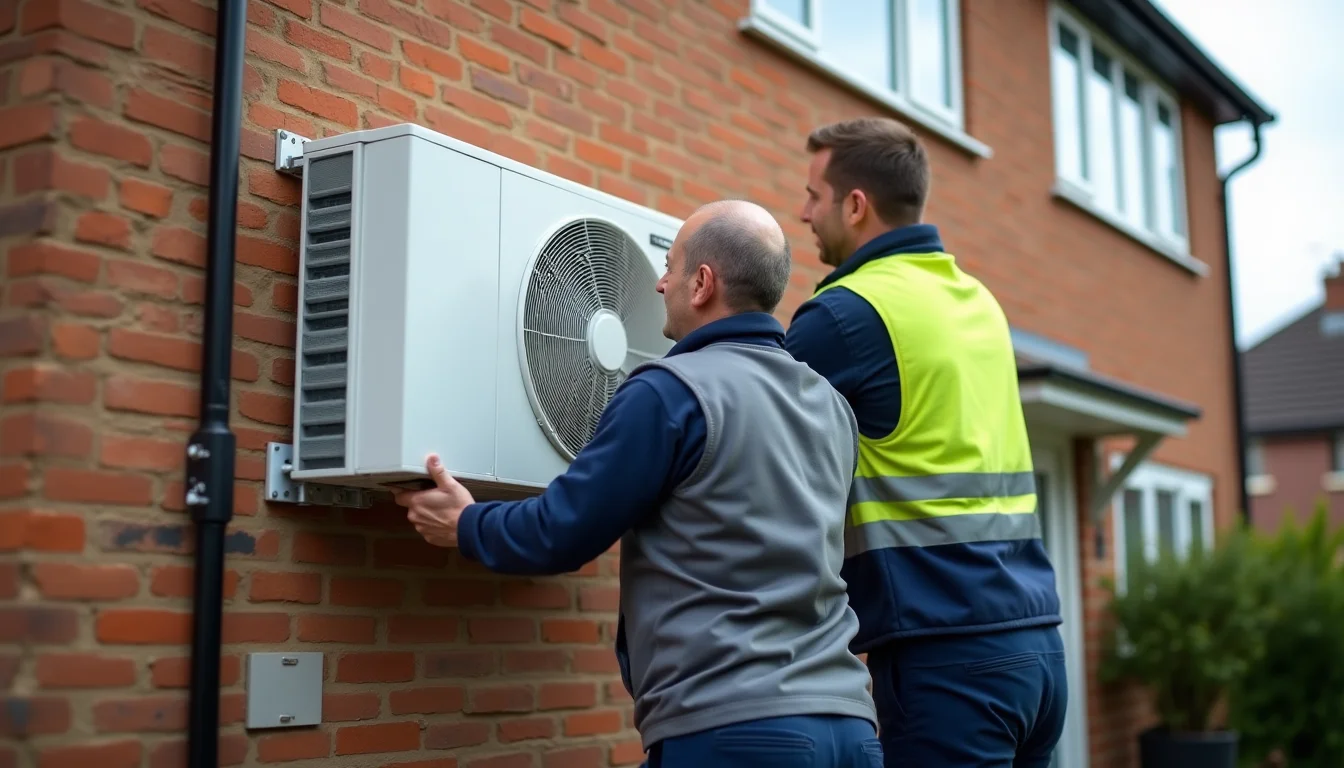
Birmingham has a growing number of MCS-certified heat pump installers ready to fit systems across every type of property in the city. Whether you own a Victorian terrace in Moseley or a post-war semi in Solihull, local installers who know the housing stock can design a system that actually works for your home. You can find trusted heat pump installers in Birmingham through our directory and start the process of claiming your £7,500 Boiler Upgrade Scheme grant.
Why Birmingham Is a Hotspot for Heat Pump Installations in 2026
Birmingham is the UK's second-largest city with over 430,000 homes, and a huge proportion of those still rely on gas boilers. The city council has committed to reaching net zero by 2030, which puts serious pressure on the pace of low-carbon heating upgrades. That makes Birmingham one of the most active areas for heat pump adoption in the West Midlands right now.
Gas prices have remained stubbornly high through 2026, sitting around 6.8p per kWh for most tariffs. A well-installed heat pump running at a coefficient of performance (COP) of 3.5 can bring your effective cost per kWh of heat down to roughly 7p, which puts it very close to gas and often cheaper once you factor in maintenance savings. For Birmingham homeowners paying £1,400 or more a year on gas heating, the numbers are starting to stack up.
The West Midlands Combined Authority has also been pushing home retrofit programmes, with additional funding and support aimed specifically at owner-occupiers and landlords looking to improve energy ratings. If you haven't looked into what's available locally, it's worth checking Birmingham City Council's housing energy team.
Which Heat Pump Systems Work Best for Birmingham Properties?
Birmingham's housing stock is genuinely varied, and that matters when you're choosing a heat pump system. What works perfectly in a new-build detached in Sutton Coldfield won't be the right answer for a draughty 1890s terrace in Balsall Heath.
Victorian and Edwardian terraces are common across inner-city areas like Moseley, Kings Heath, and Handsworth. These homes often have solid walls, high ceilings, and poor insulation. An air source heat pump can work here, but you'll almost certainly need to address insulation first. Internal or external wall insulation, loft top-ups, and draught-proofing make a massive difference to performance. Honestly, skipping the insulation step is the single biggest mistake homeowners make.
Post-war semis and 1960s estates across areas like Erdington, Acocks Green, and Castle Bromwich tend to have cavity walls, which are cheaper to insulate. These homes are often excellent candidates for an air source heat pump, especially if the loft insulation is already up to standard. A 9kW or 12kW unit from manufacturers like Vaillant, Daikin, or Samsung will typically cover the heating load.
New-builds and modern estates around the NEC corridor and in developments across Longbridge already meet high insulation standards. Some are being built with heat pumps fitted as standard in 2026. If you've got a newer property, you may find a smaller 5kW unit does the job, keeping costs lower.
A good local installer will carry out a proper heat loss calculation before recommending any system. If someone quotes you without doing this, walk away.
How to Find Reliable Heat Pump Installers in Birmingham
The single most important thing to check is MCS certification. MCS (Microgeneration Certification Scheme) is the industry standard that proves an installer has been independently assessed and meets quality benchmarks. You need an MCS-certified installer to qualify for the £7,500 BUS grant, so there's no reason to go with anyone who isn't certified.
Beyond that, here's what to look for:
- Local experience. An installer based in or near Birmingham will understand planning rules specific to the council, know the housing types, and be available for follow-up visits without charging a premium.
- Manufacturer training. Ask which brands they're accredited to install. Most good installers will be trained on at least two or three major brands.
- References from nearby homes. Ask if they've done work on a similar property to yours in the Birmingham area. A company that's fitted dozens of systems in Edgbaston semis will get your install right faster than one that's never worked on that type of house.
- Written quotes with heat loss data. Any installer worth hiring will provide a detailed written quote based on a room-by-room heat loss survey, not just a rough number over the phone.
Our directory at heatpumpinstallerdirectory.co.uk lists MCS-certified heat pump installers operating across Birmingham and the wider West Midlands. You can filter by location and read verified details for each company.
The £7,500 Boiler Upgrade Scheme Grant: What Birmingham Homeowners Need to Know
The Boiler Upgrade Scheme (BUS) is still running in 2026 and offers £7,500 off the cost of an air source heat pump installation. The grant is available across England and Wales, and Birmingham homeowners are fully eligible.
Here's how it works in practice. Your MCS-certified installer applies for the voucher on your behalf through Ofgem. You don't need to fill in forms yourself. The grant is deducted from the total installation cost, so you only pay the balance.
For a typical Birmingham semi, a full air source heat pump installation might cost between £10,000 and £14,000 depending on the system size, radiator upgrades needed, and any additional pipework. With the £7,500 grant, your out-of-pocket cost drops to somewhere between £2,500 and £6,500. That's a realistic range, not a marketing figure.
There are a few conditions. Your property must have a valid EPC (Energy Performance Certificate), and you must be replacing a fossil fuel heating system like a gas or oil boiler. The property can't already have a heat pump fitted. New-build properties don't qualify either.
One thing to watch: funding is allocated on a first-come, first-served basis each financial quarter. Demand has been increasing year on year, and some quarters have seen vouchers claimed quickly. Don't sit on an installation decision for months if you want to secure the grant.
"Will a Heat Pump Actually Heat My Birmingham Home Properly?"
This is the number one concern we hear, and it's a fair question. The short answer is yes, but only if the system is properly designed and your home is reasonably well insulated.
Heat pumps work differently from gas boilers. They produce heat at a lower flow temperature, typically around 35 to 45°C compared to a boiler's 60 to 75°C. This means they heat your home more gradually and steadily, rather than blasting out intense heat in short bursts. For most people, this actually feels more comfortable once you're used to it.
The catch is that undersized radiators or poor insulation will leave you cold. A competent installer will check every radiator in your house and tell you if any need upgrading to larger ones. In a typical Victorian terrace, you might need to swap out three or four radiators. In a 1970s semi with decent cavity wall insulation, you might not need to change any.
Let's take a real example. A three-bedroom 1930s semi in Hall Green with cavity wall insulation and 270mm of loft insulation could comfortably run on a 10kW air source heat pump. The installer might recommend swapping the lounge and main bedroom radiators for slightly larger ones and adding a buffer tank. Total cost after the BUS grant could come in around £4,000 to £5,000. The homeowner would see annual heating bills roughly in line with their old gas boiler, with the bonus of no annual boiler service cost and a system that should last 20 years or more.
But if your home has no wall insulation at all and single-glazed windows, you need to sort those things out first. A responsible installer will tell you this upfront. If they don't mention insulation at all during the survey, that's a red flag.
Birmingham Council Support and Local Retrofit Programmes
Birmingham City Council has been running various energy efficiency programmes since the early 2020s, and several are still active in 2026. The council's Net Zero Neighbourhood initiative in selected wards has provided additional funding for insulation and heating upgrades, sometimes covering costs that the BUS grant doesn't.
The West Midlands Combined Authority also runs retrofit support schemes aimed at helping homeowners understand what upgrades their property needs before jumping straight to a heat pump. Getting a retrofit assessment first is genuinely useful, especially for older properties.
If you're in a conservation area, like parts of Edgbaston, Bournville, or the Jewellery Quarter, you might worry about planning permission for an external heat pump unit. In most cases, air source heat pumps fall under permitted development rights and don't need planning approval. But conservation areas can have extra restrictions, so check with Birmingham's planning department before committing. A local installer will usually know the answer already.
Frequently Asked Questions
How much does a heat pump cost to install in Birmingham?
A typical air source heat pump installation in Birmingham costs between £10,000 and £14,000 before the grant. After the £7,500 BUS grant, most homeowners pay between £2,500 and £6,500 out of pocket. The exact price depends on the size of your home, the system chosen, and whether you need new radiators or pipework.
Do I need planning permission for a heat pump in Birmingham?
Most air source heat pumps fall under permitted development and don't require planning permission. If you live in a listed building or a conservation area such as Bournville or parts of Edgbaston, you should check with Birmingham City Council's planning team first. Your installer can usually advise on this during the initial survey.
How long does a heat pump installation take in Birmingham?
A straightforward air source heat pump installation typically takes two to three days. If you need significant radiator upgrades, new pipework, or underfloor heating, the job can stretch to four or five days. Your installer should give you a clear timeline before work starts.
Are there any heat pump grants available in Birmingham in 2026?
Yes. The main grant is the Boiler Upgrade Scheme, which provides £7,500 towards an air source heat pump. Birmingham homeowners replacing a gas or oil boiler in an existing property are eligible. Your MCS-certified installer handles the application through Ofgem on your behalf.
Can a heat pump work in a Victorian terrace in Birmingham?
Absolutely, but insulation is critical. Victorian terraces with solid walls will need some form of wall insulation to make a heat pump efficient. Once the insulation is sorted, an air source heat pump can heat these homes perfectly well. A good installer will carry out a full heat loss survey and be honest about any prep work needed before fitting the system.
Ready to find a trusted, MCS-certified heat pump installer near you in Birmingham? Use our free directory at heatpumpinstallerdirectory.co.uk to compare local companies, check their credentials, and request quotes. It takes a couple of minutes, and it could save you thousands on your next heating system.
Ready to talk to an installer in Birmingham?
Every firm in the directory is MCS-certified, with reviews and grant registration shown on its listing.
Related guides
- Heat Pump Installation Cost in London 2026 — What to Expect
What does a heat pump really cost in London in 2026? We break down prices by borough, explain the London premium, and show how to claim your £7,500 grant.
- Heat Pump Installers in Oxford — Trusted MCS Certified Installers
Looking for heat pump installers in Oxford? Find MCS certified professionals who understand period homes, conservation areas and the £7,500 BUS grant.
- Best Heat Pump Installers in North London — Trusted Local Companies
Looking for trusted heat pump installers in North London? Find MCS certified local companies in Barnet, Enfield, Camden and more, plus how to claim £7,500.