
Heat Pump Installers in Cambridge: Find Local Heat Pump Specialists
Looking for heat pump installers in Cambridge? Local MCS certified specialists, real costs, period property advice and how to claim your £7,500 BUS grant.

Written by Heat Pump Buddy
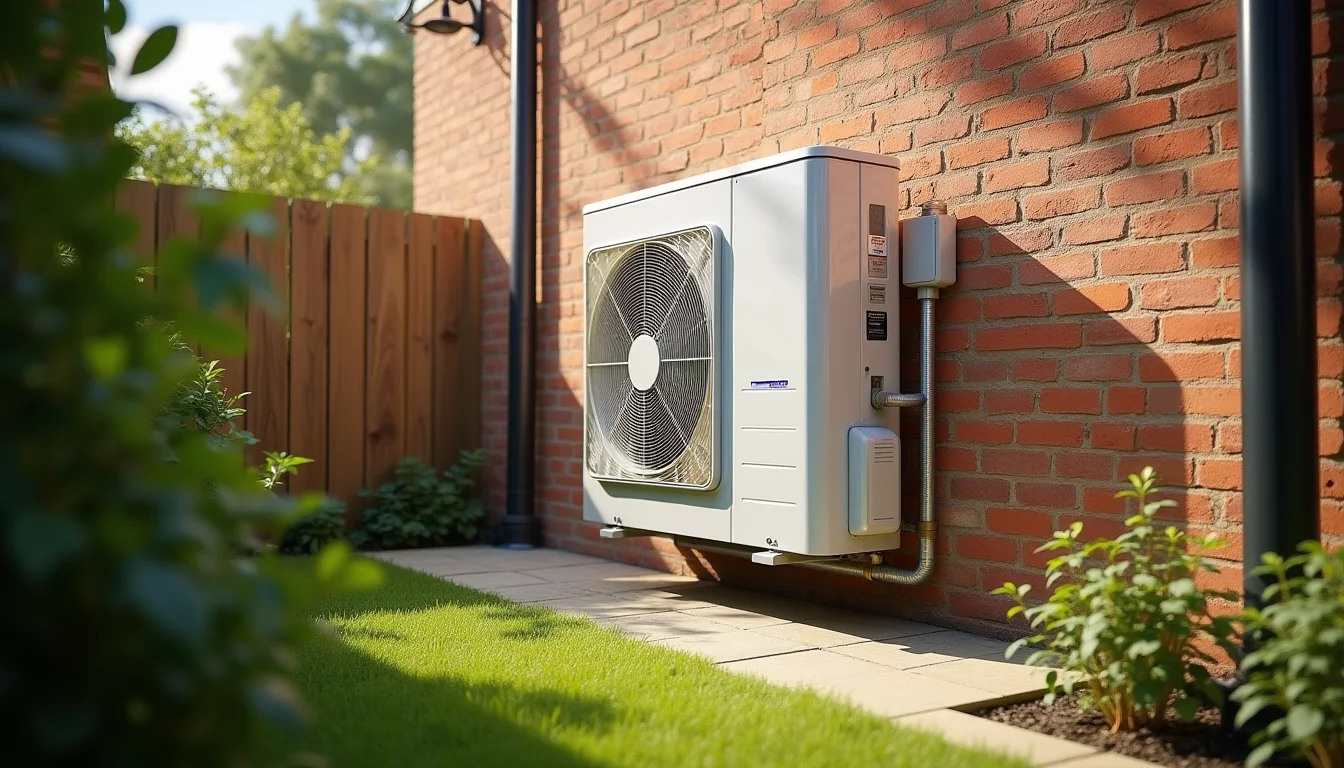
Cambridge has a growing number of MCS certified heat pump installers serving the city and surrounding villages. You can use our directory to find local specialists who handle everything from survey to commissioning, and who can apply for the £7,500 Boiler Upgrade Scheme grant on your behalf. Whether you own a Victorian terrace near Mill Road or a new-build in Trumpington, there's an installer in the area who's fitted systems in properties just like yours.
Why Cambridge Is a Strong Fit for Heat Pumps
Cambridge sits in one of the driest, mildest parts of the UK. That's actually good news for air source heat pumps, which perform best in moderate climates. The city rarely sees prolonged sub-zero temperatures, so your heat pump will spend most of the year running at its most efficient.
The flat terrain around Cambridge also makes ground source heat pumps a genuine option if you've got the garden space. Horizontal ground loops need roughly 2-3 times the floor area of your home, and plenty of properties in villages like Histon, Girton and Great Shelford have gardens that comfortably fit.
Cambridge City Council has also been supportive of low-carbon heating. The city's 2026 climate action plan pushes for reduced gas dependency, and permitted development rights mean most air source heat pump installations don't need planning permission. There are exceptions for listed buildings and conservation areas, which we'll cover below.
What to Look for in Cambridge Heat Pump Installers
The single most important thing is MCS certification. This isn't optional. You need an MCS certified installer to qualify for the £7,500 BUS grant, and it's the clearest indicator that the installer meets recognised standards for design, sizing and installation.
Beyond MCS, ask about their experience with your type of property. A good Cambridge installer will have fitted heat pumps in everything from compact city centre terraces to large detached homes in the villages. Ask for references from a property similar to yours.
Here are the key questions to put to any installer you're considering:
- How many heat pump installations have you completed in the past 12 months?
- Do you carry out the heat loss calculation yourself or subcontract it?
- Will you handle the BUS grant application?
- What warranty do you offer on the installation, separate from the manufacturer's warranty?
- Can you show me a completed installation on a similar property?
A proper heat loss survey is non-negotiable. Any installer who quotes you a price based on the number of bedrooms alone isn't doing the job properly. They should be measuring room dimensions, checking insulation levels, noting glazing types and calculating the heat demand in kilowatts.
Typical Heat Pump Costs in the Cambridge Area
For a standard three-bedroom semi in Cambridge, expect to pay between £10,000 and £14,000 for a fully installed air source heat pump system before the grant. After the £7,500 BUS grant, your out-of-pocket cost drops to roughly £2,500 to £6,500.
Ground source systems cost more, typically £18,000 to £28,000 before the grant, depending on the length of ground loop needed and ground conditions.
These figures include the heat pump unit, a hot water cylinder, controls, any necessary radiator upgrades and the installation labour. They don't usually include major insulation work, which you might want to do separately.
Let's take a real example. A couple in a 1930s three-bed semi near Chesterton had cavity wall insulation and double glazing already. They chose a 9kW air source heat pump, upgraded three radiators in the coldest rooms, and had a new 210-litre cylinder fitted. Total cost was £12,400. After the BUS grant, they paid £4,900. Their gas bill had been around £1,200 a year, and they're now paying roughly £900 on the Octopus Agile tariff, with the heat pump doing all their heating and hot water.
Prices vary between installers, so get at least three quotes. Our directory makes that straightforward.
How to Claim the £7,500 BUS Grant Through a Cambridge Installer
The Boiler Upgrade Scheme is still running in 2026 and offers £7,500 off the cost of an air source or ground source heat pump. It's available to homeowners in England and Wales who are replacing an existing fossil fuel heating system, so if you're on mains gas, oil or LPG, you qualify in principle.
Here's how it works in practice:
- You choose an MCS certified installer from our directory.
- They carry out a survey and provide a quote.
- They apply for the grant voucher through Ofgem on your behalf.
- Once approved, the £7,500 is deducted from your invoice. You never handle the money directly.
The grant covers one voucher per property. You don't need to be on a low income or meet any means test. The main conditions are that your property has a valid EPC (with no outstanding recommendations for loft or cavity wall insulation flagged as necessary), and that the installation is done by an MCS certified installer.
One thing to be aware of: grant vouchers must be redeemed within three months of issue. So don't apply until you and your installer are ready to proceed. A good local installer will manage the timing so you're not left scrambling.
Can You Get a Heat Pump in a Cambridge Period Property?
This is the question that comes up most often in a city like Cambridge, and understandably so. The city centre is full of Victorian and Edwardian terraces, many in conservation areas. Some are listed.
The honest answer is: yes, most period properties can have a heat pump, but it takes more careful planning.
For listed buildings, you'll need listed building consent for an external air source unit. An experienced Cambridge installer will know how to position the unit to satisfy the conservation officer. Rear walls, courtyard areas and side returns are common placements. Some installers have worked with Cambridge City Council's conservation team multiple times and know exactly what they'll accept.
Solid-walled Victorian properties do lose more heat than cavity-walled homes. That means the heat pump needs to be correctly sized, potentially with some radiator upgrades to larger panels. But solid walls don't rule out a heat pump. Thousands of Victorian homes across the UK are running on heat pumps right now.
If your home is in one of Cambridge's many conservation areas (there are over 20), permitted development still applies for air source heat pumps in most cases, provided the unit meets noise limits and is positioned to minimise visual impact. Your installer should confirm this before work begins.
"Will a Heat Pump Actually Heat My House Properly?"
This is the biggest worry we hear from homeowners, and it deserves a straight answer. Yes, a correctly designed and installed heat pump will keep your home warm. The key word there is "correctly."
A heat pump works differently from a gas boiler. It produces heat at a lower flow temperature, typically 35-45°C compared to the 60-75°C from a boiler. That means it heats your home more gradually and consistently, rather than blasting hot then cycling off. Most people find this more comfortable once they're used to it.
The catch is that your radiators need to be large enough to deliver sufficient heat at that lower temperature. In many homes, only a few radiators need upgrading. A proper heat loss survey will identify exactly which ones. If your installer skips this step, find a different installer.
And what about those really cold weeks in January? Modern air source heat pumps work down to -20°C or lower. Cambridge rarely drops below -5°C. Your heat pump will cope.
Frankly, most of the horror stories you read online come from poorly designed systems, undersized for the property or installed without a proper survey. That's why choosing a qualified, experienced local installer matters so much.
Frequently Asked Questions
How much does a heat pump cost to install in Cambridge?
A typical air source heat pump installation in Cambridge costs between £10,000 and £14,000 before the BUS grant. After the £7,500 grant, most homeowners pay £2,500 to £6,500 out of pocket. Ground source systems are more expensive, usually £18,000 to £28,000 before the grant.
Do I need planning permission for a heat pump in Cambridge?
Most air source heat pump installations fall under permitted development and don't need planning permission. If your property is listed, you'll need listed building consent. Conservation area rules still allow heat pumps but may affect where the outdoor unit can be placed. Your installer should check this during the survey.
How do I find MCS certified heat pump installers near Cambridge?
You can search our directory at heatpumpinstallerdirectory.co.uk to find MCS certified installers serving Cambridge and the surrounding area. MCS certification is essential if you want to claim the £7,500 BUS grant and ensures the installer meets recognised quality standards.
Are heat pumps worth it in older Cambridge houses?
Yes, heat pumps work well in older Cambridge properties when the system is properly designed. Solid-walled homes may need a slightly larger heat pump and some radiator upgrades, but these are standard adjustments. Thousands of Victorian and Edwardian homes across the UK are heated by heat pumps successfully.
Is the Boiler Upgrade Scheme grant still available in 2026?
Yes, the BUS grant is still available in 2026, offering £7,500 towards air source or ground source heat pump installations. Your MCS certified installer applies for the voucher through Ofgem, and the amount is deducted directly from your bill. There's no means test or income requirement.
If you're ready to explore heat pump installation for your Cambridge home, start by finding a local MCS certified installer on heatpumpinstallerdirectory.co.uk. Get two or three quotes, compare their experience with your property type, and check they'll handle your BUS grant application. It's the quickest way to find a trusted specialist in your area.