
Heat Pump Installers in Cambridge: Find Trusted Local Specialists
Looking for heat pump installers in Cambridge? Local MCS-certified specialists who understand period properties, planning rules & the £7,500 grant. Find yours now.

Written by Heat Pump Buddy
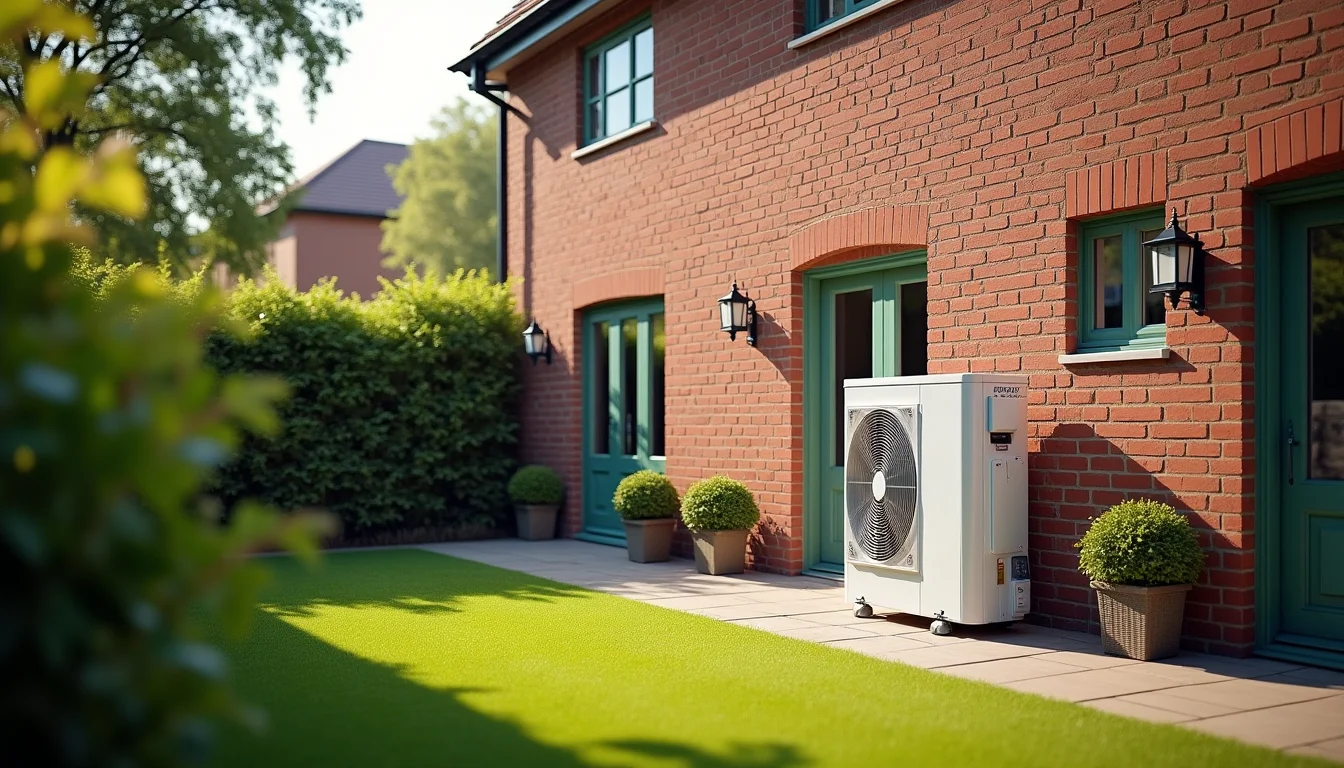
Cambridge has a growing number of MCS-certified heat pump installers ready to handle everything from Victorian terraces near Mill Road to new-build estates out towards Trumpington. You can claim the £7,500 Boiler Upgrade Scheme grant through any of them, provided your property qualifies. The trick is finding someone who genuinely understands Cambridge's particular mix of listed buildings, conservation areas, and modern housing.
Why Cambridge Homeowners Are Switching to Heat Pumps in 2026
Cambridge sits in one of the mildest parts of the UK, with average winter temperatures that rarely dip below 1°C for extended periods. That makes it a genuinely good location for air source heat pumps, which work most efficiently in moderate climates. Compared to somewhere like Inverness, your heat pump in Cambridge will spend far less time working hard to extract warmth from freezing air.
Gas prices in 2026 are hovering around 6.5p per kWh, while electricity sits closer to 24.5p per kWh on standard tariffs. Those numbers might make you wonder how a heat pump saves money. The answer is efficiency: a well-installed air source heat pump delivers roughly 3 to 3.5 kWh of heat for every 1 kWh of electricity it uses. That means your effective heating cost drops to around 7-8p per kWh, which is comparable to gas and only getting better as electricity prices trend downward with more renewables on the grid.
Cambridge also has a higher-than-average proportion of homeowners on time-of-use tariffs like Octopus Agile, which can push effective heat pump running costs even lower if you're smart about when you heat your home.
What Makes Finding Heat Pump Installers in Cambridge Different?
Cambridge isn't your average city for home renovations. Roughly a quarter of the city centre falls within a conservation area, and there are over 1,500 listed buildings across the wider Cambridge area. If you live in one of the many period properties along streets like Chesterton Road, Newnham, or around the Kite area, your installer needs to understand how planning restrictions affect heat pump placement.
Air source heat pumps fall under permitted development in most cases, meaning you don't need planning permission. But in a conservation area, the rules tighten. Your unit typically can't be visible from a public highway, and you may need to apply for planning permission from Cambridge City Council. A local installer who has done this before will know exactly what the planning officers expect.
For listed buildings, it gets trickier still. You'll almost certainly need listed building consent, and the council will want to see that the installation won't harm the building's character. Honestly, this is where a Cambridge-based installer earns their fee. Someone who's already completed installations on Grade II listed properties in the city knows which heritage officers to speak to and how to position units sensitively.
New-build estates around areas like Eddington, Great Kneighton, and Marleigh are a different story entirely. Many of these homes are already designed with heat pumps in mind, but if yours shipped with a gas boiler, retrofitting is usually straightforward because the insulation levels are already high.
How to Check Your Cambridge Installer Is Properly Qualified
MCS certification is non-negotiable. It's the industry standard that proves an installer is qualified to design and fit heat pump systems, and it's required if you want to claim the £7,500 government grant. Don't just take someone's word for it. You can check their certification on the MCS website directly.
Beyond MCS, look for installers who hold manufacturer accreditations from brands like Vaillant, Mitsubishi, Daikin, or Samsung. These matter because they usually mean the installer has completed specific training on that brand's equipment, and they can often offer extended manufacturer warranties as a result.
Ask for recent references from Cambridge properties, ideally ones similar to yours. An installer who's brilliant at fitting heat pumps to detached new builds in Cambourne might not be your best choice for a solid-wall Victorian terrace near the Botanical Garden.
Here's a practical example. A couple in Cherry Hinton with a 1930s semi-detached house might need their installer to account for solid walls with external insulation, a smaller-than-average garden for the outdoor unit, and neighbours in close proximity who could be affected by noise. That's a very different job from a detached four-bed in Girton with cavity wall insulation and a large garden.
Claiming the £7,500 Boiler Upgrade Scheme Grant in Cambridge
The Boiler Upgrade Scheme (BUS) remains available in 2026 and offers a £7,500 voucher towards the cost of an air source heat pump. For ground source heat pumps, the grant is also £7,500. The scheme runs until 2028, so there's time, but voucher demand has been rising steadily and installers in popular areas like Cambridge can get booked up.
To qualify, your property must currently be heated by a fossil fuel system like a gas or oil boiler. You need a valid EPC, and the property must have no outstanding recommendations for loft or cavity wall insulation with a potential rating below the required threshold. Your MCS-certified installer applies for the voucher on your behalf.
The grant is deducted from your quote, so you don't pay upfront and wait for a refund. A typical air source heat pump installation in Cambridge costs between £10,000 and £14,000 before the grant, so you'd be looking at roughly £2,500 to £6,500 out of pocket depending on system size and complexity.
One thing to be aware of: if your home currently uses electric storage heaters or an older electric boiler, you don't qualify for BUS. The scheme is specifically designed to replace fossil fuel heating. This catches out some homeowners in Cambridge's older flats and conversions, so check your eligibility before getting too far down the line.
"Will a Heat Pump Actually Work in My Older Cambridge Home?"
This is the biggest concern I hear from Cambridge homeowners, and it's a fair one. The city has a huge number of solid-wall properties from the Victorian and Edwardian periods, and there's a widespread belief that heat pumps only work in modern, well-insulated homes.
The truth is more nuanced. Heat pumps work in older properties, but they need to be designed correctly. A good installer will carry out a proper heat loss survey of your home and size the system accordingly. You might need a slightly larger unit than a new-build, and your radiators may need upgrading to larger models or replaced with ones that emit more heat at lower flow temperatures.
Insulation helps enormously, and it's worth doing regardless of your heating system. But you don't need your home to be wrapped in 300mm of foam before a heat pump becomes viable. Many Cambridge period homes with basic draught-proofing, loft insulation, and internal wall insulation are running heat pumps successfully right now.
What you do need to avoid is an installer who sizes everything based on a quick glance rather than room-by-room heat loss calculations. That's where the cheap quotes often go wrong. A properly designed system for a Victorian terrace will cost more upfront but will heat the house properly and run efficiently for 20+ years.
How Many MCS-Certified Heat Pump Installers Operate in Cambridge?
The number of MCS-certified installers serving the Cambridge area has grown significantly over the past couple of years. As of early 2026, there are over 30 MCS-certified companies operating within a reasonable distance of Cambridge. Some are based in the city itself, while others operate from nearby towns like Ely, Newmarket, Royston, and St Neots.
Don't automatically rule out an installer who's based 20 or 30 miles away. Many of the best heat pump companies in East Anglia cover a wide area, and their travel costs are typically built into the quote. What matters more is their experience, the quality of their design process, and their after-installation support.
Get at least three quotes. Prices in Cambridge tend to sit slightly above the national average due to higher labour costs and the additional complexity of working in conservation areas. But three quotes will give you a clear picture of what's reasonable and help you spot anyone who's significantly overcharging or, just as concerning, significantly underquoting.
Frequently Asked Questions
How much does a heat pump cost to install in Cambridge?
A typical air source heat pump installation in Cambridge costs between £10,000 and £14,000 before the £7,500 BUS grant. After the grant, most homeowners pay between £2,500 and £6,500 depending on the size and complexity of the system. Ground source systems cost more, typically £15,000 to £25,000 before the grant.
Do I need planning permission for a heat pump in Cambridge?
Most homes in Cambridge don't need planning permission because air source heat pumps fall under permitted development rights. But if your property is in a conservation area or is a listed building, you'll likely need planning permission or listed building consent from Cambridge City Council. Your installer should advise you on this before work starts.
How long does it take to get a heat pump installed in Cambridge?
From initial survey to completion, expect four to eight weeks. The actual installation typically takes two to three days for an air source system. The waiting time is mostly down to installer availability and, if needed, planning permission processing. BUS grant voucher approval usually takes a few working days.
Are there any heat pump installers near me in Cambridge?
Yes, there are over 30 MCS-certified heat pump installers serving the Cambridge area in 2026. Some are based in the city, while others work from surrounding towns in Cambridgeshire. You can search for local MCS-certified installers on heatpumpinstallerdirectory.co.uk by entering your postcode.
Can I get a heat pump if I live in a Cambridge terrace house?
Absolutely. Terraced houses are common in Cambridge and plenty have had heat pumps installed successfully. The main considerations are finding space for the outdoor unit (a side return, front garden, or rear yard usually works) and ensuring noise levels comply with permitted development limits relative to your neighbours. A good installer will assess all of this during the survey.
Ready to find a trusted, MCS-certified heat pump installer near you in Cambridge? Use the search tool on heatpumpinstallerdirectory.co.uk to compare qualified local specialists, check their credentials, and request quotes. It takes less than a minute, and it could save you thousands on your heating bills for years to come.
Ready to talk to an installer in Cambridge?
Compare the listed firms, then check current MCS status, service coverage and any grant registration directly. Contact routes are shown when a firm has published one.
Related guides
- Heat Pump Installers in Exeter — Local Companies & Grants
Find MCS certified heat pump installers in Exeter. Learn about the £7,500 BUS grant, ECO4 funding, and what Exeter's mix of Georgian, Victorian and modern homes means for your install.
- Heat Pump Installers in York — Heritage Property Experts
York's conservation areas and listed buildings make heat pump installation tricky. Find MCS certified installers who know York's planning rules and heritage restrictions.
- Heat Pump Installers in Brighton — Eco-Friendly Heating
Find MCS certified heat pump installers in Brighton. Learn how the £7,500 BUS grant works, what Brighton's housing stock means for your install, and get real costs.