
Heat Pump Installers in East London: Find MCS Certified Specialists Near You
Looking for MCS certified heat pump installers in East London? Find vetted local specialists, check BUS grant eligibility, and get the right system for your home.

Written by Heat Pump Buddy
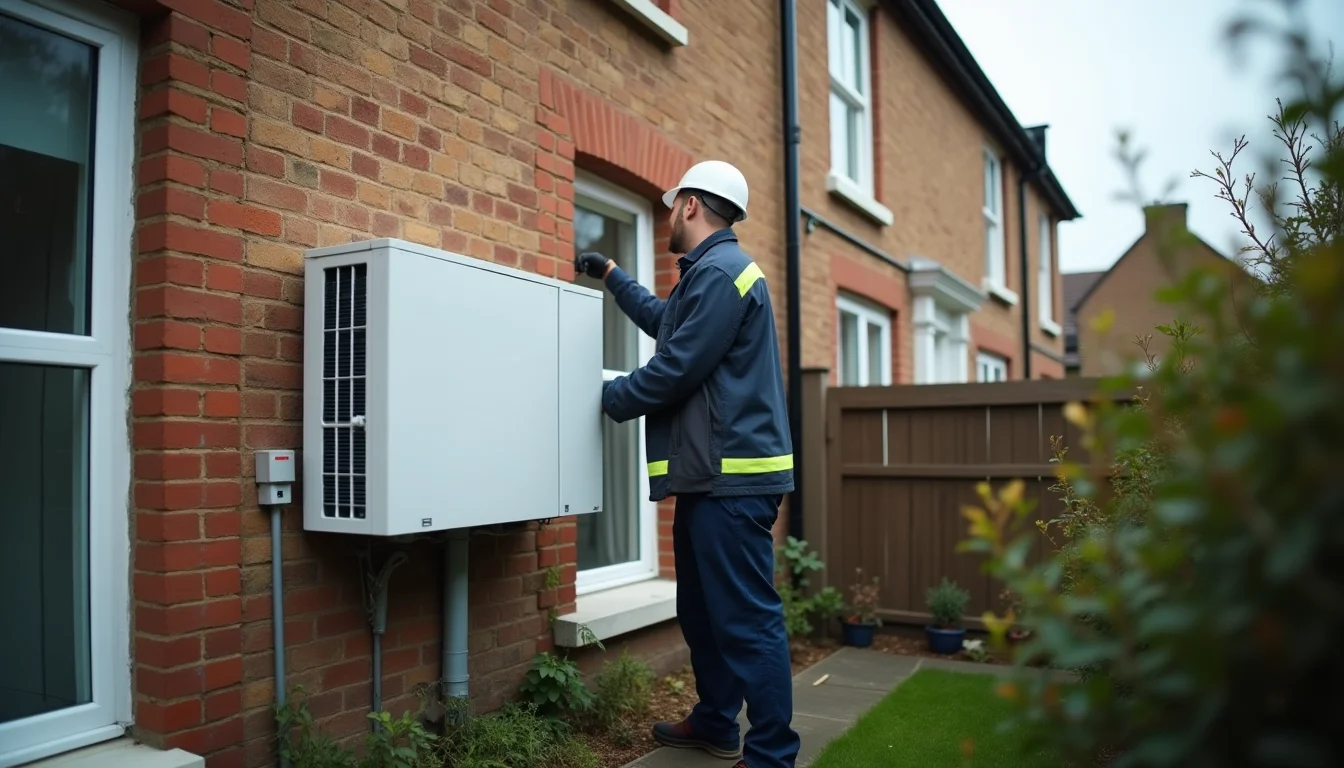
East London has a growing number of MCS certified heat pump installers who know the area's housing stock inside out. Whether you own a Victorian terrace in Hackney, a post-war flat in Barking, or a new-build in Stratford, you can find a qualified local specialist through our directory. Choosing an MCS certified installer is also the only way to qualify for the £7,500 Boiler Upgrade Scheme grant in 2026.
Why East London Homeowners Are Switching to Heat Pumps in 2026
Gas prices have settled somewhat since the wild spikes of previous years, but the average UK household is still paying around 6.8p per kWh for gas in 2026. Electricity sits higher at roughly 24.5p per kWh. On paper, that looks like gas wins. But heat pumps don't work like gas boilers.
A well-installed air source heat pump delivers around 3 to 3.5 units of heat for every unit of electricity it uses. That efficiency, measured as a Coefficient of Performance (COP), means your actual cost per unit of useful heat drops to roughly 7-8p. That puts it right alongside gas, and often below it once you factor in boiler servicing and the annual gas safety check.
East London's housing mix creates specific opportunities too. Many newer developments around the Olympic Park area, Canning Town, and Barking Riverside were built with better insulation standards, making them ideal candidates for heat pumps with minimal extra work.
What Makes East London Different for Heat Pump Installations?
East London isn't one thing. It's a patchwork of housing types, and each brings its own considerations for heat pump installation.
Victorian and Edwardian terraces across Hackney, Leyton, Walthamstow, and Forest Gate are common. These homes typically have solid brick walls, high ceilings, and older radiators. A good installer will assess whether you need external wall insulation, larger radiators, or underfloor heating on the ground floor to make a heat pump work well. Many of these properties have small rear gardens or side returns, so the outdoor unit placement needs careful planning to keep noise levels acceptable and meet the permitted development rules.
Post-war council-built housing in areas like Dagenham, Barking, and parts of Newham often has cavity walls that may already be insulated. These homes tend to respond well to heat pumps, especially where loft insulation has been topped up. The bigger question is usually cylinder space, since heat pumps need a hot water cylinder and many of these homes had their old tanks removed when combis became popular.
Modern developments from the 2010s onwards, particularly around Stratford, Royal Docks, and Greenwich Peninsula, often already meet the insulation levels a heat pump needs. Some newer flats already have communal heat pump systems. For individual homes, the install is often more straightforward.
Honestly, the biggest variable isn't the house type itself. It's whether the installer takes time to do a proper heat loss survey before recommending a system size.
How to Find MCS Certified Heat Pump Installers in East London
MCS certification isn't optional if you want quality assurance and grant eligibility. It's the industry standard that confirms an installer has been independently assessed, follows manufacturer guidelines, and designs systems properly.
Here's what to look for when choosing an installer in East London:
- MCS certified for the type of heat pump you want (air source, ground source, or both)
- Local experience with East London's housing types, not just generic installation knowledge
- A proper survey before any quote, including a room-by-room heat loss calculation
- Willingness to explain their sizing decisions, not just hand you a number
- References or reviews from nearby homeowners who've had similar work done
Our directory lists MCS certified installers who cover East London boroughs including Hackney, Tower Hamlets, Newham, Barking and Dagenham, Redbridge, Waltham Forest, and Havering. You can filter by postcode to find installers who regularly work in your area.
Get at least three quotes. Prices for a typical air source heat pump installation in East London currently range from around £10,000 to £16,000 before the grant, depending on the property and system size. After the £7,500 BUS grant, you could be looking at £2,500 to £8,500 out of pocket.
The £7,500 Boiler Upgrade Scheme Grant: What East London Homeowners Need to Know
The Boiler Upgrade Scheme (BUS) is still running in 2026, offering £7,500 towards the cost of an air source or ground source heat pump. Your installer applies for the voucher on your behalf through Ofgem, so you don't need to deal with paperwork yourself.
To qualify, you need to:
- Own the property (or be a landlord, with some conditions)
- Be replacing a fossil fuel heating system like a gas or oil boiler
- Have a valid EPC with no outstanding loft or cavity wall insulation recommendations (or have addressed them)
- Use an MCS certified installer
That EPC requirement catches some people out. If your Energy Performance Certificate recommends loft insulation and you haven't done it, you'll need to either get the work done first or get a new EPC after completing it. For many East London terraces, topping up loft insulation costs a few hundred pounds and is worth doing regardless.
The grant is applied as a discount on your invoice. You don't pay the full amount and then wait for a refund. That's a genuine help with cash flow.
One thing worth knowing: the scheme has a budget cap each financial year. In previous years it wasn't fully subscribed, but demand has picked up sharply. Don't assume there's no rush.
"Will a Heat Pump Actually Work in My Victorian Terrace?"
This is the single most common concern we hear from East London homeowners. And it's a fair question.
The short answer is yes, but it needs proper design. A Victorian terrace in Walthamstow, for example, might have solid 9-inch brick walls, original sash windows, and 3-metre ceilings. That's a lot of heat loss compared to a modern house. A heat pump can still heat it comfortably, but you may need a slightly larger unit and possibly some radiator upgrades.
Let's take a real scenario. A three-bedroom Victorian mid-terrace in E17 with solid walls, double-glazed replacement windows, and 270mm of loft insulation might have a heat loss of around 7-8 kW. An 8-10 kW air source heat pump would handle that well, running the radiators at flow temperatures of around 45-50°C. Some of the existing radiators might need swapping for larger ones, particularly in the front reception room, but you won't necessarily need to rip out the whole system.
External wall insulation is helpful but not always essential. Internal wall insulation is an option too, though it does eat into room space. A good installer will model the heat loss with and without insulation upgrades so you can make an informed decision.
The outdoor unit needs to sit at least one metre from a boundary and comply with permitted development noise limits. In a typical East London terrace with a rear yard or small garden, there's usually a spot that works. Side returns can be trickier, but experienced local installers have dealt with this dozens of times.
Don't let anyone tell you Victorian houses can't have heat pumps. They absolutely can. But do avoid any installer who quotes you without doing a proper survey first.
What Does a Typical East London Heat Pump Installation Involve?
Most air source heat pump installations in East London take between two and four days. Here's roughly what to expect:
Day one: The outdoor unit gets positioned on a concrete base or anti-vibration mounts. Refrigerant pipework runs through the external wall to connect with the indoor system. If you're on a mid-terrace with a rear extension, the pipework usually routes through the kitchen wall.
Day two: The hot water cylinder goes in, often in an airing cupboard, utility area, or sometimes under the stairs. The installer connects the heat pump to your existing radiator circuit and installs the controls.
Day three (if needed): Any radiator swaps, additional pipework, or underfloor heating connections. The system gets commissioned, balanced, and tested.
Your installer should also register the system with MCS, set up any monitoring, and walk you through how the controls work. Heat pumps perform best when you set them and leave them running at a steady temperature, rather than using a gas boiler-style on/off pattern.
Electrical supply is another consideration. Most heat pumps in the 5-12 kW range can run on a standard single-phase supply, but your installer should check your consumer unit has capacity for a dedicated circuit.
Frequently Asked Questions
How much does a heat pump cost to install in East London?
A typical air source heat pump installation in East London costs between £10,000 and £16,000 before the BUS grant. After the £7,500 grant, most homeowners pay between £2,500 and £8,500 depending on the property type, system size, and any radiator upgrades needed.
Do I need planning permission for a heat pump in East London?
Most air source heat pumps fall under permitted development rights, so you don't need planning permission. There are conditions around noise levels, placement distance from boundaries, and size limits. If your property is in a conservation area or is a listed building, you may need to apply. Your installer should check this during the survey.
Can you get a heat pump in a flat in East London?
It's possible but more complicated. You typically need freeholder consent and a suitable location for the outdoor unit, such as a balcony or ground-level area. Some East London developments already have communal heat pump systems. For individual flats, speak to an MCS certified installer who has experience with leasehold properties.
How long does a heat pump installation take in a terraced house?
Most installations in a terraced house take two to four days. If you need significant radiator upgrades or new pipework, it could stretch to five days. The outdoor unit installation usually happens on the first day, with internal work and commissioning following.
Is the £7,500 heat pump grant still available in 2026?
Yes, the Boiler Upgrade Scheme is still running in 2026, offering £7,500 towards air source and ground source heat pump installations. Your MCS certified installer applies for the grant on your behalf through Ofgem. You must be replacing a fossil fuel heating system and meet the EPC requirements to qualify.
Ready to find a trusted, MCS certified heat pump installer near you in East London? Use our directory at heatpumpinstallerdirectory.co.uk to search by postcode, compare local specialists, and take the first step towards lower heating bills and a warmer home.
Ready to talk to an installer in London?
Every firm in the directory is MCS-certified, with reviews and grant registration shown on its listing.
Related guides
- Heat Pump Installers in Edinburgh — Grants & Local Experts
Find MCS certified heat pump installers in Edinburgh. Learn about Scottish grants worth up to £7,500, local installation tips and how to compare quotes properly.
- Heat Pump Installation Cost in London 2026 — What to Expect
What does a heat pump really cost in London in 2026? We break down prices by borough, explain the London premium, and show how to claim your £7,500 grant.
- Heat Pump Installers in Oxford — Trusted MCS Certified Installers
Looking for heat pump installers in Oxford? Find MCS certified professionals who understand period homes, conservation areas and the £7,500 BUS grant.