
Heat Pump Installers in Scotland: Grants, MCS Certification & Costs Explained
Scotland offers up to £7,500 in heat pump grants plus interest-free loans. Find out what MCS certification means, real costs, and how to find trusted local installers.

Written by Heat Pump Buddy
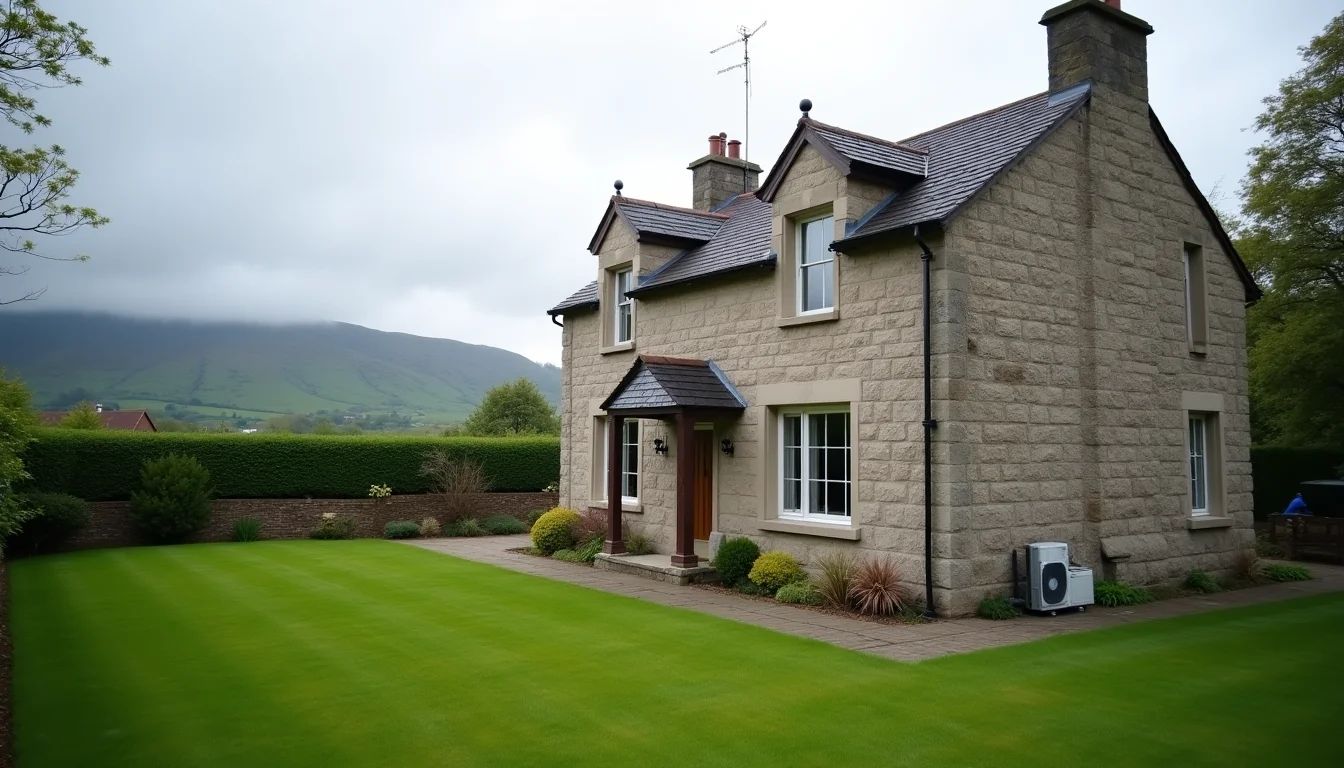
Scottish homeowners have access to some of the most generous heat pump funding in the UK, with grants of up to £7,500 and interest-free loans of up to £15,000 available in 2026. To access any of this funding, your installer must hold MCS certification. This guide breaks down exactly what's available, what it'll actually cost you, and how to find a qualified heat pump installer in Scotland.
What Grants Are Available for Heat Pumps in Scotland in 2026?
Scotland's grant situation is genuinely better than the rest of the UK, and it's worth understanding why. You've got multiple funding streams that can be combined, which brings the out-of-pocket cost down significantly.
The Boiler Upgrade Scheme (BUS) provides £7,500 towards the cost of an air source heat pump or £7,500 for a ground source heat pump. This is a UK-wide scheme administered by Ofgem, and it applies to properties in Scotland just as it does in England and Wales. Your property must have a valid EPC, and the installation must be carried out by an MCS certified installer.
Home Energy Scotland (HES) Loan offers interest-free loans of up to £15,000 for renewable heating systems, including heat pumps. This is on top of the BUS grant, not instead of it. Repayment terms are typically over 10 to 12 years, and there are no arrangement fees.
Warmer Homes Scotland is a separate programme aimed at households on lower incomes or those receiving certain benefits. If you qualify, you could get a heat pump installed at no cost whatsoever. Eligibility is assessed through Home Energy Scotland's advice line on 0808 808 2282.
So the headline figure? A Scottish homeowner on a typical income could realistically get £7,500 in grant funding plus a £15,000 interest-free loan. That covers the vast majority of installations.
Why Does MCS Certification Matter for Heat Pump Installers in Scotland?
MCS stands for Microgeneration Certification Scheme. It's the quality standard that proves an installer is trained, assessed, and audited to fit heat pumps properly. Without MCS certification, you cannot access the BUS grant. Full stop.
But it's not just about the money. MCS certified installers must design systems correctly, calculate heat loss for your specific property, and follow strict installation standards. They're regularly audited, and they have to carry appropriate insurance. Frankly, if an installer isn't MCS certified, you should be asking yourself why.
There's a common misconception that any plumber or gas engineer can install a heat pump. They can't. Heat pump installation requires specific training in system design, refrigerant handling, and electrical work. An MCS certified installer has demonstrated competence across all of these areas.
As of early 2026, Scotland has around 180 to 200 MCS certified heat pump installers spread across the country. Availability is tighter in the Highlands and Islands compared to the Central Belt, so booking early is a good idea if you're in a more rural area.
How Much Does a Heat Pump Actually Cost in Scotland?
Let's talk real numbers, because the range you'll see online is massive and not always helpful.
For a typical three-bedroom semi-detached house in Scotland, an air source heat pump installation usually costs between £10,000 and £14,000 before any grants. That includes the heat pump unit, hot water cylinder, pipework, controls, and labour. After the £7,500 BUS grant, you're looking at roughly £2,500 to £6,500 out of pocket.
Ground source heat pumps cost more, typically £18,000 to £28,000 before the grant. They're better suited to larger properties with garden space for trenches or boreholes.
Here's a real-world example. A couple in a 1970s detached bungalow near Stirling had an 8.5kW air source heat pump installed in early 2026. Total cost was £11,800. After the BUS grant of £7,500, they paid £4,300. They used the HES interest-free loan to cover that remaining amount, meaning their monthly repayment is around £36 per month over 10 years. Their previous oil heating cost them roughly £1,800 a year. Their estimated heat pump running cost is around £1,100 a year.
Several factors affect cost: the size of your property, how well insulated it is, whether you need new radiators, and whether your existing hot water cylinder needs replacing. A good installer will do a thorough heat loss survey before quoting.
The £7,500 Boiler Upgrade Scheme Grant: How to Claim It in Scotland
The BUS grant is straightforward in principle. Your MCS certified installer applies for it on your behalf through Ofgem. You don't have to fill in forms or send off paperwork yourself.
Here's the step-by-step process:
- Get a valid EPC for your property (if you don't already have one)
- Choose an MCS certified heat pump installer
- The installer surveys your home and provides a quote
- Once you accept, the installer applies for the BUS voucher through Ofgem
- Ofgem issues the voucher (usually within a few weeks)
- The installation goes ahead
- The £7,500 is paid directly to the installer, so it's deducted from your bill
You never see the £7,500 in your bank account. It goes straight to the installer, which keeps things simple. The grant is available for existing properties only, not new builds. And you need a valid EPC dated within the last 10 years.
One thing to watch: the BUS has a fixed budget each financial year. In previous years, funding ran low towards the end of the financial year. Don't assume you can leave it to the last minute. If you're thinking about a heat pump in 2026, get the process started sooner rather than later.
"Will a Heat Pump Work in Scotland's Cold Winters?"
This is the single biggest concern Scottish homeowners raise, and it's completely understandable. Scotland gets properly cold. Temperatures in the Highlands can drop below minus 10°C, and even the Central Belt regularly sees minus 5°C through January and February.
Here's the truth: modern air source heat pumps work efficiently down to minus 15°C and can still extract heat from outdoor air at minus 25°C. The technology has improved enormously in recent years. Manufacturers like Mitsubishi, Daikin, Vaillant, and Samsung all produce units specifically tested for cold climate performance.
The key is correct system design. A heat pump that's properly sized for a Scottish property, with adequate insulation and correctly sized radiators, will keep your home warm all winter. Problems only arise when systems are undersized or poorly installed, which is exactly why MCS certification matters so much.
Scandinavian countries like Norway, Sweden, and Finland have millions of heat pumps installed, and their winters make Scotland look mild by comparison. If heat pumps work in Tromsø at minus 20°C, they'll work in Dundee at minus 5°C.
That said, insulation is important. If your home has solid walls with no insulation, single glazing, and a draughty loft, you should address those issues first. Home Energy Scotland can advise on insulation grants and improvements before you commit to a heat pump.
Finding Trusted Heat Pump Installers Across Scotland's Regions
Scotland's geography means the installer market varies quite a bit depending on where you live.
In Edinburgh, Glasgow, and the Central Belt, you'll have the widest choice of MCS certified installers. Competition is healthy, and you should aim to get at least three quotes. Typical lead times are four to eight weeks from survey to installation.
In Aberdeen and the North East, there's a decent number of installers, though slightly fewer than the Central Belt. The oil-dependent nature of many properties in this region means demand for heat pumps is growing fast.
The Highlands and Islands present more of a challenge. Fewer installers operate in remote areas, and travel costs can add to the bill. But these are also the areas where the savings can be greatest, because many properties are off the gas grid and reliant on expensive oil or LPG. Some island communities have seen strong uptake, particularly in Orkney and Shetland.
Dumfries and Galloway, the Scottish Borders, and Fife all have active installer networks, though availability fluctuates with demand.
Whatever region you're in, always check that your installer is MCS certified, get multiple quotes, and ask for references from recent local installations. Have they worked on properties similar to yours? Do they offer aftercare and servicing?
Frequently Asked Questions
Can I get a free heat pump in Scotland?
Yes, but only if you qualify for Warmer Homes Scotland, which is means-tested and aimed at low-income households or those receiving certain benefits. Contact Home Energy Scotland on 0808 808 2282 to check your eligibility. Most homeowners will use the £7,500 BUS grant combined with the interest-free HES loan instead.
How long does it take to get a heat pump installed in Scotland?
From initial enquiry to completed installation, expect around six to twelve weeks. The survey and quote stage takes one to two weeks, the BUS grant application takes two to four weeks, and the installation itself typically takes two to three days for an air source system.
Do I need planning permission for a heat pump in Scotland?
Most air source heat pump installations in Scotland fall under permitted development rights, so you don't need planning permission. There are limits on noise levels and placement, and listed buildings or properties in conservation areas may need consent. Your MCS certified installer will advise you on this during the survey.
Can I combine the BUS grant with the Home Energy Scotland loan?
Yes, absolutely. The £7,500 BUS grant reduces your upfront cost, and the HES interest-free loan of up to £15,000 can cover the remaining balance. Many Scottish homeowners use both together, which means little or no upfront payment is needed.
Are heat pumps worth it in Scotland with high electricity prices?
A well-installed heat pump typically produces three to four units of heat for every unit of electricity it uses. Even with electricity at around 24p per kWh in 2026, that effective cost of 6p to 8p per kWh of heat is competitive with gas at 7p per kWh and significantly cheaper than oil or LPG. For off-gas-grid homes, the savings are substantial.
Ready to find a trusted, MCS certified heat pump installer near you? Use our free directory at heatpumpinstallerdirectory.co.uk to search by postcode and connect with vetted local installers across Scotland. Get your quotes, lock in that £7,500 grant, and start cutting your heating bills for good.
Ready to talk to an installer?
Compare the listed firms, then check current MCS status, service coverage and any grant registration directly. Contact routes are shown when a firm has published one.
Related guides
- Heat Pump Installers in Exeter — Local Companies & Grants
Find MCS certified heat pump installers in Exeter. Learn about the £7,500 BUS grant, ECO4 funding, and what Exeter's mix of Georgian, Victorian and modern homes means for your install.
- Heat Pump Installers in York — Heritage Property Experts
York's conservation areas and listed buildings make heat pump installation tricky. Find MCS certified installers who know York's planning rules and heritage restrictions.
- Heat Pump Installers in Brighton — Eco-Friendly Heating
Find MCS certified heat pump installers in Brighton. Learn how the £7,500 BUS grant works, what Brighton's housing stock means for your install, and get real costs.