
Heat Pump Installers in Southampton: Find Local Heat Pump Experts You Can Trust
Looking for trusted heat pump installers in Southampton? Local MCS-certified experts, £7,500 grants, and why the coastal climate works in your favour.

Written by Heat Pump Buddy
Southampton has a growing number of MCS-certified heat pump installers ready to fit air source and ground source systems across the city and surrounding areas. You can claim the £7,500 Boiler Upgrade Scheme grant to bring costs down significantly, and Southampton's mild coastal climate actually makes heat pumps perform better than in many other parts of the UK. Use our directory to compare local installers, check their certifications, and request quotes from professionals who know Southampton's housing stock inside out.
Why Southampton's Climate and Housing Stock Suit Heat Pumps
Here's something most people don't realise: heat pumps work more efficiently in milder climates. Southampton sits on the south coast with average winter temperatures that rarely dip below 2°C for extended periods. That means your heat pump spends most of the heating season operating well within its comfort zone, delivering a coefficient of performance (COP) of 3.0 or higher.
The city's housing mix also plays in your favour. Large parts of Shirley, Bassett, and Bitterne are filled with 1930s semi-detached houses that respond well to cavity wall insulation and already have decent-sized gardens for outdoor units. Victorian terraces around the city centre and in areas like Freemantle can work too, though they sometimes need a bit more planning around unit placement.
If you live in one of the newer-build estates around Hedge End, West End, or Hamble, your home likely already has good insulation levels, which makes it an even better candidate. Honestly, Southampton is one of the more straightforward cities in England for heat pump installations.
How to Find MCS-Certified Heat Pump Installers in Southampton
MCS certification isn't optional. It's the only way to qualify for the £7,500 government grant, and it's your guarantee that the installer meets recognised industry standards. Any installer worth hiring in Southampton will hold current MCS accreditation.
When you search for heat pump installers in Southampton, look for companies that have completed installations on similar properties to yours. A firm that's fitted dozens of systems on 1930s semis in Portswood will understand the pipework, radiator sizing, and insulation considerations specific to those homes. Ask them directly how many installations they've done in the past 12 months.
Our directory lists only MCS-certified installers, so you can filter by location and read verified details about each company. Get at least three quotes. Prices can vary by £2,000 to £4,000 for the same property, so comparing is well worth the effort.
A few things to check with every installer:
- Are they MCS certified for the specific type of heat pump you want (air source or ground source)?
- Will they carry out a full heat loss survey before quoting?
- Do they handle the BUS grant application on your behalf?
- What warranty do they offer on the installation itself, separate from the manufacturer's warranty on the unit?
The £7,500 Boiler Upgrade Scheme Grant: What Southampton Homeowners Need to Know
The Boiler Upgrade Scheme (BUS) is still running in 2026, offering £7,500 off the cost of an air source heat pump and £7,500 for ground source systems. The grant is applied directly by your installer, so you never have to find the full amount upfront. It comes straight off your invoice.
To qualify, your home needs a valid Energy Performance Certificate (EPC) with no outstanding recommendations for loft or cavity wall insulation. You must own the property, and the installation must replace an existing fossil fuel heating system like a gas or oil boiler. Landlords don't qualify under the current rules.
Let's put some real numbers on this. A typical air source heat pump installation on a three-bedroom semi in Southampton costs between £10,000 and £14,000 before the grant. After the £7,500 BUS voucher, you're looking at roughly £2,500 to £6,500 out of pocket. Compare that to a new gas boiler at £2,500 to £3,500, and the gap is much smaller than most people expect.
There's been talk about the scheme's future beyond March 2028, but nothing is confirmed. If you're thinking about it, applying sooner rather than later removes any risk of missing out.
What Does a Heat Pump Installation in Southampton Actually Involve?
The process typically takes one to three days for an air source heat pump. Ground source installations take longer because of the trenching or borehole work, usually a week or more.
Here's roughly what happens. Your installer will start with a detailed heat loss calculation for your home. This tells them what size heat pump you need and whether your existing radiators are large enough or need upgrading. In many Southampton homes from the 1960s onwards, the existing radiators work fine. Older properties might need a few swapped out for larger ones.
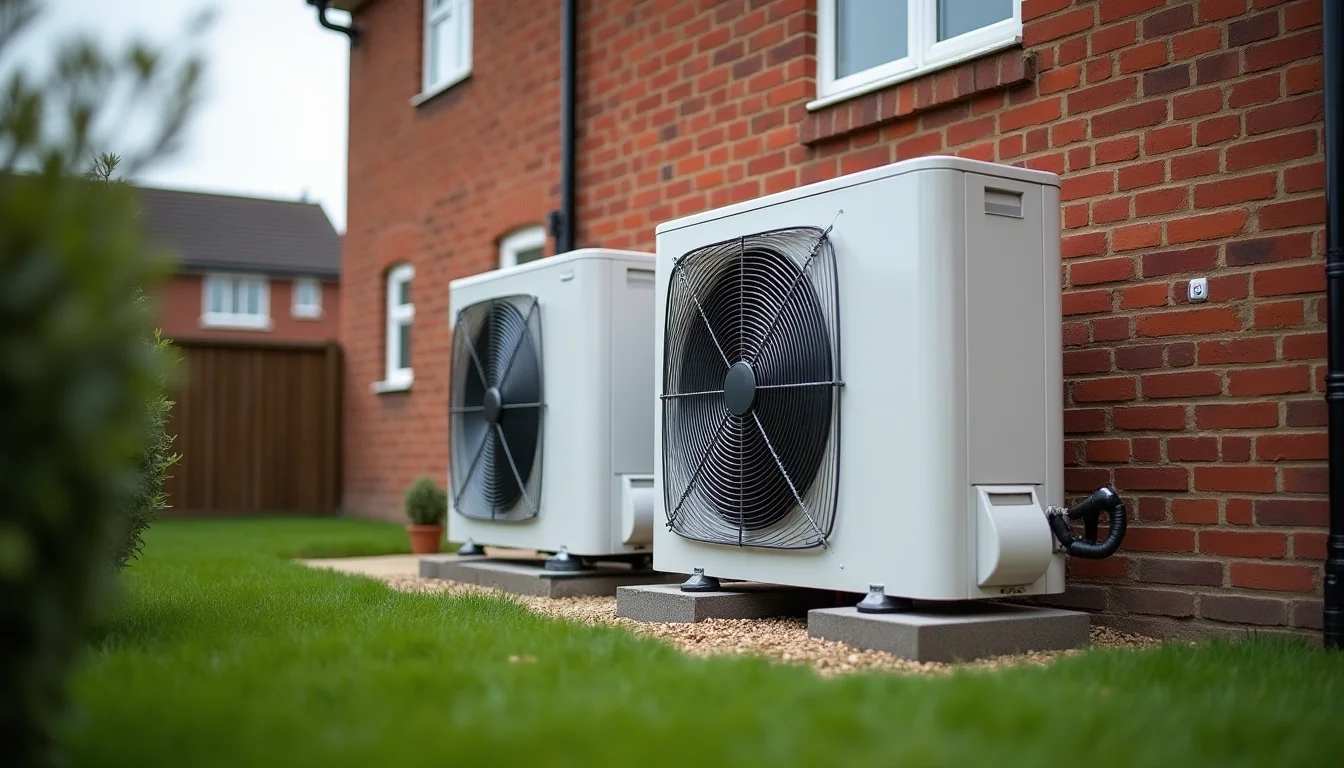
The outdoor unit gets mounted on a concrete pad or anti-vibration feet, usually against a side wall or in the back garden. Planning permission isn't normally required for air source heat pumps under permitted development rights, but there are rules about proximity to boundaries that your installer will know.
Inside, the installer connects the heat pump to your heating circuit and fits a hot water cylinder if you don't already have one. If you've got a combi boiler at the moment, this is the part that catches people off guard, because you will need space for a cylinder. Most utility rooms, airing cupboards, or even a corner of the garage can accommodate one.
Once everything is connected, the system gets commissioned, and your installer should walk you through the controls and settings. A good installer will also check back after a few weeks to make sure everything is running as expected.
Will a Heat Pump Actually Save Me Money in Southampton?
This is the question everyone asks, and it deserves an honest answer. The savings depend on what you're replacing and how well your home is insulated.
If you're switching from an oil boiler, the savings are clear. Oil prices have been volatile, and a well-installed heat pump will cut your heating costs by 30% to 50% compared to oil. If you're on mains gas, the picture is tighter because gas is still relatively cheap per kWh compared to electricity.
As of mid-2026, the average UK electricity rate sits around 24p per kWh, while gas is about 7p per kWh. But a heat pump delivers roughly 3 kWh of heat for every 1 kWh of electricity it uses. So your effective cost per kWh of heat is closer to 8p, which puts it in a similar ballpark to gas. Add a solar PV system and you can push those running costs down further.
Here's a real scenario. A family in a three-bed semi in Woolston replaced their ageing gas boiler with a 9kW air source heat pump in early 2026. Their gas bill had been about £1,200 a year. Their electricity costs for heating with the heat pump are running at around £900 a year. That's a saving of roughly £300 annually, and they got the £7,500 grant. Over 15 to 20 years, the heat pump pays for itself comfortably, and they're no longer burning fossil fuel.
The financial case gets stronger every year as gas prices are expected to rise and the electricity grid gets cleaner.
"Won't a Heat Pump Be Too Noisy for My Neighbours?"
This is probably the most common worry we hear from homeowners in Southampton, especially in terraced streets and tighter plots around Portswood, St Denys, and the city centre.
Modern air source heat pumps are far quieter than people assume. Most units run at around 40 to 45 decibels at one metre distance, which is roughly the volume of a refrigerator. At three metres, where your neighbour's boundary likely is, the sound drops to 30 to 35 decibels. That's quieter than a whisper.
Planning rules say the unit shouldn't be installed within one metre of a property boundary, and there are permitted development noise limits your installer must meet. A good installer will position the unit to minimise any impact, using anti-vibration mounts and placing it away from bedroom windows where possible.
If you live in a flat or a listed building, different rules apply, and you may need specific planning consent. But for the vast majority of Southampton homes, noise simply isn't a problem in practice.
Frequently Asked Questions
How much does a heat pump cost to install in Southampton?
A typical air source heat pump installation in Southampton costs between £10,000 and £14,000 before the government grant. After the £7,500 Boiler Upgrade Scheme voucher, most homeowners pay between £2,500 and £6,500 out of pocket. Ground source systems cost more, usually £15,000 to £25,000 before the grant.
Do I need planning permission for a heat pump in Southampton?
Most air source heat pumps fall under permitted development rights, so you won't need planning permission. There are conditions around noise levels and distance from boundaries that your installer must follow. If your home is listed or in a conservation area, you should check with Southampton City Council before proceeding.
How long does a heat pump installation take in Southampton?
An air source heat pump installation typically takes one to three days from start to finish. Ground source heat pumps take longer, usually five to ten days, because of the trench or borehole work in your garden. Your installer should give you a clear timeline before any work begins.
Is the £7,500 heat pump grant still available in 2026?
Yes, the Boiler Upgrade Scheme is still running in 2026 and offers £7,500 towards the cost of an air source or ground source heat pump. Your MCS-certified installer applies for the grant on your behalf, and the amount comes directly off your bill. The scheme is currently funded through to March 2028.
Can I get a heat pump if I have a combi boiler?
Yes, you can replace a combi boiler with a heat pump. The main difference is that you'll need a hot water cylinder installed, because heat pumps heat water more gradually than a combi boiler. You'll need to find space for this cylinder, but most Southampton homes have a suitable cupboard, utility room, or garage space.
Ready to get started? Use our directory at heatpumpinstallerdirectory.co.uk to find MCS-certified heat pump installers in Southampton. Compare local companies, check their credentials, and request free quotes from professionals who know your area. The £7,500 grant won't last forever, so there's no better time to get your first quote.