
Heat Pump Installers in Southampton: Find Local Heat Pump Experts You Can Trust
Looking for heat pump installers in Southampton? Learn what to check, how the coastal climate helps performance, and how to claim the £7,500 BUS grant.

Written by Heat Pump Buddy
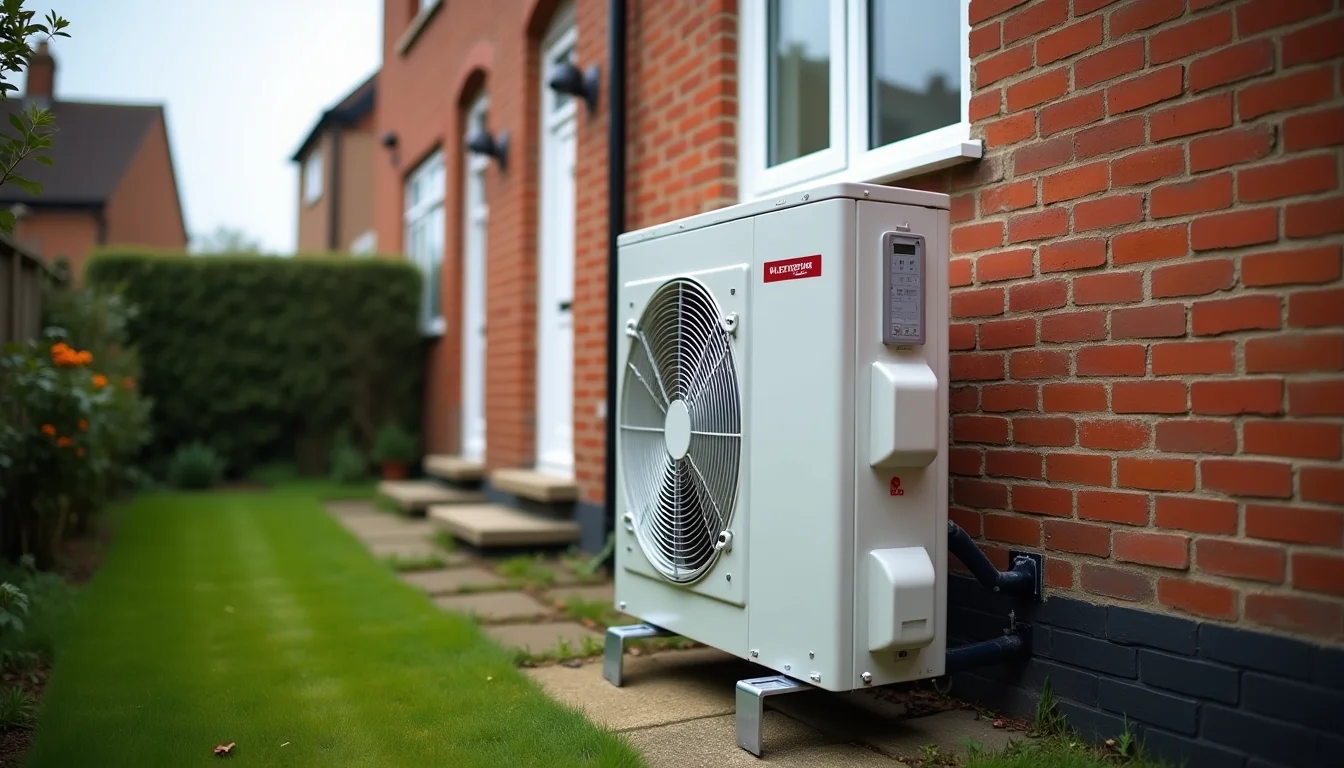
Southampton has a growing number of MCS certified heat pump installers, and finding the right one comes down to checking their accreditation, their experience with your type of property, and whether they'll handle the £7,500 BUS grant paperwork for you. Local installers who know the city's mix of Victorian terraces, post-war semis, and newer waterfront developments will give you a better system design than someone unfamiliar with the area. You can search for vetted Southampton installers on our directory and get quotes from professionals who actually work in your neighbourhood.
Why Choose a Local Heat Pump Installer in Southampton?
There's a practical reason for picking someone based in or near Southampton rather than a national outfit hundreds of miles away. A local installer knows the building stock. They've already worked on the solid-walled Victorian terraces around Freemantle and Portswood, the cavity-walled 1950s semis in Shirley, and the newer builds around Ocean Village and Woolston.
That matters because the type of wall construction, existing insulation, and radiator sizes all affect how a heat pump is designed. An installer who's already surveyed dozens of similar properties to yours won't need to guess. They'll know what works.
Local companies also tend to be quicker for the annual service visits and any warranty call-outs. If your heat pump develops a fault in February, you don't want to be waiting three weeks for an engineer to drive down from the Midlands.
How Southampton's Coastal Climate Actually Helps Heat Pumps
Here's something most people don't realise: Southampton's location on the south coast gives air source heat pumps a genuine performance advantage. Heat pumps extract warmth from the outside air, and the milder your winters, the less the system has to work.
Southampton's average winter temperature sits around 4 to 7°C between December and February, according to Met Office data. That's noticeably warmer than inland cities like Birmingham or Leeds, where averages dip closer to 2 to 4°C. For a heat pump, that difference translates into a higher Coefficient of Performance (COP), meaning you get more heat output for every unit of electricity used.
Frankly, if you were going to pick a UK city where heat pumps make the most sense, a south coast location like Southampton is near the top of the list. The moderate maritime climate means your system runs efficiently for the vast majority of the year.
What to Look for in a Southampton Heat Pump Installer
MCS certification is non-negotiable. Without it, you can't claim the £7,500 Boiler Upgrade Scheme grant, and you've got no guarantee the installation meets the required standards. Every installer listed on our directory holds current MCS certification, so that box is already ticked.
Beyond that, here's what to check:
- Experience with your property type. Ask how many similar homes they've fitted. A Victorian terrace with solid walls needs a different approach to a 2015 new build.
- A proper heat loss survey. Any installer who quotes you without doing a room-by-room heat loss calculation is cutting corners. Walk away.
- Willingness to discuss radiator upgrades. Older properties often need some radiators upsizing. A good installer will be upfront about this rather than glossing over it.
- Clear written quote. The quote should itemise the heat pump unit, cylinder, pipework, radiator changes, electrical work, scaffolding if needed, and commissioning. No vague lump sums.
- Warranty details. Most major manufacturers offer 5 to 10 year warranties, but only if the installation is done by an approved installer.
Ask for references from local jobs. A confident installer will happily give you the details of a previous customer in Southampton who's willing to chat about their experience.
Claiming the £7,500 BUS Grant in Southampton
The Boiler Upgrade Scheme (BUS) is still running in 2026 and provides a £7,500 grant towards the cost of an air source heat pump. For ground source systems, the grant is £7,500 too. This comes straight off your installation cost, so if the total job is £12,000, you'd pay £4,500.
To qualify, your property needs to be an existing home (not a new build), it must have an EPC (or a valid exemption), and the installation must be done by an MCS certified installer. Your installer applies for the voucher on your behalf through Ofgem's system. You don't have to fill in forms or chase the payment yourself.
One thing worth knowing: the grant is applied for after the installer has surveyed your property but before the work begins. The voucher is then valid for a set period, so there's a window to get the installation completed. Your installer should manage this timeline for you.
If you're in a flat or a leasehold property, you can still apply, but you'll need written permission from your landlord or freeholder. Properties that already have a heat pump installed can't claim a second time.
"Will a Heat Pump Actually Work in My Older Southampton Home?"
This is the biggest concern we hear, and it's a fair question. Many Southampton homeowners live in Victorian or Edwardian terraces, or post-war properties that weren't built with modern insulation standards in mind.
The honest answer is: yes, heat pumps work in older homes, but the installation needs more careful planning. Here's what that looks like in practice.
Take a typical three-bedroom Victorian terrace in the Polygon area. Solid brick walls, original sash windows, a mix of old and newer radiators. A good installer would carry out a room-by-room heat loss calculation, probably recommend upgrading two or three radiators to larger ones, and might suggest internal wall insulation in the worst-performing rooms. The heat pump itself would likely be a 9 to 11kW unit, and the overall system would be designed to run at a flow temperature of around 45°C.
The total cost might come to £13,000 to £15,000 before the grant. After the £7,500 BUS payment, the homeowner pays £5,500 to £7,500. With current electricity tariffs around 24.5p per kWh (Ofgem price cap, Q3 2026) and gas at roughly 6.8p per kWh, the running cost comparison works in your favour once you factor in the heat pump's efficiency of around 3.0 to 3.5 COP.
That means for every 1kWh of electricity, you're getting 3 to 3.5kWh of heat. Your effective cost per kWh of heat drops to roughly 7 to 8p, which is competitive with gas. And that's before you account for the fact that gas prices have been volatile, while electricity prices are increasingly linked to cheaper renewable generation.
So yes, it works. But only if the system is properly designed for your specific home. That's exactly why picking the right installer matters so much.
What Does a Heat Pump Installation in Southampton Typically Cost?
Pricing varies depending on property size, the heat pump model, and how much additional work is needed. But here are realistic ballpark figures for 2026:
- Small flat or two-bed terrace: £8,000 to £11,000 (before grant)
- Three-bed semi or terrace: £10,000 to £14,000 (before grant)
- Four-bed detached: £12,000 to £18,000 (before grant)
Subtract the £7,500 BUS grant from those figures and you're looking at a net cost that's often comparable to replacing a gas boiler with another gas boiler, especially once you include the boiler cost, fitting, and any upgrades to gas pipework or flues.
Get at least three quotes. Prices vary between installers, and so does the quality of the design. The cheapest quote isn't always the best one. Look at what's included and how thorough the survey was.
Frequently Asked Questions
How much does a heat pump cost to install in Southampton?
A typical air source heat pump installation in Southampton costs between £10,000 and £15,000 before the BUS grant. After the £7,500 grant, most homeowners pay between £2,500 and £7,500 depending on property size and any additional work like radiator upgrades.
Are there MCS certified heat pump installers near Southampton?
Yes, there are multiple MCS certified heat pump installers operating in and around Southampton. You can search our directory by postcode to find accredited local installers who have experience with Southampton properties.
Do heat pumps work well near the coast in Southampton?
Heat pumps perform very well in Southampton's coastal climate. The milder winter temperatures along the south coast mean air source heat pumps run more efficiently than in colder inland areas, giving you a higher COP and lower running costs. Coastal corrosion can be a minor consideration, but most modern outdoor units come with anti-corrosion coatings as standard.
Can I get a heat pump in a Victorian terrace in Southampton?
Yes, heat pumps can be fitted in Victorian terraces, and many Southampton installers have direct experience with this type of property. The key is a thorough heat loss survey, possibly upgrading some radiators, and selecting the right sized unit. Solid-walled homes may benefit from some insulation improvements too.
How long does it take to install a heat pump in Southampton?
Most air source heat pump installations take between two and four days on site, depending on the complexity. If you need radiator upgrades or hot water cylinder changes, it could stretch to five days. The survey and grant application process beforehand typically adds two to six weeks of lead time.
Find a Trusted Heat Pump Installer in Southampton Today
If you're ready to move away from gas and take advantage of Southampton's mild climate and the £7,500 BUS grant, the next step is getting quotes from qualified local installers. Use the search on heatpumpinstallerdirectory.co.uk to find MCS certified heat pump installers in Southampton who know your area, your housing stock, and your local planning requirements. It takes a couple of minutes, and you'll be speaking to professionals who can give you a proper assessment of what your home needs.
Ready to talk to an installer in Southampton?
Compare the listed firms, then check current MCS status, service coverage and any grant registration directly. Contact routes are shown when a firm has published one.
Related guides
- Heat Pump Installers in Exeter — Local Companies & Grants
Find MCS certified heat pump installers in Exeter. Learn about the £7,500 BUS grant, ECO4 funding, and what Exeter's mix of Georgian, Victorian and modern homes means for your install.
- Heat Pump Installers in York — Heritage Property Experts
York's conservation areas and listed buildings make heat pump installation tricky. Find MCS certified installers who know York's planning rules and heritage restrictions.
- Heat Pump Installers in Brighton — Eco-Friendly Heating
Find MCS certified heat pump installers in Brighton. Learn how the £7,500 BUS grant works, what Brighton's housing stock means for your install, and get real costs.