
Heat Pump vs Gas Boiler: How to Decide Which Is Right for Your Home
Not sure whether a heat pump or gas boiler suits your home? This step-by-step guide covers costs, grants, insulation and more to help you decide in 2026.

Written by Heat Pump Buddy
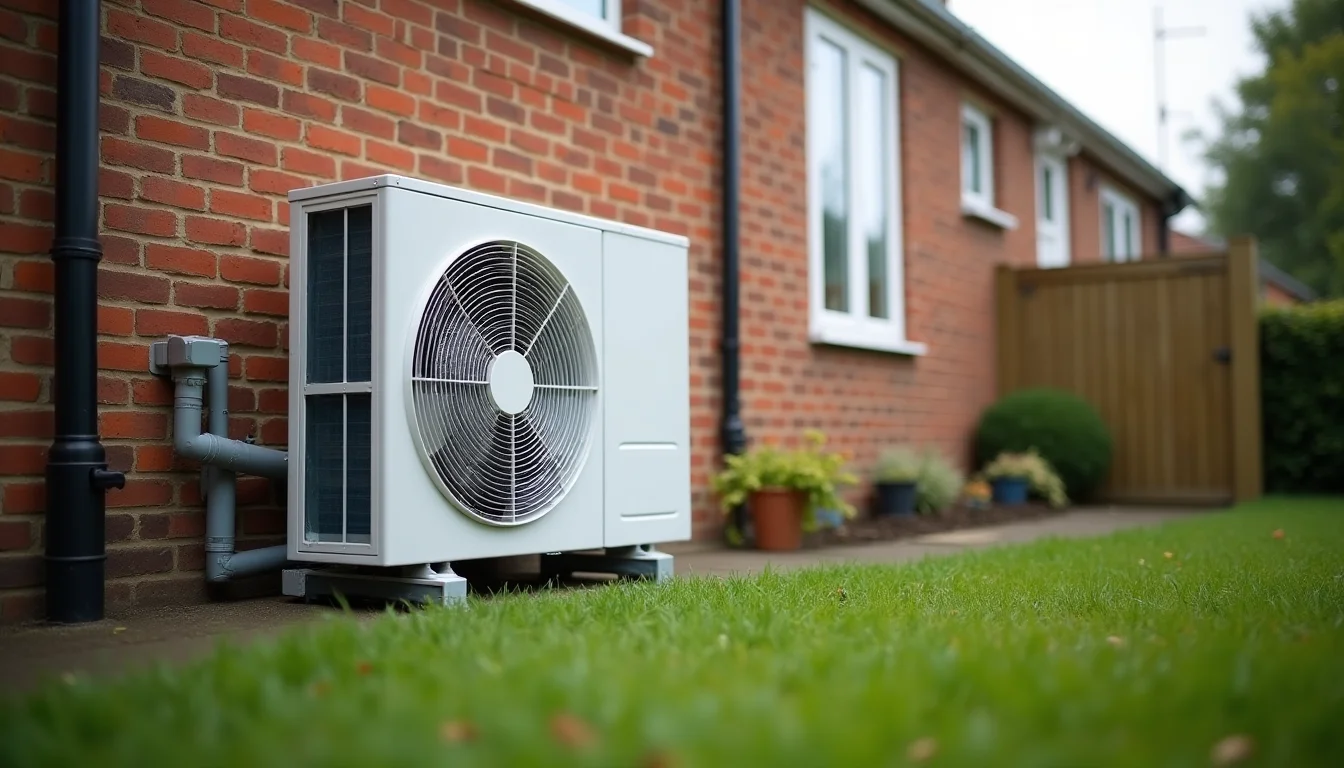
The right choice between a heat pump and a gas boiler depends on your home's insulation, your budget, and how long you plan to stay in the property. For most reasonably insulated UK homes in 2026, an air source heat pump paired with the £7,500 BUS grant will cost less to run over its lifetime than a new gas boiler. But that doesn't mean it's the right answer for every single house, and this guide will help you work through the decision step by step.
Step 1: Check Your Home's Insulation Before Anything Else
This is the single biggest factor, and it's the one most people skip. A heat pump works by delivering heat at lower temperatures than a gas boiler, which means your home needs to hold onto that heat. If you've got solid walls with no insulation and single-glazed windows, a heat pump will struggle to keep you comfortable without serious upgrades first.
Here's a rough guide. If your home has an EPC rating of D or above, with loft insulation and double glazing, you're likely in good shape for a heat pump. Homes rated E, F, or G will probably need insulation work before a heat pump makes financial sense.
The good news is that many UK homes already meet this standard. According to the English Housing Survey, around 60% of homes now have an EPC rating of C or D. If you don't know yours, you can look it up for free on the government's EPC register.
Step 2: What Type of Property Do You Live In?
Property type matters more than people realise. A detached house with a garden and plenty of external wall space is ideal for an air source heat pump. The outdoor unit needs around a square metre of space and should sit at least a metre from your boundary, though permitted development rules in 2026 make installation straightforward for most homes.
Terraced houses and flats are trickier. You might have limited outdoor space, and noise regulations mean the unit can't sit right next to a neighbour's window. It's not impossible, but it takes more careful planning.
Let's take a real example. Sarah and Tom own a 1990s three-bed semi in Nottingham with cavity wall insulation and double glazing. Their EPC is a D. They had a 9kW air source heat pump installed for £12,500 before the grant, bringing the actual cost down to £5,000. Their gas bills had been running around £1,200 a year. With the heat pump, their electricity costs for heating sit at roughly £900 a year. Over 15 years, that saving adds up.
Step 3: Heat Pump vs Gas Boiler Running Costs in 2026
Let's talk numbers, because this is where most of the confusion lives.
As of early 2026, the Ofgem energy price cap puts electricity at roughly 24.5p per kWh and gas at around 6.8p per kWh. On paper, electricity looks far more expensive. But here's the crucial bit: a heat pump delivers roughly 3 to 3.5 units of heat for every unit of electricity it uses. That's its coefficient of performance, or COP.
So the real cost of heat from a heat pump is about 7p to 8p per kWh. That's actually comparable to gas, and in a well-insulated home with correctly sized radiators, it can be cheaper. A gas boiler, even a modern condensing one, only converts about 90% of the gas it burns into useful heat.
For a typical three-bed semi using around 12,000 kWh of heating per year, you're looking at roughly £840 to £960 with a heat pump versus £910 to £1,000 with gas. The gap isn't huge, but it favours the heat pump, and it's only going to widen as gas prices are expected to rise faster than electricity prices through the late 2020s.
How the £7,500 BUS Grant Changes the Maths
The Boiler Upgrade Scheme is still available in 2026, offering £7,500 off the cost of an air source heat pump and £7,500 for a ground source heat pump. This grant is applied at the point of installation by your MCS certified installer, so you don't need to find the full amount upfront.
A typical air source heat pump installation in the UK costs between £10,000 and £15,000 depending on the size of your home and whether you need new radiators or a hot water cylinder. With the grant, you're looking at £2,500 to £7,500 out of pocket. Compare that to a new gas boiler installation, which runs £2,500 to £4,500 with no grant available.
Frankly, the grant makes the upfront cost difference much smaller than most people expect. And since heat pumps last 20 to 25 years compared to 12 to 15 for a gas boiler, the lifetime cost often works out lower.
To qualify, you need an MCS certified installer and your property must have a valid EPC with no outstanding loft or cavity wall insulation recommendations. Your installer handles the grant application, so it's one less thing to worry about.
What About Future Gas Boiler Regulations?
This is worth thinking about seriously. The UK government has confirmed that new gas boiler installations in homes will face increasing restrictions through the late 2020s. The Future Homes Standard, which applies to all new-build homes from 2025, already requires low-carbon heating. And there's growing pressure to extend similar requirements to existing homes.
No one is going to rip your working gas boiler out. But if you install a new gas boiler today, you're committing to a system that will likely need replacing with a heat pump or alternative within 15 years anyway. That means paying for two heating systems over the next couple of decades instead of one.
If you're planning to stay in your home long-term, fitting a heat pump now avoids that double cost. If you're selling within five years, a heat pump can add value. Energy Performance Certificate ratings increasingly matter to buyers, and a home with a heat pump typically scores higher.
"Won't a Heat Pump Be Too Noisy or Too Cold?"
This is the objection that comes up in almost every conversation, so let's deal with it directly.
Modern air source heat pumps in 2026 run at around 40 to 45 decibels from a metre away. That's about the same volume as a fridge. Older models were louder, and some of the bad reputation comes from early installations. But the technology has moved on significantly. Permitted development rules require the unit to operate below 42dB at the nearest neighbour's window, and most current models meet this easily.
As for keeping your home warm, a properly sized and installed heat pump will heat your house to the same temperatures as a gas boiler. The key word there is "properly." A good MCS certified installer will do a full heat loss calculation for your home and size the system correctly. Problems almost always trace back to poor installation or undersized systems, not the technology itself.
Heat pumps work in countries far colder than the UK. Norway and Sweden have some of the highest heat pump adoption rates in Europe, and their winters make ours look mild. If it works in Trondheim at minus 15, it'll work in Tunbridge Wells.
Quick Decision Checklist
Ask yourself these five questions:
- Is your home's EPC rated D or above? If yes, a heat pump is very likely suitable.
- Do you have outdoor space for the unit and access for installation? If yes, you're in good shape.
- Can you access the £7,500 BUS grant? If yes, the upfront costs become very competitive with a gas boiler.
- Are you planning to stay for more than five years? If yes, the long-term savings favour a heat pump.
- Do you currently have a wet radiator system? If yes, a heat pump can often use your existing pipework, though you may need some larger radiators.
If you answered yes to most of those, a heat pump is almost certainly the smarter choice. If your home has poor insulation and you can't afford to upgrade it right now, a gas boiler might be the practical option for today, but budget for a heat pump switch in future.
Frequently Asked Questions
Is a heat pump cheaper to run than a gas boiler?
In most cases, yes. A heat pump delivers 3 to 3.5 kWh of heat per 1 kWh of electricity, making its effective running cost around 7p to 8p per kWh. A gas boiler's effective cost is about 7.5p to 8p per kWh after accounting for efficiency losses. The difference is modest but favours heat pumps, and the gap is expected to grow as gas prices rise.
Can I get a heat pump if I live in a terraced house?
Yes, but it needs careful planning. You'll need enough outdoor space for the unit and must meet noise regulations relative to neighbouring properties. Many terraced homes have had successful installations. An MCS certified installer can assess whether your specific property is suitable.
How much does a heat pump cost after the grant in 2026?
With the £7,500 Boiler Upgrade Scheme grant, most homeowners pay between £2,500 and £7,500 for an air source heat pump installation. The total cost before the grant typically ranges from £10,000 to £15,000 depending on the size of your home and whether additional work like radiator upgrades is needed.
Do heat pumps work in cold UK winters?
Absolutely. Modern air source heat pumps are designed to work efficiently at temperatures down to minus 15°C or lower. UK winters rarely drop below minus 5°C for extended periods. Countries with far harsher winters than ours, such as Norway and Finland, have some of the highest heat pump adoption rates in the world.
Will gas boilers be banned in the UK?
There is no outright ban on gas boilers for existing homes in 2026. But the government has made clear that restrictions will tighten through the late 2020s. New-build homes must already use low-carbon heating under the Future Homes Standard. If you're buying a new boiler now, expect it to be your last gas boiler before regulations require a switch to a heat pump or similar system.
Ready to find out what a heat pump would cost for your home? Use heatpumpinstallerdirectory.co.uk to find MCS certified installers in your area, get quotes, and check whether you qualify for the £7,500 BUS grant. It takes two minutes, and there's no obligation.
Ready to talk to an installer?
Every firm in the directory is MCS-certified, with reviews and grant registration shown on its listing.
Related guides
- Do Heat Pumps Work in Old Houses? The Complete Guide
Can you install a heat pump in a pre-1930s house? Yes. This guide covers solid walls, listed buildings, insulation fixes and real costs for older UK homes.
- Air Source vs Ground Source Heat Pump: How to Choose the Right System for Your Home
Air source or ground source heat pump? This practical guide helps UK homeowners choose the right system based on budget, garden size, and BUS grant eligibility.
- How to Install a Heat Pump in a Small Garden or Tight Space
Think your garden's too small for a heat pump? Think again. Here's how UK homeowners are fitting heat pumps into the tightest spaces and still claiming £7,500.