
How Much Does a Heat Pump Cost to Install in the UK in 2026?
Real heat pump installation costs in the UK for 2026, including BUS grant savings, hidden fees, and regional price differences most guides won't tell you.

Written by Heat Pump Buddy
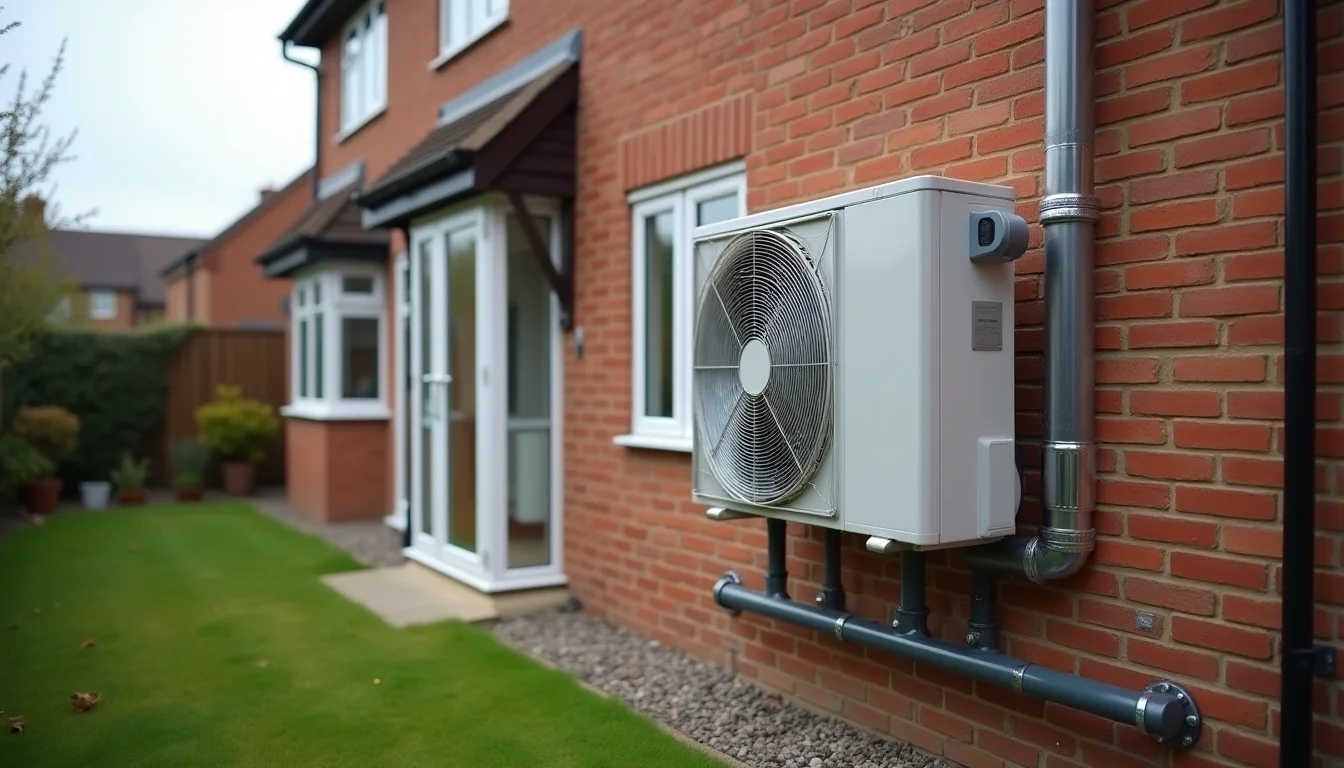
A typical air source heat pump installation in 2026 costs between £10,000 and £16,000 before the £7,500 BUS grant, bringing the out-of-pocket cost down to roughly £2,500 to £8,500 for most homes. Ground source systems are pricier, usually landing between £20,000 and £35,000 before the grant. The final figure depends heavily on your property size, existing heating setup, and where you live in the UK.
What Does a Heat Pump Actually Cost to Install in 2026?
Let's break this down properly, because the range you'll see quoted online is enormous and not always helpful.
For an air source heat pump (ASHP) in a typical three-bedroom semi-detached house, you're looking at £10,000 to £16,000 for the full installation. That includes the unit itself, labour, pipework modifications, controls, and commissioning. A smaller flat or well-insulated two-bed might come in under £10,000, while a larger detached property could push towards £18,000.
Ground source heat pumps (GSHPs) are a different story. The equipment is broadly similar in price to an ASHP, but the ground works push costs up significantly. Horizontal trench systems typically cost £20,000 to £28,000, while borehole installations can reach £30,000 to £35,000 depending on geology and depth.
Here's a quick reference:
| System Type | Typical Cost (Before Grant) | After £7,500 BUS Grant |
|---|---|---|
| Air Source (small property) | £8,000 - £11,000 | £500 - £3,500 |
| Air Source (average 3-bed) | £11,000 - £16,000 | £3,500 - £8,500 |
| Air Source (large/detached) | £14,000 - £18,000 | £6,500 - £10,500 |
| Ground Source (trench) | £20,000 - £28,000 | £12,500 - £20,500 |
| Ground Source (borehole) | £28,000 - £35,000 | £20,500 - £27,500 |
These are real-world figures based on quoted prices from MCS certified installers across the UK in early 2026.
What Hidden Costs Do Homeowners Miss When Budgeting?
This is where people get caught out. The headline price for a heat pump installation rarely covers everything you'll actually need to spend.
Radiator upgrades. Heat pumps run at lower flow temperatures than gas boilers. If your radiators are undersized, and many are, you'll need to swap some or all of them for larger ones. Budget £150 to £350 per radiator, and most homes need at least three or four replaced. That's an extra £600 to £1,400 that catches people off guard.
Hot water cylinder. If you've currently got a combi boiler, you won't have a hot water cylinder. You'll need one. A good quality cylinder suited to a heat pump costs £800 to £1,500 installed, and you'll need somewhere to put it.
Insulation. Honestly, this is the one most people don't want to hear. A heat pump will work harder and cost more to run in a poorly insulated house. Loft insulation top-ups are cheap at £300 to £500, but cavity wall insulation runs £1,000 to £2,500, and if you need external wall insulation, you could be looking at £8,000 to £15,000. Not every home needs this, but an installer should assess your property and be upfront about it.
Electrical upgrades. Some older properties need their consumer unit (fuse board) upgraded or a dedicated electrical supply run to the heat pump. This typically costs £200 to £600 if needed.
Planning permission. Most ASHPs fall under permitted development, but there are exceptions. Properties in conservation areas, listed buildings, or flats may need planning approval, which adds time and sometimes fees of £200 to £300.
Add all of this up and the true cost of switching to a heat pump can be £2,000 to £5,000 more than the installation quote alone. A good installer will flag all of this during their survey rather than leaving you with surprise bills later.
How Does the £7,500 BUS Grant Work in 2026?
The Boiler Upgrade Scheme (BUS) grant is still available in 2026 and covers £7,500 towards the cost of a heat pump installation. It applies to both air source and ground source systems.
Here's what you need to know:
- Your installer must be MCS certified. No MCS certification, no grant. Full stop.
- The property must be an existing building in England or Wales. New builds don't qualify.
- You need a valid Energy Performance Certificate (EPC) with no outstanding loft or cavity wall insulation recommendations, unless those measures aren't appropriate for your home.
- The grant is paid directly to the installer, so it's deducted from your bill. You don't need to claim it back yourself.
- There's one grant per property.
The government extended the scheme and it's currently funded through to March 2028. But allocations are made on a first-come, first-served basis each financial year, so there's no guarantee funding will last if demand surges.
For a real-world example: Sarah in Nottingham had a 9kW ASHP installed in her 1960s three-bed semi in February 2026. Total installation cost including three new radiators and a hot water cylinder was £13,800. After the £7,500 BUS grant, she paid £6,300. Her gas bill had been roughly £1,400 a year, and she's now spending about £900 a year on electricity for heating and hot water. That's a saving of around £500 per year on running costs, on top of the grant.
Do Heat Pump Installation Costs Vary by Region?
Yes, quite a bit. And it's something most online guides gloss over.
Installation costs in London and the South East tend to be 10% to 20% higher than the national average. Labour rates are higher, parking and access can be trickier, and there's generally more demand than supply of qualified installers. A job that costs £12,000 in Yorkshire might cost £14,000 in Surrey for the same spec.
Scotland and Wales have their own grant schemes that can stack with or replace the BUS grant. In Scotland, the Home Energy Scotland interest-free loan scheme can provide up to £7,500 in cashback alongside a £7,500 loan, making the upfront cost even lower.
Rural properties often face higher costs for ground source systems due to access issues for drilling rigs. But they sometimes benefit from lower labour rates compared to urban areas.
The best way to get an accurate figure for your area is to get three quotes from local MCS certified installers. Prices vary by installer too, so shopping around genuinely matters.
"Will a Heat Pump Actually Save Me Money?" — The Honest Answer
This is the big question, and it deserves a straight answer. It depends on what you're replacing and how well your home retains heat.
If you're replacing an old gas boiler (15+ years old, G-rated), a heat pump will almost certainly reduce your heating bills. The Seasonal Coefficient of Performance (SCOP) of a modern ASHP is typically 3.0 to 3.5, meaning for every 1kW of electricity it uses, it produces 3 to 3.5kW of heat. That's far more efficient than even the best gas boiler.
But electricity is still more expensive per unit than gas. In 2026, the Ofgem price cap has electricity at roughly 24.5p per kWh and gas at around 6.8p per kWh. So the heat pump needs to be about 3.5 times more efficient than gas to break even on running costs. Most well-installed systems in insulated homes meet or exceed that threshold.
If you're on oil or LPG, the case is even stronger. Oil heating costs have been volatile, and LPG is consistently expensive. Switching from oil to a heat pump typically saves £500 to £1,000 a year on fuel.
If you're replacing a relatively new, efficient gas combi boiler in an already well-insulated home, the running cost savings will be smaller. You might only save £200 to £400 a year. In that scenario, the financial payback takes longer, but you're also future-proofing your home against the gas boiler phase-out and rising gas prices.
The environmental case is clear-cut. A heat pump powered by the UK grid produces roughly 75% less carbon than a gas boiler. As the grid gets greener each year, that figure improves.
How Do You Make Sure You're Getting a Fair Quote?
Getting ripped off isn't common, but paying over the odds because you only got one quote absolutely is.
Here's what to check:
- MCS certification. Non-negotiable. Without it, you can't claim the BUS grant, and there's no quality assurance on the work.
- A proper home survey. Any installer quoting over the phone or from a quick online form isn't doing their job properly. They need to visit your property, assess insulation levels, check radiator sizes, measure heat loss, and discuss your hot water needs.
- An itemised quote. You should see a breakdown covering the heat pump unit, cylinder, radiator changes, electrical work, scaffolding if needed, labour, and VAT (which is 0% on heat pumps in 2026).
- Warranty details. Most heat pump manufacturers offer 5 to 10 year warranties. Check what's included and whether it's conditional on annual servicing.
- Three quotes minimum. Prices vary by £2,000 to £4,000 for the same job. Get at least three quotes from different MCS installers.
Have you checked whether your home qualifies for the BUS grant yet? It takes two minutes to find out, and it could save you £7,500.
Frequently Asked Questions
How much does it cost to install a heat pump in a 3 bed house UK?
For a typical three-bedroom house, an air source heat pump installation costs £11,000 to £16,000 before the BUS grant. After the £7,500 grant, expect to pay £3,500 to £8,500 out of pocket. The final price depends on your existing heating system, insulation levels, and whether you need new radiators or a hot water cylinder.
Is the heat pump grant still available in 2026?
Yes. The Boiler Upgrade Scheme (BUS) grant of £7,500 is available in 2026 for homeowners in England and Wales. Your installation must be carried out by an MCS certified installer to qualify. The scheme is currently funded through to March 2028, but grants are allocated on a first-come, first-served basis each year.
Are heat pumps cheaper to run than gas boilers?
In most cases, yes. A well-installed heat pump in a properly insulated home typically costs £400 to £600 less per year to run than a gas boiler. Homes switching from oil or LPG heating see even bigger savings, often £500 to £1,000 a year. The key factor is your home's insulation level and the system's efficiency.
Do I need to upgrade my radiators for a heat pump?
Not always, but often. Heat pumps operate at lower temperatures than gas boilers, so undersized radiators may not heat rooms adequately. Most installations require at least a few radiators to be upsized. A proper heat loss survey during the installer's visit will tell you exactly which radiators need replacing and which are fine.
How long does a heat pump installation take?
A straightforward air source heat pump installation typically takes two to three days. If you need significant radiator upgrades, a new hot water cylinder, or electrical work, it might stretch to four or five days. Ground source installations take longer due to trenching or borehole drilling, usually five to ten days depending on the system.
Ready to find out what a heat pump would actually cost for your home? Use our directory at heatpumpinstallerdirectory.co.uk to find MCS certified installers in your area. Get up to three quotes from vetted local professionals who can survey your property and give you a proper price, not a guess.
Ready to talk to an installer?
Compare the listed firms, then check current MCS status, service coverage and any grant registration directly. Contact routes are shown when a firm has published one.
Related guides
- What Size Heat Pump Do I Need? Sizing & Cost Guide
Find out what size heat pump your home needs in kW, how sizing is calculated from heat loss, and what each size costs installed in 2026 with the £7,500 grant.
- How Long Until a Heat Pump Pays for Itself in the UK?
How many years before a heat pump pays for itself? We break down real payback periods for gas, oil, and LPG homes with 2026 costs, grants, and energy prices.
- Air Source Heat Pump Installation Cost UK 2026 — Full Breakdown
What does an air source heat pump really cost in 2026? We break down unit prices, labour, extras, running costs and grants so you can budget properly.