
How to Install a Heat Pump in a 1930s Semi-Detached House: A Complete Guide
1930s semis need special planning for heat pumps. Solid walls, old radiators, and poor insulation all have solutions. Here's exactly how to get it right.

Written by Heat Pump Buddy
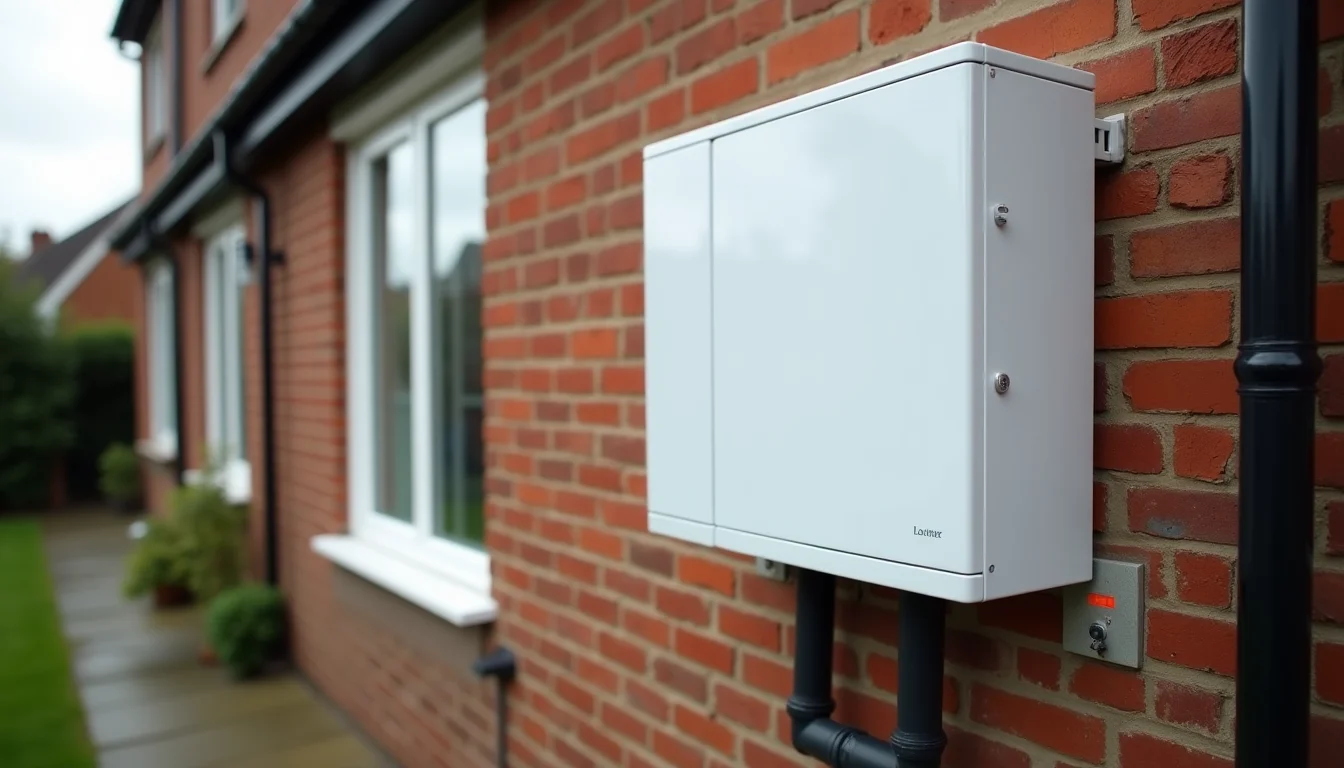
Yes, you can install a heat pump in a 1930s semi-detached house, and thousands of UK homeowners have already done it. The key is tackling the specific quirks of these homes first: solid walls that leak heat, undersized or oversized radiators, and insulation that's either missing or patchy. Get the preparation right and a heat pump will heat a 1930s semi just as well as a gas boiler, often for less money each month.
Why Are 1930s Semis a Special Case for Heat Pumps?
There are roughly 3.4 million semi-detached houses in England built between 1919 and 1944, making them one of the most common property types in the country. They share a set of characteristics that matter hugely for heat pump performance.
Most have solid 9-inch brick walls with no cavity. That means heat escapes faster than it would through a modern insulated wall, and the heat pump has to work harder to keep up. Many also have single-glazed or early double-glazed windows, suspended timber floors with draughts, and loft insulation that's either thin or non-existent.
The good news? None of these are dealbreakers. They just mean you need a proper plan before the installer turns up.
Step 1: Sort the Insulation Before Anything Else
This is where most people go wrong. They get excited about the heat pump and skip the boring bit. But insulating a 1930s semi properly can reduce its heat demand by 30-40%, which means you can fit a smaller, cheaper heat pump that runs more efficiently.
Start with the loft. Topping up loft insulation to 300mm of mineral wool costs around £300-£500 and it's the single best return on investment you'll get. If you've got a suspended timber ground floor, insulating between the joists is worth doing too, though it's more disruptive.
Solid wall insulation is the big decision. External wall insulation (EWI) typically costs £8,000-£15,000 for a semi but makes a dramatic difference to heat retention. Internal wall insulation is cheaper at £4,000-£8,000, though you'll lose a few inches of room depth. Frankly, if your budget allows it, EWI is the better option for a 1930s semi because it also protects the brickwork and eliminates cold bridges.
Don't forget draught-proofing. Sealing gaps around skirting boards, floorboards, windows, and doors is cheap and effective. A draughty house will always feel cold, regardless of what's heating it.
Step 2: Get a Proper Heat Loss Survey Done
This is non-negotiable. A qualified installer will carry out a room-by-room heat loss calculation, usually following the MCS MIS 3005 standard. This tells them exactly how much heat your house loses and what size heat pump you need.
For a typical 1930s three-bed semi with decent insulation, you're usually looking at a heat loss of around 7-10 kW. Without insulation improvements, that figure can climb to 12-14 kW, which pushes you towards a larger and more expensive unit.
The survey also flags which radiators need upgrading. In a 1930s semi, you'll often find a mix: some original cast iron radiators (which are actually brilliant for heat pumps because of their large surface area) and some smaller modern replacements that aren't big enough.
Step 3: Choose the Right Heat Pump Type for a 1930s Semi
For most 1930s semis, an air source heat pump is the practical choice. Ground source systems perform better in theory but need significant garden space for boreholes or trenches, and the upfront cost is substantially higher.
A 1930s semi with improved insulation will typically need a 7-10 kW air source unit. Popular models for this size of property in 2026 include units from Vaillant, Daikin, Samsung, and Mitsubishi. Your MCS certified installer will recommend the right one based on your heat loss calculations.
Placement matters. The outdoor unit needs to sit at least one metre from a boundary and ideally not directly under a bedroom window due to noise. Most 1930s semis have a decent-sized side return or back garden, so finding space isn't usually a problem. But do check with your installer about permitted development rights. Most air source heat pumps don't need planning permission, though there are conditions around noise levels and distance from boundaries.
Step 4: Upgrade Your Radiators and Hot Water System
Heat pumps run at lower flow temperatures than gas boilers, typically 35-45°C compared to 65-75°C. This is actually what makes them so efficient, but it means your radiators need to be large enough to emit the same amount of heat at a lower temperature.
In practice, you'll probably need to upsize radiators in some rooms. A good installer will calculate exactly which ones. You might keep your original cast iron rads in the living room (they're often oversized by modern standards and work beautifully at low temperatures) but need bigger panel radiators in the bedrooms.
For hot water, you'll need a hot water cylinder if you don't already have one. Many 1930s semis still have an airing cupboard with space for a cylinder, so this is rarely an issue. A 200-250 litre cylinder is standard for a three-bed house. If you've got a combi boiler at the moment, the installer will need to find space for the cylinder, which is worth thinking about early on.
How to Claim the £7,500 BUS Grant for Your 1930s Semi
The Boiler Upgrade Scheme (BUS) offers £7,500 towards the cost of an air source heat pump in 2026. It's available in England and Wales, and your installer applies for it on your behalf. You don't have to fill in forms or chase anyone.
To qualify, your property must have an EPC (Energy Performance Certificate), though there's no minimum rating required. You must also be replacing a fossil fuel heating system like gas, oil, or LPG. The property needs to have a valid EPC lodged on the register, and the installer must be MCS certified.
The total installed cost of an air source heat pump for a 1930s semi typically runs between £10,000 and £14,000 before the grant. After the £7,500 BUS grant, you're looking at a net cost of around £2,500-£6,500. That's comparable to a new gas boiler installation once you factor in radiator upgrades.
One important point: the grant is applied at the point of installation, so you never have to pay the full amount upfront. Your quote from the installer should show the price with the grant already deducted.
"Will a Heat Pump Actually Keep My 1930s Semi Warm Enough?"
This is the question everyone asks, and it's completely fair. The short answer is yes, but only if the system is designed properly.
A well-insulated 1930s semi with correctly sized radiators and a properly installed heat pump will be just as warm as one heated by a gas boiler. In fact, many homeowners report more even heat because heat pumps run for longer periods at lower temperatures rather than blasting on and off.
Take a real example. A couple in Harrogate had a 1930s three-bed semi with solid walls. They added external wall insulation, topped up the loft insulation, and fitted a 9 kW Vaillant Aroatherm Plus. Their gas bills had been running at about £1,400 a year. Their electricity costs for the heat pump in the first full year came to around £750, and the house felt warmer and more consistent. They paid £4,200 after the BUS grant.
The problems only arise when corners are cut. If an installer doesn't do a proper heat loss calculation, or if the radiators aren't upgraded, you'll end up with a system that struggles in January. That's why choosing an experienced, MCS certified installer who has worked on older properties is so important.
FAQ
Can you put a heat pump in a 1930s house with solid walls?
Yes. Solid walls lose more heat than cavity walls, but with proper insulation (external or internal) and correctly sized radiators, a heat pump will work perfectly well. Thousands of 1930s homes across the UK already have heat pumps installed and working efficiently.
How much does it cost to install a heat pump in a 1930s semi?
A typical air source heat pump installation in a 1930s semi costs between £10,000 and £14,000 before the BUS grant. After the £7,500 grant, you're paying roughly £2,500 to £6,500 out of pocket. Insulation upgrades are extra and vary depending on what's needed.
Do I need to insulate my 1930s house before getting a heat pump?
You don't legally have to, but you really should. Improving insulation reduces the size of heat pump you need, lowers running costs, and makes the house more comfortable. At minimum, top up loft insulation to 300mm and draught-proof doors, windows, and floors.
What size heat pump do I need for a 1930s three-bed semi?
Most 1930s three-bed semis with reasonable insulation need a 7-10 kW air source heat pump. Without insulation improvements, you might need 12 kW or more. A proper room-by-room heat loss survey is the only way to get an accurate figure for your specific house.
Do I need to replace all my radiators for a heat pump in a 1930s house?
Not necessarily. Some radiators, especially large cast iron ones common in 1930s homes, are already big enough to work at lower heat pump temperatures. Your installer will calculate which ones need upgrading on a room-by-room basis. Expect to replace or upsize radiators in at least a few rooms.
If you're ready to explore heat pump options for your 1930s semi, use our directory at heatpumpinstallerdirectory.co.uk to find a local MCS certified installer. You can compare quotes from experienced professionals who know how to handle older properties and will make sure the system is designed properly for your home.