
Is a Ground Source Heat Pump Cheaper to Run Than Air Source? Full Cost Comparison
Ground source vs air source heat pump running costs: which actually saves you more? Real UK figures for installation, bills, and payback in 2026.

Written by Heat Pump Buddy
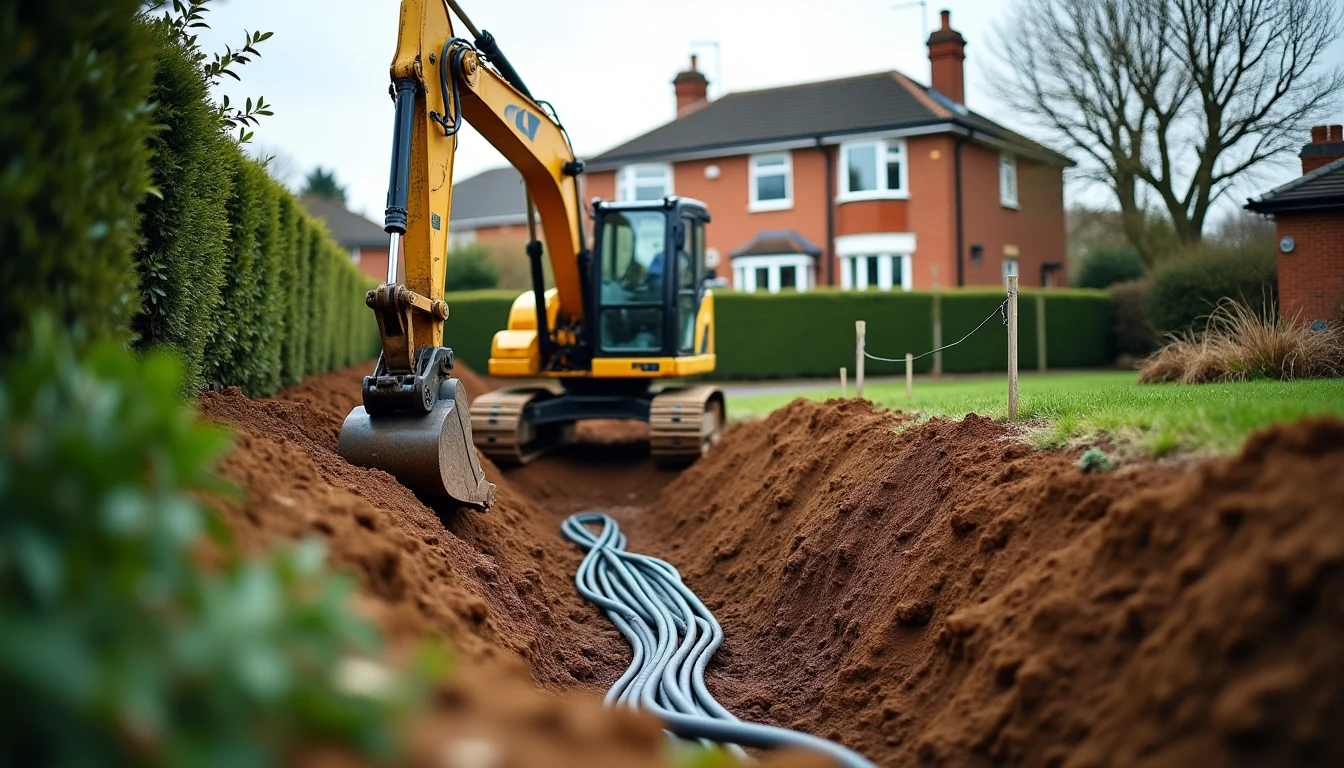
Yes, a ground source heat pump is cheaper to run than an air source model. Ground source systems typically cost between £500 and £700 per year to heat an average UK home, compared to £650 to £900 for air source. But the full picture is more complicated than annual running costs alone, because ground source installations cost significantly more upfront.
How Much Does Each System Cost to Install in 2026?
Let's get straight to the numbers that matter most. An air source heat pump (ASHP) installed in a typical three-bedroom semi-detached house costs between £10,000 and £16,000 in 2026, including the unit, installation labour, and any modifications to your existing heating system. A ground source heat pump (GSHP) for the same property costs between £20,000 and £35,000, depending on whether horizontal trenches or vertical boreholes are used.
That's a huge gap, and it's almost entirely down to the groundwork. Horizontal trench systems need a garden large enough to lay loops at about 1.2 metres deep across a significant area. Vertical boreholes are an option for smaller plots, but drilling can add £10,000 or more to the total bill.
So before you even flick the system on, you could be looking at a price difference of £10,000 to £20,000 between the two options.
Is a Ground Source Heat Pump Cheaper to Run Year on Year?
Ground source heat pumps pull heat from the ground, where temperatures sit at a steady 10 to 13°C all year round. That consistency is the key advantage. An ASHP, by contrast, extracts heat from outdoor air, and when temperatures drop to 0°C or below in January, it has to work harder and uses more electricity.
In practical terms, a well-installed GSHP achieves a Seasonal Coefficient of Performance (SCOP) of around 3.5 to 4.5. That means for every 1 kWh of electricity it uses, it produces 3.5 to 4.5 kWh of heat. A good ASHP manages an SCOP of around 2.8 to 3.5.
With electricity prices sitting at roughly 24p per kWh in spring 2026 under the Ofgem price cap, a GSHP heating a home that needs 12,000 kWh of heat annually would cost around £685 per year. The same home with an ASHP would cost roughly £860. That's a saving of about £175 per year with ground source.
Honestly, that saving is real but not enormous. It won't transform your finances overnight.
What About Maintenance Costs?
Air source heat pumps have an outdoor fan unit exposed to the elements. They need an annual service costing between £100 and £200, and the outdoor unit may need component replacements after 10 to 15 years.
Ground source systems have fewer moving parts. The ground loop itself should last 50 years or more with no maintenance at all, since it's just sealed pipework buried underground. The heat pump unit indoors still needs an annual service, typically costing £100 to £150. But because there's no outdoor fan, there's less wear overall.
Over a 20-year period, you might save £1,000 to £2,000 on maintenance with a ground source system compared to air source. It's a modest difference, but it does tip the scales a little further toward GSHP for long-term value.
Real-World Example: The Payback Period Compared
Let's take a specific scenario. Sarah and Mark own a 1990s four-bedroom detached house in Oxfordshire with a large rear garden. Their old gas boiler was costing them around £1,400 a year to run. They got quotes for both systems.
Their ASHP quote came in at £12,500 before the grant. After the £7,500 BUS grant, their out-of-pocket cost was £5,000. Their annual heating bill dropped to about £850, saving them £550 a year compared to gas. Payback period: roughly 9 years.
Their GSHP quote, using horizontal trenches in their large garden, was £24,000. After the same £7,500 grant, they paid £16,500. Their annual bill dropped to around £650, saving £750 a year versus gas. Payback period: roughly 22 years.
Even though the ground source system saves more each year, the payback takes more than twice as long because of the higher upfront cost. For Sarah and Mark, the air source system made better financial sense. If they'd been building a new home and could have included the ground loops during construction (which is much cheaper), the calculus would have been very different.
How the £7,500 Boiler Upgrade Scheme Grant Affects Your Decision
The Boiler Upgrade Scheme (BUS) offers a £7,500 grant toward both air source and ground source heat pump installations in England and Wales in 2026. Your installer applies on your behalf, and the grant is deducted from your quote. You must use an MCS certified installer to qualify.
Here's the thing: £7,500 takes a much bigger bite out of a £12,000 ASHP installation than a £25,000 GSHP installation. It covers 60% or more of most air source installs, but only around 30% of a typical ground source job. The grant makes air source the clear winner on affordability for most households.
There's been talk in the industry about a higher grant level for ground source systems, as the technology clearly deserves it, but nothing has changed yet in 2026. Check the current BUS status on the Ofgem website before committing.
"I'm Worried Ground Source Won't Work for My Property"
This is the concern that comes up most often, and it's completely valid. Ground source heat pumps need either a large enough garden for horizontal trenches (typically at least 200 to 300 square metres of open ground) or suitable geology for vertical boreholes.
If you live in a terraced house with a small courtyard garden, ground source almost certainly isn't an option. And even if your garden is big enough, access for a digger or drilling rig matters too. Properties with limited side access can face added costs or outright impossibility.
Air source heat pumps only need a clear area outside your home roughly the size of a large suitcase. They work on terraces, semis, detached homes, and even some flats. For the vast majority of UK properties, an ASHP is the practical choice.
Does your property have a large garden and you're planning to stay for 20 years or more? Then ground source could make sense. For everyone else, air source offers a much simpler path to lower carbon heating.
Frequently Asked Questions
Is a ground source heat pump cheaper to run than air source in the UK?
Yes. A ground source heat pump typically costs £150 to £200 less per year to run than an air source system in an average UK home, because it achieves higher efficiency from the consistent underground temperature. The savings are real but modest compared to the much higher installation cost.
How much does a ground source heat pump cost to install in 2026?
A ground source heat pump costs between £20,000 and £35,000 to install in 2026, depending on whether you need horizontal trenches or vertical boreholes. After the £7,500 BUS grant, you're looking at £12,500 to £27,500 out of pocket.
What is the payback period for a ground source heat pump vs air source?
For a typical UK home replacing a gas boiler, an air source heat pump pays back its net cost (after the BUS grant) in roughly 8 to 12 years. A ground source heat pump takes around 18 to 25 years to pay back, because the installation cost is so much higher despite the lower running costs.
Do I need a big garden for a ground source heat pump?
For horizontal trench systems, you generally need at least 200 to 300 square metres of open, diggable garden. Vertical borehole systems need less surface area but cost more to drill. If your garden is small, air source is likely your only practical option.
Can I get a grant for a ground source heat pump in 2026?
Yes. The Boiler Upgrade Scheme provides a £7,500 grant for ground source heat pumps in England and Wales in 2026. You need to use an MCS certified installer, and the property must not have previously received a BUS grant. Your installer handles the application for you.
Find the Right Installer for Your Home
Whether you're leaning toward air source or ground source, the quality of your installation matters as much as the technology you choose. A poorly installed heat pump of either type will underperform and cost you more. Use our directory at heatpumpinstallerdirectory.co.uk to find MCS certified heat pump installers in your area, compare quotes, and make sure you get the £7,500 BUS grant you're entitled to.
Ready to talk to an installer?
Compare the listed firms, then check current MCS status, service coverage and any grant registration directly. Contact routes are shown when a firm has published one.
Related guides
- What Size Heat Pump Do I Need? Sizing & Cost Guide
Find out what size heat pump your home needs in kW, how sizing is calculated from heat loss, and what each size costs installed in 2026 with the £7,500 grant.
- How Long Until a Heat Pump Pays for Itself in the UK?
How many years before a heat pump pays for itself? We break down real payback periods for gas, oil, and LPG homes with 2026 costs, grants, and energy prices.
- Air Source Heat Pump Installation Cost UK 2026 — Full Breakdown
What does an air source heat pump really cost in 2026? We break down unit prices, labour, extras, running costs and grants so you can budget properly.