
Is My House Insulated Enough for a Heat Pump? How to Check and Improve Your Insulation
Worried your home isn't insulated enough for a heat pump? Here's exactly how to check your insulation levels, fix weak spots, and avoid costly mistakes.

Written by Heat Pump Buddy
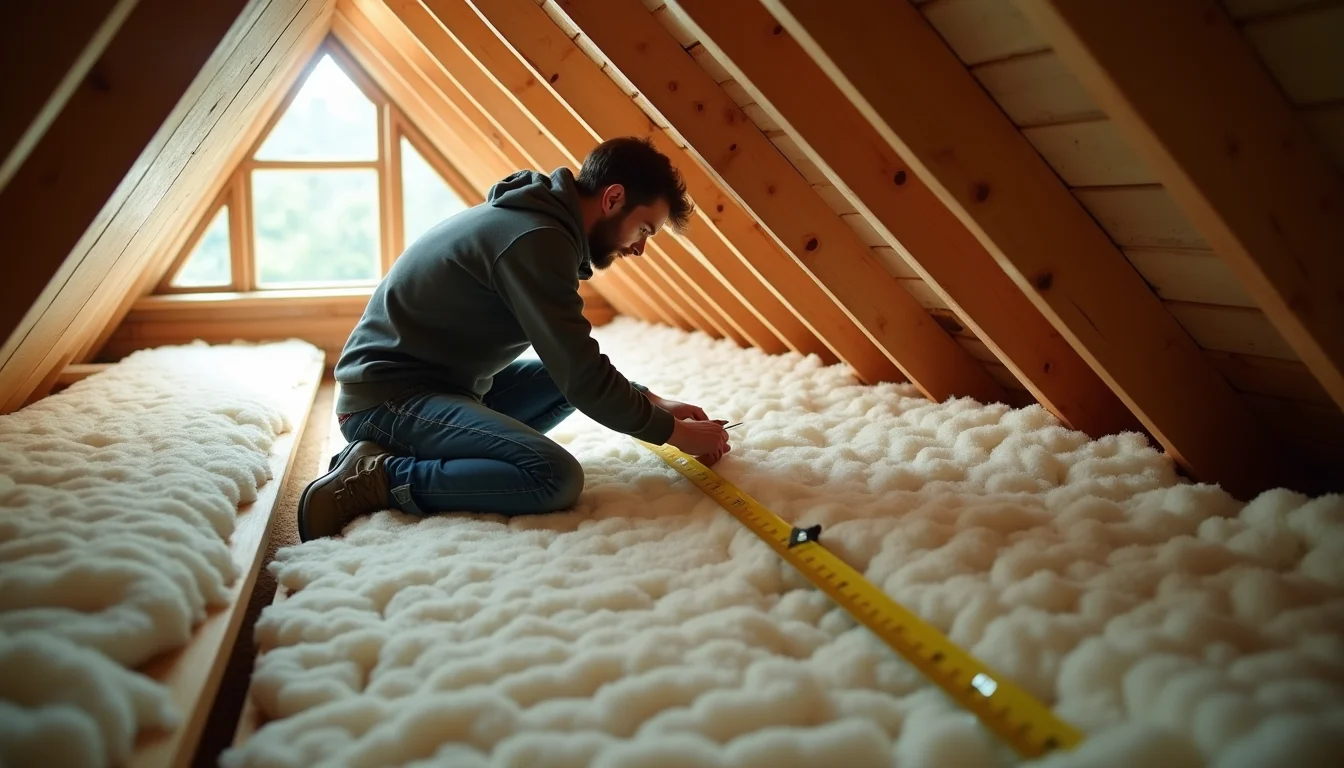
Your house doesn't need to be a Passivhaus to run a heat pump well, but poor insulation will make any system work harder and cost you more. Most UK homes built after the 1990s already have reasonable insulation levels, while older properties will usually need some targeted improvements. The good news is you can check your insulation yourself in about an hour, and the upgrades that matter most are often cheaper than people expect.
Why Does Insulation Matter More for a Heat Pump Than a Gas Boiler?
A gas boiler heats water to around 60-75°C and pushes it through your radiators. A heat pump typically runs at 35-50°C. That lower flow temperature is what makes heat pumps so efficient, but it also means your home needs to hold onto heat better.
Think of it this way: a gas boiler is like blasting a room with a hairdryer on full power. A heat pump is more like a steady, gentle warmth that keeps the temperature constant. If heat is leaking out through thin walls and a draughty loft, that gentle warmth can't keep up.
This is why insulation isn't optional. It's the foundation that makes a heat pump perform properly and keeps your running costs sensible.
How to Check if Your House Is Insulated Enough for a Heat Pump
You don't need expensive equipment. Grab a torch and set aside an hour on a weekend. Here's what to check, room by room.
Loft insulation: Get up into your loft and measure the depth of insulation between and over the joists. Current Building Regulations recommend 270mm of mineral wool. If you can see the tops of the joists, you've got less than 100mm and that's a problem. Many homes from the 1970s and 1980s have just 25-50mm, which is woefully thin.
Cavity wall insulation: If your home was built between the 1930s and 1990s, it likely has cavity walls. Look at the external brickwork. If it's a uniform stretcher bond pattern (all bricks laid lengthways), you probably have cavities. Check whether they've been filled by looking for small drill holes in the mortar, usually at regular intervals. Your EPC certificate will also tell you.
Solid wall insulation: Pre-1930s homes often have solid walls with no cavity at all. These lose heat roughly twice as fast as unfilled cavity walls. You can tell by measuring wall thickness at a window reveal. Solid walls are usually around 225mm thick. Cavity walls are typically 250mm or more.
Windows: Double glazing is the minimum. If you still have single-glazed windows, you're losing a significant amount of heat. Even older double glazing from the 1990s performs far worse than modern units with low-e coatings and argon fills.
Floors: Ground floors in older homes are often uninsulated. Suspended timber floors are the worst offenders because cold air circulates beneath them. If you have accessible underfloor voids, this is worth addressing.
What Insulation Improvements Should You Make Before Installing a Heat Pump?
Not all insulation upgrades give you the same return. Here's a rough priority order based on cost versus impact.
1. Loft insulation top-up: £300-£500. This is the single best value improvement you can make. Topping up from 100mm to 270mm can cut heat loss through the roof by around 50%. You can even do this yourself with rolls of mineral wool from a builders' merchant.
2. Cavity wall insulation: £500-£1,500. If your cavities are empty, getting them filled is a no-brainer. The process takes about two hours and involves drilling small holes in the external mortar, injecting insulation, and filling them back in. It's not disruptive at all.
3. Draught-proofing: £100-£300. Cheap and often overlooked. Sealing gaps around doors, windows, letterboxes, and loft hatches can reduce heat loss by 10-15%. A tube of silicone sealant and some draught-proofing strips go a long way.
4. Floor insulation: £500-£1,200. If you have a suspended timber floor, insulating between the joists with rigid board or mineral wool makes a real difference to comfort. It's awkward work but the materials aren't expensive.
5. Solid wall insulation: £5,000-£15,000. This is the big one. Internal wall insulation is cheaper but eats into room space. External wall insulation costs more but transforms the look and performance of a property. For some older homes, this is the single most impactful upgrade, but the cost puts many people off.
Frankly, most homes don't need all five. A well-insulated loft, filled cavities, and decent draught-proofing will get most post-war houses to a level where a heat pump runs efficiently.
A Real Example: What One Family Did Before Their Heat Pump Install
The Patels live in a 1960s three-bed semi in Nottingham. Their EPC rating was D, with 100mm of loft insulation, empty cavity walls, and original single-glazed windows in two bedrooms.
Before their heat pump installation, they topped up loft insulation to 300mm (£350), had cavity walls filled (£800), replaced the two single-glazed windows with double glazing (£1,400), and fitted draught strips to all external doors (£80). Total spend: about £2,630.
Their EPC moved from D to C, and their installer was able to specify a smaller 7kW air source heat pump instead of a 10kW unit. That smaller unit was cheaper to buy, cheaper to run, and quieter. The insulation work paid for itself within the first two years through lower energy bills.
How the £7,500 BUS Grant Connects to Your Insulation
The Boiler Upgrade Scheme (BUS) offers a £7,500 grant towards the cost of an air source or ground source heat pump in 2026. It's available for homes in England and Wales, and your installer applies on your behalf.
Here's where insulation comes in: your home needs a valid EPC with no outstanding loft or cavity wall insulation recommendations. If your EPC says "install loft insulation" or "fill cavity walls," you'll need to do those things and get a new EPC before you can claim the grant.
This catches some people out. They get quotes for a heat pump, get excited about the £7,500 off, and then discover they need to spend £1,000 on insulation and £80 on a new EPC first. It's not a dealbreaker, but it's worth knowing early so you can budget properly.
The grant is applied at the point of installation, so you won't pay the full price and claim it back. Your installer deducts it from the invoice. A typical 8kW air source heat pump installation costing £12,000 would come down to £4,500 after the grant.
"I've Been Told My Victorian House Can't Have a Heat Pump. Is That True?"
This is the biggest myth doing the rounds. Older homes absolutely can have heat pumps, but they need more preparation than a modern build.
Victorian and Edwardian houses have solid walls, high ceilings, and often draughty sash windows. All of these increase heat loss. But thousands of period properties across the UK are already running on heat pumps successfully. The key is getting the insulation right and often oversizing the radiators.
An MCS certified installer will do a proper heat loss calculation for your specific home. They'll account for wall type, window area, ceiling height, and orientation. If the numbers show you need a bigger heat pump or larger radiators, they'll tell you. And if insulation improvements would bring the system size (and cost) down, they'll recommend those too.
Don't let anyone tell you it's impossible. It might cost more upfront for a period home. But with gas prices sitting around 7p per kWh and electricity on a smart tariff as low as 10p per kWh off-peak, the running costs can still work in your favour.
Frequently Asked Questions
How much insulation do I need for a heat pump to work properly?
You should aim for at least 270mm of loft insulation, filled cavity walls (where applicable), and double glazing throughout. These are the minimum levels that most heat pump installers will expect before designing a system. Solid-walled homes may need internal or external insulation too, but not always.
Can I get a heat pump with an EPC rating of D?
Yes, you can, but your EPC must not have outstanding recommendations for loft or cavity wall insulation if you want the £7,500 BUS grant. Many homes with a D rating already have these basics in place. If yours doesn't, sort the insulation first and get a fresh EPC.
How much does it cost to insulate a house before a heat pump?
For a typical post-war semi-detached house, expect to spend £1,000 to £3,000 on loft top-up, cavity fill, and draught-proofing. Solid wall insulation pushes costs much higher at £5,000 to £15,000, but this isn't always necessary. Your installer can advise on what's genuinely needed.
Do I need to insulate my floor before getting a heat pump?
Floor insulation helps but it's not always essential. If you have a suspended timber floor with accessible voids underneath, it's worth doing for around £500-£1,200. Solid concrete floors are much harder and more expensive to insulate, and most installers won't insist on it.
Will a heat pump work in an old house with solid walls?
Yes, heat pumps work in solid-walled houses across the UK right now. You may need larger radiators and potentially solid wall insulation to get the best results. An MCS certified installer will run a heat loss calculation for your property and tell you exactly what's needed.
Ready to find out what your home needs? Use our directory at heatpumpinstallerdirectory.co.uk to find a local MCS certified heat pump installer who can assess your insulation, run a proper heat loss survey, and give you an honest quote. It takes two minutes, and you could be saving on your heating bills before next winter.
Ready to talk to an installer?
Compare the listed firms, then check current MCS status, service coverage and any grant registration directly. Contact routes are shown when a firm has published one.
Related guides
- How Does a Heat Pump Work in Winter? A Practical Guide
Step-by-step explanation of how heat pumps extract warmth in freezing UK winters, including defrost cycles, backup heating, and tips to keep efficiency high.
- Do Heat Pumps Work With Existing Radiators?
Can you keep your existing radiators with a heat pump? Learn which radiators work, which need upgrading, and how flow temperature affects your heating system.
- Do Heat Pumps Work in Cold Weather in the UK?
Worried your heat pump won't cope with a UK winter? Here's how modern systems perform at sub-zero temperatures, plus practical tips to keep efficiency high.