
Oil Boiler Replacement Grant Boosted to £9,000: What the New BUS Uplift Means for Off-Grid Homeowners
The BUS grant for oil and LPG boiler replacements just jumped to £9,000. Find out if your off-grid home qualifies and how to claim before the budget runs out.

Written by Heat Pump Buddy
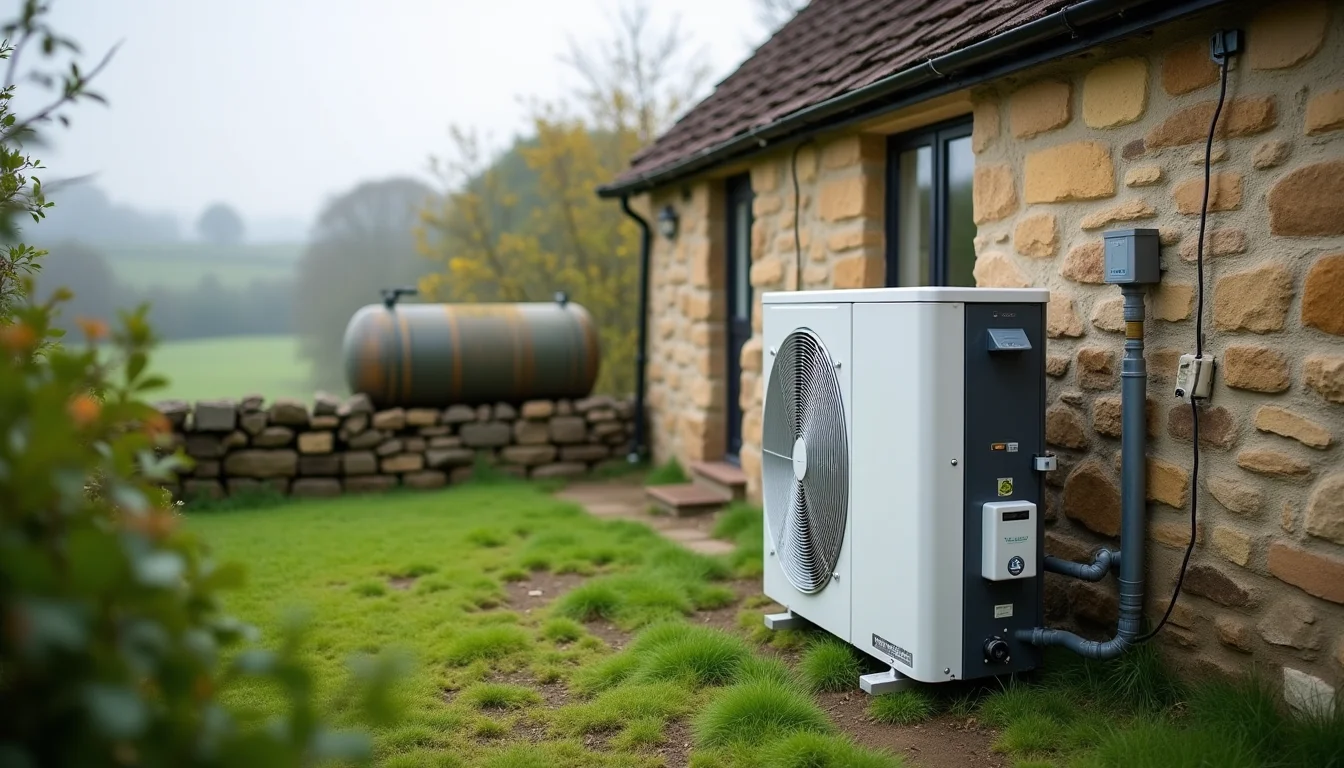
If you heat your home with oil or LPG, the government has just made switching to a heat pump significantly cheaper. The Boiler Upgrade Scheme grant for off-grid fossil fuel households has been increased from £7,500 to £9,000, effective from spring 2026. That's a genuine game-shift for anyone who's been sitting on the fence about ditching their oil boiler.
Who Qualifies for the £9,000 Oil Boiler Replacement Grant?
The £9,000 uplift applies specifically to homeowners currently using oil or LPG as their main heating fuel. You don't need to be in a rural area, though most oil-heated homes are. The key requirement is that your property isn't connected to the mains gas grid and your existing heating system runs on oil or LPG.
You'll also need a valid Energy Performance Certificate (EPC) with no outstanding recommendations for loft or cavity wall insulation. If your EPC has expired, you'll need a new one before applying. And the property must be an existing building, not a new-build.
The grant covers air source heat pumps, ground source heat pumps, and water source heat pumps installed by an MCS certified installer. The installer handles the application on your behalf, so you won't be filling in government forms yourself.
Why Has the Government Increased the Grant to £9,000?
Frankly, because oil and LPG households have been harder to convert. The standard £7,500 grant shifted plenty of gas boiler households, but off-grid homes often face higher installation costs. Older rural properties tend to need more radiator upgrades, and oil tank removal adds to the bill.
The government's own figures show that off-grid homes account for roughly 4 million properties across England and Wales, yet uptake of the BUS grant in these households has lagged behind mains gas properties. The £9,000 uplift is designed to close that gap.
There's also a carbon argument. Oil boilers produce around 2.96 kg of CO2 per litre of kerosene burned. A typical oil-heated home uses 1,500 to 2,000 litres a year, so the emissions savings from switching are substantial.
How Does the £7,500 BUS Grant Compare to the New £9,000 Uplift?
The standard Boiler Upgrade Scheme grant of £7,500 still exists for homeowners on mains gas. If you're replacing a gas boiler with a heat pump, you'll get £7,500 off the installation cost. That figure hasn't changed.
The £9,000 figure is exclusively for oil and LPG households. Think of it as a £1,500 top-up recognising the extra costs these homes typically face. Both grants are applied at the point of installation, meaning you never have to pay the full price and wait for a refund.
One thing worth knowing: the BUS budget for 2026 has been set at £295 million, up from previous years. But grants are allocated on a first-come, first-served basis, and the increased amount per household means the pot could drain faster than expected.
What Does a Real Oil-to-Heat-Pump Switch Actually Cost?
Let's put real numbers on this. A typical air source heat pump installation for a 3-bedroom detached cottage in rural Devon, currently heated by oil, might cost between £12,000 and £14,000. That includes the heat pump unit, a new hot water cylinder, controls, and fitting.
With the £9,000 grant, you're looking at an out-of-pocket cost of £3,000 to £5,000. Compare that to the cost of a new oil boiler installation, which runs to about £3,500 to £5,500 including the tank, and the numbers are surprisingly close.
But here's where it gets interesting. Oil prices have been volatile, sitting around 65p to 75p per litre through early 2026. A heat pump running on electricity at a typical tariff of 24p per kWh, with a coefficient of performance (COP) of 3.0, gives you an effective heating cost of about 8p per kWh. Oil works out at roughly 7.5p to 8.5p per kWh. The running costs are now neck and neck, and any future oil price spike tips the balance firmly toward the heat pump.
Over 15 to 20 years, which is the expected lifespan of a heat pump, you're almost certainly going to come out ahead. And you won't have to worry about oil deliveries getting stuck at the end of a muddy lane in January.
"My House Is Too Old and Draughty for a Heat Pump" — Is That Actually True?
This is the single biggest objection we hear from off-grid homeowners, and it deserves a straight answer. Older properties can work perfectly well with heat pumps, but they sometimes need preparation.
The fear is that a heat pump won't produce water hot enough to heat a poorly insulated stone cottage. Modern air source heat pumps can produce flow temperatures of 55°C to 65°C, which is adequate for most radiator systems. If your existing radiators are undersized, you might need to swap a few for larger ones. That's an extra cost of maybe £200 to £400 per radiator.
Insulation is more important than the age of the building. If you can get your walls, loft, and floors reasonably well insulated, a heat pump will do its job. Many rural homes built with solid stone walls can benefit hugely from internal wall insulation, which often qualifies for separate funding through the Great British Insulation Scheme or local authority grants.
Honestly, the idea that heat pumps only work in new-build passive houses is outdated. Thousands of pre-1900 properties across the UK are running on heat pumps right now. Your installer should carry out a proper heat loss survey before quoting, and if they don't, find one who will.
How Do You Apply for the £9,000 Oil Boiler Replacement Grant?
You don't apply directly. Your MCS certified installer applies on your behalf through Ofgem's BUS portal once they've surveyed your property and agreed a quote.
Here's the process in plain terms:
- Get an up-to-date EPC for your property.
- Find an MCS certified heat pump installer and get a survey and quote.
- The installer checks your eligibility and submits a BUS application.
- Ofgem issues a voucher, which is valid for 3 months.
- The installation goes ahead, and the grant is paid directly to the installer.
- You pay the remaining balance after the £9,000 has been deducted.
The whole process from first enquiry to installation typically takes 4 to 8 weeks, though it can be quicker if your installer has availability. With the new £9,000 uplift generating a lot of interest, booking early is sensible.
Frequently Asked Questions
Can I get the £9,000 grant if I have an LPG boiler not oil?
Yes. The £9,000 BUS uplift covers both oil and LPG boiler replacements. As long as your property isn't on the mains gas grid and your current heating runs on oil or LPG, you're eligible. The same application process applies through your MCS certified installer.
Do I need to remove my oil tank to get the heat pump grant?
You don't have to remove your oil tank to qualify for the grant, but most homeowners choose to have it decommissioned and removed after the heat pump is installed. Oil tank removal typically costs between £300 and £800 depending on size and location. Some installers include this in their quote.
How long will the £9,000 oil boiler replacement grant last?
The BUS is currently funded through to March 2028, but the £9,000 uplift for oil and LPG households is subject to annual budget limits. Grants are issued on a first-come, first-served basis, and the scheme could close early if the budget is used up. Don't assume it will be available indefinitely.
Can I get the £9,000 grant if my house already has an EPC rating of D or lower?
Yes, a lower EPC rating doesn't disqualify you. The main EPC requirement is that any recommended loft or cavity wall insulation measures must have been completed before you apply. If your home has solid walls and no cavities, that recommendation won't apply. Your installer can advise on this during the survey.
Is the £9,000 BUS grant available in Scotland and Wales?
The Boiler Upgrade Scheme, including the £9,000 uplift for oil and LPG homes, applies to England and Wales only. Scotland has its own Home Energy Scotland grant and loan scheme, which offers up to £7,500 for heat pumps with additional interest-free loans available. Northern Ireland has separate arrangements as well.
Find a Local MCS Certified Installer
The £9,000 grant won't last forever, and demand from off-grid homeowners is already picking up. If you're heating with oil or LPG and you've been waiting for the right moment, this is probably it. Use our directory at heatpumpinstallerdirectory.co.uk to find MCS certified heat pump installers in your area, compare quotes, and get your BUS application started before the budget runs dry.