
Oil Boiler Replacement Grant Increased to £9,000: What Homeowners Need to Know in 2026
The oil boiler replacement grant just jumped to £9,000 under the BUS scheme. Here's who qualifies, how to claim, and why off-grid homeowners should act now.

Written by Heat Pump Buddy
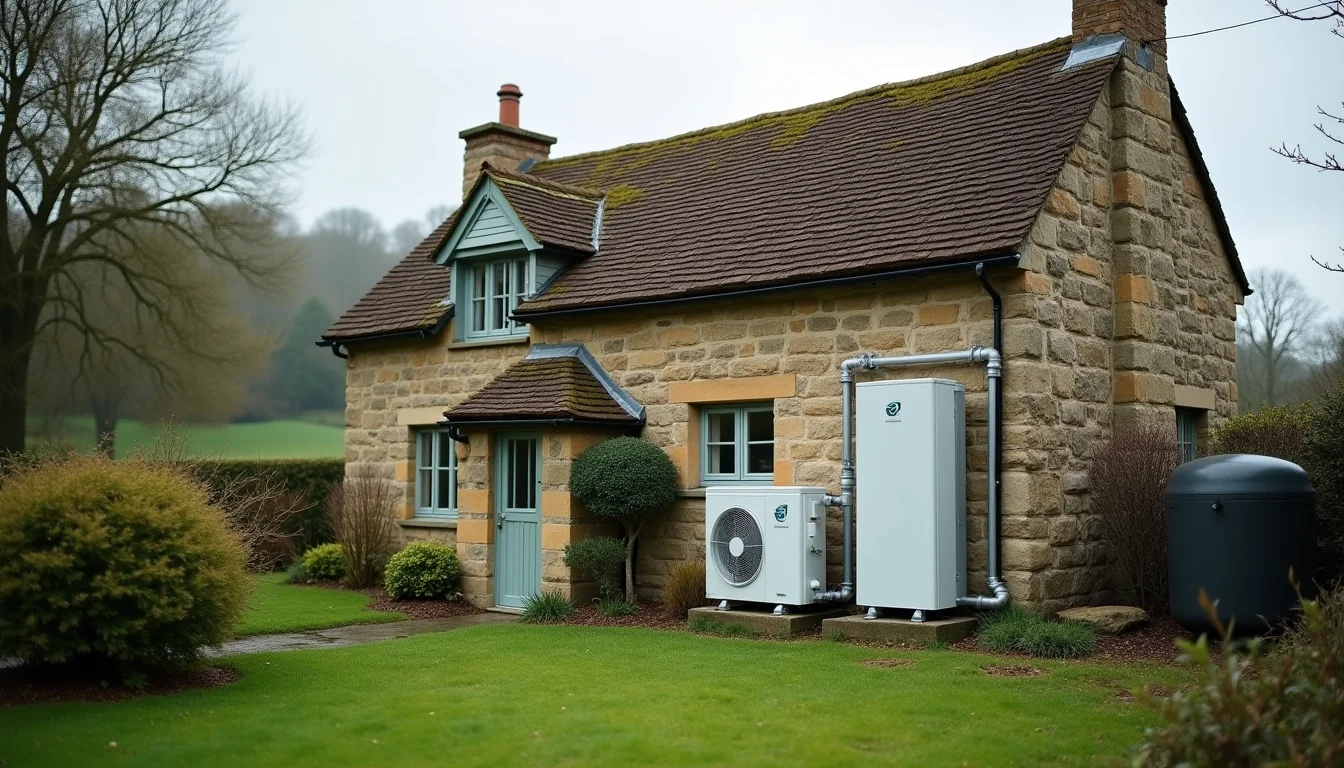
If you heat your home with oil or LPG, the government has just increased your Boiler Upgrade Scheme grant from £7,500 to £9,000 for an air source heat pump. This oil boiler replacement grant increase took effect in spring 2026, and it applies specifically to homes currently off the gas grid. It's the single biggest change to BUS funding since the scheme launched, and around 1.7 million UK households could benefit.
Why Has the Oil Boiler Replacement Grant Gone Up to £9,000?
The government has been under pressure for years to do more for off-grid homes. Oil and LPG prices have been volatile since 2022, and homeowners stuck on these fuels have had fewer alternatives than those on mains gas. The £7,500 grant was helpful, but for many rural properties the total cost of switching to a heat pump still felt out of reach.
The increase to £9,000 is designed to close that gap. Off-grid homes tend to be older, larger, and harder to insulate, which often means a bigger heat pump system is needed. The extra £1,500 directly addresses this reality.
Frankly, it's overdue. A detached farmhouse in Devon with an ageing oil boiler faces very different costs compared to a three-bed semi in Leicester on mains gas. The government appears to have finally recognised that a one-size-fits-all grant wasn't working for rural homeowners.
Who Qualifies for the £9,000 Oil Boiler Replacement Grant in 2026?
The eligibility rules are straightforward, but there are a few details that trip people up.
To qualify for the full £9,000, your home must:
- Currently be heated by oil or LPG (not mains gas)
- Have a valid Energy Performance Certificate (EPC) with no outstanding recommendations for loft or cavity wall insulation that you've refused to act on
- Be an existing property (not a new build)
- Use an MCS certified installer for the heat pump installation
The grant covers air source heat pumps and ground source heat pumps. For ground source, the grant has risen to £13,000 for off-grid homes, up from the previous level. But the vast majority of homeowners go with air source because the installation is quicker and less disruptive.
One thing worth knowing: you don't need to be on benefits. This isn't means-tested. Whether you earn £20,000 or £200,000, the same grant applies.
How Much Will You Actually Pay After the £9,000 Grant?
Let's use a real example. Take a three-bedroom detached cottage in rural Shropshire, currently running a 20-year-old oil boiler. The homeowner gets quotes from two MCS certified installers for a 10kW air source heat pump.
Quote A comes in at £12,500 fully installed, including the hot water cylinder, controls, and all pipework modifications. After the £9,000 grant, the homeowner pays £3,500 out of pocket.
Quote B is £14,000 because the property needs some additional radiator upgrades to work efficiently at lower flow temperatures. After the grant, the cost is £5,000.
Either way, those are figures that make the switch genuinely affordable. Compare that to a new oil boiler installation at around £3,000 to £5,000, plus ongoing fuel costs that averaged 7.6p per kWh for heating oil in early 2026. A heat pump running on electricity at the current typical tariff of around 24.5p per kWh sounds more expensive per unit, but because heat pumps deliver roughly three units of heat for every one unit of electricity, your effective cost per kWh of heat drops to about 8p. That's comparable to oil right now, and oil prices tend to spike unpredictably.
How Does This Compare to the Standard £7,500 BUS Grant?
The standard Boiler Upgrade Scheme grant for homes on mains gas remains at £7,500 for an air source heat pump in 2026. That figure hasn't changed.
The £9,000 rate is exclusively for oil and LPG heated homes. If your property is connected to the gas grid, you'll still receive £7,500. That's still a substantial grant, and it covers a large portion of a typical installation. But the higher rate for off-grid homes reflects the additional costs these properties often face.
Here's how the current BUS grant rates break down:
- Air source heat pump (mains gas home): £7,500
- Air source heat pump (oil/LPG home): £9,000
- Ground source heat pump (mains gas home): £7,500
- Ground source heat pump (oil/LPG home): £13,000
The BUS scheme is currently funded through to March 2028. But grant allocations are issued quarterly, and in previous years certain quarters have run out faster than expected. If you're serious about applying, don't sit on it.
"Will a Heat Pump Actually Work in My Old, Draughty House?"
This is the big one. It's the question that holds more people back than the cost itself.
The short answer is yes, but you might need to do some preparation. A heat pump works best with good insulation and correctly sized radiators. In an old stone cottage with single-glazed windows and zero loft insulation, you'd be asking the system to work far harder than it should.
But here's the thing: most homes don't need a full retrofit before installing a heat pump. Often it's a case of topping up loft insulation (which is cheap), draught-proofing doors and windows, and possibly upgrading a few radiators in key rooms to larger panels. Your MCS installer will do a full heat loss calculation as part of the design process, and they'll tell you exactly what's needed.
The Electrification of Heat Demonstration Project, which ran across 742 UK homes, found that heat pumps performed well even in older properties when properly designed and installed. The average efficiency across all homes in that trial was a coefficient of performance (COP) of 2.8, meaning 2.8 kWh of heat for every 1 kWh of electricity. Some homes achieved over 3.5.
So can a heat pump work in your house? Almost certainly. The question is whether the installer designs the system properly. That's why using an MCS certified installer isn't just a grant requirement. It's your quality guarantee.
What's the Process for Claiming the £9,000 Grant?
You don't apply for the grant directly. Your MCS certified installer handles the application on your behalf through the BUS portal. Here's how it works in practice:
- Get quotes from MCS certified installers. We'd always recommend at least three.
- Choose your installer. They'll complete the system design and apply for the BUS voucher.
- Voucher issued. Once approved, the voucher is valid for three months.
- Installation happens. Your installer fits the heat pump and commissions it.
- Grant paid. The £9,000 goes directly to your installer, so you only ever pay the difference.
The whole process from first quote to working heat pump typically takes 6 to 12 weeks, depending on installer availability and any preparatory work needed on your property.
One tip: make sure your EPC is up to date before getting quotes. If you don't have one, or yours is older than 10 years, you'll need a new one. An EPC assessment costs between £60 and £120, depending on your area.
FAQ
Can I get the £9,000 grant if I have an LPG boiler?
Yes. The increased £9,000 grant applies to both oil and LPG heated homes. As long as your property isn't connected to the mains gas grid and you're replacing your existing LPG or oil heating system with a heat pump, you qualify for the higher rate.
Do I need to remove my oil tank to get the grant?
You don't need to remove your oil tank before the installation. However, once your heat pump is up and running, most homeowners choose to have the tank decommissioned and removed. Your installer or a specialist tank removal company can handle this separately. It's not a condition of the grant.
How long will the £9,000 oil boiler replacement grant last?
The BUS scheme is funded through to March 2028, and the £9,000 rate for off-grid homes applies from spring 2026 onwards. But the government allocates funding in quarterly blocks, and if demand is high, vouchers in a given quarter can run out. There's no guarantee the rate won't change in future budgets, so applying sooner rather than later is sensible.
Can I get the oil boiler replacement grant if I've already had insulation grants?
Yes. Receiving insulation funding through ECO4 or the Great British Insulation Scheme doesn't disqualify you from the BUS grant. In fact, improving your insulation before fitting a heat pump is exactly what the government encourages. The two schemes work well together.
Is the £9,000 grant available in Scotland and Wales?
The Boiler Upgrade Scheme applies to England and Wales. Scotland runs its own scheme called Home Energy Scotland, which offers interest-free loans and cashback for heat pump installations. Scottish homeowners should check the Home Energy Scotland website for current funding rates, as the amounts differ from the BUS.
If you're heating your home with oil or LPG, there has genuinely never been a better time to explore switching to a heat pump. A £9,000 grant takes a serious chunk out of the cost, and with energy prices showing no signs of settling, locking in lower heating bills makes real financial sense. Use our directory at heatpumpinstallerdirectory.co.uk to find MCS certified installers in your area, compare quotes, and get the ball rolling before quarterly funding allocations fill up.