
Warm Homes Plan 2026: How the £15 Billion Investment Works Alongside Your £7,500 BUS Grant
The Warm Homes Plan and the £7,500 BUS grant are separate schemes. Find out if you can combine them and how to claim maximum funding in 2026.

Written by Heat Pump Buddy
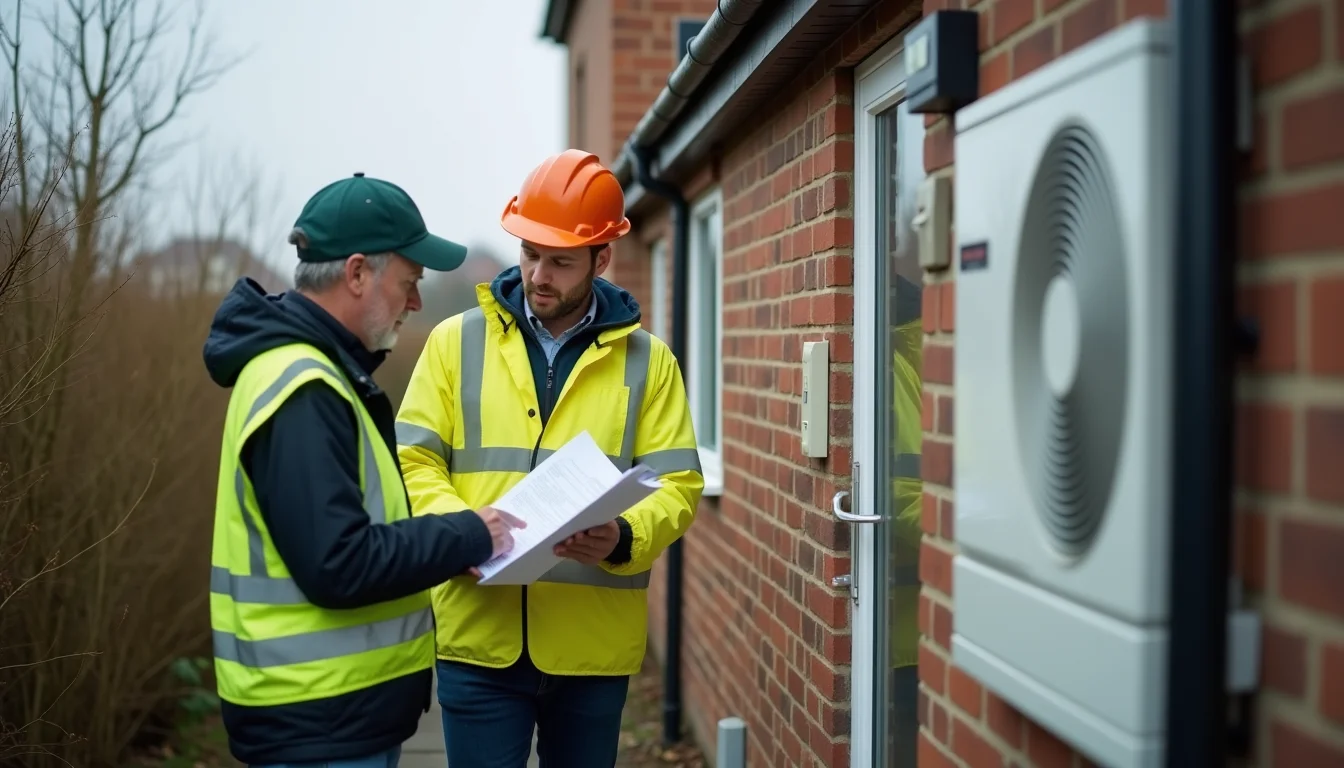
The government's £15 billion Warm Homes Plan and the £7,500 Boiler Upgrade Scheme (BUS) grant are two separate programmes, and yes, some homeowners may be able to benefit from both. The Warm Homes Plan is primarily aimed at improving insulation and energy efficiency in the worst-performing homes, while the BUS grant specifically covers the cost of installing a heat pump. Understanding how each one works, and who qualifies for what, could save you thousands of pounds in 2026.
What Is the Warm Homes Plan and Who Is It Actually For?
The Warm Homes Plan is the government's flagship programme to upgrade the UK's draughty, poorly insulated housing stock. Announced with a headline figure of £15 billion over the course of this parliament, it targets homes with the lowest energy performance ratings, particularly those in EPC bands D through G.
The bulk of spending goes towards insulation measures like cavity wall filling, loft insulation, and external wall insulation. There's also money for replacing old, single-glazed windows and upgrading heating controls. Critically, the plan prioritises lower-income households and fuel-poor homes, meaning it's not a universal handout.
If you own your home, earn under a certain income threshold, and your property has a poor EPC rating, you could receive funding through a local authority-administered scheme. Council-by-council rollout means the exact eligibility criteria and timings vary depending on where you live. Check your local council's website or the government's Simple Energy Advice service to see what's available in your area right now.
How Does the £7,500 BUS Grant Work in 2026?
The Boiler Upgrade Scheme offers a straight £7,500 off the cost of an air source heat pump, or £7,500 towards a ground source heat pump. It's available to homeowners in England and Wales who are replacing an existing fossil fuel heating system. The grant is applied by your installer at the point of quote, so you never actually handle the money yourself.
To qualify, your home needs a valid EPC with no outstanding recommendations for loft or cavity wall insulation. Your installer must be MCS certified, which is non-negotiable. And the property must not be a new build.
The BUS grant has been extended and its budget increased, but it still operates on a first-come, first-served allocation basis. Ofgem processes the applications, and once the annual pot is used up, that's it until the next financial year. In 2026, demand has been climbing steadily, so waiting until autumn to apply is a gamble you probably don't want to take.
Can You Get Both the Warm Homes Plan Funding and the BUS Grant?
This is the question everyone's asking, and the answer is: it depends on your circumstances.
The Warm Homes Plan and BUS grant are administered by different bodies and funded from different budgets. They're not designed to be mutually exclusive. In practice, a lower-income homeowner could receive Warm Homes Plan funding for insulation upgrades and then separately apply for the BUS grant to install a heat pump. The two measures actually complement each other perfectly, because a well-insulated home is exactly where a heat pump performs best.
However, you cannot use both schemes to fund the same measure. You can't, for example, get Warm Homes Plan money towards a heat pump and also claim the BUS grant for that same heat pump. That would be double-funding, and Ofgem will reject it.
Here's a real-world example. Sarah owns a 1960s semi in Nottingham with an EPC rating of E. Through her local council's Warm Homes Plan allocation, she qualifies for free cavity wall and loft insulation, bringing her home up to a C rating. She then applies for the BUS grant, gets £7,500 off a £12,000 air source heat pump installation, and pays £4,500 out of pocket. Her annual heating bill drops from roughly £2,100 on gas to around £1,000 on the heat pump. That's a combined benefit worth well over £10,000 in grants and improvements, all perfectly legitimate.
What Should You Do Right Now to Get Maximum Funding?
Don't sit on your hands. Funding pots run out, and councils move through their allocations at different speeds.
Step one: get an up-to-date EPC for your property. This costs between £60 and £120 and tells you exactly where your home stands. If your rating is D or below, you should check whether your local authority is distributing Warm Homes Plan grants in your area.
Step two: sort out any insulation issues first. Not only does this potentially qualify you for free or subsidised work under the Warm Homes Plan, it also makes your home heat pump-ready. A heat pump in a poorly insulated house will struggle and cost more to run. Getting the insulation done before the heat pump goes in is the right order.
Step three: find an MCS certified installer and get a proper survey done. A decent installer will assess your home, recommend the right size heat pump, and handle the BUS grant application for you. Don't accept a quote from anyone who isn't MCS certified, because the grant simply won't apply.
"I'm Worried the Grants Will Run Out Before I Can Apply"
This is the most common concern we hear, and frankly, it's a legitimate one.
The BUS grant budget for 2025/26 was set at around £295 million, and the government has signalled continued funding. But "continued" doesn't mean unlimited. Monthly application volumes have been rising, with Ofgem reporting over 5,000 voucher applications per month in early 2026. At that rate, the annual budget faces real pressure in the second half of the financial year.
The Warm Homes Plan is even less predictable because local councils control the distribution. Some areas have already exhausted their current allocations, while others still have plenty of budget available. There is no single national deadline you can circle on a calendar.
The practical advice? Start the process now. Even if you're not ready to commit today, getting your EPC sorted and speaking to a couple of MCS certified installers puts you in a position to move quickly. The homeowners who miss out are almost always the ones who spent six months thinking about it.
Is a Heat Pump Actually Worth It With These Grants Combined?
Let's look at the numbers honestly. A typical air source heat pump installation in 2026 costs between £10,000 and £15,000 before the grant. With the £7,500 BUS grant, you're looking at £2,500 to £7,500 out of pocket.
Running costs depend heavily on your electricity tariff and how well insulated your home is. On a standard variable tariff of around 24.5p per kWh for electricity, a well-insulated three-bed semi might spend £900 to £1,200 per year on heating with a heat pump. That compares to £1,400 to £1,800 on a gas boiler at current gas prices of roughly 6.4p per kWh, because the heat pump delivers around three units of heat for every unit of electricity it uses.
If you've also had free insulation through the Warm Homes Plan, those running costs drop further. And if you're on a heat pump-specific tariff, some suppliers now offer rates around 15p to 17p per kWh, which makes the economics even more favourable.
The payback period with combined grants and insulation support can be as short as 5 to 7 years. Without any grants, you'd be looking at 12 to 15 years. That's a significant difference, and it's exactly why applying while these schemes are active makes sense.
Frequently Asked Questions
Can I get the Warm Homes Plan grant and BUS grant together?
Yes, you can benefit from both, as long as they're funding different measures. The Warm Homes Plan can cover insulation and fabric upgrades, while the BUS grant covers the heat pump itself. You cannot use both grants for the same installation.
How do I apply for the Warm Homes Plan 2026?
The Warm Homes Plan is delivered through local authorities, so your first step is to contact your council or visit the government's Simple Energy Advice website. Eligibility depends on your income, your home's EPC rating, and whether your council has current funding available.
Is the £7,500 BUS grant still available in 2026?
Yes, the Boiler Upgrade Scheme is still running in 2026 with a £7,500 grant for air source and ground source heat pumps. It operates on a first-come, first-served basis through Ofgem, so applying earlier in the financial year gives you the best chance of securing a voucher.
Do I need insulation before I can get a heat pump grant?
Your EPC must not have outstanding loft or cavity wall insulation recommendations for you to qualify for the BUS grant. If it does, you'll need to either install the insulation first or get the EPC updated. This is one reason sorting insulation through the Warm Homes Plan first makes good practical sense.
How long does it take to get a heat pump installed through the BUS grant?
From initial survey to completed installation, most homeowners should expect 6 to 12 weeks. The MCS certified installer handles the grant application, Ofgem typically processes vouchers within 2 to 3 weeks, and the installation itself usually takes 2 to 4 days depending on complexity.
If you're ready to explore your options, the smartest first step is finding a qualified installer in your area. Use our directory at heatpumpinstallerdirectory.co.uk to find local MCS certified heat pump installers who can survey your home, explain exactly what you'd qualify for, and handle the BUS grant paperwork on your behalf. The funding is there right now. The only question is whether you'll grab it before someone else does.