
Warm Homes Plan Explained: How the £15 Billion Scheme Works Alongside the £7,500 Boiler Upgrade Scheme Grant in 2026
Confused about the £15bn Warm Homes Plan and £7,500 BUS grant? We break down both schemes, who qualifies, and how to stack funding for a heat pump in 2026.

Written by Heat Pump Buddy
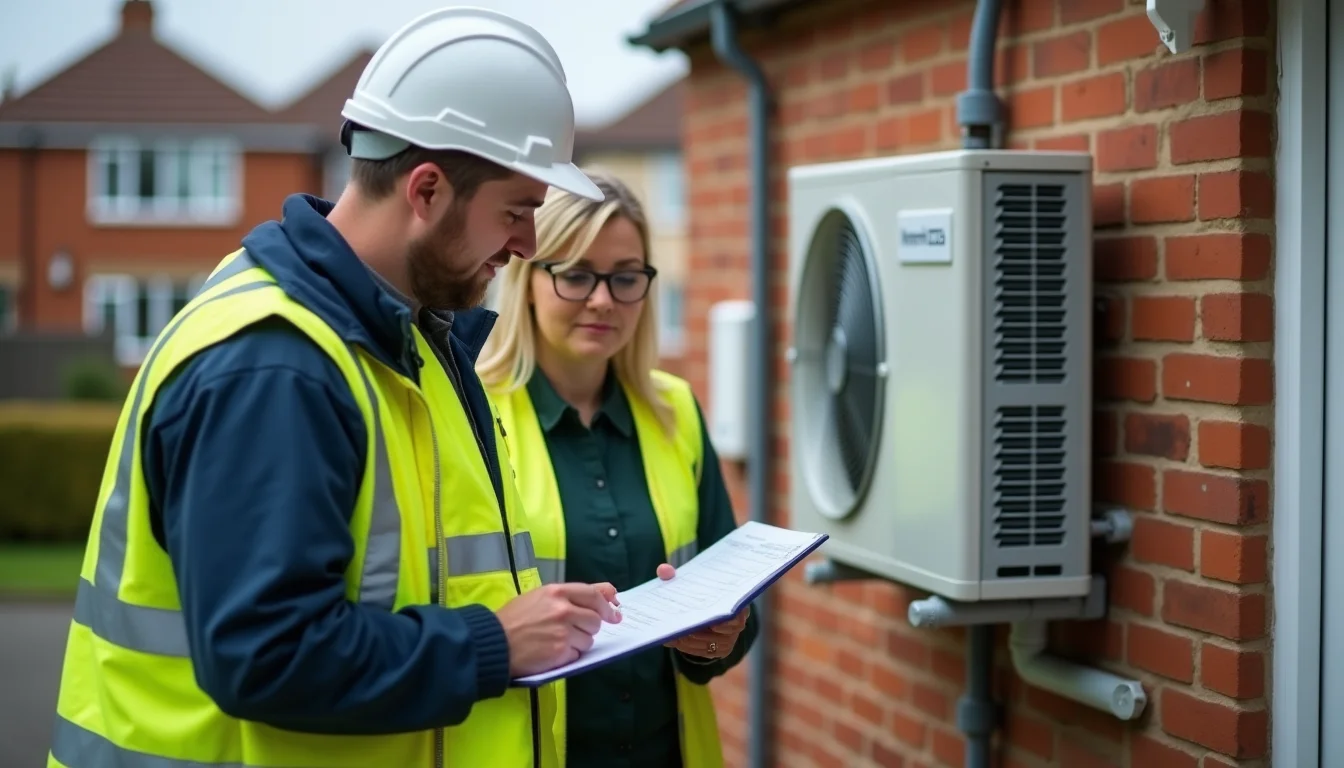
The Warm Homes Plan is the government's £15 billion commitment to upgrading UK homes with better insulation and low-carbon heating over this parliamentary term. The £7,500 Boiler Upgrade Scheme (BUS) grant sits within this broader plan and remains the main route for homeowners to get direct funding towards a heat pump installation in 2026. The two schemes aren't competitors; they work together, and understanding how they connect could save you thousands.
What Exactly Is the Warm Homes Plan?
The Warm Homes Plan was announced as a long-term programme to cut energy bills and reduce carbon emissions from the UK's housing stock, which is famously some of the leakiest in Europe. The headline figure of £15 billion covers everything from insulation upgrades to heat pump installations, spread across multiple years of government spending.
It's not a single grant you apply for. Think of it as an umbrella that funds several different schemes and initiatives. Some of these target low-income households specifically, while others are open to any homeowner meeting certain criteria.
The key programmes sitting under the Warm Homes Plan include:
- The Boiler Upgrade Scheme (BUS) offering £7,500 towards heat pumps for most homeowners
- The Great British Insulation Scheme providing free or subsidised insulation for eligible homes
- The Social Housing Decarbonisation Fund for housing associations and councils
- ECO4 and its successor programmes targeting fuel-poor households through energy suppliers
For the average homeowner with a gas boiler who's thinking about switching to a heat pump, the BUS grant is your most direct and accessible route to funding right now.
How Does the £7,500 Boiler Upgrade Scheme Grant Work in 2026?
The BUS grant gives you £7,500 off the cost of an air source heat pump, or the same amount for a ground source heat pump. Your MCS certified installer applies for the voucher on your behalf, and the discount gets taken straight off your quote. You don't pay the full price and claim it back.
In 2026, the scheme continues to be funded and is open to homeowners in England and Wales. Scotland runs its own scheme through Home Energy Scotland, which works differently.
To qualify, your property needs to have a valid Energy Performance Certificate (EPC) with no outstanding recommendations for loft or cavity wall insulation. The property must also not currently be heated by a heat pump. And the installer doing the work must be MCS certified, which is non-negotiable.
Here's what this looks like in practice. Say you're a homeowner in a three-bed semi in Nottingham with an ageing gas boiler. Your installer quotes £12,000 for an air source heat pump system. The £7,500 BUS grant brings your cost down to £4,500. With typical gas bills sitting around £1,000 to £1,200 a year for that size of house, you could be looking at payback within five to seven years, depending on your heat pump's efficiency and your electricity tariff.
Can You Combine the Warm Homes Plan Funding With the BUS Grant?
This is where things get genuinely useful. Yes, you can potentially benefit from more than one scheme under the Warm Homes Plan.
If your home needs insulation work before a heat pump will run efficiently, and you meet the eligibility criteria for the Great British Insulation Scheme or ECO4, you could get your walls or loft insulated at no cost or reduced cost. Then, separately, you apply for the BUS grant to cover part of the heat pump installation.
These aren't technically "stacked" in the sense that you fill in one form. They're separate applications through separate routes. But there's nothing stopping you from using insulation funding first and the BUS grant second. Honestly, this is the smartest order to do things in anyway, because a well-insulated home needs a smaller, cheaper heat pump.
What you can't do is combine the BUS grant with other government grants for the same heat pump installation. You can't claim BUS and also get funding from the Social Housing Decarbonisation Fund for the same piece of equipment, for instance.
Who Qualifies for the Wider Warm Homes Plan Support?
The broader Warm Homes Plan funding beyond BUS is weighted towards lower-income households. If you're on means-tested benefits, you're more likely to qualify for free insulation or even a fully funded heat pump through programmes like ECO4 or the local authority delivery schemes.
For homeowners who aren't on benefits but still want help, the BUS grant is the primary option. There's no income test for BUS. You could earn £150,000 a year and still qualify, as long as your property meets the criteria.
The government has indicated that the Warm Homes Plan will ramp up in scale over the coming years, with more households targeted for upgrades annually. The exact details of future phases are still being confirmed, so it's worth keeping an eye on official announcements from DESNZ (the Department for Energy Security and Net Zero).
If you're a private tenant, the picture is trickier. Your landlord would need to apply for the BUS grant, and frankly, persuading a landlord to invest in a heat pump can be an uphill battle. The Minimum Energy Efficiency Standards for rental properties are supposed to tighten, which may force the issue over time.
"I'm Worried a Heat Pump Won't Heat My Home Properly"
This is the single biggest concern we hear, and it deserves a straight answer.
A properly sized and installed heat pump will heat your home. Full stop. The problems people read about online almost always come down to one of three things: the system was undersized, the installer cut corners on design, or the home had no insulation to speak of.
This is exactly why MCS certification matters. An MCS certified installer has to follow strict design standards, including a proper heat loss calculation for your specific house. They can't just guess or use a rule of thumb. If they get it wrong, there are complaints procedures and protections in place.
Modern air source heat pumps work efficiently down to minus 15°C and below. We don't get many days that cold in most of the UK. In well-insulated homes, heat pumps often outperform the old boiler on comfort because they deliver a steady, even heat rather than blasting hot then going cold.
Are there homes where a heat pump is harder to install? Yes. Solid-wall Victorian terraces with no insulation and tiny radiators will need more work. But "more work" doesn't mean "impossible." It means insulating first and possibly upgrading a few radiators, which a good installer will advise you on.
How to Get the Most Out of Both Schemes in 2026
If you want to make the most of available funding, here's a practical step-by-step approach:
- Get an up-to-date EPC. Check your current rating and see if there are insulation recommendations that need addressing first.
- Check if you qualify for free insulation. Use the government's Simple Energy Advice service or ask your energy supplier about ECO4 eligibility.
- Get insulation done first if needed. This lowers your heat demand and means a smaller, cheaper heat pump.
- Find an MCS certified heat pump installer. Get at least two or three quotes. A good directory like ours makes this much faster.
- Your chosen installer applies for the BUS grant. The £7,500 comes off your invoice directly.
Don't rush step four. The quality of your installer matters far more than the brand of heat pump on the side of the box. Ask to see previous installations, read reviews, and make sure they do a full survey before quoting.
FAQ
Can I get the Warm Homes Plan grant and BUS grant together?
You can benefit from different Warm Homes Plan programmes for different measures. For example, you might get insulation through one scheme and a heat pump through the BUS grant. You can't claim two government grants for the same heat pump installation.
How do I apply for the £7,500 BUS grant in 2026?
You don't apply directly. Your MCS certified installer applies on your behalf after surveying your property and agreeing a quote. The £7,500 is deducted from your total cost before you pay. You'll need a valid EPC for your home.
Is the Warm Homes Plan only for low-income households?
Not entirely. The BUS grant, which sits under the Warm Homes Plan, has no income test and is open to any eligible homeowner. Other parts of the plan, like ECO4 and some insulation schemes, do target lower-income and fuel-poor households specifically.
Do I need insulation before I can get a heat pump?
Your EPC must not have outstanding recommendations for loft or cavity wall insulation to qualify for the BUS grant. Beyond that requirement, better insulation means a more efficient heat pump and lower running costs, so it's strongly recommended even if not strictly mandatory for every property.
How much does a heat pump cost after the £7,500 grant in 2026?
A typical air source heat pump installation for a three-bed house costs between £10,000 and £14,000 before the grant. After the £7,500 BUS grant, you're looking at roughly £2,500 to £6,500 out of pocket, depending on your property and the complexity of the installation.
If you're ready to explore what a heat pump would cost for your home, start by finding a local MCS certified installer through heatpumpinstallerdirectory.co.uk. You can compare quotes, check reviews, and make sure you're working with someone qualified to get you the full £7,500 BUS grant.
Ready to talk to an installer?
Compare the listed firms, then check current MCS status, service coverage and any grant registration directly. Contact routes are shown when a firm has published one.
Related guides
- Heat Pump Subsidies Could Be Cut to Fund Defence Spending
Reports suggest heat pump grants could be cut to fund defence. Here's what UK homeowners should do right now to lock in the £7,500 BUS grant before any changes.
- Heat Pump Grants in Scotland 2026 — Home Energy Scotland
Scottish homeowners can stack Home Energy Scotland loans and cashback with the £7,500 BUS grant. Here's exactly how much you can get and how to apply in 2026.
- Warm Homes: Local Grant 2026 — The Complete Homeowner Guide
Warm Homes: Local Grant 2026 explained for UK homeowners. Eligibility, income thresholds, funded measures including heat pumps, and how to apply through your council.