
Air Source Heat Pump Installation Cost UK 2026 — Full Breakdown
What does an air source heat pump really cost in 2026? We break down unit prices, labour, extras, running costs and grants so you can budget properly.

Written by Heat Pump Buddy
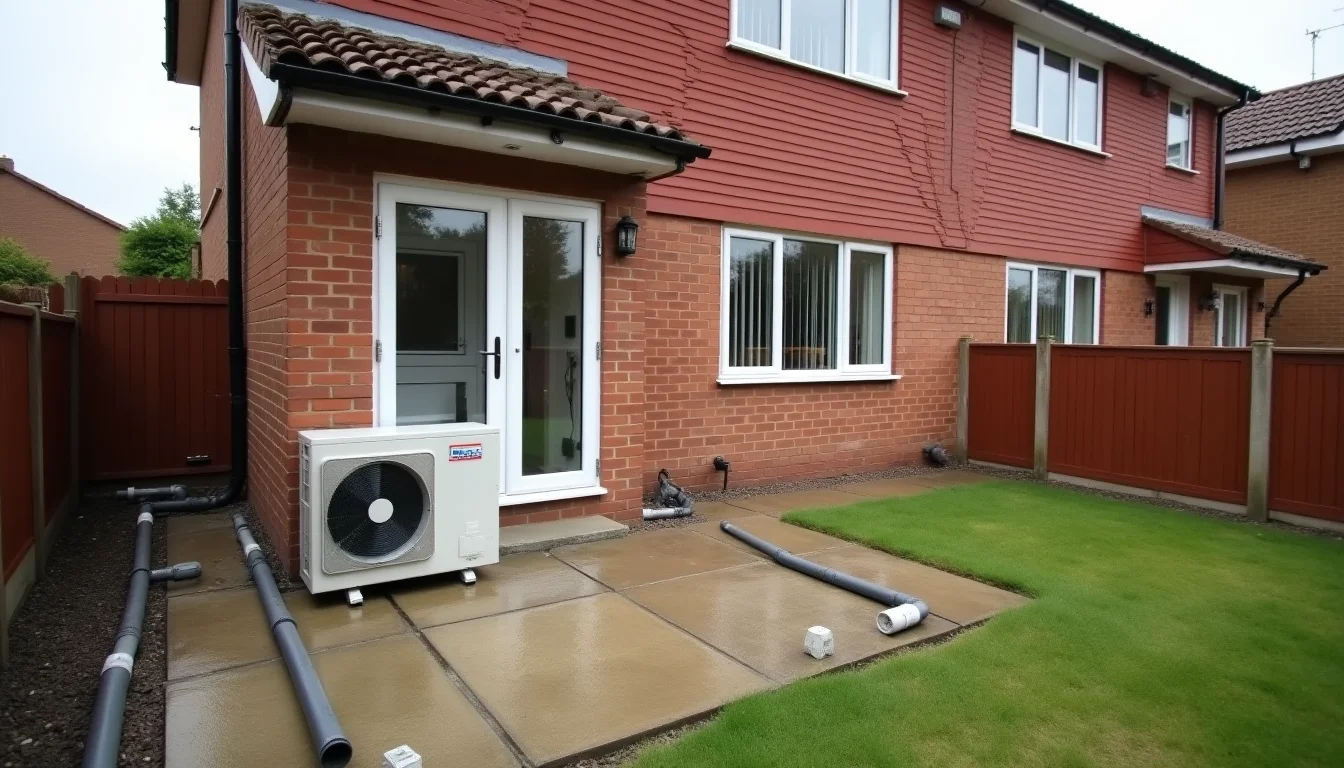
A typical air source heat pump installation cost in the UK in 2026 falls between £10,000 and £18,000 before the £7,500 BUS grant. After the grant, most homeowners pay somewhere between £2,500 and £10,500 out of pocket, depending on the size of the system and how much extra work your property needs. This guide breaks down every cost line so you know exactly where your money goes.
What makes up the total air source heat pump installation cost in 2026?
The price you're quoted isn't just for a box that sits outside your house. It covers the heat pump unit itself, a hot water cylinder, installation labour, controls, pipework, electrical work, and MCS certification. Let's pull each of those apart.
The heat pump unit is the biggest single line item. For a typical three-bedroom semi, you're looking at a 7-10kW unit costing between £3,500 and £7,000 depending on the manufacturer. Popular brands like Vaillant, Mitsubishi, Daikin and Grant all sit within that range, though premium models with higher efficiencies push towards the top.
The hot water cylinder usually costs £800 to £1,500 installed. If you're coming from a combi boiler, you won't have one already, so this is an unavoidable extra. You'll typically need a 200-250 litre unvented cylinder.
Labour and installation charges generally run between £3,000 and £5,000. This covers the plumber, electrician, and any scaffolding or concrete pad work needed for the outdoor unit. MCS certification paperwork and commissioning are usually bundled into this figure.
What about the extras that push the price up?
This is where costs can creep up, and it's the bit that catches people off guard. Not every home needs all of these, but you should budget for the possibility.
Radiator upgrades are the most common additional cost. Heat pumps run at lower flow temperatures than gas boilers, so some of your existing radiators may need to be swapped for larger ones. If you need to replace five or six radiators, expect to add £1,500 to £3,000.
Underfloor heating is ideal for heat pumps but expensive to retrofit. If you're already renovating a ground floor, it's worth doing. Retrofitting UFH to a single room costs roughly £1,200 to £2,500.
Insulation improvements can make a real difference to whether the heat pump is properly sized. Loft insulation top-ups are cheap at £300 to £500. Cavity wall insulation runs £500 to £1,500. If your home is poorly insulated, a heat pump will have to work harder and cost more to run, so sorting insulation first is money well spent.
Electrical upgrades are sometimes needed if your consumer unit is old or your supply is inadequate. Budget £200 to £600 if this comes up.
How do running costs compare to a gas boiler?
This is the question everyone asks, and the honest answer is: it depends on your home and the tariff you're on.
As of mid-2026, the Ofgem energy price cap puts electricity at roughly 24.5p per kWh and gas at around 6.4p per kWh. That means electricity is about 3.8 times more expensive than gas per unit. But a decent air source heat pump delivers a Coefficient of Performance (COP) of 3.0 to 3.5, meaning for every 1kW of electricity it uses, it produces 3 to 3.5kW of heat.
So the maths works out roughly like this: heating a typical three-bed semi with gas costs around £850 to £1,050 a year. The same home with an air source heat pump running at a seasonal COP of 3.2 costs roughly £700 to £950 a year. The savings aren't dramatic on standard tariffs, but they're real.
Where heat pumps pull ahead is on specialist electricity tariffs. Octopus Energy's Cosy Octopus tariff, for example, offers cheaper rates during off-peak hours specifically for heat pump users. On a tariff like that, annual running costs can drop below £650.
And here's something worth remembering: gas prices are tied to global wholesale markets and have been volatile. Electricity prices are increasingly driven by renewables, which trend downward over time. The running cost gap is likely to widen in favour of heat pumps over the next decade.
The £7,500 BUS Grant — How to claim it and who qualifies
The Boiler Upgrade Scheme (BUS) grant is still available in 2026 and pays £7,500 towards the cost of an air source heat pump installation. It was extended in the 2024 Autumn Budget and is currently funded through to March 2028.
Here's what you need to know:
- Your property must have an existing heating system (no new builds)
- The installer must be MCS certified
- Your property must have a valid EPC with no outstanding loft or cavity wall insulation recommendations (or you need to have addressed them)
- The grant is applied by your installer at the point of quote, so you never have to claim it back yourself
The grant has made a massive difference to uptake. Before it was increased from £5,000 to £7,500 in late 2024, applications were sluggish. Since the increase, Ofgem data shows redemption rates have climbed sharply.
Let's put this into a real example. Sarah, a homeowner in Nottinghamshire with a 1990s three-bed detached, got three quotes for an 8.5kW Vaillant Arotherm system. The quotes ranged from £12,400 to £14,800. After the £7,500 BUS grant, her out-of-pocket cost was between £4,900 and £7,300. She went with the middle quote at £13,200 and paid £5,700 after the grant. The installer handled all the BUS paperwork.
One thing to watch: not every installer passes the full £7,500 saving on to you. Some inflate prices knowing the grant is available. Getting three quotes from different MCS certified installers is the single best way to make sure you're paying a fair price.
"Will a heat pump actually heat my house properly?"
This is the biggest worry homeowners have, and it's completely understandable. You've probably heard someone say heat pumps don't work in cold weather, or that they leave your house lukewarm.
Frankly, most of that comes from early installations that were badly designed or incorrectly sized. A properly specified system with the right radiators will keep your house at whatever temperature you set, even when it's minus five outside. Modern air source units operate efficiently down to -20°C.
The key is correct sizing. Your installer should do a full room-by-room heat loss calculation, not a quick estimate based on floor area. If they're not doing this, walk away and find one who will. This calculation determines the kW output you need, which radiators may need upgrading, and what flow temperature the system should run at.
Heat pumps do work differently to boilers. They produce a lower, steadier heat rather than short, intense blasts. Most people set them to run for longer periods, often on a weather compensation curve that adjusts output automatically. It takes a week or two to get used to, but the comfort level is genuinely good once dialled in.
Are there other grants or funding options beyond the BUS?
The BUS grant is the big one, but it's not the only support available.
ECO4 and the Great British Insulation Scheme can cover insulation costs for eligible households, which reduces your heat pump sizing requirements and overall cost. Eligibility is based on household income and EPC rating.
Home Energy Scotland offers interest-free loans of up to £7,500 for Scottish homeowners, which can be combined with other funding.
0% VAT applies to all heat pump installations in 2026. This was extended and saves you hundreds compared to the standard 20% rate.
Some local councils also run their own schemes. It's worth checking your council's website or asking your installer what's available in your area.
Frequently Asked Questions
How much does an air source heat pump cost to install in the UK in 2026?
The total installed cost typically ranges from £10,000 to £18,000 before the £7,500 BUS grant. After the grant, most homeowners pay between £2,500 and £10,500 depending on the system size and any additional work like radiator upgrades or insulation.
Is the £7,500 heat pump grant still available in 2026?
Yes. The Boiler Upgrade Scheme grant of £7,500 for air source heat pumps is still available in 2026 and is currently funded through to March 2028. Your installer must be MCS certified to apply on your behalf.
Are heat pumps cheaper to run than gas boilers?
In most cases, yes, but the savings are modest on standard electricity tariffs. A typical three-bed home might save £100 to £200 a year compared to gas. On specialist heat pump tariffs like Octopus Cosy, the savings can be larger.
Do I need to upgrade my radiators for a heat pump?
Not always, but often some radiators will need to be larger to work efficiently at the lower flow temperatures a heat pump uses. Your installer should do a heat loss calculation to determine which, if any, need replacing. Budget £1,500 to £3,000 if several need swapping.
How long does it take to install an air source heat pump?
Most installations take two to three days for a straightforward swap from a gas boiler. If you need radiator upgrades, a new hot water cylinder, or electrical work, it can stretch to four or five days. The MCS certification process adds a few weeks to the overall timeline but doesn't affect the physical install.
Ready to find out what an air source heat pump would cost for your home? Use our free directory at heatpumpinstallerdirectory.co.uk to find MCS certified installers in your area, get up to three quotes, and make sure you're getting a fair price with the full £7,500 BUS grant applied.
Ready to talk to an installer?
Every firm in the directory is MCS-certified, with reviews and grant registration shown on its listing.
Related guides
- Heat Pump vs Boiler Replacement Cost: Which Is Cheaper in 2026?
Heat pump or new boiler in 2026? We compare upfront costs, the £7,500 BUS grant, running costs, and 10-15 year totals so you can make the right call.
- Heat Pump Electricity Tariffs UK 2026: Which Is the Cheapest for Running Your Heat Pump?
We compare every major heat pump electricity tariff in the UK for 2026, with real annual running costs. The difference between best and worst? Over £400 a year.
- Does a Heat Pump Add Value to Your Home? What Homeowners Need to Know in 2026
Find out exactly how much value a heat pump adds to UK homes in 2026, with real property data, EPC improvements, and ROI calculations you can trust.