
How Long Until a Heat Pump Pays for Itself in the UK?
How many years before a heat pump pays for itself? We break down real payback periods for gas, oil, and LPG homes with 2026 costs, grants, and energy prices.

Written by Heat Pump Buddy
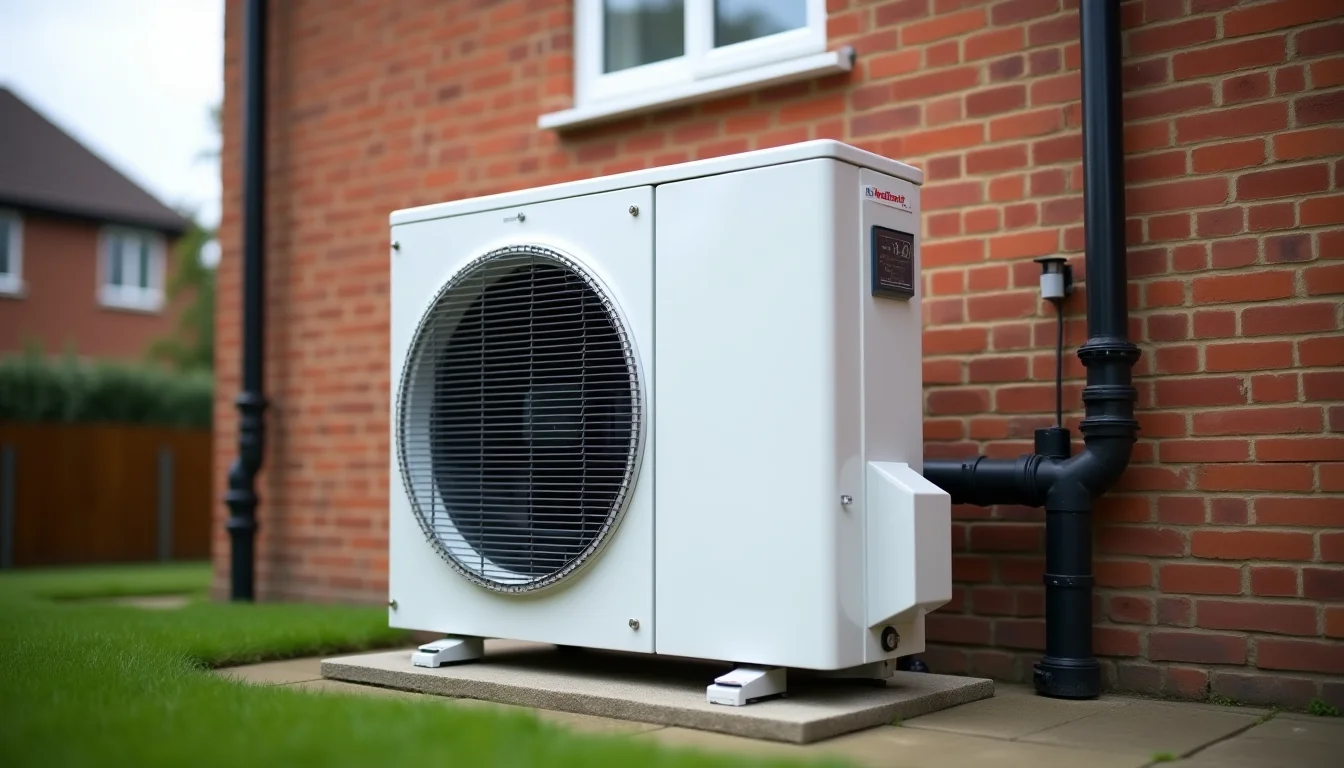
For most UK homes replacing a gas boiler, a heat pump pays for itself in roughly 12 to 17 years after the £7,500 BUS grant. If you're coming off oil or LPG, that drops sharply to between 6 and 10 years, because the fuel you're replacing costs so much more per unit of heat. Your exact payback depends on your home's insulation, the system you choose, and what electricity tariff you're on.
What Actually Determines Your Heat Pump Payback Period?
Payback is simple maths: take the net cost of installing the heat pump (after grants), then divide it by how much you save on heating bills each year compared to your old system. But the inputs to that calculation vary wildly from house to house.
Three things matter most. First, the fuel you're replacing. Gas is cheap per kWh, so savings are smaller. Oil and LPG are expensive, so savings are larger. Second, your home's thermal efficiency. A well-insulated house needs less heat overall, which means the heat pump runs less and your electricity bill stays lower. Third, the coefficient of performance (COP) your heat pump actually achieves in practice, which is typically between 2.8 and 3.5 for a well-designed air source system according to the Energy Saving Trust.
There's also the question of what you paid. A straightforward install in a three-bed semi will cost less than a retrofit in a draughty Victorian terrace that needs new radiators throughout. That upfront figure is the starting point for every payback calculation.
Payback When Replacing a Gas Boiler
This is the scenario most people ask about, and it's the least favourable on paper. Gas remains the cheapest fossil fuel in the UK, sitting at around 6.8p per kWh under the Ofgem price cap from April 2026. Electricity, meanwhile, is around 24.5p per kWh on a standard variable tariff, according to Ofgem's price cap announcements.
A gas boiler running at 90% efficiency delivers 1 kWh of heat for about 7.6p. A heat pump with a seasonal COP of 3.2 delivers the same 1 kWh of heat for about 7.7p on a standard tariff. That's almost identical, which means your annual bill saving on a standard tariff is tiny, sometimes only £50 to £100 per year.
But here's what changes the picture. If you switch to a heat pump electricity tariff like Octopus's Cosy Octopus or a similar time-of-use deal, you can get off-peak rates closer to 10p to 15p per kWh. At 12p per kWh, that 1 kWh of heat costs just 3.75p. Suddenly you're saving £400 to £600 a year compared to gas. You can read more about these tariffs in our guide to heat pump electricity tariffs in 2026.
On a standard tariff with a £5,500 net cost after grant, you'd be looking at 40+ years to break even. On a heat pump tariff, that same system pays back in 10 to 14 years. The tariff you choose isn't a minor detail. It's the single biggest factor for gas switchers.
Payback When Replacing Oil or LPG
Oil and LPG homeowners have a much stronger financial case. Heating oil has been volatile for years, but as of mid-2026 it's sitting around 65p to 75p per litre, which works out at roughly 6.5p to 7.5p per kWh of fuel. That sounds cheap until you factor in boiler efficiency. An older oil boiler running at 85% means you're paying about 8.2p per kWh of actual heat.
LPG is worse. At roughly 7p to 10p per kWh depending on your supplier and contract, and with boilers running at 85-90% efficiency, delivered heat costs 8p to 11p per kWh.
Compare that to a heat pump at 7.7p per kWh on a standard tariff, or 3.75p on a heat pump tariff. The annual savings stack up fast. An oil-heated four-bed detached house using 20,000 kWh of heat a year could save £800 to £1,200 annually. With the enhanced £9,000 BUS grant now available for oil and LPG homes, the net installation cost could be as low as £3,000 to £5,000.
That puts payback at 3 to 6 years. It's one of the strongest financial cases for any home energy upgrade in the UK right now.
A Worked Example: Three-Bed Semi in Kent Replacing Gas
Take a 1990s three-bed semi-detached house in Maidstone. EPC rating C, cavity wall insulation already done, loft insulation at 270mm. Annual gas consumption around 12,000 kWh for space heating, plus a separate amount for hot water.
The homeowner gets three quotes from MCS certified installers in Kent and picks a mid-range 8.5kW air source heat pump system at £12,000, including a new hot water cylinder and controls. After the £7,500 BUS grant, the out-of-pocket cost is £4,500.
On a standard electricity tariff at 24.5p/kWh, the heat pump with a COP of 3.2 costs about £920 a year to run for heating and hot water. The old gas boiler cost about £1,020. That's a saving of just £100 a year, giving a payback of 45 years. Not great.
But the homeowner switches to a time-of-use tariff and runs the heat pump mostly on off-peak electricity at around 12p/kWh. Now the annual running cost drops to about £490. The saving compared to gas jumps to £530 per year, and payback comes in at about 8.5 years.
Add in that the heat pump needs no annual service contract (gas safety checks typically cost £80-£100 a year), and the real-world payback is closer to 7 years. That's a reasonable return on a system with a 20-year expected lifespan.
The £7,500 BUS Grant and How It Affects Payback
The Boiler Upgrade Scheme is the single biggest factor in making heat pump payback work. Without it, you're looking at a £10,000 to £14,000 upfront cost for a typical air source system. With it, that drops to £3,000 to £7,000 depending on the complexity of your install.
The grant is £7,500 for homes currently on mains gas. From April 2026, homes on oil, LPG, or coal can claim up to £9,000 under the enhanced BUS grant. You don't receive the money yourself. Your MCS certified installer applies for it, and the grant is deducted from your invoice.
To qualify, your property needs to be an existing home (not a new build) in England or Wales with a valid EPC. The scheme currently runs until March 2028, though there's talk of it being extended. You can check whether your home qualifies in our guide to BUS grant eligibility in 2026.
Every £1,000 the grant covers is a year or more knocked off your payback period. If you're considering a heat pump, applying while the scheme is still open makes a real difference to the numbers.
"But What If Electricity Prices Keep Rising?"
This is the objection that comes up the most, and it's a fair one. If electricity stays expensive relative to gas, won't the heat pump savings shrink or disappear?
Here's the thing. The UK government has committed to rebalancing energy levies so that more of the green policy costs currently loaded onto electricity bills shift onto gas bills instead. This has been discussed since 2020, and Ofgem and DESNZ are actively consulting on it in 2026. If that happens, gas prices rise and electricity prices fall in relative terms, which would dramatically improve heat pump economics.
Even without rebalancing, electricity prices are likely to drop in real terms as more renewable generation comes online. The cost of offshore wind has fallen by over 70% in the last decade, and that feeds through to wholesale electricity prices over time. Gas prices, by contrast, are tied to global markets and subject to geopolitical shocks, as we saw in 2022.
And there's a hedge you can build in yourself. Pairing a heat pump with rooftop solar panels means you generate some of your own electricity, reducing your dependence on grid prices entirely. Have a look at our guide on powering a heat pump with solar panels if that interests you.
No one can predict energy prices with certainty. But the direction of travel strongly favours electricity over fossil fuels in the UK.
What Else Affects the Numbers That People Forget?
Payback calculations often miss a few things that tip the balance.
Maintenance costs. Gas boilers need an annual service (£80-£100) and a new one roughly every 12-15 years. Heat pumps need a simple check every couple of years, and most quality systems last 20 years or more. Over 20 years, you could easily save £1,500 to £2,000 on maintenance alone.
Property value. Research from Nesta published in 2024 found that homes with heat pumps sold for a premium. A higher EPC rating also helps. We cover this in detail in our piece on whether a heat pump adds value to your home.
Boiler replacement cost avoided. If your existing boiler is near end of life, you'd be spending £2,500 to £4,000 on a new gas boiler anyway. That money should be subtracted from the heat pump's net cost in any fair comparison, which can shave 3 to 5 years off your payback.
Are you comparing the heat pump to a brand new boiler, or to the old one that's about to fail? That question alone changes the answer by years.
Frequently Asked Questions
How long does it take for a heat pump to pay for itself in the UK?
For a gas-heated home on a heat pump electricity tariff and with the £7,500 BUS grant, typical payback is 8 to 14 years. For oil or LPG homes with the £9,000 grant, payback can be as short as 3 to 6 years. On a standard electricity tariff replacing gas, payback can stretch beyond 20 years.
Is a heat pump cheaper to run than a gas boiler?
On a standard electricity tariff, running costs are roughly similar to gas. On a time-of-use or heat pump tariff with off-peak rates around 10-15p/kWh, a heat pump is typically 30-50% cheaper to run than a gas boiler. The tariff matters enormously.
Do you get a grant towards a heat pump in 2026?
Yes. The Boiler Upgrade Scheme offers £7,500 towards a heat pump in England and Wales for homes on mains gas. Homes currently on oil, LPG, or coal can get up to £9,000 from April 2026. Your installer must be MCS certified and applies for the grant on your behalf.
Are heat pumps worth it if you already have gas central heating?
They can be, but only if you switch to a favourable electricity tariff and claim the BUS grant. Without both, the savings over gas are too small to justify the upfront cost on pure payback terms alone. Other benefits like lower carbon emissions and avoiding future gas price rises may still make it worthwhile.
How much does it cost to run a heat pump per year UK?
For a typical three-bed house needing around 12,000 kWh of heat per year, running costs are approximately £900-£1,000 on a standard tariff, or £450-£550 on a heat pump tariff. This covers space heating and hot water. Actual costs vary with your home's insulation, local climate, and the system's efficiency.
If you're weighing up the numbers for your own home, the best next step is to get quotes from MCS certified installers who can survey your property and give you accurate running cost estimates. You can find qualified heat pump installers near you through our directory and compare quotes with confidence.
Ready to talk to an installer?
Every firm in the directory is MCS-certified, with reviews and grant registration shown on its listing.
Related guides
- Air Source Heat Pump Installation Cost UK 2026 — Full Breakdown
What does an air source heat pump really cost in 2026? We break down unit prices, labour, extras, running costs and grants so you can budget properly.
- Heat Pump vs Boiler Replacement Cost: Which Is Cheaper in 2026?
Heat pump or new boiler in 2026? We compare upfront costs, the £7,500 BUS grant, running costs, and 10-15 year totals so you can make the right call.
- Heat Pump Electricity Tariffs UK 2026: Which Is the Cheapest for Running Your Heat Pump?
We compare every major heat pump electricity tariff in the UK for 2026, with real annual running costs. The difference between best and worst? Over £400 a year.