
Do You Need an MCS Installer to Claim a Heat Pump Grant?
Find out whether MCS certification is required to claim the £7,500 BUS grant and other UK heat pump grants, and what you risk by using a non-MCS installer.

Written by Heat Pump Buddy
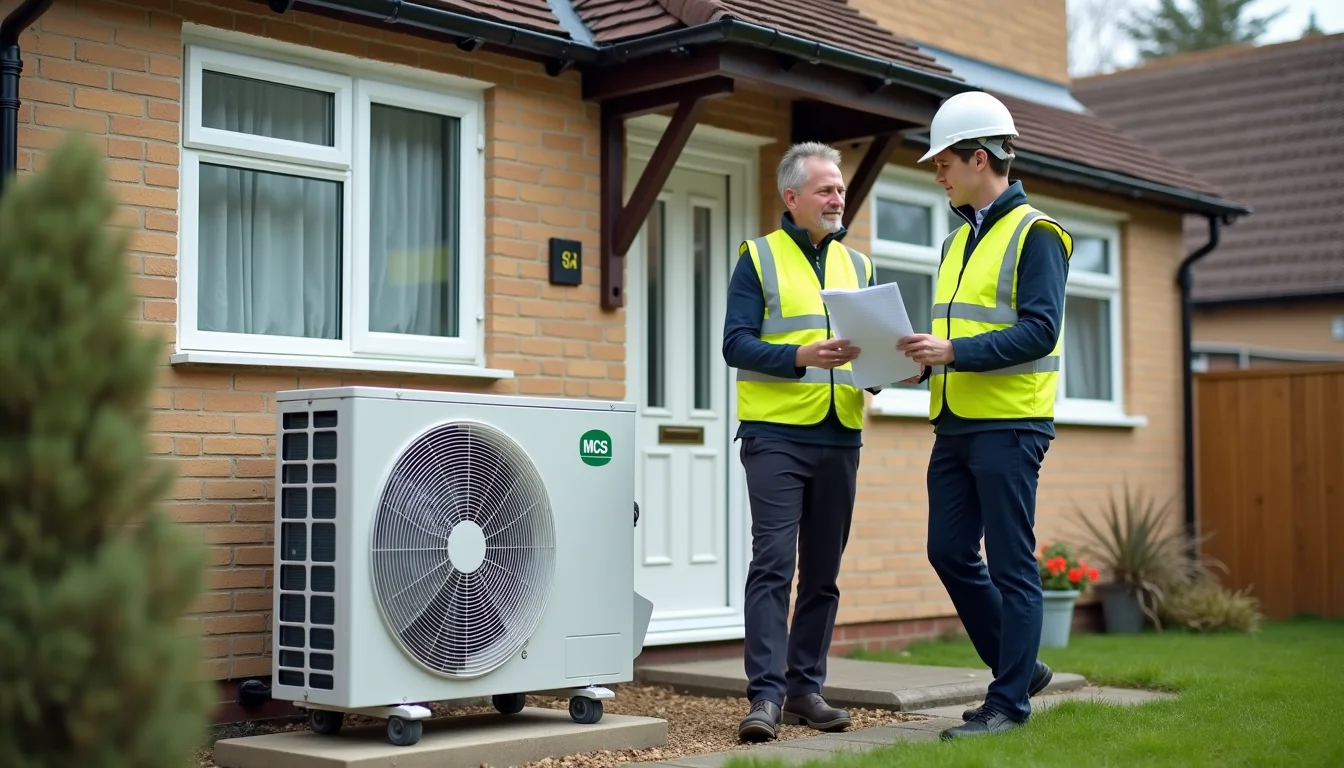
Yes. If you want to claim the £7,500 Boiler Upgrade Scheme grant in England or Wales, your installer must be MCS certified. No MCS certification, no grant. The same rule applies to almost every other government-backed heat pump funding scheme running in 2026.
What Is MCS Certification and Why Do Grants Require It?
MCS stands for Microgeneration Certification Scheme. It's a quality assurance standard that covers the design, installation, and commissioning of renewable energy systems, including heat pumps. An installer who holds MCS certification has been independently audited and must meet strict technical standards set out by MCS.
The government ties grant funding to MCS certification because it's the closest thing to a guarantee that your heat pump will be properly sized, correctly installed, and compliant with building regulations. Without that standard, there'd be no quality control over how public money gets spent.
You can read more about what MCS certification involves and why it matters in our full guide.
Is MCS Certification Mandatory for the £7,500 BUS Grant?
Absolutely. The Boiler Upgrade Scheme is administered by Ofgem and provides a £7,500 voucher towards the cost of an air source or ground source heat pump. One of the non-negotiable eligibility rules is that your installation must be carried out by an MCS certified installer, and the heat pump product itself must also be MCS certified.
Your installer applies for the voucher on your behalf through Ofgem's system. They can only access that system if they hold current MCS certification. A lapsed or pending certification won't cut it. The application has to be made before the installation starts, and the installer's MCS number is checked at the point of application.
The BUS grant has been extended to run until March 2028, according to gov.uk. So there's time to find the right installer, but don't assume any heating engineer can get you the grant. Only MCS certified ones can.
Do Other UK Heat Pump Grants Also Require MCS Installers?
In short, yes, with very few exceptions.
The Warm Homes: Local Grant, which targets lower-income households in England, requires that heat pump installations are carried out by MCS certified installers. Local authorities administering these schemes won't release funding unless the installer meets that standard.
In Scotland, Home Energy Scotland grants of up to £7,500 (or £9,000 in rural areas) also require MCS certification. The same applies in Wales for the BUS grant, which operates under the same rules as in England.
The ECO4 scheme, which is aimed at fuel-poor households and delivered through energy suppliers, also mandates MCS certified installers for heat pump measures. You can see a full list of every UK heat pump grant and their requirements on our grants page.
There is no major government heat pump grant in the UK in 2026 that allows a non-MCS installer to carry out the work.
What Happens If You Use a Non-MCS Installer?
This is where things can get expensive. If you go ahead with a non-MCS installer, here's what you're likely to face:
You lose the grant entirely. The £7,500 BUS voucher won't be issued. You'll pay the full cost out of your own pocket.
Your manufacturer warranty may be void. Most major heat pump manufacturers, including Daikin, Mitsubishi, Vaillant, and Worcester Bosch, require MCS certified installation as a condition of their extended warranties. A non-MCS install could leave you with no warranty cover on a unit that costs £8,000 to £14,000. That's a serious financial risk on a system designed to last 20 years or more.
No access to consumer protection. MCS certified installations come with consumer protection through the MCS installer standards, which include a complaints process and dispute resolution. Use a non-MCS installer and you're relying on general consumer law alone, which is harder and slower to enforce.
Building regulations sign-off could be harder. While a competent non-MCS installer can technically self-certify some work, MCS certification gives building control officers confidence that the installation meets Part L and Part P of the Building Regulations. Without it, you may need to arrange a separate building control inspection, which adds cost and delay.
Some homeowners are tempted by a lower quote from a non-MCS installer. But when you factor in the lost £7,500 grant and the warranty risk, the "cheaper" quote almost always works out more expensive.
"But My Local Plumber Says He Can Fit a Heat Pump"
This is the most common concern we hear. A trusted local plumber or gas engineer offers to install a heat pump at a lower price, and the homeowner wonders whether MCS really matters.
Here's the thing. Your plumber might be perfectly competent at fitting boilers. But heat pumps are a completely different technology. They need careful heat loss calculations, correct refrigerant handling (which requires F-Gas certification as a minimum), proper flow rate design, and precise commissioning. MCS certification means the installer has been trained and assessed on all of these.
Beyond the technical side, a non-MCS plumber simply cannot access the BUS grant system. They can't apply for the voucher. There's no workaround and no exception.
If your plumber is keen to install heat pumps, encourage them to get MCS certified. It takes effort and investment on their part, but it protects both them and you.
How Much Does It Actually Cost With and Without the Grant?
Consider a 3-bedroom semi-detached house in West Yorkshire. The homeowner gets two quotes for an 8kW air source heat pump.
An MCS certified installer quotes £12,500, applies for the BUS grant, and the homeowner pays £5,000 after the £7,500 voucher is deducted. The system comes with a 7-year manufacturer warranty and full MCS consumer protection.
A non-MCS heating engineer quotes £10,000. Sounds cheaper. But the homeowner can't claim the £7,500 grant. The manufacturer won't honour the extended warranty because the installation isn't MCS certified. The homeowner pays £10,000 and gets far less protection.
The MCS route saves this homeowner £5,000 and gives them proper warranty cover. The non-MCS route costs double what it should and leaves them exposed if anything goes wrong.
How to Check If Your Installer Is MCS Certified
Don't just take their word for it. You can verify any installer's MCS status on the MCS certified installer database. Search by postcode and technology type to see who's certified for heat pumps in your area.
Check the following before you sign anything:
- Their MCS certificate number is current, not expired
- They're certified for the specific technology you want (air source or ground source)
- They carry adequate insurance, including public liability and professional indemnity
You should also ask to see their recent installation history and read independent reviews. Our guide on red flags when hiring a heat pump installer covers the warning signs to watch for.
And here's a practical tip: ask the installer to confirm in writing that they'll handle the BUS grant application before installation begins. A reputable MCS installer will do this as standard.
Frequently Asked Questions
Can I claim the BUS grant without an MCS installer?
No. The Boiler Upgrade Scheme requires your heat pump to be installed by an MCS certified installer. The installer applies for the £7,500 voucher through Ofgem's portal, and only MCS certified businesses can access it. There is no alternative route to claiming the grant.
What is an MCS certified heat pump installer?
An MCS certified installer is a business that has been assessed and approved under the Microgeneration Certification Scheme. They've demonstrated they can design, install, and commission heat pump systems to the required technical standards. MCS certification is renewed annually through audits and inspections.
Do I need MCS certification for a heat pump in Scotland?
Yes. Home Energy Scotland grants for heat pumps require MCS certified installation. Whether you're claiming the Scottish grant of up to £7,500 (or £9,000 in rural and island areas), the installer must hold current MCS certification.
Will my heat pump warranty be valid without MCS installation?
Most major manufacturers require MCS certified installation as a condition of their extended warranties. If your heat pump is installed by a non-MCS engineer, you may only get a basic 1 or 2 year warranty instead of the standard 5 to 10 year cover. This could cost you thousands if a major component fails.
How do I find MCS certified heat pump installers near me?
You can search for MCS certified installers on the official MCS database at mcscertified.com. You can also use our directory at heatpumpinstallerdirectory.co.uk, which lists only MCS certified installers, searchable by county and town. We recommend getting at least three quotes.
If you're ready to find a trusted MCS certified installer in your area and claim the full £7,500 grant, search for heat pump installers near you and request your free quotes today.
Ready to talk to an installer?
Compare the listed firms, then check current MCS status, service coverage and any grant registration directly. Contact routes are shown when a firm has published one.
Related guides
- Can You Get a Heat Pump Grant If You Receive Benefits?
On benefits and wondering if you qualify for a heat pump grant? You're likely eligible for more than just ECO4. Here's every scheme mapped to your benefit type.
- Heat Pump Subsidies Could Be Cut to Fund Defence Spending
Reports suggest heat pump grants could be cut to fund defence. Here's what UK homeowners should do right now to lock in the £7,500 BUS grant before any changes.
- Heat Pump Grants in Scotland 2026 — Home Energy Scotland
Scottish homeowners can stack Home Energy Scotland loans and cashback with the £7,500 BUS grant. Here's exactly how much you can get and how to apply in 2026.