
Red Flags When Hiring a Heat Pump Installer
Spot the warning signs of a bad heat pump installer before you sign anything. Missing MCS docs, no heat loss survey, suspiciously cheap quotes and more.

Written by Heat Pump Buddy
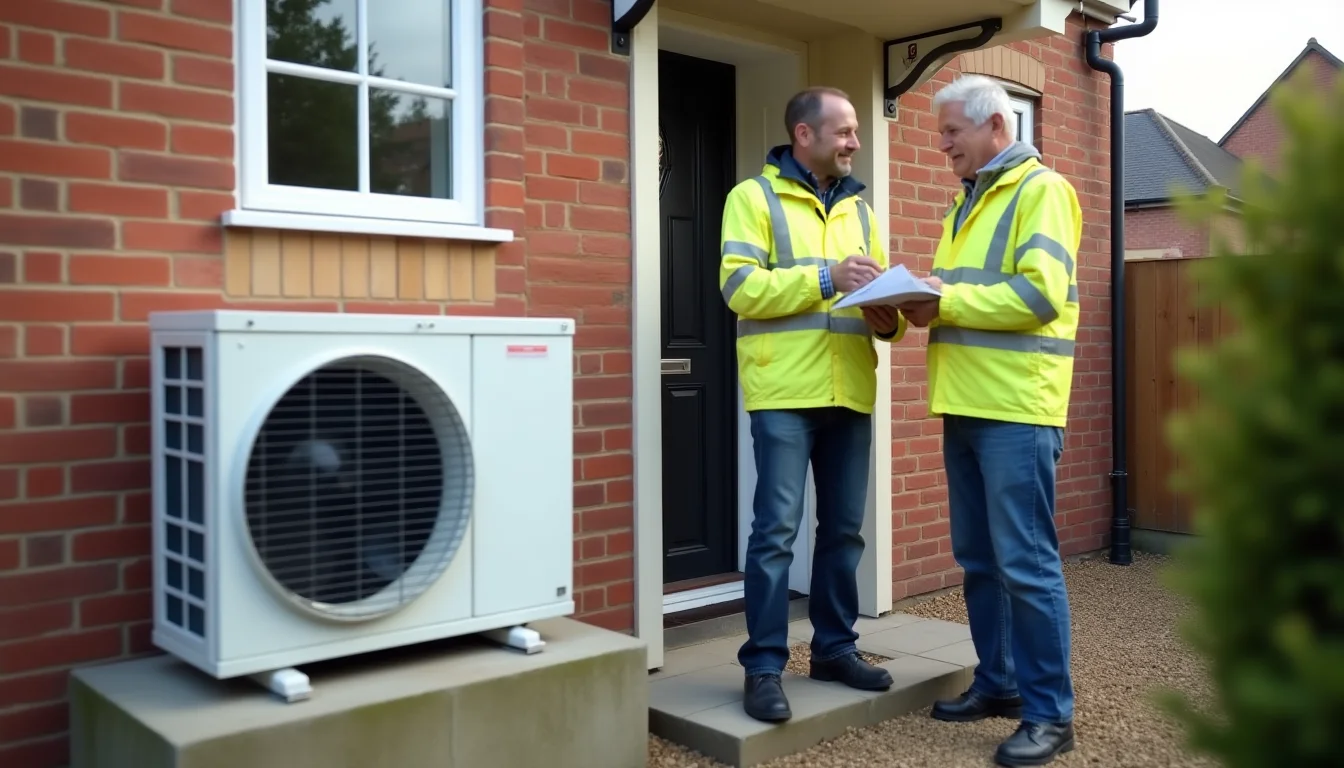
A bad heat pump installer can cost you thousands in wasted energy, botched pipework, and a voided grant. The warning signs are usually there before you sign a contract: missing MCS paperwork, no proper heat loss calculation, pressure to skip the survey, or a quote that looks too good to be true. Knowing what to look for puts you in control and protects both your home and your eligibility for the £7,500 Boiler Upgrade Scheme grant.
Why Does MCS Certification Matter So Much?
MCS certification isn't optional fluff. It's the minimum standard that proves an installer is qualified to design, fit, and commission a heat pump system in the UK. Without it, you can't claim the BUS grant, and you have very limited recourse if something goes wrong.
You can check any installer's MCS status yourself on the MCS certified installer database. If someone claims to be MCS certified but their company name doesn't appear on that database, walk away. It takes about 30 seconds to verify.
Some installers will say they're "working under" another company's MCS certification. That can be legitimate in certain subcontracting arrangements, but you need to see proof. Ask for the MCS certificate number and the name of the certified company, then check it yourself. If they get cagey about this, that's your first red flag.
No Heat Loss Calculation? Don't Sign Anything
A proper room-by-room heat loss calculation is the foundation of every good heat pump installation. It tells the installer exactly how much heat your home needs on the coldest day of the year, and it determines what size heat pump you need, what flow temperatures to use, and whether your existing radiators are up to the job.
If an installer quotes you without doing one, they're guessing. And a guess on heat pump sizing is either going to leave you cold in January or saddle you with a system that short-cycles and wastes electricity.
The calculation should follow MCS MIS 3005 standards and account for your insulation levels, window types, wall construction, ventilation, and local design temperature. A good installer will use software like Vaillant's aroTHERM design tool, Heat Engineer, or similar. They should be happy to show you the output.
Some homeowners worry this sounds like a lot of fuss for a heating system. But heat pumps run at lower flow temperatures than boilers, so getting the sizing right is far more critical. Our guide on what size heat pump you need explains the detail.
What Does a Suspiciously Low Quote Actually Look Like?
A typical air source heat pump installation for a three-bed semi in 2026 costs between £10,000 and £14,000 before the grant, depending on the brand, any radiator upgrades, and the complexity of the pipework. After the £7,500 BUS grant, you're looking at roughly £2,500 to £6,500 out of pocket.
So if you get a quote for £6,000 all-in before the grant, something is missing. Either the installer is planning to fit an undersized unit, they haven't accounted for necessary radiator changes, or they're cutting corners on the cylinder, controls, or commissioning.
Consider a 1930s three-bed semi in Leeds with solid walls and single-glazed bay windows. A proper heat loss calculation might show a peak demand of around 10 kW. The right system would be something like a Vaillant aroTHERM plus 10 kW or a Mitsubishi Ecodan 11.2 kW, paired with a 210-litre hot water cylinder, upgraded radiators in two rooms, and proper system flushing. A realistic quote for that work would be around £12,500 before the grant. After the £7,500 BUS grant, the homeowner pays £5,000. If someone quotes £4,000 for the same house, they're either fitting a 5 kW unit that'll never cope or skipping the radiator upgrades entirely. Either way, you'll pay more in the long run through higher electricity bills and a system that can't keep your house warm.
Get at least three quotes and compare them line by line. A trustworthy installer's quote will itemise the heat pump model, cylinder, any radiator changes, electrical work, MCS notification fee, commissioning, and warranty terms.
Pressure to Skip the Home Survey Is a Deal-Breaker
A proper pre-installation survey should take at least two to three hours for a standard house. The installer needs to measure every room, check your existing radiators, inspect the loft insulation, assess the electrical supply, look at potential outdoor unit locations, and work out the pipework route.
If someone offers to quote from photos alone or suggests they can "sort it all out on install day," that's a serious warning sign. A detailed survey is how the installer confirms the system will actually work in your specific home.
The survey is also where they should discuss noise levels, planning requirements (especially if you're in a conservation area), and whether your electrical supply needs upgrading to handle the heat pump's demand. Skipping any of this creates problems that are expensive to fix after the unit is bolted to your wall.
How a Bad Installer Can Cost You the £7,500 BUS Grant
The Boiler Upgrade Scheme pays £7,500 towards an air source or ground source heat pump for homeowners in England and Wales. But the grant comes with conditions, and a careless installer can blow your eligibility.
Here's what can go wrong:
- No valid MCS certification: The installer must be MCS certified at the time they apply for the voucher on your behalf. If their certification has lapsed or been suspended, the application gets rejected.
- Missing EPC: Under the April 2026 BUS changes, the EPC requirement has been removed for most installations, but there are still documentation requirements. An installer who doesn't understand the current rules could submit incomplete paperwork.
- Installation before voucher approval: The grant voucher must be issued before installation begins. If your installer starts work before Ofgem confirms the voucher, you lose the £7,500. Full stop.
- Non-compliant system design: The installed system must meet MCS standards. If the installer fits a system that doesn't comply, MCS can refuse to issue the certificate, and the grant payment won't go through.
A good installer will walk you through the grant timeline and won't pressure you to commit before the voucher is confirmed. You can check the latest BUS rules on Ofgem's BUS page.
"But All the Quotes Are Different — How Do I Compare Them?"
This is the most common frustration homeowners have, and it's understandable. One installer quotes £11,000 for a 10 kW system, another quotes £9,500 for an 8.5 kW system, and a third quotes £13,000 but includes new radiators. How do you know who's right?
The answer is in the heat loss calculation. Every installer should be working from the same physics. Your house loses a certain amount of heat, and the system needs to replace it. If one installer is proposing a significantly smaller unit than the others, ask them to explain why. Maybe they've factored in insulation upgrades you're planning. Or maybe they've cut corners.
Here's what to compare across quotes:
- Heat pump make, model, and output: Are they all proposing similar sizes? If one is notably different, ask why.
- Hot water cylinder: Size and brand matter. A 170-litre cylinder might not be enough for a family of four.
- Radiator changes: Has the installer checked each radiator against the heat loss figures at the proposed flow temperature? A system designed to run at 45°C needs bigger radiators than one at 55°C.
- Electrical work: Does the quote include upgrading your consumer unit or running a new circuit for the heat pump?
- Warranty: What warranty does the installer offer on their workmanship, separate from the manufacturer's warranty on the unit?
- Decommissioning: Is removing your old boiler included in the price?
If a quote is vague on any of these points, ask for clarification in writing before you commit. Our guide on questions to ask a heat pump installer covers this in more detail.
Other Warning Signs Worth Knowing
Beyond the big red flags, there are subtler signs that an installer might not be up to standard.
They can't name specific products. A quote that just says "8 kW air source heat pump" without specifying the manufacturer and model is too vague. You need to know exactly what's being fitted so you can check the product's MCS listing, its SCOP rating, and its noise output.
They don't mention the F-Gas regulations. If you're having a split system installed (where refrigerant lines run between the outdoor and indoor units), the installer needs F-Gas certification. Ask to see it.
They want a large deposit upfront. A deposit of 10-20% is normal. But if someone asks for 50% or more before they've ordered any equipment, be cautious. Reputable installers often don't take payment until the grant voucher is confirmed.
They have no local references. Any installer worth hiring should be able to point you to completed installations in your area. Ask if you can speak to a previous customer or even visit a finished installation.
They rush the commissioning. After the heat pump is installed, it needs to be commissioned properly. That means checking refrigerant pressures, setting flow temperatures, programming the weather compensation curve, and making sure the system is running at the right coefficient of performance. This isn't a ten-minute job. If the installer finishes up and leaves within an hour of switching the system on, they haven't done it properly.
You should also confirm they carry the right insurance. Our guide on what insurance a heat pump installer should have explains what cover to look for.
Frequently Asked Questions
How do I check if a heat pump installer is MCS certified?
Visit the MCS certified installer search and enter the company name or postcode. If they don't appear, they're either not certified or their certification has lapsed. Don't take their word for it.
Can I lose my BUS grant if my installer makes a mistake?
Yes. If the installer applies for the voucher incorrectly, starts work before the voucher is issued, or fits a non-compliant system, the grant can be refused or clawed back. Always confirm the voucher is approved before allowing work to begin.
What should a heat pump quote include?
A proper quote should itemise the heat pump make and model, hot water cylinder, any radiator upgrades, electrical work, pipework, decommissioning of the old system, MCS notification, commissioning, and warranty details. If it's just a single lump sum with no breakdown, ask for more detail.
Is it normal for heat pump quotes to vary by thousands of pounds?
Some variation is normal because installers use different brands and may include different levels of radiator work. But if one quote is £3,000 to £4,000 cheaper than the others, check whether they're proposing a smaller unit or leaving out necessary work. The cheapest quote is rarely the best value.
Do I need a survey before getting a heat pump quote?
Yes. Any installer giving you a fixed price without visiting your home and doing a room-by-room heat loss calculation is guessing. A proper survey takes two to three hours and is the only way to design a system that'll actually heat your home properly.
If you're ready to find a trustworthy, MCS certified installer near you, search for heat pump installers in your area and request quotes from companies you can verify and trust.
Ready to talk to an installer?
Compare the listed firms, then check current MCS status, service coverage and any grant registration directly. Contact routes are shown when a firm has published one.
Related guides
- Questions to Ask a Heat Pump Installer Before Hiring
Don't sign a heat pump contract until you've asked these questions. A practical checklist to sort good MCS installers from cowboys in 2026.
- What Insurance Should a Heat Pump Installer Have? Essential Cover Explained
Find out exactly what insurance a heat pump installer should carry before you hire them. Public liability, indemnity, MCS rules and more.
- How Long Does Heat Pump Installation Take? A Complete Timeline Breakdown
Wondering how long heat pump installation really takes? Get a real day-by-day timeline from survey to commissioning, plus what can speed things up or slow them down.