
Heat Pump Subsidies Could Be Cut to Fund Defence Spending
Reports suggest heat pump grants could be cut to fund defence. Here's what UK homeowners should do right now to lock in the £7,500 BUS grant before any changes.

Written by Heat Pump Buddy
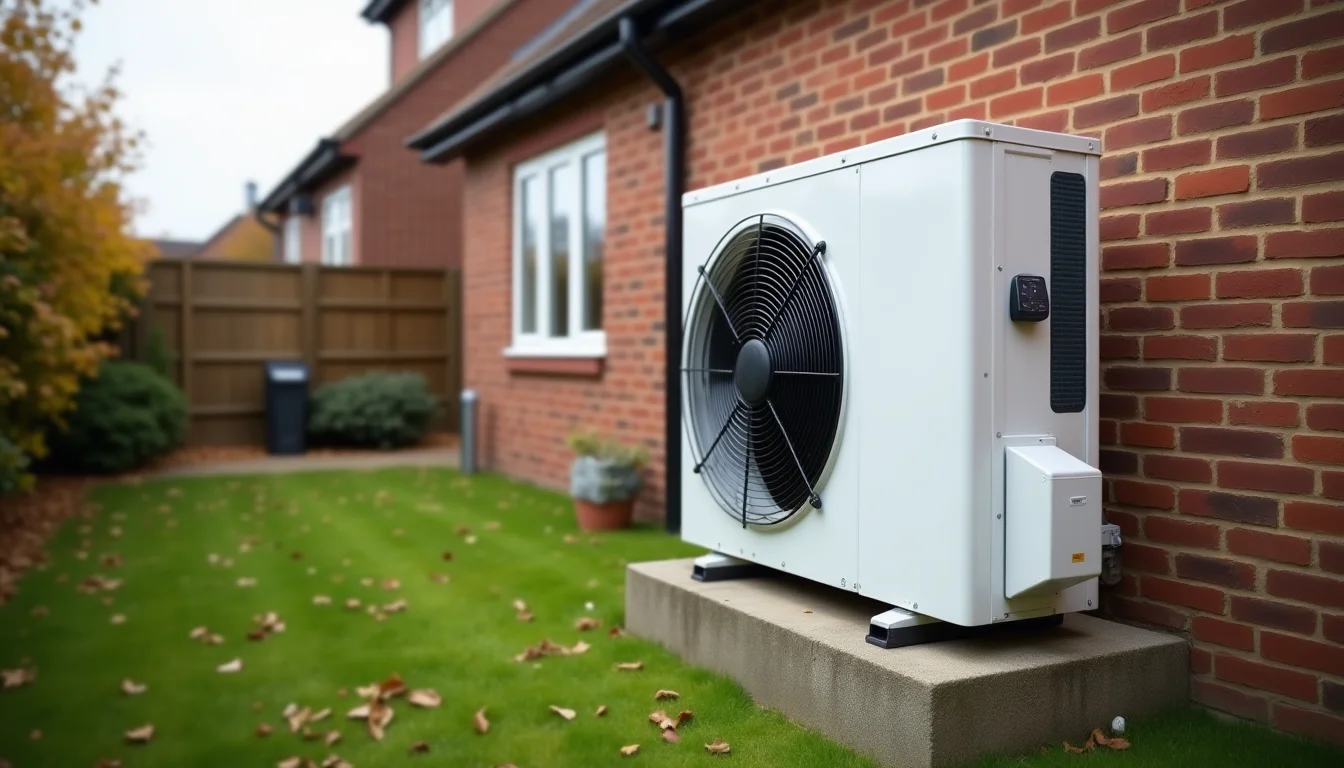
Reports are circulating that the government is considering cuts to heat pump subsidies, including the £7,500 Boiler Upgrade Scheme grant, to help fund increased defence spending. Nothing has been confirmed yet, but the political direction is clear: defence budgets are rising and the money has to come from somewhere. If you've been thinking about a heat pump, the smartest move is to get your application in now while the full grant is still available.
Why Are Heat Pump Grants Under Threat?
The UK government committed in 2026 to raising defence spending to 2.5% of GDP by the end of the decade. That's an extra £15 billion to £20 billion a year that needs to be found, and Treasury officials are reportedly looking at every area of public spending for savings.
Green home energy programmes have been cut before. The Green Deal collapsed in 2015. The Green Homes Grant voucher scheme launched in 2020 and was scrapped within a year. The pattern is familiar: environmental schemes are politically easier to trim than NHS budgets or pensions.
The Boiler Upgrade Scheme currently has funding allocated through to March 2028, according to gov.uk. But allocated doesn't mean guaranteed. The Treasury can redirect funds with relatively little notice, and there's no legal obligation to maintain the grant at £7,500.
What Exactly Could Change?
There are several ways the government could reduce spending on heat pump subsidies without scrapping the scheme entirely.
The most likely scenario is a reduction in the grant amount. Dropping from £7,500 to £5,000 would save roughly £100 million a year based on current uptake rates. That's not a huge sum in defence terms, but it would be part of a wider package of cuts across departments.
Another option is tightening eligibility. The scheme could be restricted to lower-income households, or limited to properties with a certain EPC rating. Means testing would add bureaucracy but would reduce the overall spend.
A third possibility is simply capping the number of grants issued each quarter. We saw something similar in the early days of the scheme when installers reported long waits for voucher approvals.
How the £7,500 BUS Grant Works Right Now
The Boiler Upgrade Scheme gives homeowners in England and Wales a £7,500 upfront discount on the cost of installing an air source or ground source heat pump. You don't apply for the grant yourself. Your MCS certified installer applies on your behalf through Ofgem's portal, and the money comes off your quote before you pay.
To qualify, your property needs to have a valid Energy Performance Certificate and you must be replacing a fossil fuel heating system. New builds aren't eligible. The full eligibility criteria are set out on the Ofgem BUS page.
Right now, the grant covers roughly a third of a typical installation. Take a three-bedroom semi-detached house in Kent. A full air source heat pump installation might be quoted at £12,500 including the unit, hot water cylinder, pipework modifications and controls. With the £7,500 BUS grant deducted, the homeowner pays £5,000. If the grant dropped to £5,000, that same installation would cost £7,500 out of pocket. That's a £2,500 difference, and for many households it would be the difference between going ahead and putting the project off.
You can check whether your property qualifies with our guide to Boiler Upgrade Scheme eligibility in 2026.
What Should Homeowners Do Right Now?
If you've been on the fence about a heat pump, this is the push to act. Not in a panic, but with purpose.
Start by getting quotes from two or three MCS certified installers in your area. A proper heat pump survey takes about two hours, and you should have quotes back within a week or two. Don't wait until a cut is announced, because at that point everyone else will be rushing to beat the deadline and installer diaries will be packed.
Once you accept a quote, your installer submits the BUS grant application. Ofgem typically processes these within three to four weeks. The voucher is valid for three months from the date of issue, giving you time to schedule the actual installation.
The key point: the grant amount is locked in at the level that applies when your voucher is issued. So even if a cut is announced after your voucher has been approved, you'd still get the full £7,500. Getting your application in early is genuine protection.
And don't just look at the BUS grant in isolation. If your household income is below £36,000, you might also qualify for the Warm Homes: Local Grant, which can cover even more of the cost.
"I'm Worried About Getting a Heat Pump Just Before the Rules Change"
This is probably the biggest concern right now. People don't want to commit thousands of pounds if the government is about to change the support structure around heat pumps.
Here's the thing: the grant is separate from everything else that makes a heat pump a good investment. Gas prices are still high. The average UK gas bill sits at around £1,000 a year for a typical household, and wholesale gas prices remain volatile. A well-installed heat pump in an insulated home will cost less to run than a gas boiler, grant or no grant.
Property values matter too. Research from Nesta published in 2024 found that homes with energy-efficient heating, including heat pumps, sold for a premium of around 1.5% to 2% compared to equivalent properties without them. That effect isn't going away if the grant changes.
The risk of waiting is real. If the grant is cut to £5,000 or lower, you'll spend more. If the grant is scrapped entirely, as some commentators have suggested could happen by 2028, you'll have missed the window altogether. The £7,500 discount is available today. Treat it as what it is: a time-limited opportunity, not a permanent feature of the housing market.
Could Other Grants Be Affected Too?
It's not just the BUS grant that could be under pressure. The government's wider Warm Homes Plan includes several funding streams that could face reductions.
Scottish homeowners should be aware that their own grant programmes, run through Home Energy Scotland, have separate funding and aren't directly affected by UK defence spending decisions. But budgets are tight everywhere. If you're in Scotland, our guide to heat pump grants in Scotland covers what's currently available.
For homeowners in England and Wales, the BUS grant remains the single biggest financial incentive. It's worth getting your application submitted sooner rather than later, regardless of what happens in the Autumn Statement or any mid-year spending review.
FAQ
Is the £7,500 heat pump grant being scrapped?
Nothing has been confirmed. The government is reportedly considering reductions to heat pump subsidies to fund defence spending increases, but the Boiler Upgrade Scheme is still open and accepting applications at the full £7,500 level as of October 2026.
How do I lock in the heat pump grant before it gets cut?
Get quotes from MCS certified installers and accept one. Your installer then applies for the BUS grant through Ofgem. Once the voucher is issued, the grant amount is fixed at the current level, even if changes are announced afterwards. The voucher is valid for three months.
Can the government cut the BUS grant without notice?
Technically, yes. Grant schemes can be altered or closed with relatively short notice. Previous schemes like the Green Homes Grant were wound down faster than expected. Vouchers already issued would normally be honoured, but future applications could face a reduced amount.
Will heat pumps still be worth it without the grant?
For most homes replacing a gas boiler, a heat pump still reduces running costs over its 20-year lifespan. The grant makes the upfront investment much more manageable, but the long-term economics of lower energy bills and potential property value increases hold up independently. Our guide on whether heat pumps are worth it financially breaks down the numbers in detail.
How long does it take to get a heat pump installed through the BUS grant?
From first enquiry to a working heat pump typically takes 6 to 12 weeks. That includes the survey, quote, grant application, and the installation itself, which usually takes 2 to 4 days on site. If demand spikes due to grant cut announcements, expect longer waiting times for installer availability.
If this news has made you think about acting sooner rather than later, the first step is finding a trusted local installer. You can browse MCS certified heat pump installers near you and get the process started today. The grant is still £7,500. Whether it stays that way is genuinely uncertain.
Ready to talk to an installer?
Compare the listed firms, then check current MCS status, service coverage and any grant registration directly. Contact routes are shown when a firm has published one.
Related guides
- Heat Pump Grants in Scotland 2026 — Home Energy Scotland
Scottish homeowners can stack Home Energy Scotland loans and cashback with the £7,500 BUS grant. Here's exactly how much you can get and how to apply in 2026.
- Warm Homes: Local Grant 2026 — The Complete Homeowner Guide
Warm Homes: Local Grant 2026 explained for UK homeowners. Eligibility, income thresholds, funded measures including heat pumps, and how to apply through your council.
- Boiler Upgrade Scheme Eligibility 2026 — Does Your Home Qualify?
Check every BUS grant eligibility rule for 2026 — property type, tenure, EPC changes, listed buildings, park homes and more. Find out if your home qualifies.