
Does a Heat Pump Add Value to Your Home? What Homeowners Need to Know in 2026
Find out exactly how much value a heat pump adds to UK homes in 2026, with real property data, EPC improvements, and ROI calculations you can trust.

Written by Heat Pump Buddy
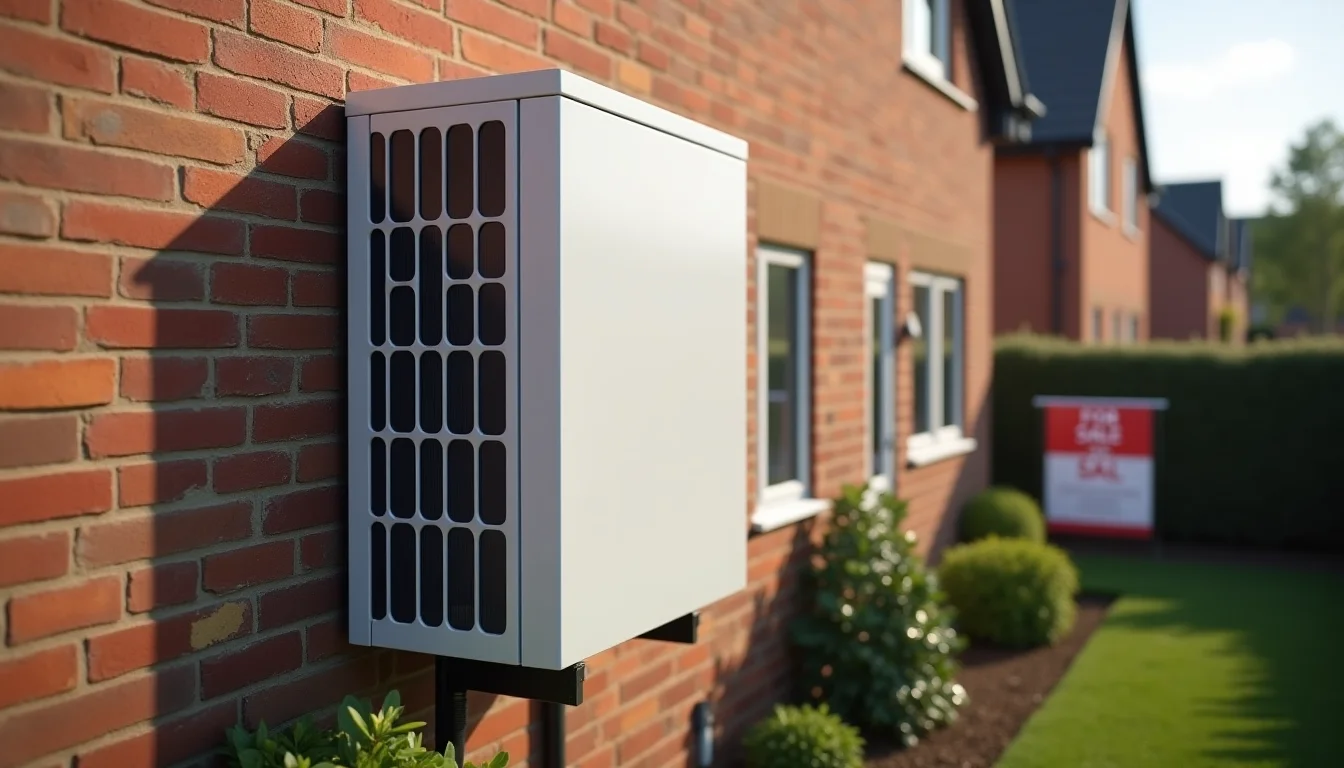
Yes, a heat pump does add value to your home. Research from Rightmove and the Department for Energy Security and Net Zero shows that homes with higher EPC ratings sell for between 5% and 16% more than equivalent properties with lower ratings. When you factor in annual energy savings of £300 to £900 and the £7,500 Boiler Upgrade Scheme grant, the real cost of installation can pay for itself well before you sell.
How Much Value Does a Heat Pump Add to a UK Home?
Let's start with the numbers. A 2024 study by Rightmove found that homes rated EPC C or above sold for an average of 5.4% more than similar homes rated D or below. For properties that jumped from an E or F rating up to a C, the premium was even higher.
Installing a heat pump typically pushes an EPC rating up by one to three bands. A three-bed semi with an EPC D that moves to a B or C could see a price increase of £10,000 to £25,000 on a property worth £280,000. That's a substantial return on a system that costs between £7,000 and £14,000 after the government grant.
The Office for National Statistics has also tracked a growing gap between energy-efficient and inefficient homes. Buyers aren't just looking at kitchens and gardens any more. They're checking the energy bill estimate on the EPC certificate.
Why Are Buyers in 2026 Paying More for Energy-Efficient Homes?
Two things have changed the market. First, energy prices remain significantly higher than pre-2022 levels. The Ofgem price cap sits around £1,568 per year for a typical dual-fuel household in 2026. Buyers know this and they're pricing running costs into their offers.
Second, the government's proposed changes to minimum EPC standards for rental properties and the longer-term trajectory towards net zero have made low-rated homes less attractive. Nobody wants to buy a house and then face a £10,000 retrofitting bill within a few years.
Frankly, the shift is straightforward. A home that costs £800 a year less to heat is worth more. Buyers can see that on paper and they're acting on it.
Calculating the Real Return on Investment for a Heat Pump
Here's a worked example. Take a 1990s-built detached house in the Midlands, currently heated by an ageing gas boiler.
Costs:
- Air source heat pump installation: £12,000 to £14,000
- BUS grant deduction: -£7,500
- Net cost to homeowner: £4,500 to £6,500
Annual savings:
- Typical gas bill (old boiler, EPC D): £1,400
- Typical electricity cost (heat pump, EPC B): £700 to £900
- Annual saving: £500 to £700
Property value increase:
- Estimated EPC improvement: D to B
- Estimated price premium: 5% to 8%
- On a £300,000 house: £15,000 to £24,000
So even in the most conservative scenario, you've spent £6,500 out of pocket, you're saving £500 a year on energy, and your home is worth £15,000 more. That's a net gain of over £8,000 before you've saved a penny on bills. And every year you stay in the house, the savings stack up further.
Will every home see those exact figures? No. Older properties that need significant insulation work first will cost more upfront. But the direction is clear.
How the £7,500 Boiler Upgrade Scheme Grant Changes the Maths
The Boiler Upgrade Scheme (BUS) offers £7,500 towards the cost of an air source or ground source heat pump. It's available in England and Wales and the grant is paid directly to your installer, so you never need to find the full amount upfront.
To qualify, your property needs a valid EPC certificate (any rating), and the installation must be carried out by an MCS certified installer. The grant covers one application per property, and you can't have received a previous BUS voucher for the same home.
The BUS is currently funded through to March 2028, but uptake has been increasing steadily. In 2025, the scheme saw record quarterly applications. If you're considering a heat pump, applying sooner rather than later makes sense.
This grant is what turns a heat pump from a decent long-term investment into a genuinely strong financial decision. Without it, a £13,000 installation might take 15 years to pay back through energy savings alone. With it, your breakeven point drops to 7 to 10 years, and you get the property value uplift on top.
"But What If I Can't Sell a House With a Heat Pump?"
This is probably the most common concern we hear. Some homeowners worry that buyers will be put off by unfamiliar technology, or that a heat pump might actually make a property harder to sell.
The data doesn't support this. A 2023 survey by the Energy Saving Trust found that 73% of prospective buyers considered energy efficiency important or very important in their purchasing decision. By 2026, with higher energy costs baked into household budgets, that number has only grown.
There's also a practical point here. A well-installed heat pump by an MCS certified installer comes with proper commissioning, a warranty, and documentation. It's not some DIY project in the garage. It's a professionally fitted heating system with government backing.
Have some estate agents reported buyer hesitation? Yes, particularly in rural areas where ground source systems are more common and buyers may not understand them. But this is becoming less of an issue every quarter as installations increase across the UK. Over 250,000 heat pumps have now been installed in British homes.
The best thing you can do is keep your MCS certificate, warranty documents, and annual service records. A buyer who can see a well-maintained system with paperwork is a buyer who feels confident.
Does the Type of Heat Pump Matter for Property Value?
It does, but perhaps not in the way you'd expect. Air source heat pumps are by far the most common in the UK, accounting for around 85% of domestic installations. Buyers and surveyors are familiar with them, and most estate agents can describe them confidently.
Ground source heat pumps cost more to install but deliver higher efficiency and lower running costs. They can push your EPC rating even higher. For larger rural properties, a ground source system can be a genuine selling point because it signals very low heating costs for years to come.
Hybrid systems, which pair a heat pump with an existing gas boiler, won't give you the same EPC boost. They're a sensible middle ground for some homes, but they won't attract the same buyer premium as a full heat pump system.
Frequently Asked Questions
Does a heat pump increase house value UK?
Yes. UK property data shows homes with higher EPC ratings, which a heat pump typically delivers, sell for 5% to 16% more than comparable properties with lower ratings. On a £280,000 home, that could mean £14,000 to £25,000 in added value.
How much does a heat pump cost after the government grant?
After the £7,500 BUS grant, most homeowners pay between £4,500 and £8,500 for a fully installed air source heat pump. Ground source systems cost more, typically £8,000 to £15,000 after the grant, depending on the property and ground conditions.
Do heat pumps put buyers off?
The evidence says no. Energy Saving Trust research shows the large majority of buyers consider energy efficiency important when choosing a home. A professionally installed, well-documented heat pump is a selling point, not a drawback.
How long does it take for a heat pump to pay for itself?
With the £7,500 grant, most homeowners see payback through energy savings alone within 7 to 12 years. If you factor in the property value increase from a better EPC rating, the financial return can be immediate at the point of sale.
Is 2026 a good time to get a heat pump installed?
Yes. The £7,500 BUS grant is still available, energy prices remain high enough that savings are significant, and the installer market has matured with thousands of MCS certified companies operating across the UK. Waiting risks changes to grant availability and potentially higher installation costs.
If you're ready to explore what a heat pump could do for your home and your property's value, use our directory to find a local MCS certified installer at heatpumpinstallerdirectory.co.uk. You can compare quotes, check credentials, and get the process started with installers who know your area.
Ready to talk to an installer?
Every firm in the directory is MCS-certified, with reviews and grant registration shown on its listing.
Related guides
- Air Source Heat Pump Installation Cost UK 2026 — Full Breakdown
What does an air source heat pump really cost in 2026? We break down unit prices, labour, extras, running costs and grants so you can budget properly.
- Heat Pump vs Boiler Replacement Cost: Which Is Cheaper in 2026?
Heat pump or new boiler in 2026? We compare upfront costs, the £7,500 BUS grant, running costs, and 10-15 year totals so you can make the right call.
- Heat Pump Electricity Tariffs UK 2026: Which Is the Cheapest for Running Your Heat Pump?
We compare every major heat pump electricity tariff in the UK for 2026, with real annual running costs. The difference between best and worst? Over £400 a year.