
Heat Pump Installation Cost in London 2026 — What to Expect
What does a heat pump really cost in London in 2026? We break down prices by borough, explain the London premium, and show how to claim your £7,500 grant.

Written by Heat Pump Buddy
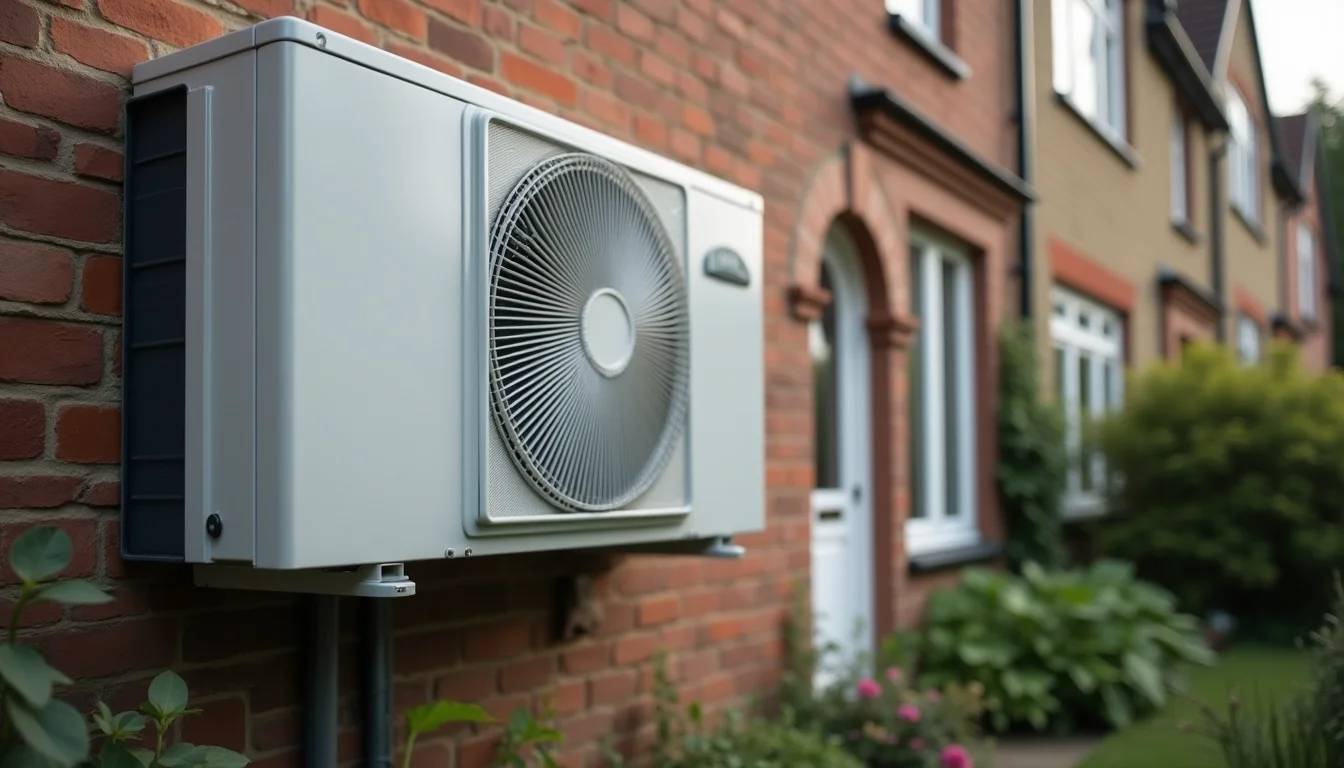
The average heat pump installation cost in London in 2026 sits between £10,000 and £18,000 before the £7,500 BUS grant, depending on the type of system and property size. That's roughly 10-20% more than the national average, and honestly, that premium catches a lot of homeowners off guard. After the grant, you're typically looking at an out-of-pocket spend of £2,500 to £10,500 for a fully installed system.
Why Does Heat Pump Installation Cost More in London?
London adds a premium to almost every trade, and heat pumps are no different. Higher labour rates, congestion charges for installer vans, permit parking costs, and the sheer difficulty of working on terraced and semi-detached homes with limited outdoor space all push prices up.
Installer overheads in the capital are significant. A qualified MCS certified engineer based in Zone 2-4 faces commercial rents, higher insurance, and longer travel times between jobs than someone working in the Midlands. Those costs get passed on.
There's also the issue of demand. London boroughs like Hackney, Islington, and Camden have some of the highest heat pump enquiry rates in the country, and the number of MCS certified installers hasn't quite kept pace. When demand outstrips supply, prices firm up.
Heat Pump Installation Cost in London: A Borough-by-Borough Picture
Prices don't vary wildly between boroughs, but there are patterns worth knowing about.
In outer boroughs like Bromley, Croydon, Havering, and Enfield, air source heat pump installations tend to sit at the lower end of the London range, typically £9,500 to £14,000 before the grant. Properties here tend to have more outdoor space, driveways for equipment delivery, and easier access for installation crews.
Inner London boroughs such as Westminster, Kensington & Chelsea, and Camden push costs toward the higher end of the scale, often £13,000 to £18,000 or more. Limited space for outdoor units, listed building considerations, and restricted working hours all add up.
Here's a rough guide for 2026 London pricing before the grant:
| System Type | Typical London Range | National Average |
|---|---|---|
| Air source heat pump (ASHP) | £10,000 – £16,000 | £8,000 – £13,000 |
| Ground source heat pump (GSHP) | £18,000 – £35,000 | £15,000 – £28,000 |
| Hybrid heat pump | £6,000 – £10,000 | £5,000 – £9,000 |
Ground source systems are rare in inner London for obvious reasons. You need garden space for boreholes or trenches, and most Zone 1-3 properties simply don't have it.
What's Actually Included in the Installation Price?
A proper quote from a reputable installer should cover the full package, not just the heat pump unit itself. If you're only being quoted for the box on the wall, ask more questions.
A full installation typically includes:
- The heat pump unit
- Hot water cylinder (usually 200-300 litres)
- New pipework and any necessary radiator upgrades
- Controls and thermostat
- MCS certification and commissioning
- Building regulations notification
- Scaffolding if needed
Radiator upgrades are where costs can creep up unexpectedly. Heat pumps run at lower flow temperatures than gas boilers, so some of your existing radiators may need to be swapped for larger ones. In a typical 3-bed London terrace, you might need to replace 3-5 radiators, adding £1,500 to £3,000 to the total bill.
And don't forget the hot water cylinder. If your current system is a combi boiler with no cylinder, you'll need space for one. In London flats and smaller homes, finding that space can be a real headache.
How the £7,500 Boiler Upgrade Scheme Grant Works in London
The Boiler Upgrade Scheme (BUS) offers £7,500 toward air source and ground source heat pump installations for homeowners in England and Wales. It's available in 2026 and is applied as a discount on your installation invoice, so you don't need to find the full amount upfront.
To qualify, your property must:
- Have a valid EPC (Energy Performance Certificate)
- Not be a new build
- Use an MCS certified installer who applies on your behalf
- Be replacing a fossil fuel heating system (gas, oil, LPG, or electric)
The installer handles the grant application through Ofgem. You won't be chasing paperwork yourself.
Let's put some real numbers on this. Say you're in a 3-bed semi in Lewisham and you've been quoted £12,500 for an air source heat pump, including a new hot water cylinder and four upgraded radiators. With the £7,500 BUS grant, your actual cost drops to £5,000. If you're replacing an old gas boiler, your annual running costs should be broadly similar or slightly lower, especially if you're on a heat pump electricity tariff like the ones offered by Octopus Energy or OVO.
Some London boroughs offer additional local grants or interest-free loans. Islington, for instance, has historically offered home energy improvement grants. Check your local council's website for anything current in 2026, because these smaller pots of funding come and go.
"Will a Heat Pump Actually Save Me Money in London?"
This is the big question, and the honest answer is: it depends on what you're replacing and how well your home is insulated.
If you're replacing an old G-rated gas boiler in a draughty Victorian terrace with no loft insulation, a heat pump alone won't slash your bills. You'd need to insulate first, or at least alongside the installation. But if your home has reasonable insulation (cavity wall or solid wall insulation, loft insulation to 270mm, double glazing), then an air source heat pump will typically match or beat a modern gas boiler on running costs.
Gas prices in 2026 sit around 7p per kWh. Electricity is roughly 24p per kWh. A well-installed heat pump with a seasonal COP of 3.0 to 3.5 effectively delivers heat at around 7-8p per kWh, putting it neck and neck with gas. On a dedicated heat pump tariff with cheaper off-peak rates, you can bring that lower.
The real savings come over 15-20 years. Heat pumps last 20-25 years versus 12-15 for a gas boiler. There's no annual gas safety certificate. And when the government eventually adjusts energy levies to shift costs from electricity to gas (which has been discussed for years), the economics will tip further in favour of heat pumps.
Frankly, if you're already spending £1,500 or more a year on gas heating, you should get a proper quote and see the numbers for your specific house.
How to Get a Fair Price From a London Heat Pump Installer
Get at least three quotes. This isn't just standard advice; it's essential in London where pricing varies more than in other regions.
Every installer you speak to should be MCS certified. This isn't optional. Without MCS certification, you can't claim the £7,500 BUS grant, and you have no guarantee the installation meets the required standards.
A good installer will want to do a home survey before quoting. If someone gives you a firm price over the phone without seeing your property, that's a red flag. They need to assess your insulation, check your radiators, measure your outdoor space, and calculate your heat loss.
Ask about the specific heat pump model being proposed and look up its SCOP rating. Ask whether the quote includes all radiator upgrades. Ask about the warranty and what happens if something goes wrong in year three. Good installers welcome these questions.
Be cautious about extremely low quotes. A price significantly below the range above usually means something's being left out, or corners are being cut.
Frequently Asked Questions
How much does a heat pump cost to install in London in 2026?
A typical air source heat pump installation in London costs £10,000 to £16,000 before the £7,500 BUS grant. After the grant, most homeowners pay between £2,500 and £8,500 out of pocket. Ground source systems cost significantly more, usually £18,000 to £35,000.
Can I get a heat pump installed in a London flat?
It's possible but tricky. You'll need permission from your freeholder or management company, adequate outdoor space for the unit (or a suitable balcony), and the installation must meet planning and noise regulations. Some purpose-built flats are suitable, but most conversions in older buildings are not.
Is the £7,500 heat pump grant available in London?
Yes. The Boiler Upgrade Scheme grant of £7,500 is available across England and Wales, including all London boroughs. Your installer must be MCS certified and will apply to Ofgem on your behalf. The grant is deducted from your invoice, so you only pay the remaining balance.
Why is heat pump installation more expensive in London than the rest of the UK?
Higher labour costs, parking and congestion charges, limited property access, and strong demand all push London prices up by 10-20% compared to the national average. Inner borough installations tend to be more expensive than outer borough ones due to space constraints and access difficulties.
How long does a heat pump installation take in London?
Most air source heat pump installations take 2-4 days. If you need significant radiator upgrades, a new hot water cylinder, or work in a property with access issues, it can stretch to 5 days. Ground source installations with borehole drilling take longer, typically 1-2 weeks.
If you're ready to get quotes from vetted, MCS certified heat pump installers in your part of London, use heatpumpinstallerdirectory.co.uk to find local professionals who know the capital's housing stock. Every installer listed is MCS certified, and you can request up to three quotes with no obligation.
Ready to talk to an installer in London?
Every firm in the directory is MCS-certified, with reviews and grant registration shown on its listing.
Related guides
- Heat Pump Installers in Oxford — Trusted MCS Certified Installers
Looking for heat pump installers in Oxford? Find MCS certified professionals who understand period homes, conservation areas and the £7,500 BUS grant.
- Best Heat Pump Installers in North London — Trusted Local Companies
Looking for trusted heat pump installers in North London? Find MCS certified local companies in Barnet, Enfield, Camden and more, plus how to claim £7,500.
- Heat Pump Installers in Nottingham — Trusted Local Companies
Looking for heat pump installers in Nottingham? Find out what MCS certified local companies charge, how to claim the £7,500 grant, and what suits Nottingham homes.