
Heat Pump Installers in the South East — London, Brighton & Surrey
Find MCS certified heat pump installers across London, Brighton and Surrey. Regional grant info, conservation area advice and real costs for South East homeowners in 2026.

Written by Heat Pump Buddy
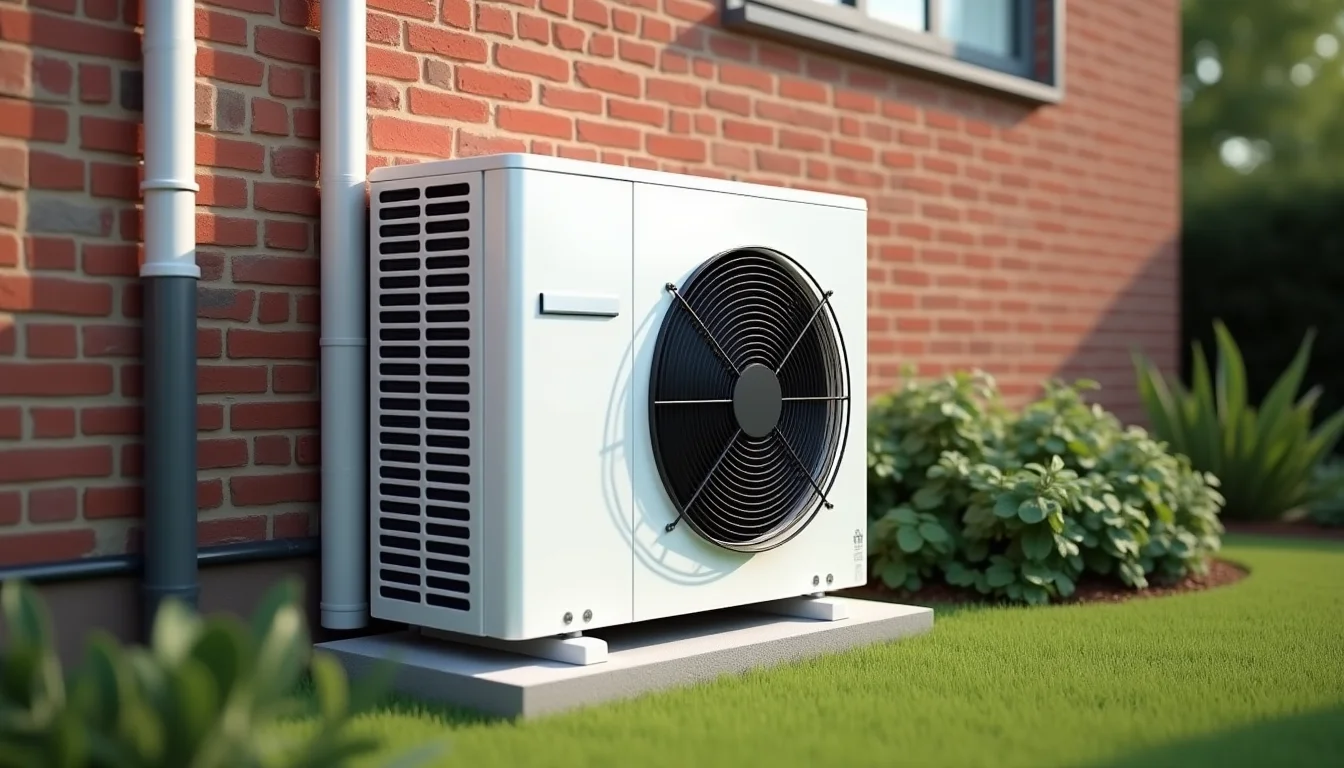
The South East has more MCS certified heat pump installers per square mile than almost anywhere else in the UK. Whether you're in a terraced house in Brixton, a period cottage in Dorking, or a new-build in Crawley, there's likely an experienced installer within 30 minutes of your front door. The £7,500 Boiler Upgrade Scheme grant applies across England, and the South East's relatively mild climate makes heat pumps perform at their best.
Why the South East Is Well Suited to Heat Pumps
South East England has average winter temperatures around 4-6°C, which is warmer than much of the country. That matters because air source heat pumps become more efficient as outdoor temperatures rise. A system running in Guildford will typically deliver a higher seasonal coefficient of performance (SCOP) than the same unit installed in Newcastle.
The region also has strong installer coverage. According to MCS data, there are hundreds of certified heat pump installers registered across Greater London, Surrey, Kent, East Sussex and West Sussex. Competition between installers tends to keep quote prices reasonable, even though London labour rates push costs slightly higher than the national average.
And the housing stock is varied enough that most installers working this patch have dealt with everything from Victorian semis to 1960s bungalows to brand-new developments. That breadth of experience counts for a lot.
Finding Heat Pump Installers in London
London is a different beast. Space is tighter, parking permits cause headaches on installation day, and plenty of properties sit within conservation areas. But heat pumps are being installed across every borough, from Enfield to Sutton.
The biggest practical issue in London is outdoor space. An air source heat pump unit needs roughly a metre of clearance around it for airflow, and it should sit at least one metre from your neighbour's boundary under permitted development rules. If your garden is very small or you only have a front yard, it's worth reading our guide on how to install a heat pump in a small garden or tight space.
Noise is the other concern Londoners raise. Modern units from Vaillant, Daikin and Samsung typically run at 40-50 dB at one metre, which is about the same as a fridge. In a city where you can hear buses, sirens and foxes at 3am, a heat pump is barely noticeable.
For a detailed breakdown of costs specific to the capital, have a look at our heat pump installation cost in London 2026 guide. You can also browse heat pump installers in Greater London or narrow it down to installers in London itself.
Heat Pump Installers in Brighton and the Sussex Coast
Brighton and Hove have been early adopters of heat pumps, partly because the council has been proactive about decarbonisation and partly because there's a strong environmental ethos among residents. The city's mix of Regency townhouses and newer developments means installers here tend to know their way around listed buildings and conservation area applications.
If you're in a conservation area in Brighton, you won't automatically need planning permission for a heat pump. Under permitted development rights, air source heat pumps are allowed on most homes as long as they meet noise limits and don't sit on a wall or roof facing a highway. But if you're in a listed building, you'll need listed building consent, and that adds time and paperwork. A good local installer will know the drill and can advise before you commit.
We've written a dedicated guide to heat pump installers in Brighton, and you can find MCS certified companies across East Sussex and West Sussex including towns like Horsham and Crawley.
Heat Pump Installers in Surrey — What You Need to Know
Surrey is one of the most interesting counties for heat pump installations. It's got a high proportion of detached and semi-detached homes with decent gardens, which makes the physical installation straightforward. But it also has a huge number of conservation areas and Areas of Outstanding Natural Beauty, particularly around the Surrey Hills.
Towns like Dorking, Epsom and Camberley each have their own character. In Dorking, you'll find a lot of older properties where insulation levels might need attention before a heat pump is installed. In Camberley and Frimley, there are more modern estates where a heat pump can often be a straightforward swap for an ageing gas boiler.
Surrey homeowners often have larger houses, which means you'll typically need an 8-12 kW system rather than the 5-7 kW unit that suits a smaller terrace. Sizing matters a lot for efficiency. Get it wrong and you'll either waste electricity or struggle to heat the house properly. Our heat pump sizing and cost guide walks you through how to check what you need.
You can browse all heat pump installers in Surrey to find MCS certified companies near you.
The £7,500 Boiler Upgrade Scheme Grant in the South East
The Boiler Upgrade Scheme (BUS) provides a £7,500 grant towards the cost of an air source or ground source heat pump. It's available across England and Wales, so every homeowner in London, Surrey, Sussex and Kent can apply. The grant is paid directly to your installer, so it comes off your quote rather than being something you claim back afterwards.
To qualify, your property must have an up-to-date Energy Performance Certificate (EPC) with no outstanding loft or cavity wall insulation recommendations. You must also be replacing a fossil fuel heating system, not adding a heat pump alongside an existing one. New-builds don't qualify. The full eligibility criteria are set out on gov.uk.
The scheme is currently funded until March 2028, but the budget is allocated on a first-come, first-served basis each financial year. If you're planning an installation in 2026, it's worth getting your installer to apply for the voucher sooner rather than later. Our BUS eligibility guide for 2026 covers every detail.
For homeowners on lower incomes, the Warm Homes: Local Grant may cover a larger share of the cost or even the full amount. It's means-tested and delivered through local authorities, so availability varies by area.
What a Heat Pump Actually Costs in the South East After the Grant
Take a three-bedroom 1930s semi in Epsom. It's got cavity wall insulation, a recently installed loft insulation top-up, and an EPC rating of D. The homeowner gets three quotes for a 9 kW Vaillant Arotherm Plus air source heat pump, including a new 200-litre hot water cylinder, updated controls and minor radiator upgrades in two rooms.
The quotes come in at £11,800, £12,400 and £13,100. The homeowner goes with the middle quote at £12,400. After the £7,500 BUS grant is deducted, they pay £4,900 out of pocket. They could spread that cost further using 0% interest finance, which some installers offer over 12-24 months. Our guide to heat pump finance options explains what's available.
Running costs will depend on the electricity tariff, but the Energy Saving Trust estimates that a well-installed heat pump in a home like this would cost around £600-£800 per year to run. That compares to roughly £900-£1,100 on gas at current prices, and the gap widens once you factor in rising gas costs and the option to pair the heat pump with solar panels.
Conservation Areas and Period Properties — Can You Still Get a Heat Pump?
This is the single biggest concern we hear from South East homeowners, and rightly so. Surrey alone has over 200 conservation areas. London boroughs like Richmond, Greenwich and Camden are packed with them. And Brighton's Regency architecture attracts serious scrutiny from planners.
But here's the thing: living in a conservation area doesn't automatically prevent you from installing a heat pump. Permitted development rights still apply in most cases, as long as the outdoor unit isn't on a wall or roof that faces a road, and it meets the noise criteria set out in MCS 020 planning standards. The unit usually goes in a rear garden or a side return, out of sight from the street.
Listed buildings are a different matter. You'll need listed building consent, which your local planning authority handles. The application typically takes 8-12 weeks. A good installer will help you prepare the supporting documents, and some have experience working with heritage officers to find acceptable solutions.
If your home has solid walls, no cavity insulation and single-glazed windows, you may need to improve insulation before a heat pump will work efficiently. That doesn't mean you can't have one. It just means the installer should do a proper heat loss calculation first. Our guide to heat pumps in old houses covers this in depth.
How to Choose the Right Installer in the South East
With so many installers operating across the region, how do you pick the right one? Start with MCS certification. It's non-negotiable if you want the BUS grant, and it also means the installer is regularly audited against quality standards.
Beyond that, look for an installer who has fitted heat pumps in properties similar to yours. If you've got a Victorian terrace, ask for examples of similar work. If you're in a conservation area, check whether they've dealt with planning constraints before.
Always get at least three quotes. Prices in the South East vary more than you'd expect, partly because some installers subcontract work and others do everything in-house. Our guide on questions to ask a heat pump installer is worth reading before you start making calls. And if anything feels off, check our red flags guide to know what to watch for.
Frequently Asked Questions
How much does a heat pump cost in London in 2026?
A typical air source heat pump installation in London costs between £10,000 and £15,000 before the grant, depending on the property size and system chosen. After the £7,500 BUS grant, most London homeowners pay between £3,000 and £7,500 out of pocket. Labour rates in London tend to be 10-15% higher than the rest of the South East.
Do I need planning permission for a heat pump in a conservation area?
In most cases, no. Air source heat pumps fall under permitted development rights as long as the outdoor unit doesn't face a highway and meets noise limits. If your property is listed, you'll need listed building consent, which is a separate application handled by your local council. Your installer should be able to advise on this before work begins.
Can I get a heat pump in a terraced house in Brighton?
Yes. Terraced houses can have heat pumps installed, usually with the outdoor unit placed in a rear garden or yard. Space can be tight, but modern units are compact and some are designed specifically for restricted locations. An experienced Brighton installer will have dealt with this many times.
How long does it take to get a heat pump installed in Surrey?
From first survey to a working system, expect around 4-8 weeks. The survey and quote stage takes a week or two, the BUS grant voucher application takes a few days, and the physical installation is usually completed in 2-3 days. If you need planning permission, add another 8-12 weeks for the listed building consent process.
Is the £7,500 heat pump grant still available in 2026?
Yes. The Boiler Upgrade Scheme is funded until March 2028 and remains open for applications in 2026. The £7,500 grant covers air source and ground source heat pumps for homeowners in England and Wales who are replacing a fossil fuel heating system. Your installer applies for the voucher on your behalf.
If you're ready to get quotes from MCS certified companies near you, find heat pump installers in Surrey, Greater London or East Sussex to get started.
Ready to talk to an installer in London?
Compare the listed firms, then check current MCS status, service coverage and any grant registration directly. Contact routes are shown when a firm has published one.
Related guides
- Heat Pump Installers in the Midlands — Coventry & Leicester
Find MCS certified heat pump installers in Coventry, Leicester and the wider Midlands. Local housing tips, the £7,500 BUS grant, and how to get competitive quotes.
- Heat Pump Installers in the North West — Manchester & Liverpool
Find MCS certified heat pump installers across Manchester, Liverpool and the wider North West. Covers grants, Victorian terraces, coastal homes and real costs in 2026.
- Heat Pump Installers in the South West — Bristol & Plymouth
Find MCS certified heat pump installers across the South West, from Bristol to Plymouth. Local grant info, rural off-grid options, and what coastal homes need to know.