
Heat Pump Installers in the North West — Manchester & Liverpool
Find MCS certified heat pump installers across Manchester, Liverpool and the wider North West. Covers grants, Victorian terraces, coastal homes and real costs in 2026.

Written by Heat Pump Buddy
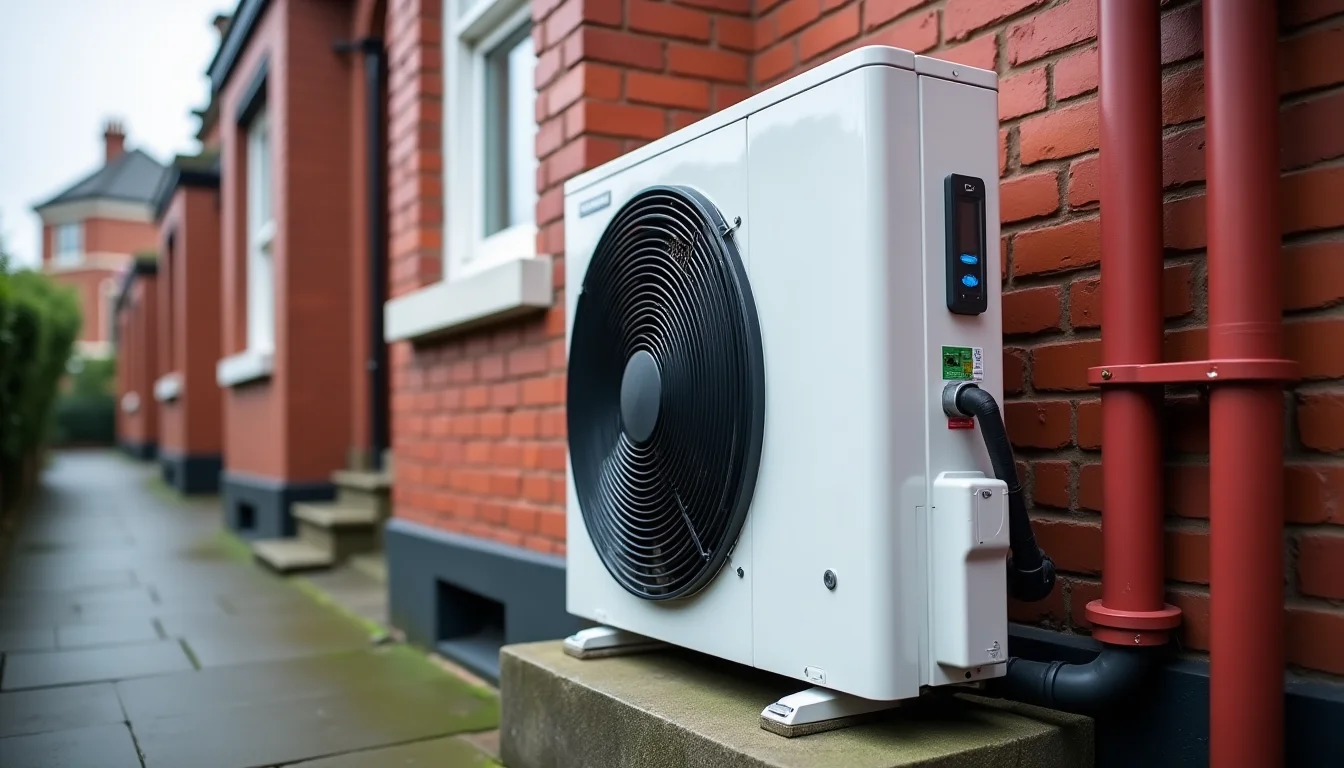
The North West has a growing number of MCS certified heat pump installers covering Greater Manchester, Merseyside, Lancashire and Cheshire. You can claim the £7,500 Boiler Upgrade Scheme grant on most existing homes in the region, and local installers know how to handle everything from back-to-back terraces in Salford to exposed coastal properties on the Wirral. This guide covers how to find the right installer, what to expect on costs, and the area-specific issues that matter most.
Why MCS Certification Matters for North West Heat Pump Installers
MCS certification isn't optional if you want the government grant. The Microgeneration Certification Scheme is the industry standard that proves an installer has been independently assessed on design, installation and consumer protection. Without it, your install won't qualify for the £7,500 BUS grant, and you won't have access to the MCS complaints process if something goes wrong.
In 2026, the MCS database lists several hundred certified heat pump installers operating across the North West. That sounds like plenty, but not all of them will have specific experience with the property types common in this region. A certified installer in rural Cheshire may rarely work on dense Victorian terraces. Ask every installer you contact how many similar properties they've completed.
For more on what MCS actually means in practice, our guide on what MCS certification is and why it matters breaks it down.
Heat Pumps in Manchester's Victorian Terraces
Greater Manchester has one of the highest concentrations of pre-1919 terraced housing in England. These houses are brilliant in many ways, but they weren't built with heat pumps in mind. Solid brick walls, narrow side passages and small back yards all create challenges that a good installer will know how to solve.
The biggest concern is usually space for the outdoor unit. An air source heat pump needs roughly 1 metre clearance around three sides and shouldn't be placed directly under a bedroom window due to noise. In a typical Chorlton or Didsbury terrace, the back yard is the obvious spot, but access can be tight. Some installers use a crane or even a simple lifting frame to get the unit over the house if the ginnel is too narrow. It costs a bit more, but it works.
Insulation is the other issue. Many Manchester terraces have uninsulated solid walls. You don't necessarily need to insulate before installing a heat pump, but your installer should run a proper heat loss calculation to size the system correctly. A well-sized 8-10kW unit can heat most two-bed terraces with solid walls, though your running costs will be lower if you add internal wall insulation to the worst-performing rooms.
If you're worried about whether heat pumps suit older buildings, have a look at our guide on whether heat pumps work in old houses.
You can browse heat pump installers in Greater Manchester or go straight to Manchester installers to see who covers your area.
Coastal and Conservation Considerations Around Liverpool and Chester
Liverpool and the Wirral peninsula bring a different set of considerations. Coastal properties face higher levels of salt spray in the air, which can accelerate corrosion on outdoor heat pump units. If you live within a few hundred metres of the coast, ask your installer about units with enhanced corrosion-resistant coatings. Manufacturers like Daikin and Mitsubishi offer models with coastal-grade finishes, and a good local installer will already know which ones to specify.
Planning permission is another factor. Most air source heat pumps fall under permitted development rights, meaning you don't need planning approval. But there are important exceptions. If your property is in a conservation area, which covers large parts of Chester's city centre, sections of Liverpool's Georgian Quarter and parts of Southport, you will likely need planning consent for an outdoor unit visible from a public highway. Chester's planning department is particularly strict about this, so get advice early.
The good news is that planning applications for heat pumps are rarely refused outright. The unit just might need to go in a less visible position, or you may need acoustic screening. An installer who's done several conservation area jobs will know what planners expect and can help with the application.
Find heat pump installers in Merseyside or check Liverpool-based installers specifically. For Cheshire properties, including Chester and Warrington, see Cheshire heat pump installers.
The £7,500 Boiler Upgrade Scheme Grant in the North West
The Boiler Upgrade Scheme (BUS) is the main financial incentive for heat pump installation in England and Wales. It provides a £7,500 upfront grant toward the cost of an air source or ground source heat pump. Your installer applies on your behalf, and the amount is deducted from your quote before you pay. You don't need to claim it back or wait for a refund.
To qualify, your home must have an existing heating system being replaced (so new builds don't qualify), and the property must have a valid EPC. There's no income test, no means assessment, and no upper property value limit. The scheme is funded through to March 2028, according to gov.uk, though the grant amount could change at future spending reviews.
Take-up across the North West has been steadily growing. Nesta's Electrification of Heat data tracker shows the region gaining ground, though installations still lag behind parts of the South West and South East. That means there's generally decent installer availability and you're less likely to face the long waiting lists seen in some southern counties.
If you receive certain benefits, you might also qualify for the Warm Homes: Local Grant, which can cover the full cost in some cases. Our guide on getting a heat pump grant on benefits explains who's eligible.
One more thing worth knowing: you can sometimes combine the BUS grant with local authority energy efficiency schemes. Several Greater Manchester councils run retrofit programmes with additional funding. Check with your local council's energy team or housing department.
What Does a Heat Pump Actually Cost in the North West?
Typical installed costs for an air source heat pump in the North West range from about £10,000 to £15,000 for a straightforward installation in a mid-terrace or semi-detached house. Larger detached homes, properties needing extensive radiator upgrades, or ground source systems will cost more.
Consider a three-bedroom semi in Stockport with gas central heating and mostly double glazing. The property has an EPC rating of D. An installer quotes £12,500 for an 8.5kW air source heat pump, including a new hot water cylinder, two upgraded radiators in the lounge and main bedroom, and all associated pipework. After the £7,500 BUS grant, the homeowner pays £5,000. With typical electricity costs of around 24.5p per kWh under the Energy Price Cap in 2026, and gas at roughly 6.76p per kWh (as set by Ofgem), running costs should be roughly similar to the old gas boiler. The real savings come from avoided boiler replacement costs over the next 15-20 years and from any future gas price rises.
Always get three quotes. Prices vary significantly between installers, and the cheapest quote isn't always the best. Look for detailed heat loss calculations, clear specification of the unit being installed, and a full breakdown of all included works. Our guide on red flags when hiring a heat pump installer covers what to watch out for.
"Will a Heat Pump Keep My House Warm Enough Up North?"
This is the single most common concern from homeowners in the North West. And it's a fair question. Winters in Manchester and Liverpool are colder and wetter than in the South East, and people worry that a heat pump won't cope.
The short answer: it will. Modern air source heat pumps are designed to operate efficiently down to minus 15°C or even minus 25°C, depending on the model. The average winter temperature in Manchester sits around 3-5°C, which is well within the comfort zone for any quality unit. The Energy Saving Trust confirms that heat pumps work well across the UK climate, including in Scotland and northern England.
The key is correct sizing. A heat pump that's too small for the property will struggle on the coldest days. A heat pump that's properly sized with a full room-by-room heat loss survey will keep your house at a steady 21°C all winter, even during a cold snap. This is exactly why MCS certification matters: certified installers must carry out these calculations before installing.
One practical difference you'll notice is that heat pumps produce lower flow temperatures than a gas boiler. Your radiators might feel warm rather than scorching hot, but the house maintains its temperature steadily throughout the day. Many people actually prefer this because you avoid the temperature swings of a boiler cycling on and off.
If you want more detail on cold-weather performance, read our piece on how heat pumps work in winter.
Lancashire and Wider North West Coverage
Beyond the two big cities, the North West covers a huge range of property types. Lancashire has everything from Blackpool seafront flats to stone-built farmhouses in the Ribble Valley. Preston, Blackburn and Burnley have large stocks of Victorian and Edwardian terraces, while towns like Clitheroe and the Fylde coast have more detached and semi-detached homes.
Installers covering Lancashire tend to be familiar with this mix. For stone-walled properties in rural areas, some installers will recommend higher output units or suggest supplementary measures like underfloor heating on the ground floor. For new-build estates in Chorley or Leyland, a smaller 5-6kW unit may be perfectly adequate.
Don't assume a Manchester-based company won't travel. Many North West installers cover a radius of 30-50 miles, which puts most of the region within reach. But it's always worth checking, especially if you're in a more remote part of the Ribble Valley or West Pennines.
FAQs
How much does a heat pump cost to install in Manchester?
A typical air source heat pump installation in Manchester costs between £10,000 and £14,000 before the grant. After the £7,500 BUS grant, most homeowners pay between £3,000 and £7,000 out of pocket. The exact figure depends on the size of your property, the condition of your existing radiators and pipework, and whether you need a new hot water cylinder.
Do I need planning permission for a heat pump in a conservation area in Chester?
Yes, you almost certainly will. Conservation areas don't automatically ban heat pumps, but any equipment visible from a public road typically requires a planning application. Chester's planning team will want to see that the unit is discreetly positioned and won't harm the character of the area. A local installer experienced with conservation properties can guide you through this.
Can I get a heat pump in a Victorian terrace with no side access?
Yes, though it takes a bit more planning. Installers can route pipework through the house and place the outdoor unit in the back yard. If access is very tight, some companies use a small crane to lift the unit over the roof. Expect to pay a few hundred pounds extra for this, but it's a routine solution for many North West installers.
How long does heat pump installation take in the North West?
Most air source heat pump installations take two to three days once the installer is on site. The wait between accepting a quote and the installation date varies, but in the North West in 2026, you're typically looking at four to eight weeks. Busier periods, especially autumn before winter sets in, may push this out a bit longer.
Are there any heat pump grants for low-income households in Greater Manchester?
Yes. Beyond the BUS grant, low-income households may qualify for the Warm Homes: Local Grant, which can cover the full cost of a heat pump installation. Several Greater Manchester councils also participate in local retrofit schemes with additional funding. Contact your local council's housing or energy team to check what's available in your area.
If you're ready to get quotes from vetted, MCS certified installers in the North West, start by browsing heat pump installers in Greater Manchester or Merseyside. You can compare local companies, check their certifications, and request quotes with no obligation.
Ready to talk to an installer in Manchester?
Compare the listed firms, then check current MCS status, service coverage and any grant registration directly. Contact routes are shown when a firm has published one.
Related guides
- Heat Pump Installers in the South East — London, Brighton & Surrey
Find MCS certified heat pump installers across London, Brighton and Surrey. Regional grant info, conservation area advice and real costs for South East homeowners in 2026.
- Heat Pump Installers in the Midlands — Coventry & Leicester
Find MCS certified heat pump installers in Coventry, Leicester and the wider Midlands. Local housing tips, the £7,500 BUS grant, and how to get competitive quotes.
- Heat Pump Installers in the South West — Bristol & Plymouth
Find MCS certified heat pump installers across the South West, from Bristol to Plymouth. Local grant info, rural off-grid options, and what coastal homes need to know.