
Air Source vs Ground Source Heat Pump: How to Choose the Right System for Your Home
Air source or ground source heat pump? This practical guide helps UK homeowners choose the right system based on budget, garden size, and BUS grant eligibility.

Written by Heat Pump Buddy
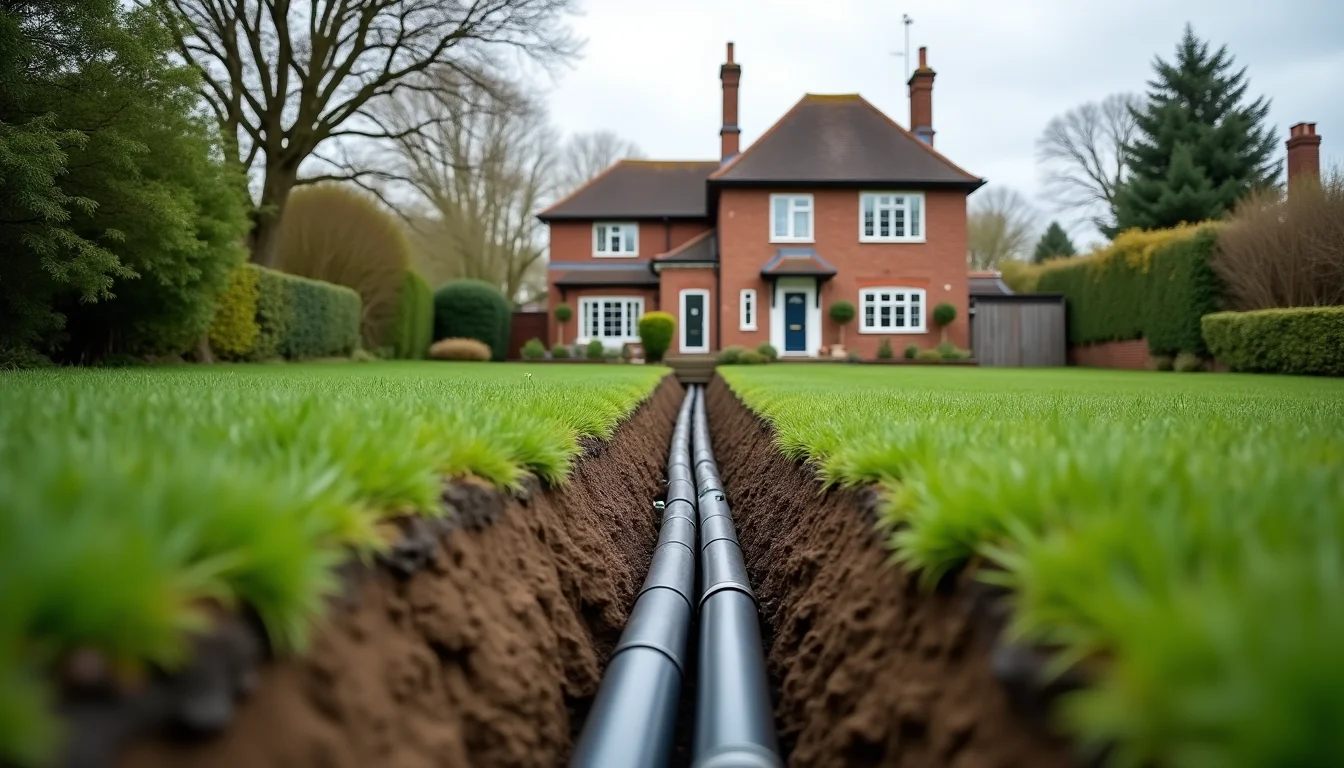
For most UK homes, an air source heat pump (ASHP) will be the better fit. It costs less upfront, needs minimal outdoor space, and qualifies for the same £7,500 BUS grant as a ground source system. But if you've got a large garden, plan to stay in your property long term, and can stretch the budget, a ground source heat pump (GSHP) will deliver higher efficiency and lower running costs year after year.
What's the Actual Difference Between Air Source and Ground Source Heat Pumps?
Both types work on the same principle: they extract heat from the environment and concentrate it to warm your home and hot water. The difference is where they get that heat from.
An air source heat pump sits outside your house, typically against an external wall or on a flat surface nearby. It pulls heat from the outside air, even when temperatures drop below freezing. Most units look a bit like a large air conditioning box.
A ground source heat pump extracts heat from underground, where temperatures stay a steady 10-12°C all year round. This requires either horizontal loops buried about 1.2 metres deep across your garden, or vertical boreholes drilled 60-100 metres down. The heat pump unit itself sits inside your property, usually in a utility room or garage.
How Much Does Each System Cost in 2026?
Let's talk numbers, because this is often the deciding factor.
A typical air source heat pump installation for a three-bedroom semi-detached house costs between £10,000 and £15,000 before the BUS grant. After the £7,500 grant, you're looking at roughly £2,500 to £7,500 out of pocket.
Ground source systems are considerably more expensive. A full GSHP installation typically runs between £20,000 and £35,000 before the grant, depending on whether you need horizontal trenches or vertical boreholes. After the grant, that's £12,500 to £27,500. Boreholes cost more but need far less land.
Honestly, the price gap is the main reason about 85% of heat pump installations in the UK are air source. That doesn't make ground source a bad choice. It just means it needs to make financial sense for your specific situation.
Which System Suits Your Property?
Your home and garden will rule out certain options pretty quickly.
Garden size matters for ground source. Horizontal ground loops typically need around 200-300 square metres of land for an average-sized home. That's roughly the size of a tennis court. If you've got a terraced house with a 30-square-metre back garden, ground source with horizontal loops simply isn't feasible. Vertical boreholes solve the space problem but push costs higher.
Air source needs surprisingly little space. You need enough room for the outdoor unit (about the footprint of a washing machine) plus clearance around it for airflow. Most homes can find a suitable spot, though you'll want to think about noise and placement relative to your neighbours' windows.
Here's a real-world example. Sarah and Tom in Oxfordshire have a 1930s detached house with a third-of-an-acre garden. They chose ground source with horizontal loops because they had the land, planned to stay for 20+ years, and their large, draughty house needed a system that would perform well in the coldest months. Their total cost was £28,000 before the grant, bringing it down to £20,500. Their annual heating bill dropped from around £2,400 on oil to roughly £1,100.
Contrast that with a couple in a Sheffield semi with a modest garden. An ASHP costing £12,000 before the grant was the obvious and practical choice. After the £7,500, they paid £4,500 and cut their gas bills significantly.
Air Source vs Ground Source Heat Pump: Which Is More Efficient?
Ground source wins on efficiency, and by a decent margin.
A well-installed GSHP typically achieves a Seasonal Coefficient of Performance (SCOP) of 3.5 to 4.5. That means for every 1 kWh of electricity it uses, it produces 3.5 to 4.5 kWh of heat. Because the ground temperature is stable year-round, performance barely fluctuates between summer and winter.
Air source heat pumps typically manage a SCOP of 2.8 to 3.5. Performance dips in very cold weather because there's less heat in the air to extract. Modern ASHPs handle this well and continue working efficiently even at -15°C, but they do work harder in January than in April.
In practical terms, this efficiency gap translates to lower electricity bills with ground source. Over 20 years, the running cost savings could offset a significant chunk of the higher installation price. Whether they fully close the gap depends on your home's heat demand, your electricity tariff, and how long you stay in the property.
How Does the £7,500 BUS Grant Work for Both Systems?
The Boiler Upgrade Scheme (BUS) offers a £7,500 grant toward both air source and ground source heat pumps in 2026. The grant applies equally to both types, so it doesn't favour one over the other.
To qualify, your property must be in England or Wales, and you must be replacing a fossil fuel heating system (gas, oil, LPG, or electric storage heaters count). The property needs a valid EPC, and the installation must be carried out by an MCS certified installer. New builds don't qualify.
Your installer applies for the grant on your behalf, and the amount is deducted from your quote. You don't need to claim it back or fill in government forms yourself. The money goes directly to the installer, so you simply pay the reduced price.
One thing worth knowing: the BUS grant budget is allocated on a first-come, first-served basis within each financial year. Demand has been rising steadily, so don't assume it'll be available indefinitely. If you're seriously considering a heat pump, getting quotes sooner rather than later is sensible.
"Will a Heat Pump Actually Keep My House Warm Enough?"
This is the concern that stops more people than any other. And it's completely understandable. You're being asked to rip out a boiler that you know works and replace it with something that feels unfamiliar.
But the worry is largely misplaced. Heat pumps are the standard heating system in countries far colder than the UK. Norway, Sweden, and Finland have millions of them installed. The UK's relatively mild climate is actually ideal for heat pump performance.
The key is proper sizing and good installation. A correctly designed system will keep your home just as warm as a gas boiler. The heat feels different because it runs at lower flow temperatures and for longer periods rather than blasting on and off. Your radiators may feel warm rather than scorching hot, but your rooms will reach the temperature you set.
If your home is poorly insulated, you may need some upgrades like loft insulation or cavity wall insulation before or alongside your heat pump installation. A good MCS installer will assess this during their survey and be upfront about what's needed.
And if you've got a particularly old or draughty house? Ground source may have the edge here, because its consistent efficiency in cold weather means it won't struggle during a February cold snap the way a poorly installed ASHP might.
Quick Comparison: Air Source vs Ground Source at a Glance
| Factor | Air Source | Ground Source |
|---|---|---|
| Typical cost (before grant) | £10,000-£15,000 | £20,000-£35,000 |
| Garden space needed | Minimal | Significant (unless boreholes) |
| Efficiency (SCOP) | 2.8-3.5 | 3.5-4.5 |
| Lifespan | 15-20 years | 20-25 years (ground loops last 50+) |
| Noise | Low hum from outdoor unit | Near silent |
| BUS grant | £7,500 | £7,500 |
| Best for | Most UK homes | Larger properties with land |
| Installation time | 2-4 days | 1-3 weeks |
Frequently Asked Questions
Is ground source heat pump worth the extra cost?
It can be, but only in the right circumstances. If you have a large property with high heating demand, plenty of garden space, and plan to stay for 15+ years, the higher efficiency and lower running costs can justify the extra upfront spend. For smaller homes, an air source system usually offers better value.
Can I get a ground source heat pump with a small garden?
Yes, but you'd need vertical boreholes instead of horizontal ground loops. Boreholes require much less surface area but add several thousand pounds to the installation cost. A borehole drilling rig needs vehicle access to your garden, so very tight spaces can still be tricky.
How noisy is an air source heat pump?
Modern air source heat pumps produce around 40-50 decibels at one metre, which is roughly the volume of a quiet conversation or a refrigerator hum. Planning rules in the UK require that noise levels don't exceed 42 dB at the nearest neighbour's window. Most homeowners say they stop noticing the sound within a few weeks.
Do heat pumps work in old houses?
Yes, though older properties often need some insulation improvements first. Solid-walled homes, Victorian terraces, and other older buildings can all use heat pumps successfully, but you may need larger radiators or additional insulation to compensate for higher heat loss. A proper heat loss survey before installation is essential.
How long does a ground source heat pump installation take?
Expect one to three weeks from start to finish, depending on the type of ground loop system. Horizontal trench installations involve significant excavation work in your garden, while borehole drilling is quicker but more specialised. The indoor installation of the heat pump unit and connection to your heating system typically takes two to three days on top of the groundworks.
Find the Right Installer for Your Home
Whether you're leaning toward air source or ground source, the quality of your installation matters just as much as the technology you choose. A poorly installed heat pump of either type will underperform. Use our directory at heatpumpinstallerdirectory.co.uk to find MCS certified heat pump installers in your area, compare quotes, and get the job done properly. Every installer listed holds current MCS certification, which is required for BUS grant eligibility.
Ready to talk to an installer?
Every firm in the directory is MCS-certified, with reviews and grant registration shown on its listing.
Related guides
- Do Heat Pumps Work in Old Houses? The Complete Guide
Can you install a heat pump in a pre-1930s house? Yes. This guide covers solid walls, listed buildings, insulation fixes and real costs for older UK homes.
- How to Install a Heat Pump in a Small Garden or Tight Space
Think your garden's too small for a heat pump? Think again. Here's how UK homeowners are fitting heat pumps into the tightest spaces and still claiming £7,500.
- How to Power a Heat Pump With Solar Panels: A Practical Guide for UK Homeowners
Want to run your heat pump on solar panels? This practical guide covers how much solar you need, battery storage, real savings, and how to cut running costs.