
Daikin Heat Pump Installers UK — Approved Installers Explained
What do Daikin's D1, D1+ and Sustainable Home Expert tiers actually mean? We break down training, warranties and how to verify your installer's credentials.

Written by Heat Pump Buddy
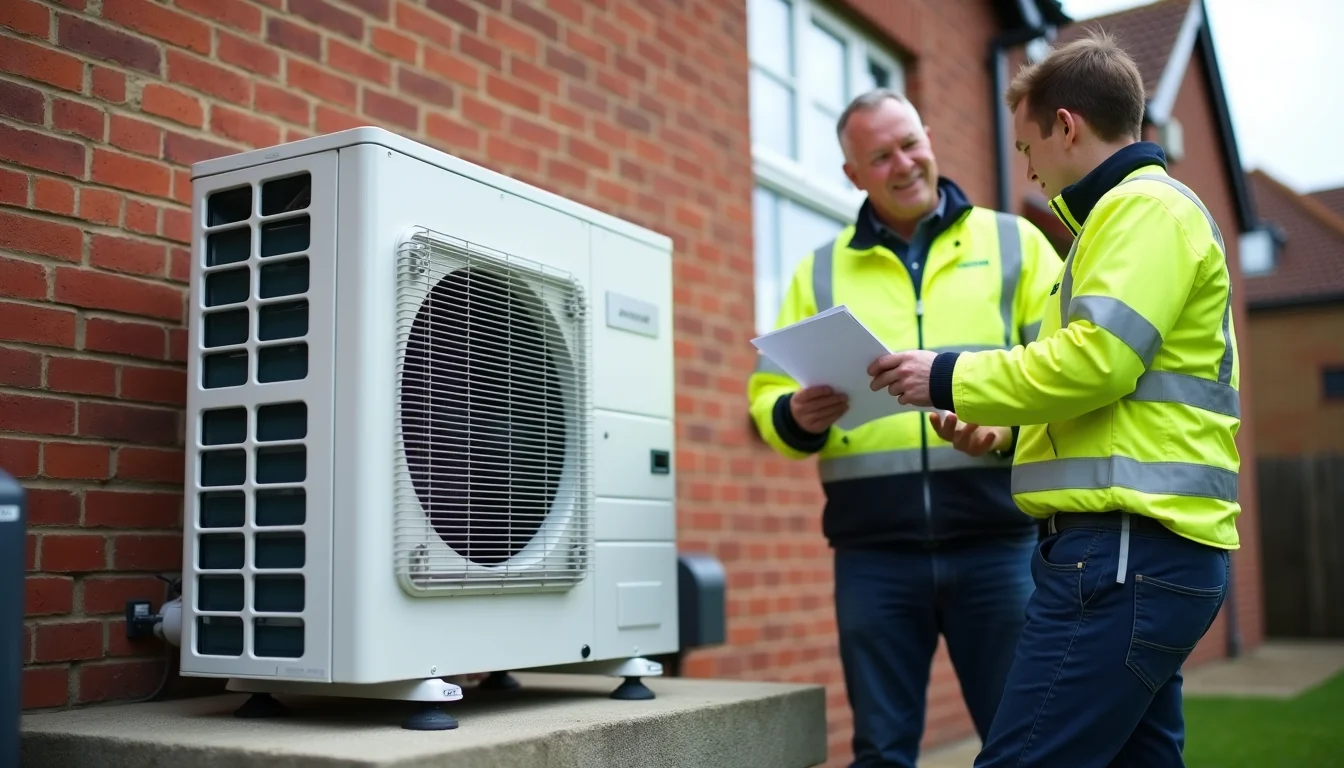
Daikin runs a tiered accreditation system for heat pump installers in the UK, split into three levels: D1, D1+ and Sustainable Home Expert. Each tier reflects different levels of training and unlocks different warranty lengths for homeowners. You should always check that any Daikin installer also holds MCS certification, because Daikin accreditation alone doesn't qualify you for the £7,500 BUS grant.
What Are Daikin's Installer Accreditation Tiers?
Daikin doesn't just hand out approval to anyone who asks. Their system is structured so that installers climb from a baseline qualification to more specialist status, and each rung comes with specific training requirements and benefits for you as a homeowner.
D1 (Daikin Installer)
This is the entry-level tier. To get D1 status, an installer completes Daikin's core training programme covering the installation, commissioning and servicing of Daikin heat pump products. It's a solid baseline. D1 installers can register installations on Daikin's system, which gives homeowners access to a standard parts warranty of up to 3 years on most domestic heat pump products.
D1+ (Daikin D1 Plus)
D1+ is the next step up. Installers at this level have completed additional training modules and demonstrated a track record of Daikin installations. The main benefit for homeowners is an extended warranty, typically up to 5 years on parts. D1+ installers also get priority access to Daikin technical support, which can matter a great deal if something goes wrong with your system during the first few winters.
Sustainable Home Expert
This is Daikin's top tier. Sustainable Home Experts have gone through the most extensive training, covering not just Daikin heat pumps but whole-house heating design, including underfloor heating integration, hot water cylinders and hybrid systems. At this level, Daikin offers warranties of up to 7 years on parts when the installation is registered. These installers are also listed on Daikin's own website, which gives you an extra way to verify them.
Why Daikin Accreditation Isn't Enough on Its Own
Here's something that catches people out. A Daikin-approved installer might be brilliant at fitting Daikin equipment, but if they're not MCS certified, you can't claim the Boiler Upgrade Scheme grant. The two accreditations serve different purposes.
MCS certification is the government-backed standard that confirms an installer meets the Microgeneration Certification Scheme requirements. It covers system design, installation quality and consumer protection. Without it, Ofgem won't process a BUS grant application. And losing out on £7,500 because your installer doesn't hold the right certification is a painful mistake.
The good news is that most reputable Daikin-approved installers in 2026 hold MCS certification as well. But don't assume. Ask to see both.
How to Check if a Daikin Installer Is Genuine
There are two checks you should run before signing anything.
First, go to Daikin's own installer finder on their UK website. Search by postcode and you'll see which companies near you hold D1, D1+ or Sustainable Home Expert status. If someone claims to be a Sustainable Home Expert but doesn't appear on Daikin's site, that's a red flag. Our guide on red flags when hiring a heat pump installer covers other warning signs to watch for.
Second, check the MCS Certified installer database separately. Enter the company name or your postcode and confirm their MCS number is current. MCS certificates can lapse if an installer doesn't keep up with annual assessments, so a certificate from 2024 isn't proof they're still registered in 2026.
Don't be shy about asking for certificate numbers. Any decent installer will hand them over without hesitation.
What Warranty Do You Actually Get With a Daikin Heat Pump?
Warranties are where the tier system really shows its teeth. Here's how it breaks down for Daikin's domestic air source heat pump range in 2026:
| Installer Tier | Parts Warranty (registered) | Labour Warranty |
|---|---|---|
| D1 | Up to 3 years | Installer's own terms |
| D1+ | Up to 5 years | Installer's own terms |
| Sustainable Home Expert | Up to 7 years | Installer's own terms |
The parts warranty is from Daikin, but labour warranty is set by the installer. This is a critical distinction. If your heat pump compressor fails in year four and your installer only offered a one-year labour guarantee, you'll get the replacement part from Daikin for free but you'll pay an engineer to fit it. That could easily run to £300 to £500 depending on what needs doing.
Always ask your installer what their labour warranty covers and for how long. Get it in writing.
How the £7,500 BUS Grant Works With Daikin Installations
The Boiler Upgrade Scheme provides a £7,500 grant towards the cost of an air source or ground source heat pump in England and Wales. The grant is applied as a discount at the point of installation, so you don't need to find the full amount upfront.
To claim it, your property must have an existing fossil fuel heating system (or be replacing electric storage heaters), and the installation must be done by an MCS certified installer. Daikin accreditation doesn't factor into BUS eligibility at all. It's purely an MCS requirement.
Say you're in a three-bedroom semi in Kent and you get a quote from a Sustainable Home Expert for a Daikin Altherma 3 system. The total installed cost comes to £12,500 including the hot water cylinder, pipework modifications and commissioning. The BUS grant knocks £7,500 off that, leaving you with £5,000 to pay. If the installer also holds MCS certification, the grant application is handled as part of the quote process. You barely need to lift a finger.
The BUS grant is confirmed to run until at least March 2028 according to gov.uk, so there's no rush to beat an imminent deadline. But demand for good installers does increase through the autumn and winter months.
Do You Need a Daikin-Approved Installer, or Can Any MCS Installer Fit a Daikin System?
This is the most common concern homeowners raise, and it's a fair one. The short answer: any MCS certified installer can legally fit a Daikin heat pump. They'll buy the equipment through Daikin's distribution network and install it to MCS standards.
But there's a catch. If the installer isn't Daikin accredited, you may only get Daikin's basic manufacturer warranty, which could be shorter than what a D1+ or Sustainable Home Expert can offer. You'd also miss out on Daikin's registration system and direct technical support line.
Is that a dealbreaker? Not necessarily. Some MCS certified installers have years of experience fitting Daikin systems without holding formal Daikin accreditation. They know the products inside out. The warranty question is the main practical difference, so weigh that against the overall quote and the installer's reputation.
If you want the longest warranty and direct Daikin backing, go with an accredited installer. If you've found a trusted MCS installer who knows Daikin kit well and offers their own solid guarantee, that can work too. Just go in with your eyes open.
Frequently Asked Questions
How do I find a Daikin approved heat pump installer near me?
Use Daikin's installer finder tool on their UK website and search by your postcode. This shows D1, D1+ and Sustainable Home Expert installers in your area. Cross-check any installer against the MCS installer database to confirm they can also apply for the BUS grant on your behalf.
What is a Daikin Sustainable Home Expert?
A Sustainable Home Expert is Daikin's highest tier of installer accreditation. These companies have completed extensive training on whole-house heating design, including heat pumps, hot water systems and underfloor heating. They can offer Daikin parts warranties of up to 7 years on registered installations.
Can any installer fit a Daikin heat pump or does it have to be approved?
Any MCS certified installer can fit a Daikin heat pump. But using a Daikin-approved installer at D1+ or Sustainable Home Expert level gives you access to extended parts warranties and Daikin's own technical support. It's worth comparing warranties before deciding.
Do I need Daikin accreditation to get the £7,500 heat pump grant?
No. The BUS grant requires your installer to be MCS certified, not Daikin accredited. Daikin accreditation is a separate manufacturer programme. Most good Daikin installers hold both, but always verify MCS status independently before going ahead.
How long is the warranty on a Daikin air source heat pump?
It depends on the installer tier. A D1 installer can register for up to 3 years parts warranty, D1+ up to 5 years, and a Sustainable Home Expert up to 7 years. Labour warranties are set by the individual installer, so ask for written confirmation of what's included before you sign a contract.
If you're looking for MCS certified heat pump installers who can fit Daikin systems and handle your BUS grant application, search for local installers on our directory and compare quotes from verified companies in your area.
Ready to talk to an installer?
Compare the listed firms, then check current MCS status, service coverage and any grant registration directly. Contact routes are shown when a firm has published one.
Related guides
- What to Expect on Heat Pump Installation Day
Wondering what happens on heat pump installation day? Get an hour-by-hour walkthrough covering prep, disruption, commissioning, and the questions to ask your installer.
- Red Flags When Hiring a Heat Pump Installer
Spot the warning signs of a bad heat pump installer before you sign anything. Missing MCS docs, no heat loss survey, suspiciously cheap quotes and more.
- Questions to Ask a Heat Pump Installer Before Hiring
Don't sign a heat pump contract until you've asked these questions. A practical checklist to sort good MCS installers from cowboys in 2026.