
Questions to Ask a Heat Pump Installer Before Hiring
Don't sign a heat pump contract until you've asked these questions. A practical checklist to sort good MCS installers from cowboys in 2026.

Written by Heat Pump Buddy
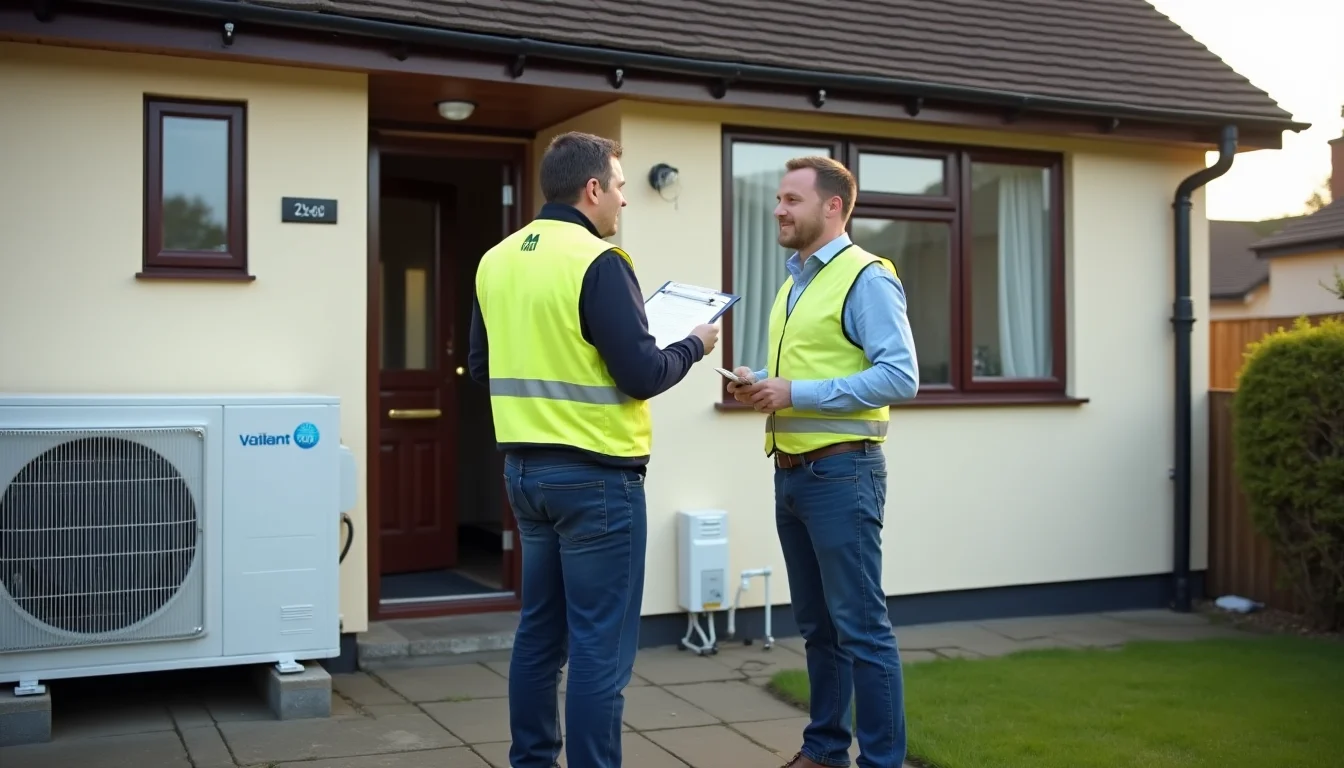
Before you sign anything, you need to ask your heat pump installer about their MCS certification, their design calculations, what's included in the quote, and how they'll handle the £7,500 BUS grant application. A good installer will welcome these questions. If they get defensive or vague, that tells you everything you need to know.
Why the Right Questions to Ask a Heat Pump Installer Can Save You Thousands
A heat pump isn't a boiler swap. It's a system design project, and getting it wrong means higher bills, poor comfort, and potentially a unit that breaks down within a few years. The difference between a well-designed installation and a bodged one can easily be £2,000 to £4,000 in wasted energy costs over the first five years alone.
The trouble is, the heat pump market in the UK has grown fast. There are now over 3,500 MCS certified installers listed on the MCS database, and the quality varies enormously. Some companies have been fitting heat pumps for a decade. Others retrained from gas boiler work last year and are still learning.
Asking the right questions before you commit is your best protection. Think of it as an interview. You're hiring them, not the other way around.
Technical Questions You Should Always Ask
These are the questions that separate installers who properly understand heat pump design from those who are winging it.
"Have you done a room-by-room heat loss calculation for my property?"
This is non-negotiable. An MCS-compliant installation requires a heat loss calculation to MIS 3005 standards, and it should be done room by room, not as a single figure for the whole house. If an installer quotes you a system size without doing this survey first, walk away. The Energy Saving Trust confirms that correct sizing is one of the most important factors in a heat pump performing well.
"What flow temperature are you designing the system to run at?"
A well-designed air source heat pump system should run at flow temperatures of 35°C to 45°C for most of the year. If the installer says 55°C or higher, ask why. Higher flow temperatures mean lower efficiency, which means higher electricity bills. There are situations where 50°C is justified, particularly in older properties with smaller radiators, but the installer should explain their reasoning clearly.
"Will my existing radiators need upgrading?"
Some will, some won't. A proper heat loss survey will identify which rooms need larger radiators to deliver enough warmth at lower flow temperatures. Be suspicious of installers who say "your existing radiators will be fine" without checking, and equally suspicious of those who want to replace every radiator in the house without explaining why.
"What size system are you recommending, and why?"
Oversizing is one of the most common mistakes. A 12kW unit in a well-insulated three-bed semi is usually too big. The installer should be able to tell you the total heat loss figure for your property in kilowatts and explain how that matches their recommended unit. For more detail on what a proper survey looks like, read our guide on what a heat pump survey involves.
Commercial Questions About the Quote and Contract
Once you're satisfied the installer knows their stuff technically, it's time to talk money.
"What exactly is included in this quote?"
Get a full breakdown. The quote should separately list the heat pump unit, hot water cylinder, any new radiators or underfloor heating, pipework, electrical work, controls, the MCS certificate, building regulations notification, and commissioning. If it's a single lump sum with no breakdown, ask for one. You need to compare quotes on a like-for-like basis, which is harder than it sounds. Our guide on why heat pump quotes vary so much explains this in detail.
"Is there anything that might increase the price once you start work?"
Good installers flag potential extras upfront. Things like asbestos in an old boiler flue, a consumer unit that needs upgrading, or additional groundwork for the outdoor unit. Ask whether the quote is fixed price or an estimate, and what happens if unexpected costs come up.
"What's your payment schedule?"
A typical structure is a deposit (usually 10% to 25%), a stage payment when materials arrive on site, and the balance on completion. Be cautious of any installer asking for more than 30% upfront. And never pay the full amount before the work is finished and commissioned.
"What warranty do I get, and who backs it?"
You should get a manufacturer's warranty on the heat pump unit itself, often 5 to 7 years, sometimes extendable to 10. But you also need a workmanship guarantee from the installer covering the installation for at least 2 years. Check whether the installer is covered by the MCS Consumer Code, which gives you an independent complaints process. The MCS standards require this.
Questions About Their Experience and Credentials
"Are you MCS certified, and can I see your certificate?"
MCS certification is required if you want to claim the Boiler Upgrade Scheme grant. But it's also a basic quality standard. You can verify any installer's MCS status yourself at mcscertified.com. Don't just take their word for it.
"How many heat pump installations have you completed?"
There's no magic number, but experience matters. An installer who's completed 50 or more installations will have encountered most of the common problems. Ask specifically about installations in properties similar to yours. If you live in a 1930s semi, an installer who's mostly fitted heat pumps in new builds may not appreciate the challenges of older pipework and poor insulation.
"Can you provide references or let me see a completed installation?"
Any installer worth hiring will have happy customers they can point you towards. Even better, ask if you can visit a completed installation in a similar property. Seeing a tidy install with well-routed pipework and a properly mounted outdoor unit tells you a lot about an installer's standards.
"What insurance do you carry?"
You need them to have public liability insurance (at least £2 million) and professional indemnity insurance. If they damage your property during installation or the system is designed incorrectly, you need to know you're covered. Our guide on what insurance a heat pump installer should have covers this properly.
How Should an Installer Handle the £7,500 BUS Grant?
The Boiler Upgrade Scheme gives homeowners in England and Wales a £7,500 grant towards an air source heat pump. From April 2026, homes replacing oil or LPG boilers can get up to £9,000. The grant is applied for by the installer, not by you, so their competence with the process really matters.
Ask these specific questions:
- "Will you apply for the BUS grant on my behalf, and when?"
- "How long does the voucher typically take to come through?"
- "Is the grant amount already deducted from the price on my quote?"
- "What happens if the voucher is rejected?"
The grant voucher has a three-month validity window once issued. A good installer will time the application so the voucher doesn't expire before they can complete the installation. If an installer seems unclear on how the BUS process works, or tells you to apply yourself, that's a red flag. The government's own BUS guidance on gov.uk confirms that only MCS certified installers can apply.
Say you own a 1960s three-bed detached in Kent with cavity wall insulation and a gas boiler. An installer surveys the property, calculates a heat loss of 8.5kW, and recommends a 9kW Vaillant Arotherm. The full quote comes to £13,500 including a new 210-litre cylinder, four upgraded radiators, and all electrical work. The installer applies for the BUS grant, which knocks £7,500 off, leaving you paying £6,000. That's a reasonable outcome for a properly specified system. If another company quotes £9,000 for the same property but can't show you a heat loss calculation, the cheaper quote is probably the more expensive mistake.
"What If I Pick the Wrong Installer?" Addressing the Biggest Concern
This is the worry that stops a lot of people from going ahead. And it's a fair one.
A poorly installed heat pump can cost you more to run than the gas boiler it replaced. If the system is oversized, runs at too high a flow temperature, or has been plumbed incorrectly, your electricity bills will be higher than they should be. Worst case, you're looking at an uncomfortable house and an expensive repair bill.
But you can protect yourself. Here's how:
- Get three quotes minimum. Compare them on system size, included work, and total cost after the grant. If one quote is dramatically cheaper, find out what's been left out.
- Check MCS certification independently. Don't rely on a logo on their website.
- Ask every question on this list. A competent installer will answer clearly and patiently. If they rush you or can't explain their design decisions, move on.
- Read the contract before signing. Make sure it includes a fixed price, a clear scope of work, a start date, and warranty terms.
- Use the MCS Consumer Code. If something goes wrong after installation, you have a formal dispute resolution process.
The reality is that most MCS certified installers do good work. The certification process itself weeds out the worst operators. But "most" isn't "all", and your questions are the final filter.
Frequently Asked Questions
What questions should I ask a heat pump installer before hiring them?
Ask about their MCS certification, how many installations they've done, whether they'll do a room-by-room heat loss calculation, what's included in the quote, and how they'll handle the BUS grant application. Also ask about warranties, insurance, and whether you can see a completed installation similar to yours.
How do I check if a heat pump installer is MCS certified?
Go to the MCS certified installer search at mcscertified.com and type in the company name. Their certification status, including what technologies they're certified to install, will show up. If they're not listed, they can't apply for the BUS grant and may not meet quality standards.
Should a heat pump installer do a survey before giving me a quote?
Yes, always. Any installer who gives you a fixed quote over the phone or by email without visiting your property hasn't done the design work needed to size the system properly. A proper survey includes a room-by-room heat loss calculation, an assessment of your existing radiators, and a check on where the outdoor unit will go.
How many quotes should I get for a heat pump installation?
Three is the minimum. Getting multiple quotes helps you spot outliers on price and system size. If two installers recommend a 10kW unit and the third says you need 16kW, you can ask the third installer to explain their calculations. Comparing quotes is easier if you ask each installer for an itemised breakdown.
Can a heat pump installer apply for the BUS grant for me?
Yes, and they're the only ones who can. Homeowners can't apply for the Boiler Upgrade Scheme directly. Your MCS certified installer submits the application through Ofgem's system, and the £7,500 (or £9,000 for oil and LPG replacements) is paid to them, reducing what you owe.
If you're ready to find vetted, MCS certified installers in your area, search for local heat pump installers and start getting quotes today.
Ready to talk to an installer?
Every firm in the directory is MCS-certified, with reviews and grant registration shown on its listing.
Related guides
- What Insurance Should a Heat Pump Installer Have? Essential Cover Explained
Find out exactly what insurance a heat pump installer should carry before you hire them. Public liability, indemnity, MCS rules and more.
- How Long Does Heat Pump Installation Take? A Complete Timeline Breakdown
Wondering how long heat pump installation really takes? Get a real day-by-day timeline from survey to commissioning, plus what can speed things up or slow them down.
- What Is MCS Certification and Why Does It Matter for Heat Pump Installations?
MCS certification isn't just a badge. It's your guarantee of installer competence, equipment quality, and access to the £7,500 BUS grant. Here's what it means.